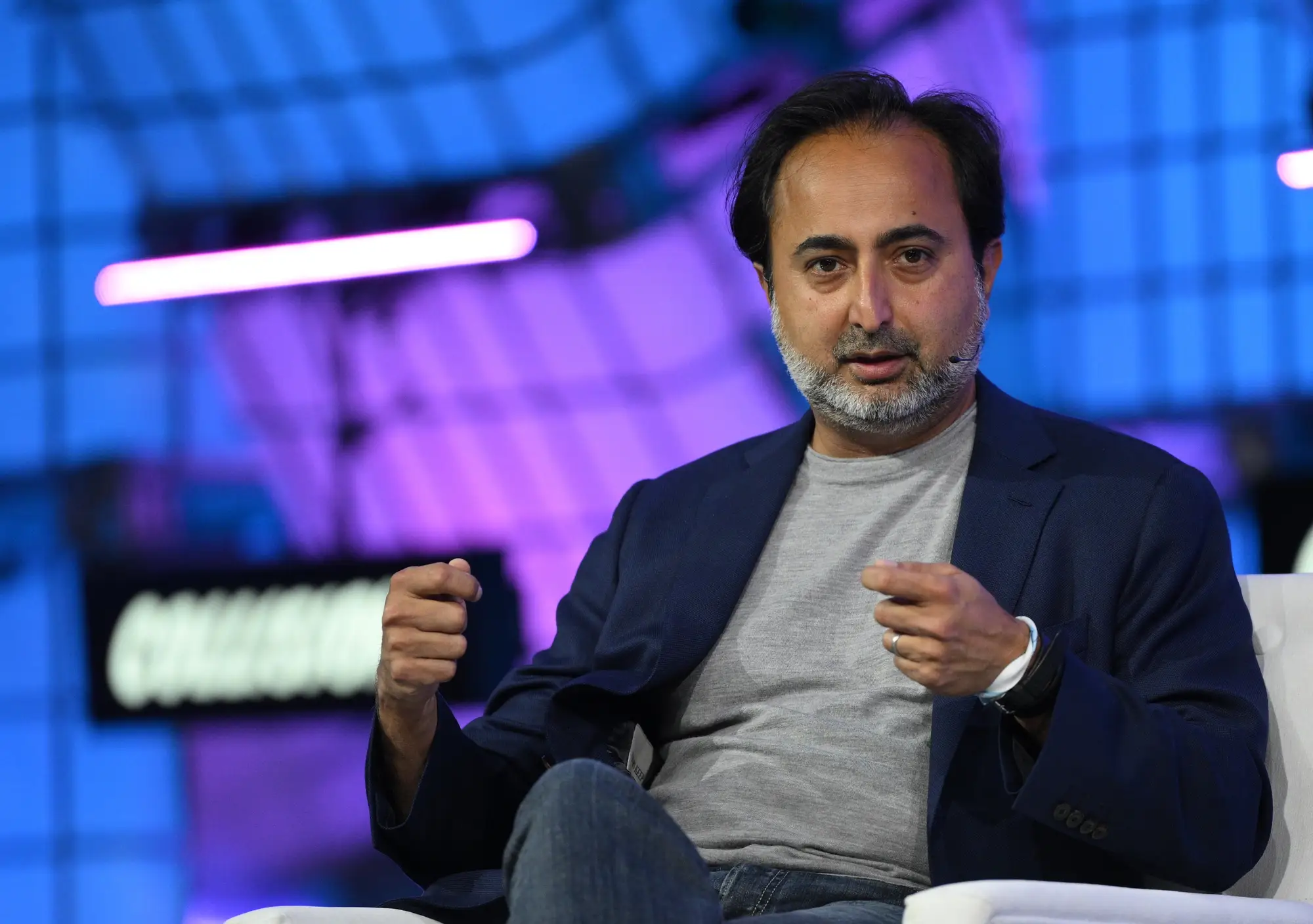
In a recent podcast episode, Hemant Taneja, CEO and Executive Director of the global venture capital firm General Catalyst, shared his views on personal health and longevity, suggesting that investments in this area should qualify for insurance reimbursement.
He pointed out that the existing healthcare system needs to shift towards incentives that ensure health and reduce hospitalization rates, rather than primarily focusing on Efficient yet expensive.’s medical services. He stated that currently, insurance companies do not have a clear return model to assess whether they should invest in long-term care.
Investment Prospects and Challenges
Taneja emphasized that insurance companies remain uncertain about whether their investments in the longevity sector will yield returns in the future, which constrains further development. Nevertheless, General Catalyst continues to innovate in the healthcare field; since the creation of the health startup Commure in 2017, the company has raised over $1 billion in funding.
Additionally, General Catalyst recently acquired the Summa Health system in Ohio for $485 million through its Health Assurance Transformation business, marking a significant shift for the nonprofit hospital system into a for-profit entity.
The Eye-Catching Trends in Longevity Research
Currently, health insurance only covers certain preventive care measures, primarily focusing on screenings for cancer and AIDS, while supplemental medications or therapies targeting aging cells are excluded from insurance plans. Longevity has become the hot topic in Silicon Valley, where tech elites are starting to view death as a problem that can be solved through funding and data.
For instance, OpenAI’s CEO Sam Altman founded Retro Biosciences with the aim of extending human lifespan. Meanwhile, Google co-founders Larry Page and Sergey Brin have poured billions into Calico Labs and Verily Life Sciences, focusing on age-related diseases and pharmaceutical solutions. Additionally, there’s Bryan Johnson’s personal experiment, where he tracks his own data through extreme supplementation and fitness training.