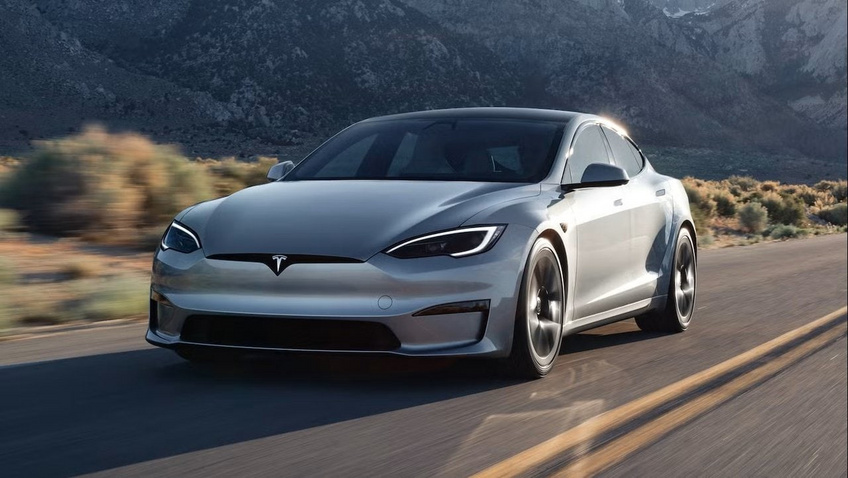
The Tesla flagship sedan Model S has recently been recognized as one of the best inventions of the 2000s by TIME magazine in the United States, receiving acclaim alongside the award-winning Model 3 from 2017. This recognition highlights the technological breakthroughs and impact both models have made in the electric vehicle sector. The Model S is considered crucial in driving the mainstream adoption of electric cars, allowing Tesla to successfully bring electric vehicles into the public eye with its outstanding range and innovative touchscreen interface, setting it apart from traditional internal combustion engine vehicles.
Back in 2012, TIME praised the Model S as Technologies that Truly Transform the Automotive Industry, claiming its design not only rivals that of Jaguar but also boasts an impressive range of 265 miles (approximately 426 kilometers) and achieves an efficiency of 89 miles per gallon (around 2.6 liters/100 kilometers). The Model S seamlessly integrates features like GPS navigation and suspension adjustments into a touchscreen, delivering a fresh driving experience for electric vehicles and laying a solid foundation for the development of the subsequent Model 3 and Model Y.
However, in recent years, the proportion of Model S sales in Tesla’s lineup has gradually declined. According to Tesla’s quarterly report for 2024, the combined sales of Model S, Model X, and Cybertruck totaled around 85,133 units, which pales in comparison to the dominant models, Model 3 and Model Y, with 1,789,000 deliveries. Even though Tesla launched the updated version of Model S / Model XRefresh in 2025, featuring revamped exterior and interior designs, the overall changes were limited and couldn’t effectively reverse the sales trend.
The CEO of Lucid Motors has recently criticized the Model S, pointing out that it hasn’t undergone significant changes in the past 12 years, indicating a shift in customer demand towards brands with more innovative designs. Tesla’s CEO, Elon Musk, has even suggested that the production of the Model S and Model X relies more on “emotional factors,” which may hint at the company possibly adjusting its product strategy in the future, although there hasn’t been any official announcement regarding discontinuation plans yet.