



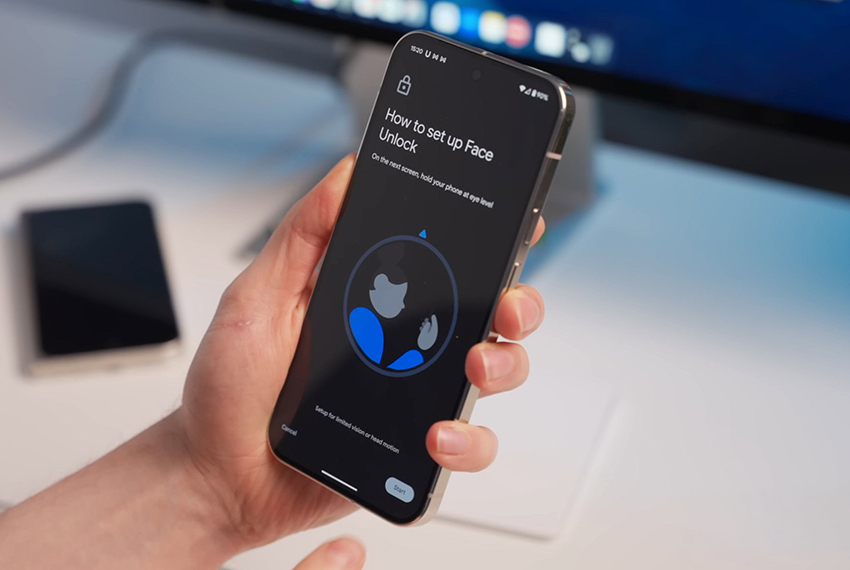
Under display face unlock arrived in a working demo this week when Metalenz showed a prototype called Polar ID that runs beneath a fully powered OLED phone screen, aiming to bring payment grade face authentication to Android devices without a visible cutout.
Metalenz, the Cambridge, Massachusetts optics company, presented the system at the Display Week I Zone showcase, according to a company press release distributed on GlobeNewswire and a hands on reported by Android Authority. The demo combined metasurface optics with polarized light information to read facial detail through an active OLED display.
The technology differs from common 2D camera based face unlock, because polarized signals can capture information about material, contours, and surface structure. Metalenz said the approach preserves biometric integrity while operating under a fully powered display, a claim that could address a long running trade off between full screen design and secure face authentication.
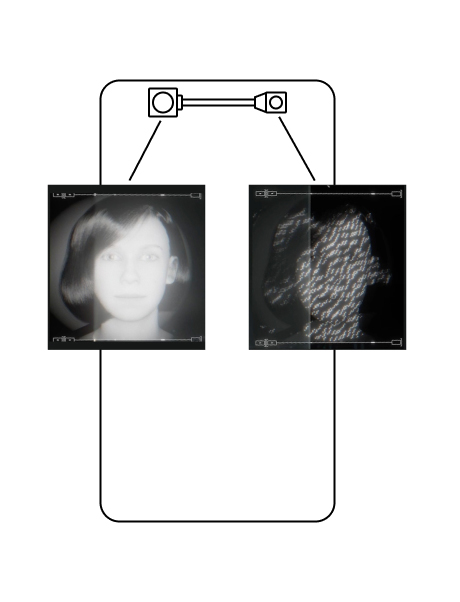
Apple Face ID uses a TrueDepth sensor array that requires a visible screen opening to deliver its depth mapping. Most Android phones have avoided that visible hardware by using under screen fingerprint readers or simpler camera based face unlock. If Metalenz can move the Polar ID concept into production, Android brands could add higher tier face authentication without sacrificing a full screen front.
From a product design perspective, the benefit of under display face unlock is more than cosmetic. With no visible sensor module on the front, manufacturers can free up bezel and status bar layout, and developers gain more consistent screen real estate for apps and system chrome.
Touch free authentication also suits use cases such as mobile payments, password vaults, and continuous authentication for AI assistants. Metalenz emphasized those scenarios in its release, saying the technology targets authentication levels needed for sensitive transactions.
The company told reporters and show attendees that the polarization signals still work after passing through the OLED layer and touted a “0% spoof acceptance rate” in its internal testing. That figure, cited in Metalenz s GlobeNewswire announcement, will require independent validation before it can be treated as a product grade security metric.
Significant engineering hurdles remain before under display face unlock appears in shipping phones. Panel transparency for the required wavelengths, additional power draw, added component cost, increased module thickness, and algorithm stability under varying lighting and user angles are all factors manufacturers must solve for at scale.
Industry observers told Android Authority that demonstrations at trade shows often precede a lengthy development cycle. Still, the demo makes the product direction clear: the next wave of front facing sensors will not simply hide cameras deeper, but attempt a new balance among screen integrity, cost, and authentication security.
For now, Metalenz remains the named proponent of the approach, and Android handset makers will decide whether under display face unlock is worth the engineering trade offs required to ship it to customers.
Reporting from the Display Week I Zone, with additional reporting from Android Authority and the Metalenz press release on GlobeNewswire.