



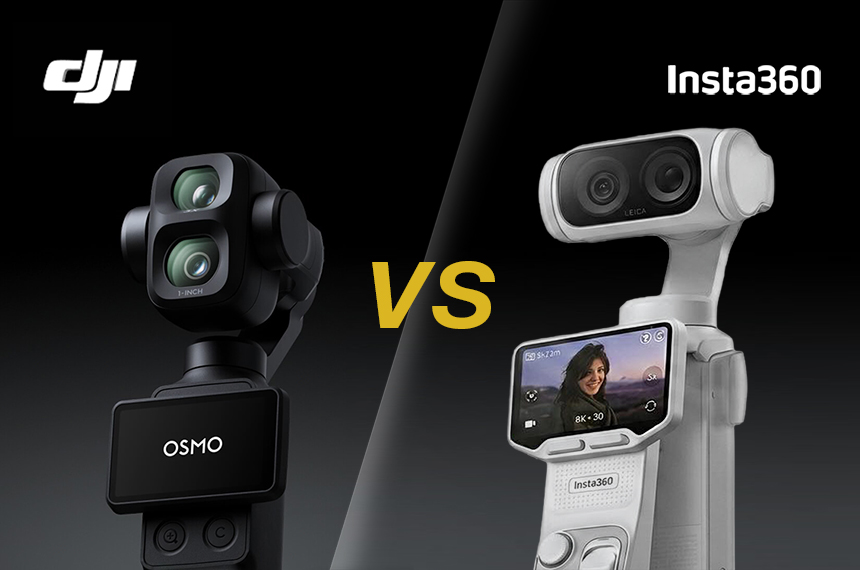
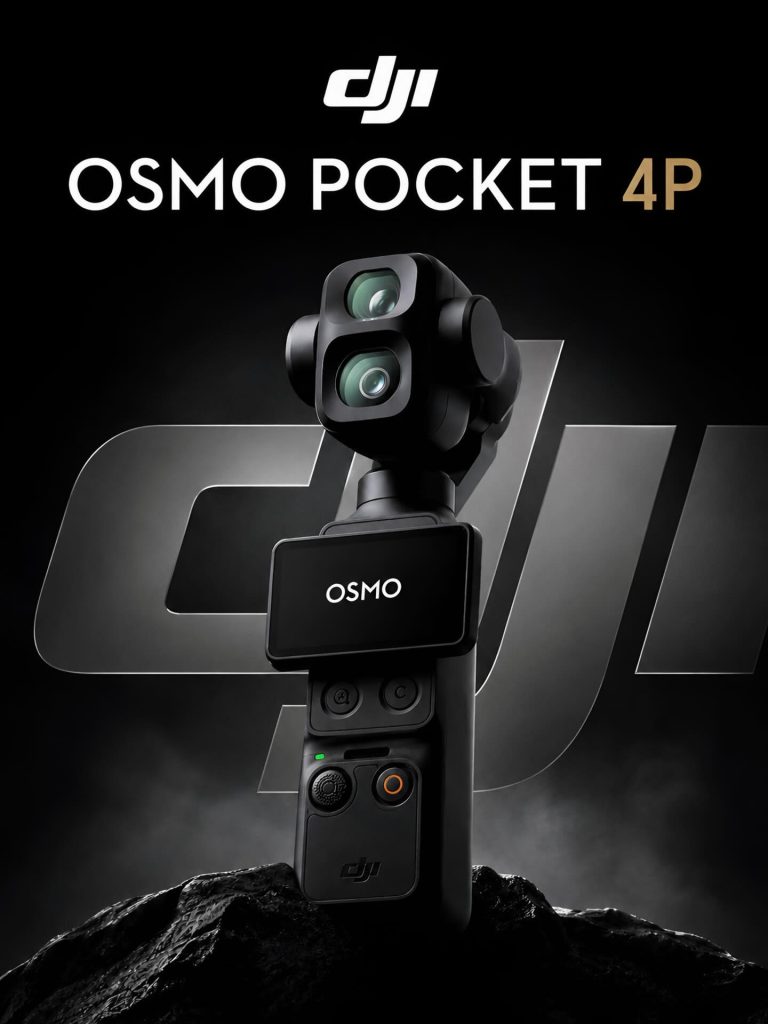
Insta360 Luna Ultra steps up to challenge the DJI Osmo Pocket 4P. When DJI managed to cram dual lenses, a 3-axis mechanical gimbal, 4K at 240fps, and 10-bit D-Log into a body that can be operated entirely with one hand, the pocket gimbal camera race ceased to be just about “compactness.” Instead, it has become about whether a device can compress the shooting rhythm to a point of almost requiring zero thought. The most impressive aspect of this all-in-one approach isn’t the spec sheet itself, but the seamless synergy between lens switching, weight distribution, and the flip-out screen—leaving you with almost no hesitation between powering on, panning, and hitting record.
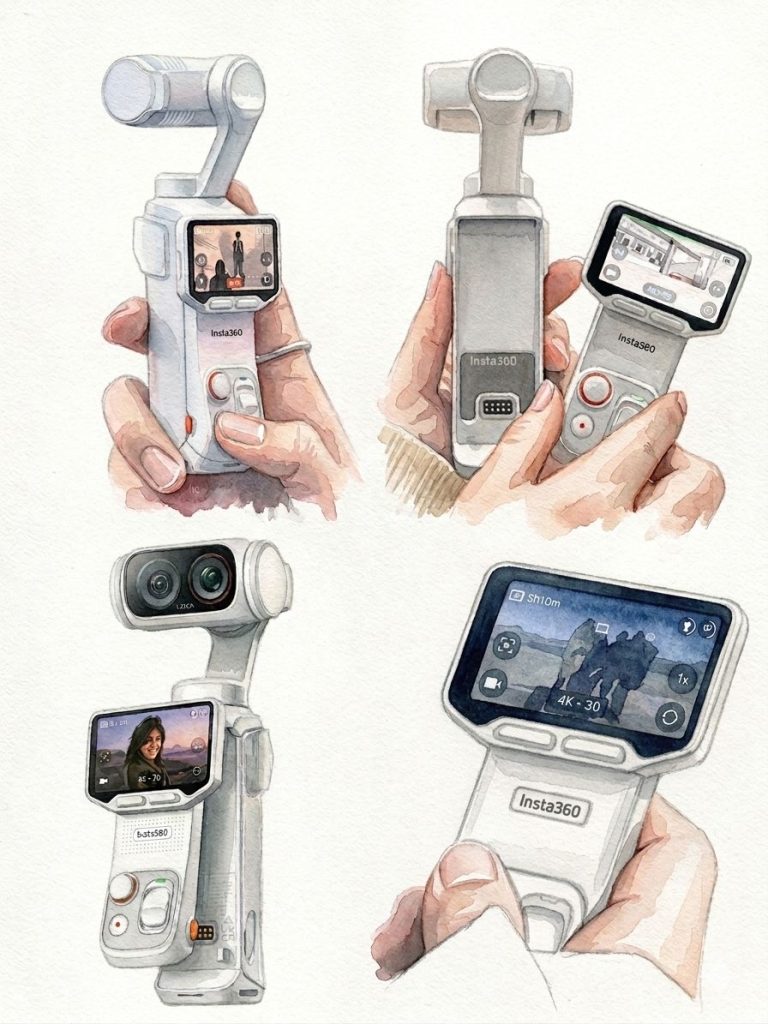
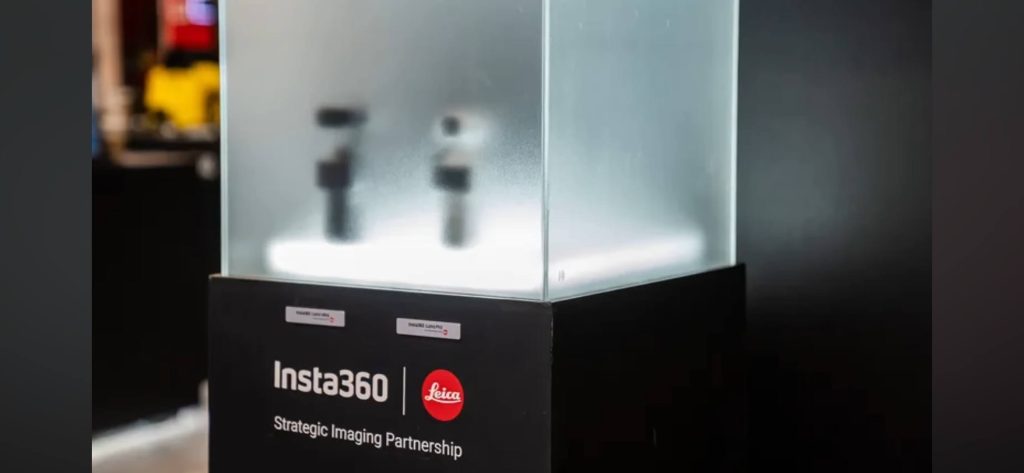
Insta360 Luna Ultra’s response is even more aggressive. Current public information reveals that it packs a Type 1 main sensor, 10-bit iLog, Leica co-branding, and a detachable control/display module into a single product concept, while even teasing 8K video recording. Its strategy isn’t simply to play catch-up with the Pocket series, but to directly rewrite the rulebook of how pocket gimbal cameras are used.
The Pocket 4P is the ultimate tool, culminating from the features and operational workflows of previous Pocket generations, whereas the Luna Ultra feels more like an experimental device that puts framing freedom front and center. The former is perfect for users who want a true “grab-and-shoot” experience without letting the equipment disrupt their creative flow; the latter appeals to those who want to instantly expand their capabilities with remote monitoring, multi-angle shooting, and versatile modular configurations.
What is truly worth paying attention to, however, is the underlying structural philosophy of both devices. An all-in-one dual-lens gimbal tests motor torque, thermal management, and long-term durability. A modular design, on the other hand, must overcome challenges regarding connection reliability, structural integrity, and mass production costs. Until comprehensive teardowns are available, it is still too early to conclude who has executed these foundational engineering tasks more elegantly.
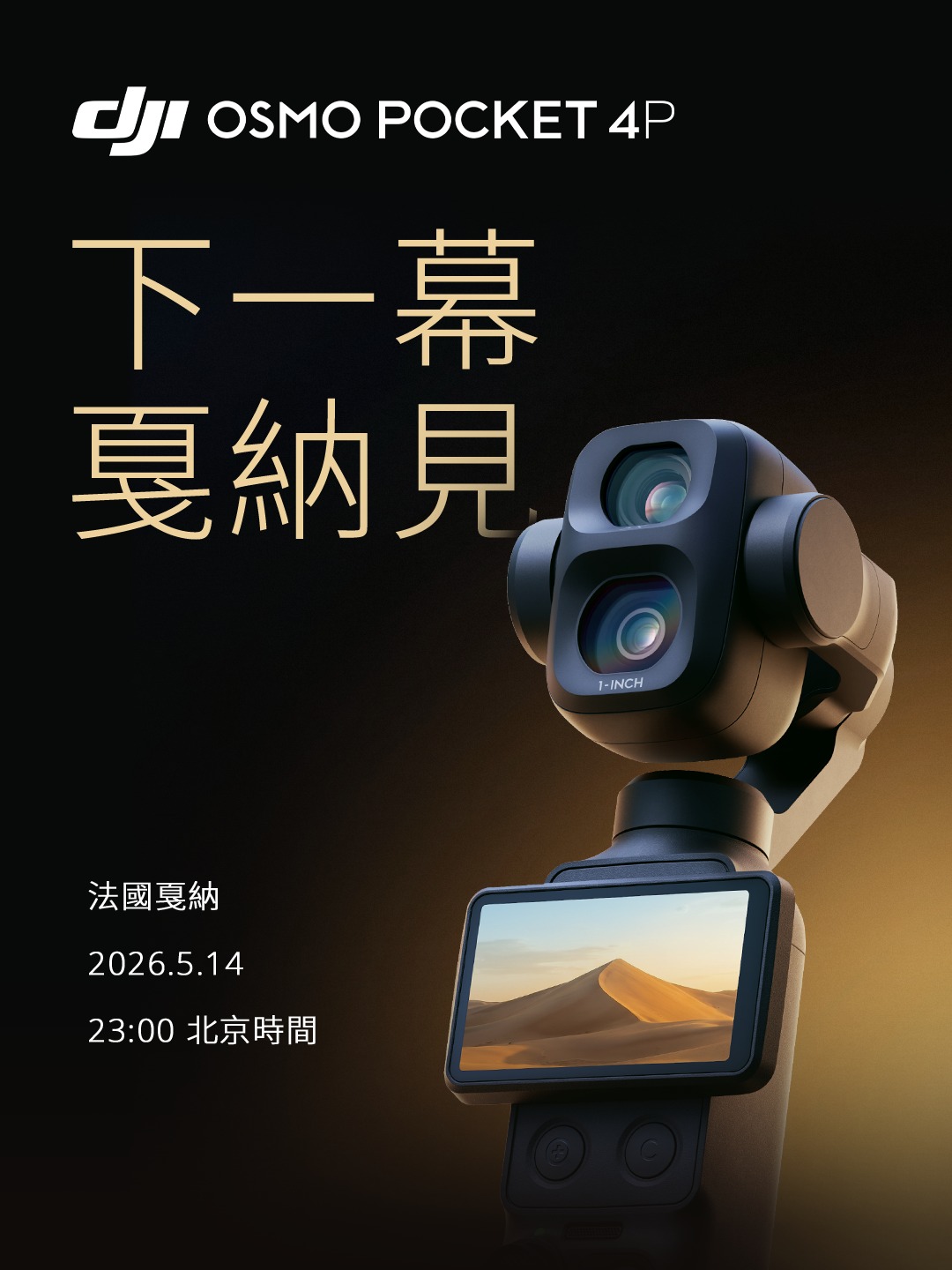
Therefore, the most captivating part of this showdown isn’t merely the 1-inch sensor versus the telephoto lens, nor the numerical crossfire of 4K, 8K, and Log profiles. It is the fact that two companies are answering the exact same question with completely different approaches. Should a pocket gimbal camera lean towards DJI’s focus on cinematic aesthetics and imaging professionalism, or Insta360’s emphasis on creative freedom and versatile playability? Between a “mature system” and “flexible versatility”—both of which have their own distinct advantages—which one would you choose?