AI video tools: Google launches Gemini Omni, more than an editor
AI video tools are moving beyond filters and cuts, Google said at its I/O developer conference, with the company introducing Gemini Omni as a system designed to rewrite video content natively inside YouTube. The company positioned Gemini Omni as a film and scene understanding model that works across text, images, audio, and video, rather than a simple editing accelerator.

From text to video, toward a true world model
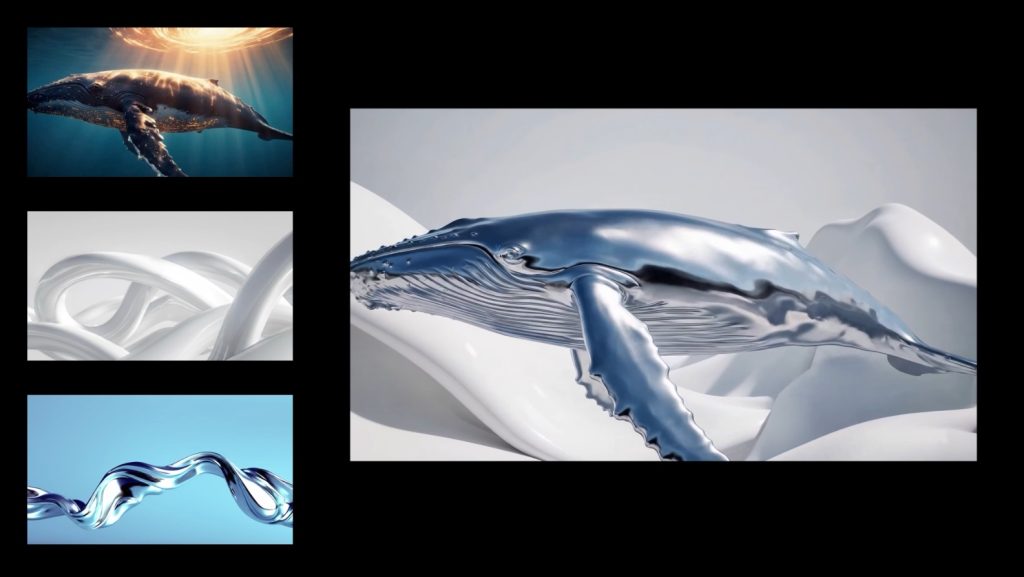
Rather than a stand alone generation toy, Google framed Gemini Omni as a world model that understands physical rules and real world context, the company said. Google said the same approach that powered last year’s Nano Banana demo for images is now applied across a time line so creators can iteratively rewrite a single clip with natural language instructions.
How Gemini Omni differs from Seedance
Seedance focuses on turning short clips into attention grabbing social posts with automated music, choreography, and template effects, a workflow that has been popular inside ByteDance’s TikTok and Douyin ecosystems. By contrast, Google said Gemini Omni emphasizes continuity and scene logic, which Google positioned as better suited for vlogs, documentary style work, brand stories, and early visual development for games and films.
Creators can shoot a real scene once and then use plain language to change lighting, camera moves, or environment while keeping character appearance and physical interactions consistent, Google said. That workflow shifts power upstream to planners and directors: editors will still assemble the final cut, but production teams can prototype multiple versions without reshooting.
Deployment, APIs, and copyright safeguards
Google said it will roll Gemini Omni into its Gemini app and Google Flow for subscribers to Google AI Plus, Pro, and Ultra, and will also integrate the capability into YouTube Shorts and the YouTube Create App. Google added that developers and enterprises can access the model through the Gemini API to build branded cloud services and custom tools.
To address manipulation risks, Google said all Omni generated videos will include an invisible SynthID watermark and support Content Credentials for one click provenance checks. The company said public releases will restrict highly sensitive features, such as arbitrary voice and lip replacement, and will focus on stylization and scene rewriting rather than impersonation.
What this means for creators and platforms
From a platform perspective, Seedance shows how ByteDance turned short form video into a highly automated production line, and Google said Gemini Omni adds a world model layer inside YouTube so creators can apply AI without leaving the platform. That shift makes AI video tools part of the core content workflow, rather than an external add on.
For creators in Hong Kong and elsewhere, the question is no longer whether AI saves time, but when to start experimenting: with Seedance already changing editing pipelines, Google is asking creators to consider using AI video tools to upgrade their next upload on YouTube. Google said the integrated model aims to let creators iterate on style and scene at the platform level, reducing exports and imports across multiple apps.
Google provided the information about Gemini Omni at I/O and in its developer documentation released during the event. For creators weighing the next steps, the company suggested testing smaller stylistic changes first, then layering more ambitious scene rewrites as workflow confidence grows.