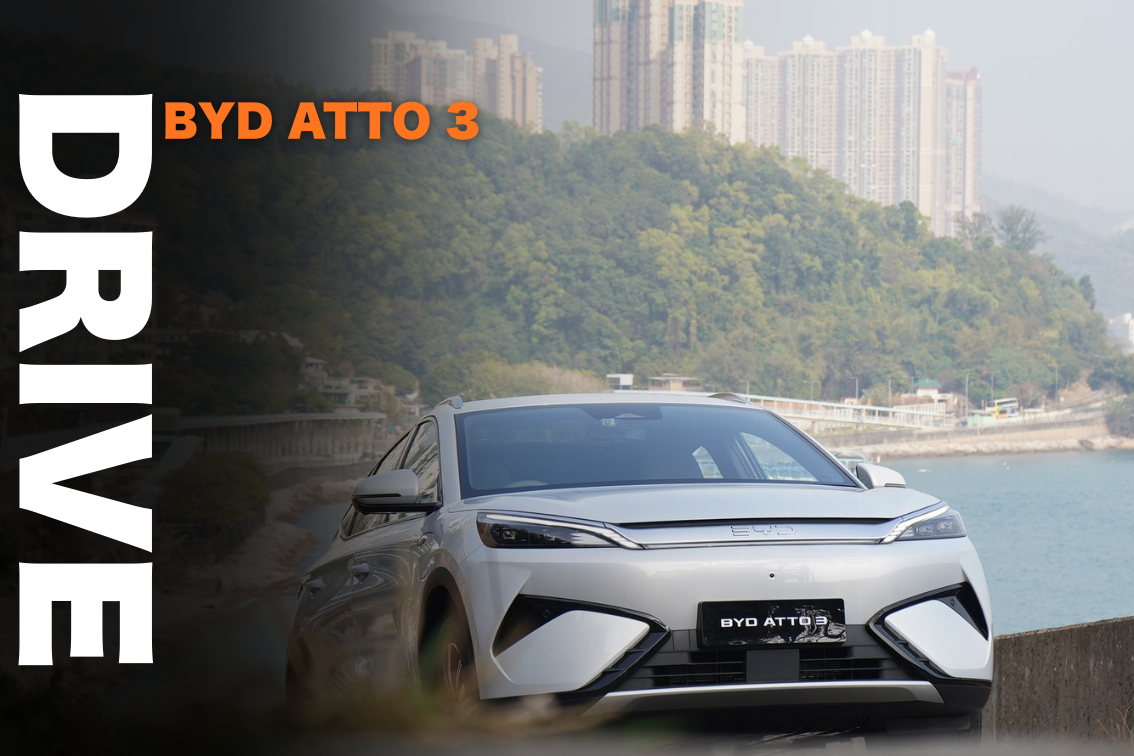
As we step into January 2026, BYD delivers its first new car, and it’s not the one everyone’s been dreaming about (the one I’m talking about is the Seal 06 wagon); instead, it’s the subtly updated ATTO 3. While the changes are indeed minor, the crucial point is that the driving experience has significantly improved. They’ve addressed previous criticisms, enhancing the overall driving quality.
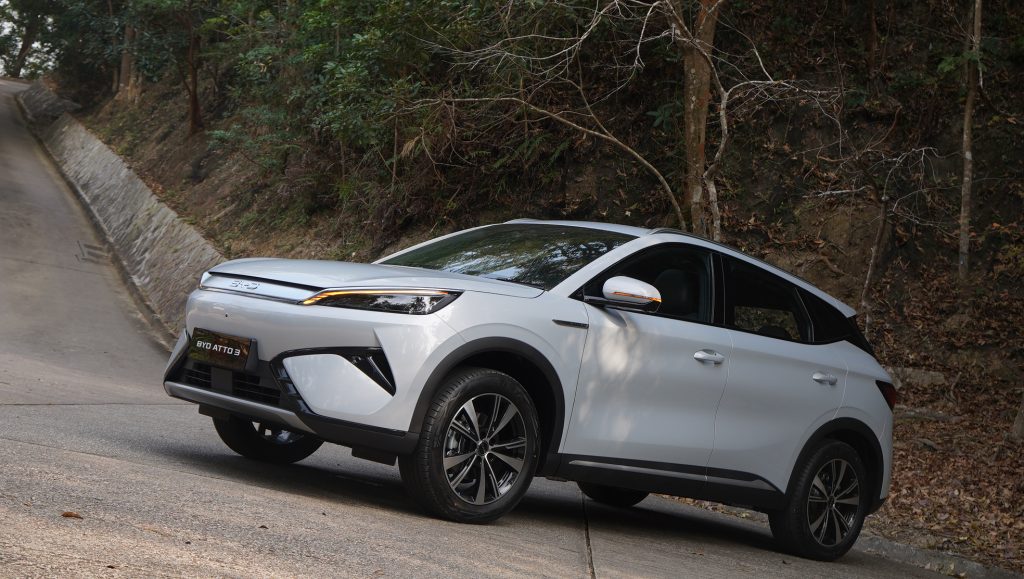
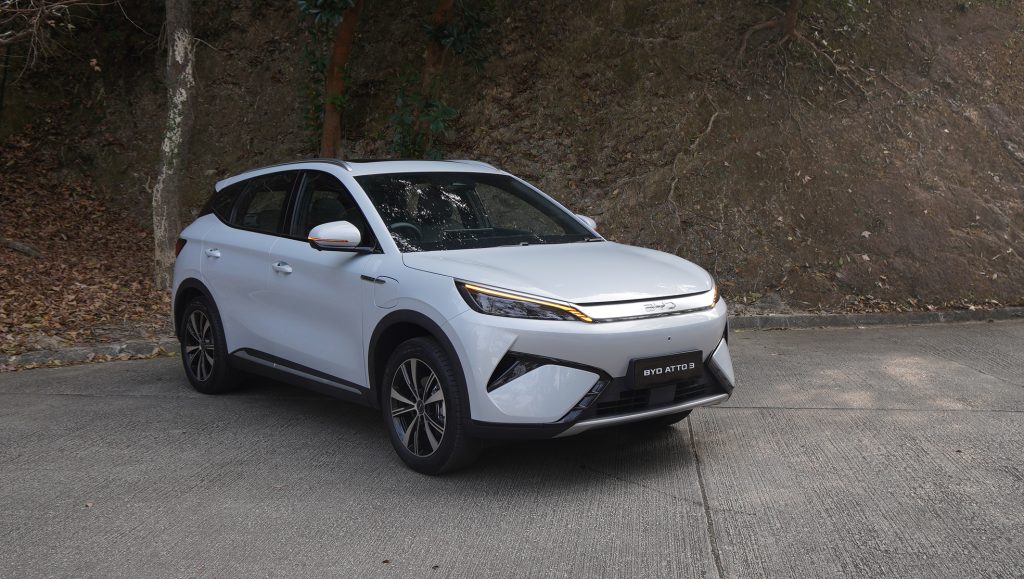
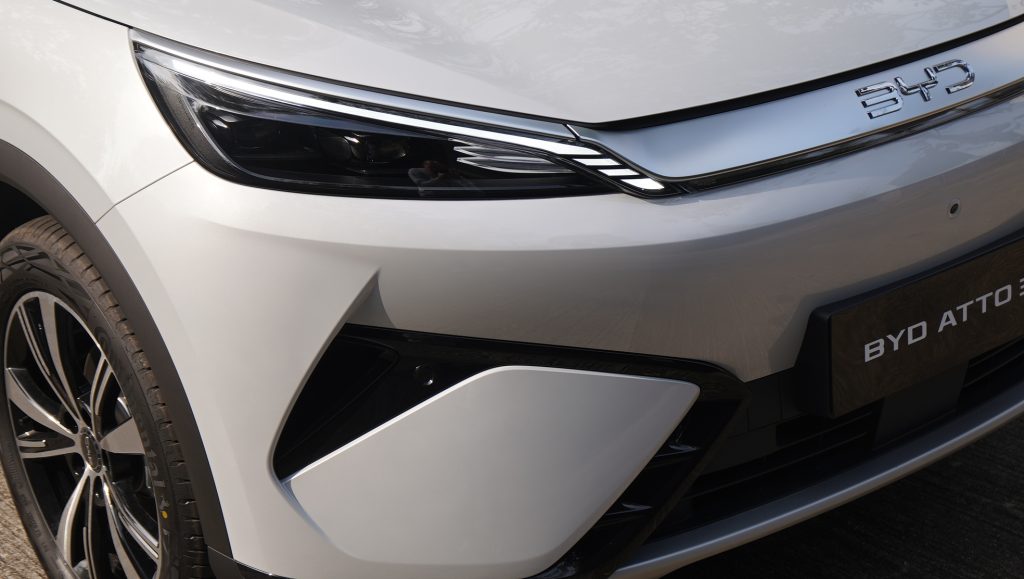
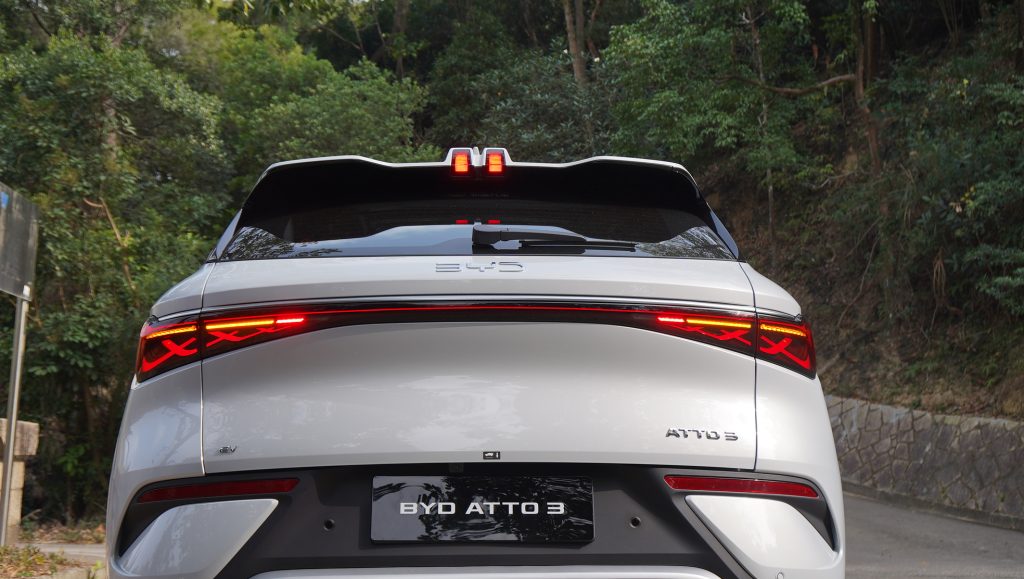
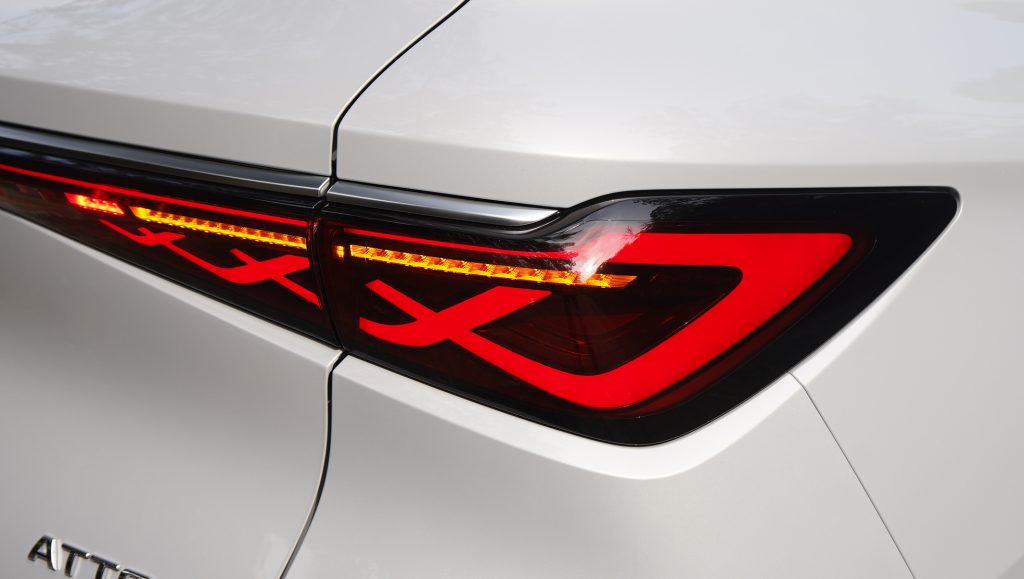
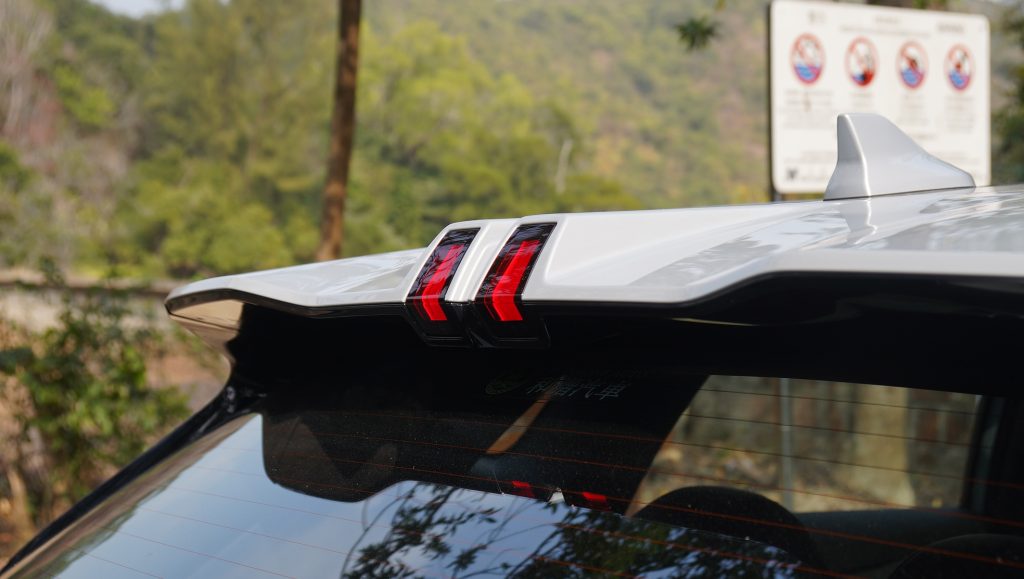
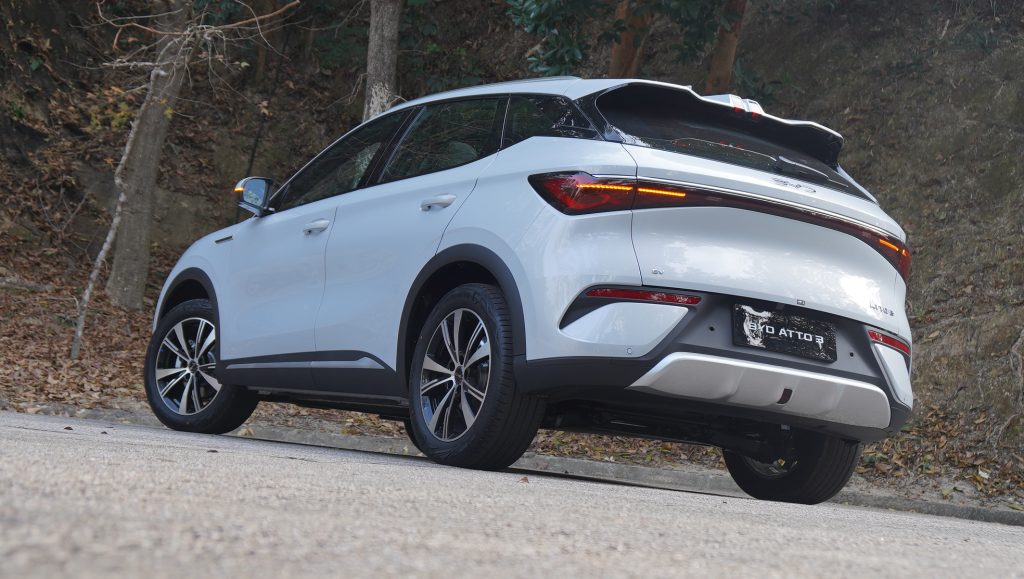
Similar to other automakers’ minor updates, the changes made this time are subtle yet strikingly recognizable at a glance as the new version. Firstly, the shape of the front and rear bumpers has been modified, making them visually more appealing than before. Secondly, the car features a completely redesigned rear spoiler that incorporates two third brake lights, while the entire tail light assembly has been updated to resemble elements from the ATTO 2, with the addition of flowing indicator lights. As a result of these updates, the overall design has clearly adopted a more distinctive personality, or simply put, follows the same family design language as the ATTO 3, which belongs to the BYD Dynasty series.
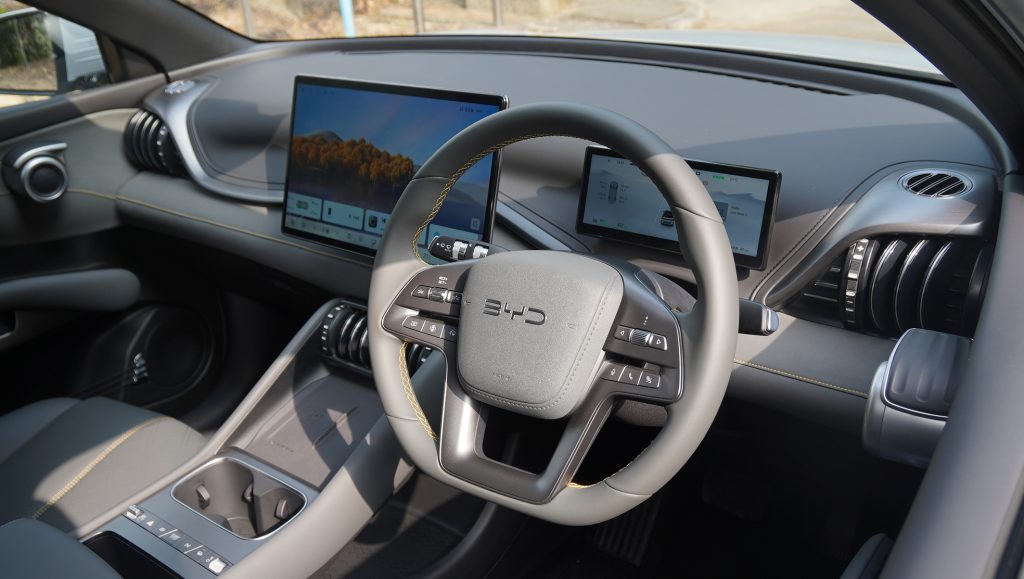
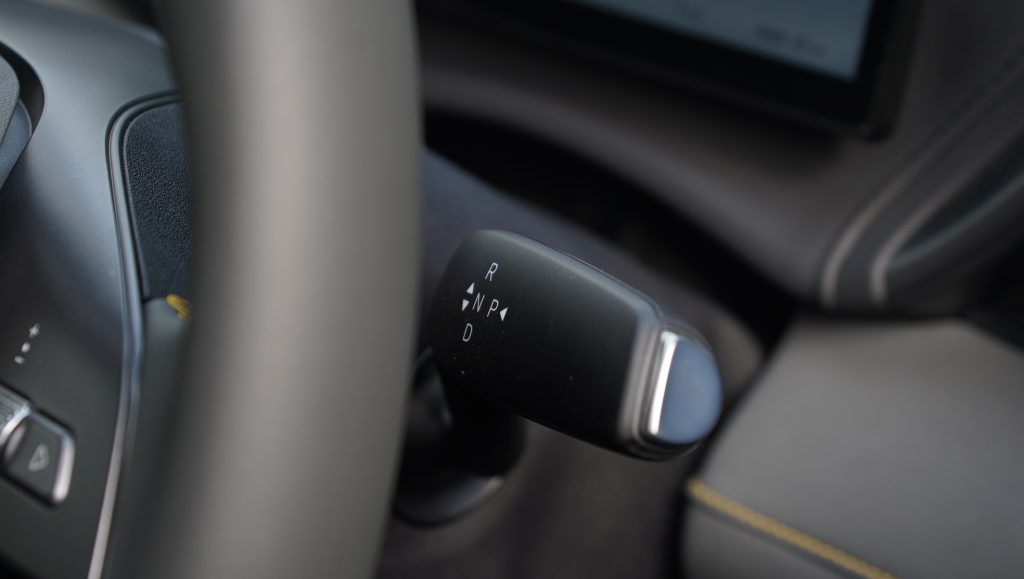
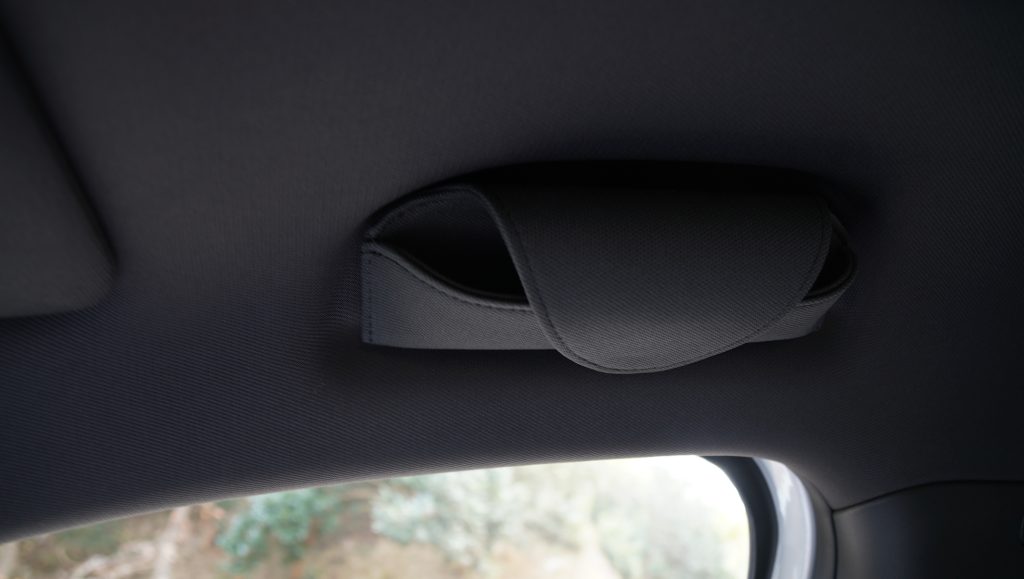
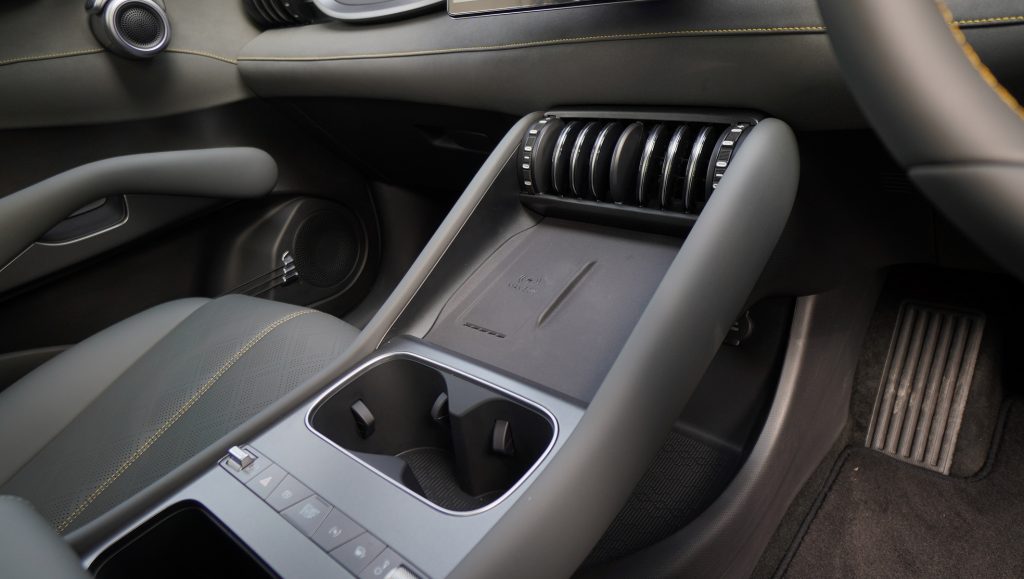
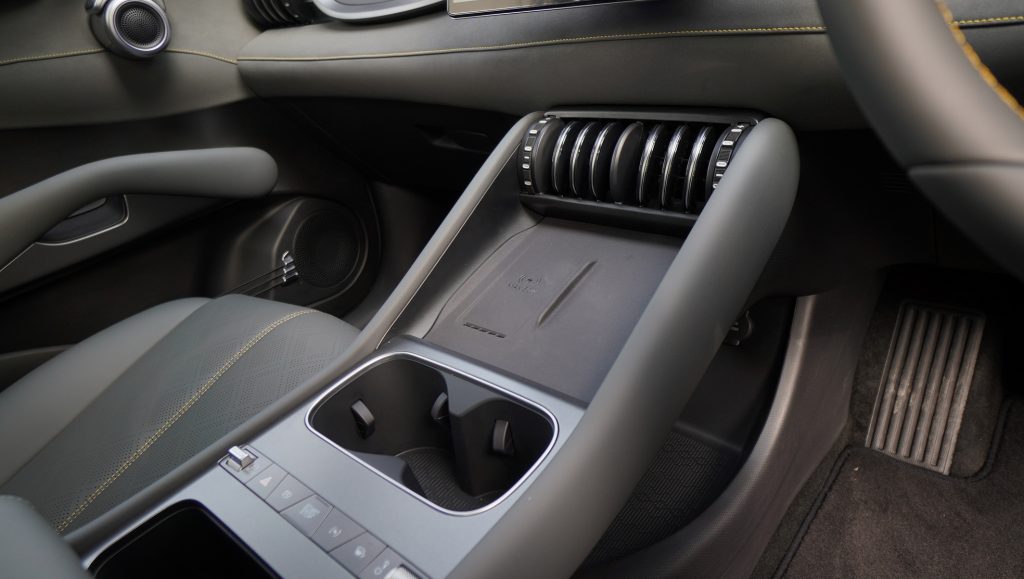
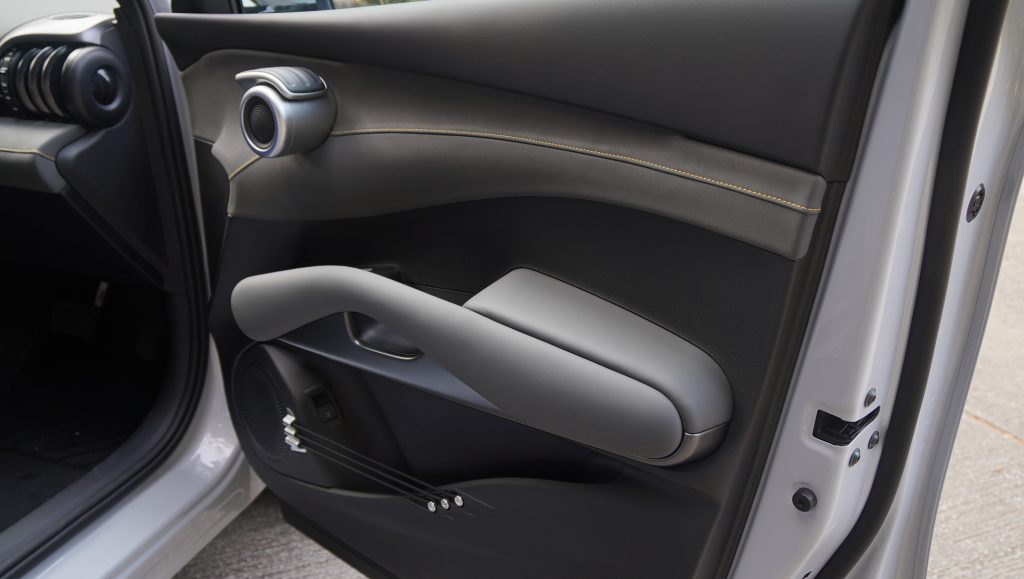
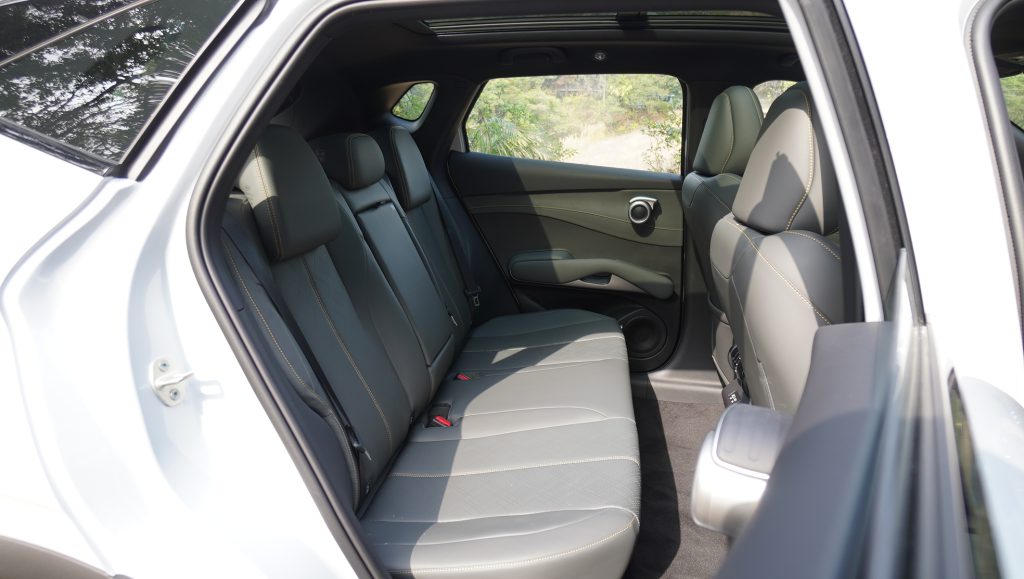
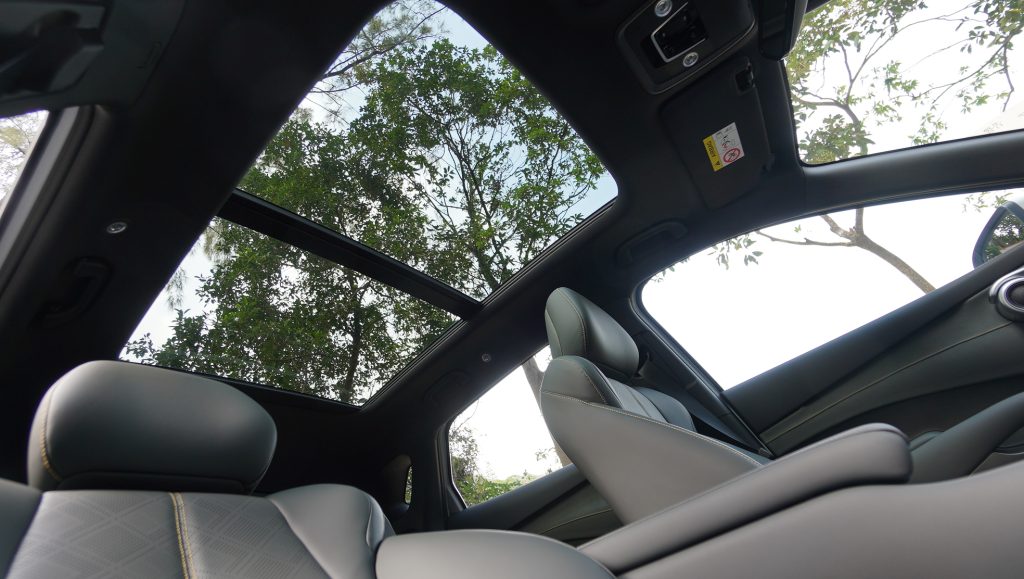
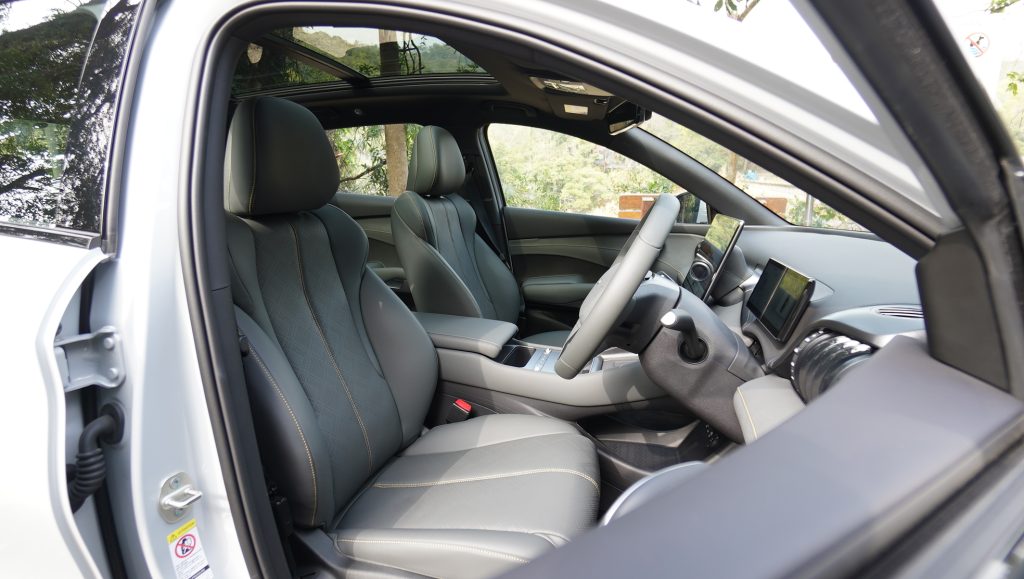
Comparing the changes in the car’s exterior, it seems that the layout of the cabin is the real focus of this update. The basic layout remains largely unchanged, with the CD-shaped air vents still intact, and the guitar string-like design on the door still waiting for you to strum. However, the original red has been swapped for a more sophisticated black, which feels much better. Additionally, the gear stick in the center console has been replaced with an automatic shift lever, speeding up the transition to Drive significantly. The space where the gear stick used to be has now become a spot for your phone, with one side even supporting 50W super-fast charging (complete with a cooling fan). Beyond that, the three-spoke steering wheel has also been reimagined, looking much more appealing (the old version was, well… let’s just say not great), and they’ve added a glasses holder above the driver’s side door, perfect for keeping your Black sunglasses handy, though it’s not as convenient as having it above the rearview mirror. As for other changes, the size of the dashboard display has increased from the previous dice 5 inches to a generous 8.8 inches, offering significantly more reading space. Speaking of the display, the large central screen can no longer rotate after the redesign, a decision made based on feedback from various sources since, let’s face it, after a few rotations, no one would be turning it all the time anyway.
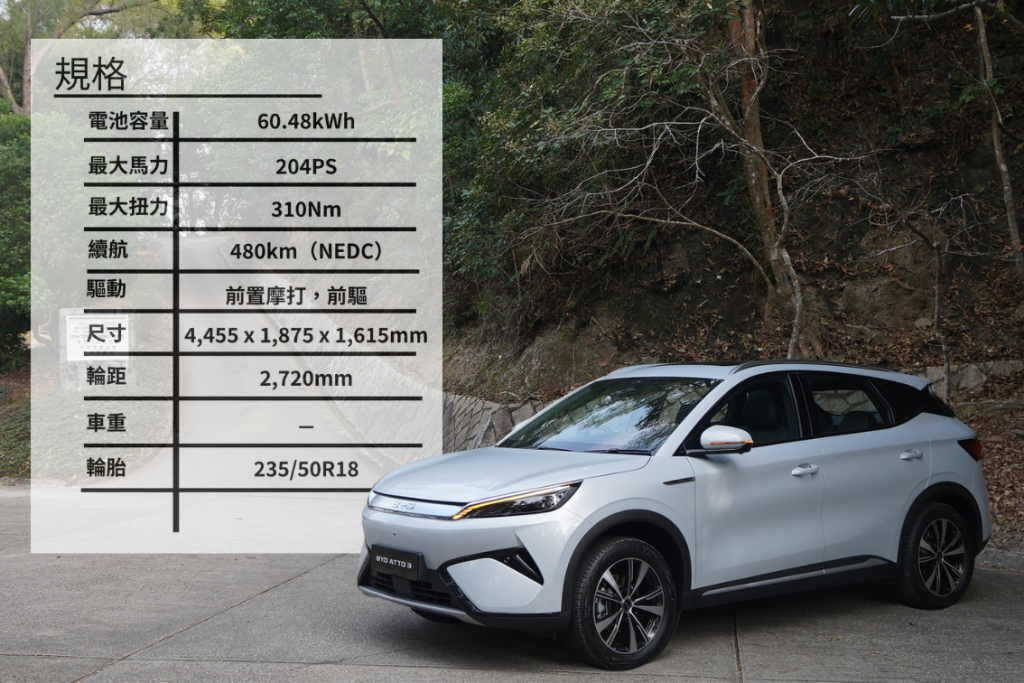
Since this is just a minor facelift, there are no changes to the electrical components. It still features a 60.48 kWh battery paired with a front-mounted single motor, producing 204 horsepower and 310 Nm of torque, with a range of 480 kilometers (NEDC). While the specs remain the same, the maximum charging power (DC fast charging) has increased from 88 kW to 105 kW. This means charging times will be slightly quicker. Based on its battery capacity, charging from 20% to 80% is now about 4 minutes faster, which is a 16% improvement compared to the previous model.
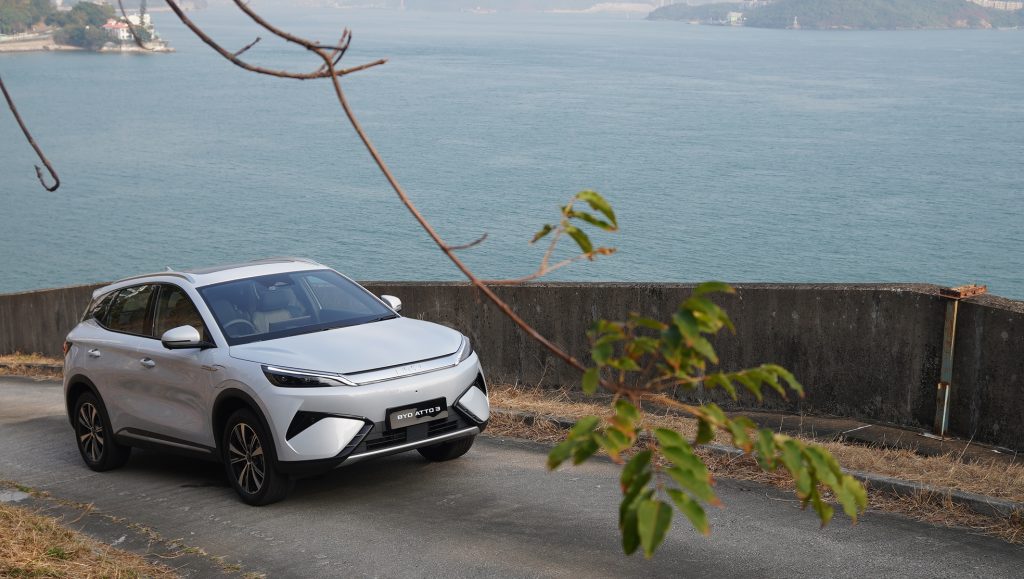
Before starting the drive, I didn’t have any expectations for significant changes, but within just five minutes, I could feel a noticeable difference. First of all, the overall driving experience feels much sturdier, exuding a high-end quality that I couldn’t sense in the previous ATTO 3. This improved significantly, especially in terms of how it handles bumpy roads and body roll; it’s definitely a major upgrade, erasing that previous boat-like sensation. Secondly, the sound insulation seems to have improved as well. Although it’s still single-layer glass, most of the noise from outside the car is effectively blocked out. After taking it for a spin, it’s clear that even though this is just a minor update, the overall driving quality has clearly improved a lot, filling in nearly all of the gaps that were previously seen as areas for improvement!