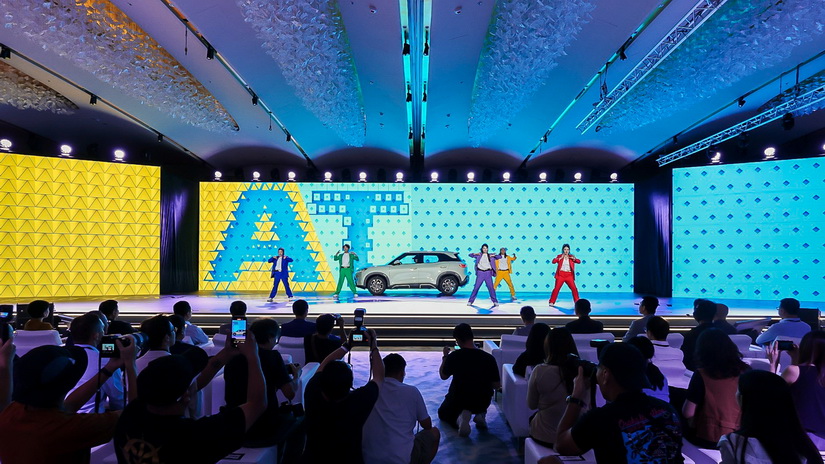
BYD recently held a grand launch event in Hong Kong themed around Urban Vibes • Instant Activation | Trendy Life • A New Beginning, officially introducing the all-new ATTO 2 to the Hong Kong market. This isn’t just the debut of a new car; it marks a significant milestone in the brand’s 20-year development in Hong Kong. From their first electric bus to becoming the market champion, BYD has rewritten the transportation landscape in Hong Kong with its ecosystem approach, high cost-effectiveness, and ongoing innovation, all while facing a new wave of competitive challenges. In the first half of 2025, the brand recorded total sales of 5,393 units in Hong Kong, surpassing Tesla for the first time to become the top-selling newly registered electric vehicle brand in the region. Positioned as the strategic model of the year, the ATTO 2 specifically targets first-time buyers and young consumers with its affordable pricing, urban-friendly design, and comprehensive smart features—marking a key step in the brand’s expansion into the entry-level pure electric SUV segment.
Precise Positioning: From Market Insights to Lifestyle Experiences
The ATTO 2 is an all-electric SUV crafted specifically for the local Hong Kong market, developed by BYD after thorough research into local preferences. The brand is clearly targeting the younger consumer demographic—not just by launching a car, but by aiming to seamlessly integrate the driving experience into everyday life.
Price: HKD 169,800 (tax included). With a unique Battery core lifetime warranty and a warranty service that spans the Greater Bay Area, plus Follow the car, not the person.’s warranty model, even if the vehicle changes hands, the warranty benefits are transferable, enhancing the resale value significantly. For young professionals earning around HKD 20,000 to 30,000 a month, or newlyweds starting their life together, it was almost impossible to own a mid-range fuel SUV at this price point in the past. Now, they can afford a smart electric SUV with a range of 410 kilometers, which can be charged to 80% in just 38 minutes. It’s not only cost-effective but also fully equipped for everyday needs, effortlessly covering everything from family outings to outdoor adventures, making it truly irresistible.
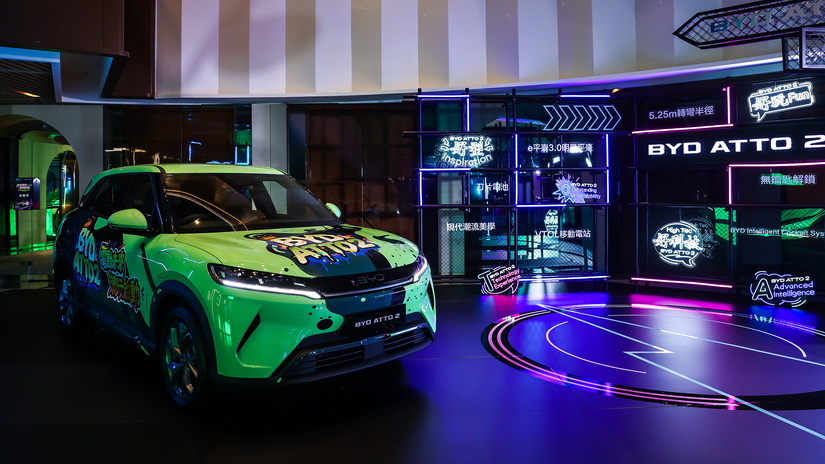
In terms of safety, the entire range is equipped with BYD’s patented Blade Battery, featuring a body made of 80.2% high-strength steel and a multi-layer collision energy absorption structure that enhances occupant protection. The design is optimized for Hong Kong’s road conditions—boasting a minimum turning radius of 5.25 meters to easily navigate narrow streets in older districts and parking lots. Plus, with a 2,620mm wheelbase and a trunk space expandable to 1,320 liters, it’s perfect for daily commuting and carrying gear for family weekend outings.
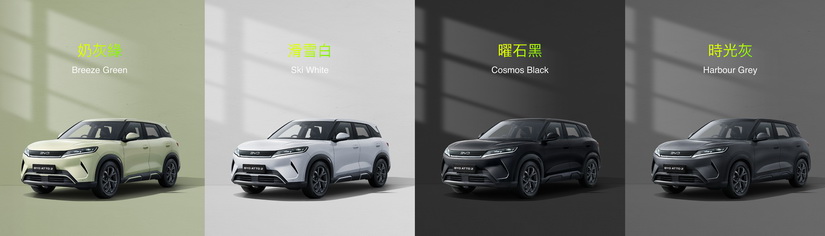
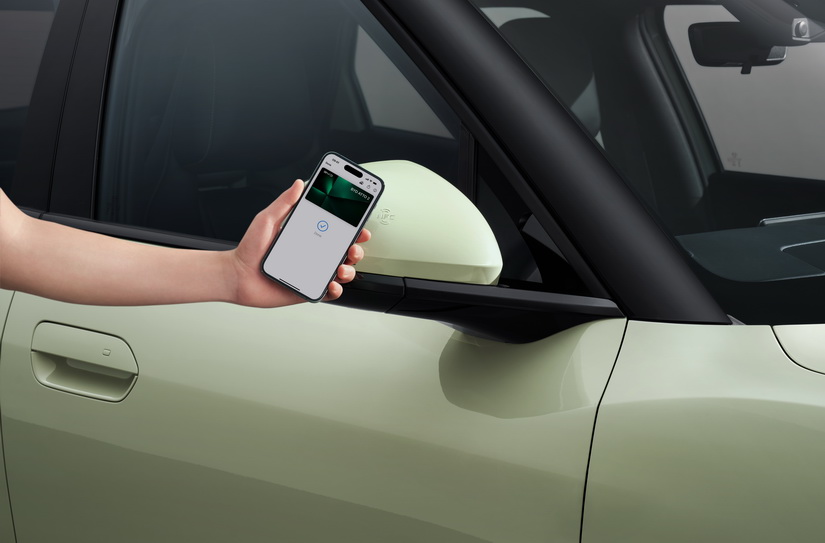
The exterior design is led by global design director Wolfgang Egger, continuing the dragon elements while incorporating trendy details: dragon beard-style LED headlights, Chinese knot tail lights, semi-hidden door handles, and rotating spoke wheel hubs. It comes in four colors—Milk Ash Green, Dudu White, Obsidian Black, and Time Grey—allowing drivers to express their style on the road. The ATTO 2 is equipped with NFC mobile car keys, voice control, remote operation, and VTOL external power capabilities, making it perfect for camping, picnics, and other activities. Compared to other SUVs in the same price range, it clearly stands out in terms of smart technology, convenience of lifestyle, and after-sales support.
We also had a conversation with Liu Xueliang, the General Manager of BYD Asia Pacific Automotive Sales Division. He shared his observations on the Hong Kong market, what he thinks is the coolest aspect of the brand, and his personal experiences driving BYD on a daily basis. Through his insights, we can gain a clearer understanding of the product design logic and market positioning of the ATTO 2.
Not just selling cars, but also building a blueprint for a new energy city.
ATTO 2 is just part of BYD’s The all-scenario new energy travel ecosystem.. The brand’s presence in Hong Kong encompasses various transportation scenarios across land, sea, and air, equipped with dedicated fast charging stations. Port logistics vehicles and airport shuttle buses have been fully electrified. The Cloud Bar elevated autonomous electric train project is being discussed for implementation in new towns and the Northern Commercial Area near the airport. New energy ferries and port vessels are also currently under development.
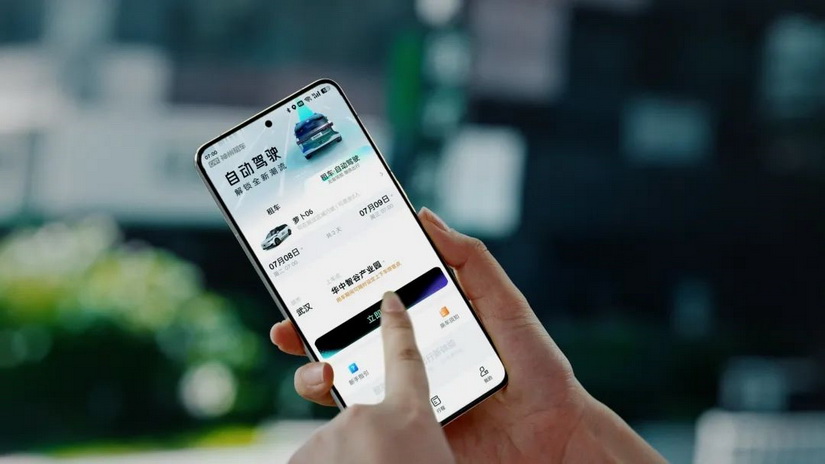
BYD isn’t just about selling cars; it intertwines automotive innovation with everyday life, seamlessly integrating electric vehicles into daily consumer experiences. In collaboration with China’s largest car rental platform Shenzhou Car Rental (Car Inc.), they’ve included models Qin PLUS DM-i and Fang Cheng Bao Bao 8 in a nationwide fleet of 160,000 rental vehicles across 300 cities. In Singapore, they’ve created a themed dining hall BYD by 1826 in a core shopping mall, featuring dishes inspired by their car series to attract young families, which led to a threefold increase in foot traffic. Partnering with Southeast Asian mobility giant Grab, they’ve deployed M6 Seven-Seater Electric Vehicle Exclusive Fleet at Kuala Lumpur International Airport to provide airport pickup and drop-off services. At the same time, they are expanding smart living scenarios: the in-car DiLink system supports voice control of Midea smart appliances (such as Hello Xiao Di, turn on the air conditioning at home.), enabling seamless connectivity between the car and home. Moreover, by collaborating with OPPO on Hand-car interconnection technology, users can remotely control vehicle locks and pre-cool the cabin with their smartphones.
Twenty Years of Experience in Hong Kong: From Experimentation to Leadership
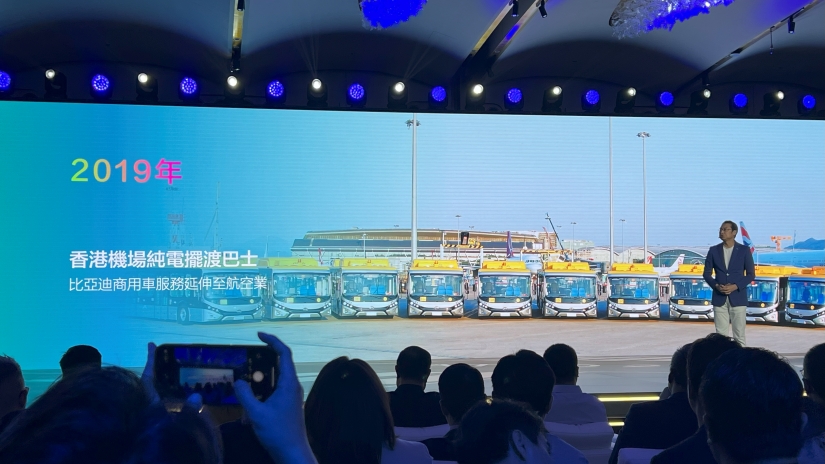
BYD made its debut in the Hong Kong market in 2005, teaming up with KMB, Hong Kong International Airport, and Disneyland to introduce the first batch of electric buses and onsite transport vehicles, cutting carbon emissions by over 1,000 tons annually. By 2009, the number of electric buses in operation surpassed 100; in 2013, the e6 electric taxi was launched, and a pilot for a pure electric shuttle bus was initiated on Lantau Island, demonstrating its reliability even in long-distance mountain routes and high-load environments. In 2015, the K9 electric bus was officially deployed on the 25A route; by 2019, pure electric shuttle buses were fully introduced at Hong Kong International Airport; and in 2022, the ATTO 3 landed in Hong Kong, becoming a best-seller in the pure electric SUV market.
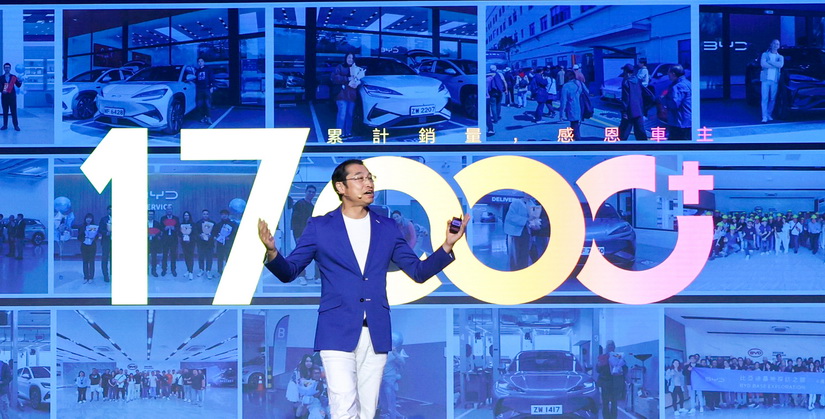
In the beginning, the brand faced challenges such as mismatched vehicle dimensions with the narrow streets of Hong Kong, insufficient charging infrastructure, and its image being perceived as Localization. However, BYD gradually adjusted its strategy: introducing compact models optimized for urban environments, collaborating with energy companies to expand the fast charging network, enhancing localized after-sales service, and establishing the BYD Family community based on the Sell a car, make a friend. concept. They regularly host camping days and family test drive events, ensuring that car owners feel a continuous sense of care from the moment they purchase their vehicle to their usage experience.
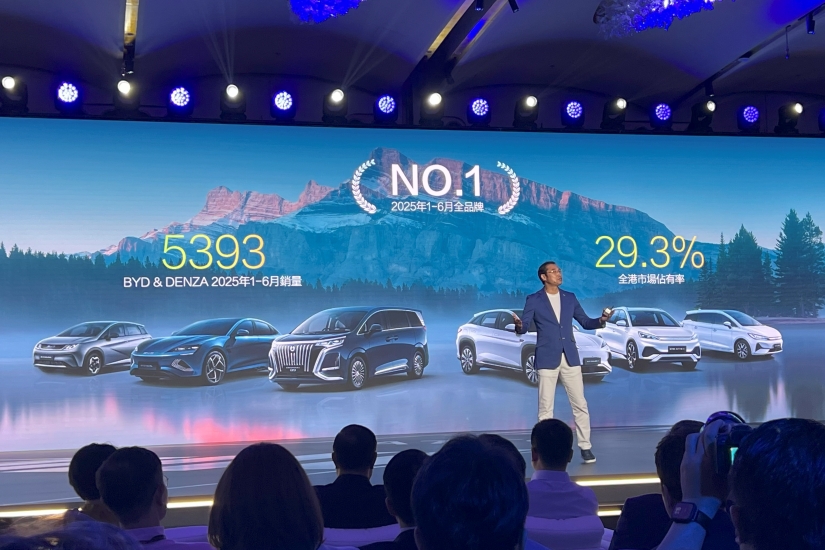
These long-term investments in product adaptation, infrastructure collaboration, and community engagement have laid a solid foundation for BYD after its entry into the private market. By the end of 2024, the brand’s market share in Hong Kong reached 27%, with further growth to 29.3% in the first half of 2025, marking three consecutive quarters of growth and achieving a successful foothold in both the high-end and entry-level markets Double Line Lead.
Facing Challenges: Choosing Healthy Growth in Industry Ecosystems
In recent years, Chinese electric vehicle brands like NIO, XPeng, and Great Wall’s Ora have made their foray into Hong Kong, each carving out a niche in the market with luxury, smart driving, or unique designs. BYD, on the other hand, anchors itself in an engineer-driven culture that emphasizes the balance between technological advancement and product practicality. The brand has invested time in understanding the Hong Kong market, analyzing user needs—from the characteristics of urban roads to family car habits—all of which are integrated into their design approach. Their strength lies in offering a comprehensive product line that spans from entry-level models to high-end SUVs and public transport vehicles, alongside proprietary battery and motor technologies, scale production, and a robust after-sales service network.
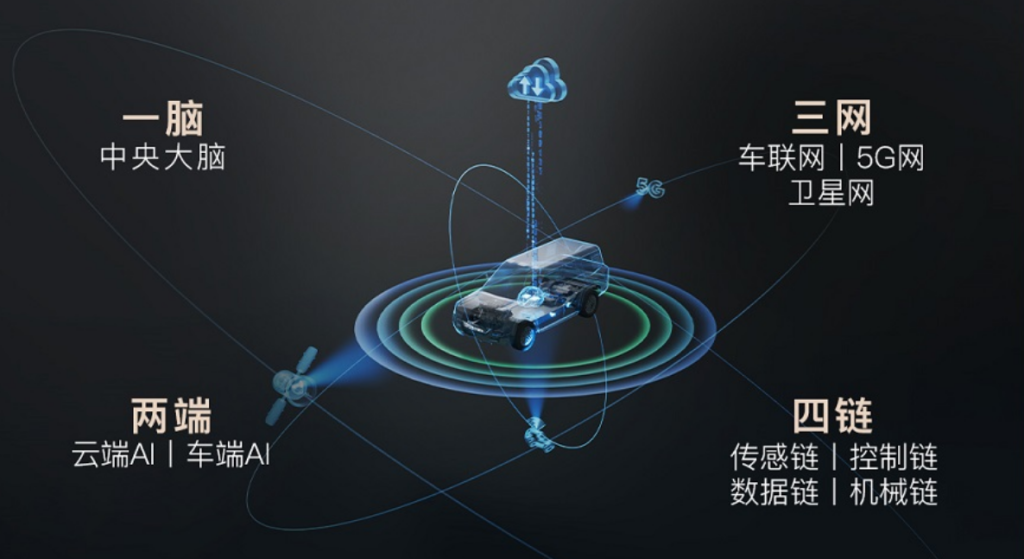
As advanced intelligent driving and software experiences become the new standard, BYD is accelerating its technological upgrades to enhance smart applications in urban driving scenarios. The brand doesn’t view competition as a threat; instead, it focuses on promoting the healthy development of the overall ecosystem. They believe that the inclusion of more high-quality brands will contribute to the maturity of the industry, ultimately benefiting users in Hong Kong.
Policy Promotion: Market Accelerating Growth
The Hong Kong government has set a target to complete 200,000 charging facilities by 2027 and to ban the registration of new fossil fuel private cars by 2035. The tax relief plan allows car owners to save up to 287,500 HKD. As of the end of June 2025, over 60,000 fossil fuel vehicles have been retired through this plan, with nearly 30% being swapped for BYD models. The government’s Electric Vehicle Charging Infrastructure Scheme (EHSS) has approved the installation of charging facilities in more than 700 housing estates, covering over 170,000 parking spaces. BYD has also deployed fast chargers specifically for blade batteries in some estates, increasing charging power by 30%.
In the realm of public transportation, the Transport Department plans to increase the proportion of electric buses for KMB and Citybus to 50% by 2028, aiming for complete zero emissions by 2035. BYD currently holds a dominant market share of 68% in KMB’s electric buses and supplies 80% of the vehicles in the New Territories’ electric minibus trials, demonstrating a high alignment between policy and corporate strategy.
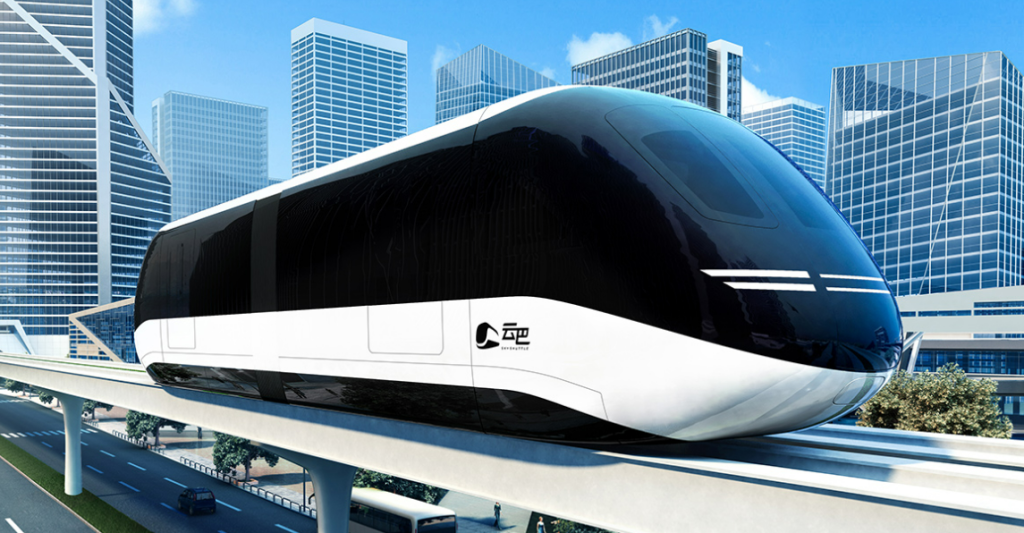
At the same time, Policy Address has proposed research into introducing intelligent green public transport systems in certain areas, covering options such as Cloud Bar, Smart Rail, and Bus Rapid Transit System. Among these, the autonomous high-rise train developed by BYD, Cloud Bar, features rubber wheels and an electric drive system, and boasts characteristics like low noise, zero emissions, and a short construction period, making it suitable for medium to short-distance urban transport needs in high-density passenger traffic. Liu Xueliang revealed that the Yunba project has been in ongoing communication with relevant departments in Hong Kong, with hopes of being applied in new development areas such as Kai Tak, East Kowloon, and Hung Shui Kiu, describing it as Bringing electric buses to the skies., which will complement ground transportation and has the potential to become a new hallmark of Hong Kong’s tech-driven green transport.