Rolls-Royce Motor Cars has announced the centenary of the Phantom, themed around Art and Inspiration, reflecting on how this flagship vehicle has served as a source of inspiration for artists and collectors alike. The brand notes that the history of the eighth generation Phantom has witnessed countless cultural moments, serving not just as a luxury car but also as a part of art history.
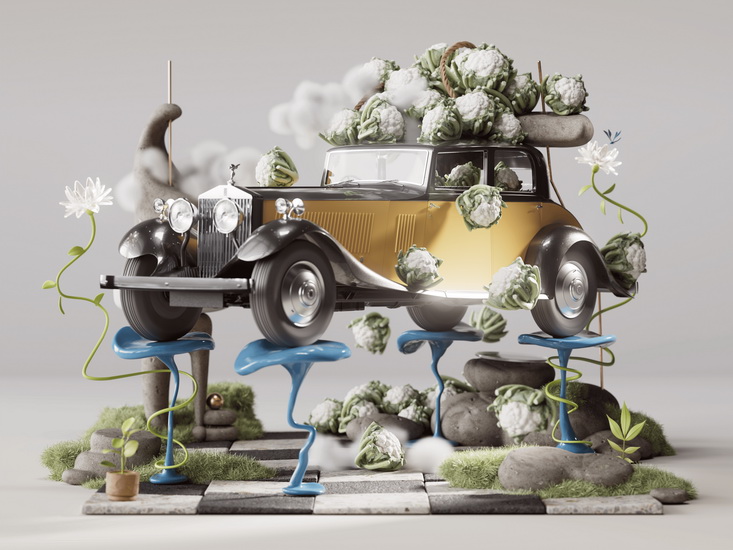
One of the most famous examples comes from the surrealism master Salvador Dalí. In 1955, during a speech at the Sorbonne in Paris, he made an entrance in a yellow and black Phantom, the interior piled high with 500 kilograms of cauliflower. When the car door swung open, the vegetables poured out, shocking the audience of around 2,000. This act became a classic in the art world, symbolizing how the Phantom could ignite dramatic sparks of creativity.

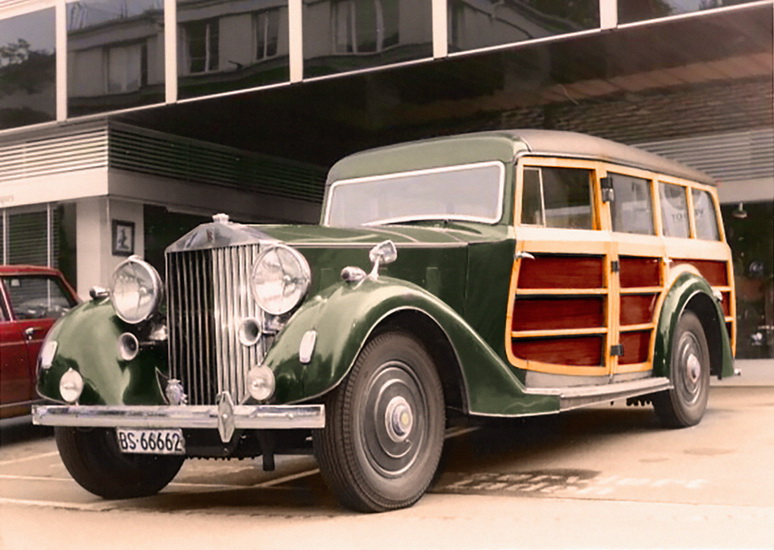
Another iconic story comes from pop art legend Andy Warhol. He once owned a 1937 Phantom, which he converted into a station wagon in the 1940s. In the 1970s, he bought it back from Switzerland and brought it to New York, later reselling it to a friend. Warhol’s collection and artistic style helped the Phantom further enter the realm of contemporary art, marking it as a symbol of the era.
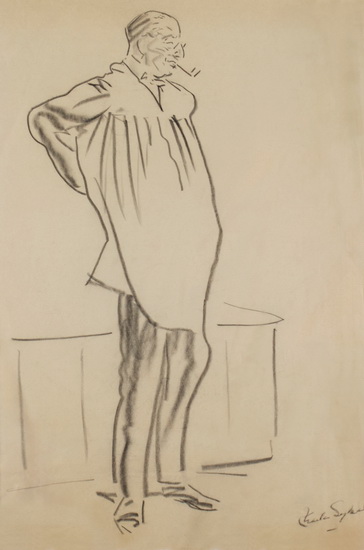
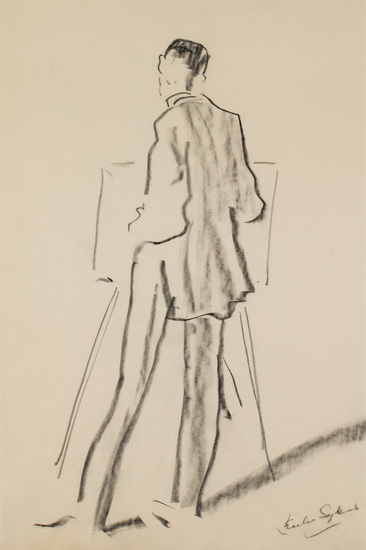
The artistic status of the Phantom isn’t just rooted in its legends but is deeply embedded in its iconic hood ornament Spirit of Ecstasy. Designed by Charles Robinson Sykes in 1911, this sculpture captures both motion and elegance with its streamlined form, and it remains an inseparable symbol of the brand to this day. Sykes personally oversaw the creation of the ornament for many years afterward, ensuring that each Phantom carries the artist’s distinctive touch.
The Phantom isn’t just parked in private garages; it has also been showcased at prestigious locations like the Saatchi Gallery in London and the Smithsonian Design Museum in New York. These exhibitions further confirm that the Phantom has transcended its identity as a mere vehicle to become an art piece and a cultural symbol.
The brand further points out that Rolls-Royce Motor Cars, based in Goodwood, England, produces its vehicles with the craftsmanship of over 2,500 skilled artisans, making a significant contribution to the local economy. The centenary of the Phantom not only marks the intersection of craftsmanship and art but also reflects how, over a century, it has continued to influence culture and creativity.