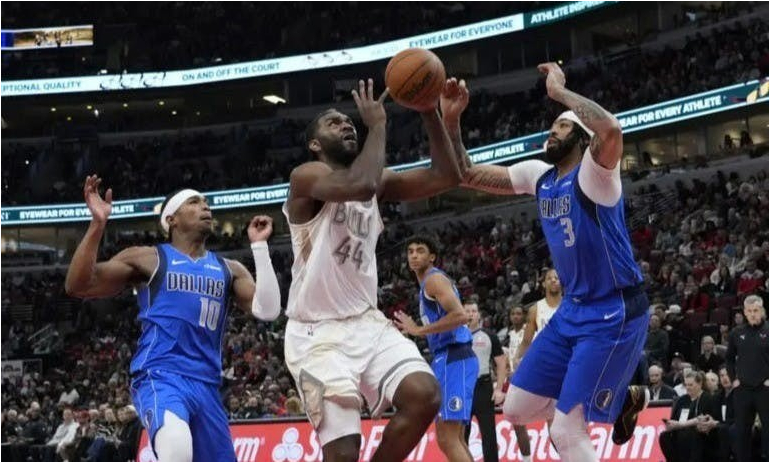
This season, the Chicago Bulls have performed relatively well in the regular season, exceeding expectations and showcasing their competitiveness. Meanwhile, the Dallas Mavericks are facing various challenges, sparking trade rumors. Anthony Davis, who hails from Chicago, has been mentioned once again, appearing to have the chance to return to the Bulls through a trade.
Reflecting on the Bulls’ performance in games six through ten of the regular season, despite the less than stellar results marked by several losses, there are numerous positives to highlight, especially when considering the strength of their opponents and the true competitiveness of the matchups. At this point, the possibility of a trade for Davis is once again being discussed, reminding us of his shining legacy in winning the championship with the Lakers.
Before delving into the reasons behind the trade for Davis, it’s crucial to grasp the current situation of the Dallas Mavericks and their plans for the future. If the Bulls manage to acquire Davis mid-season, it won’t just boost the team’s depth; it will also set them on the path to becoming title contenders in three years. At present, the Bulls hold a significant number of first-round draft picks and the 2026 pick from the Portland Trail Blazers, positioning them advantageously for the trade.
Moreover, the salary space that the Bulls will have in 2026, along with the contracts set to expire, will allow them to pursue the right pieces for trades. Even though Davis joining during the season might impact their short-term salary advantage, it will enable them to focus on key signings in the summer of 2026. Additionally, Davis’s presence could draw more attention from other players, boosting the competitiveness of the Bulls.
Whether the Dallas Mavericks will consider trading Davis with the Bulls will largely depend on their future plans for the player. If the Mavericks want to maintain their competitiveness, it’s likely they won’t let go of Davis easily; on the flip side, if they decide to begin a rebuild, they may swiftly assess the most valuable offers available on the market. The Mavericks’ strategy will influence the negotiation landscape, and the Bulls need to be well prepared for it.
When assessing Davis’s trade value, his injury history cannot be overlooked, as it will directly affect the deals on the table. In this scenario, the success of the Bulls’ negotiations will crucially depend on the terms offered, especially if they surpass those from other potential competitors.
Although Davis’s trade doesn’t guarantee that the Bulls will become title contenders right away, it can help them attract more All-Star players in the coming years, thus achieving their goal of becoming a powerhouse in the Eastern Conference. For this to happen, the key lies in how to effectively utilize Davis’s contract and the future opportunities.