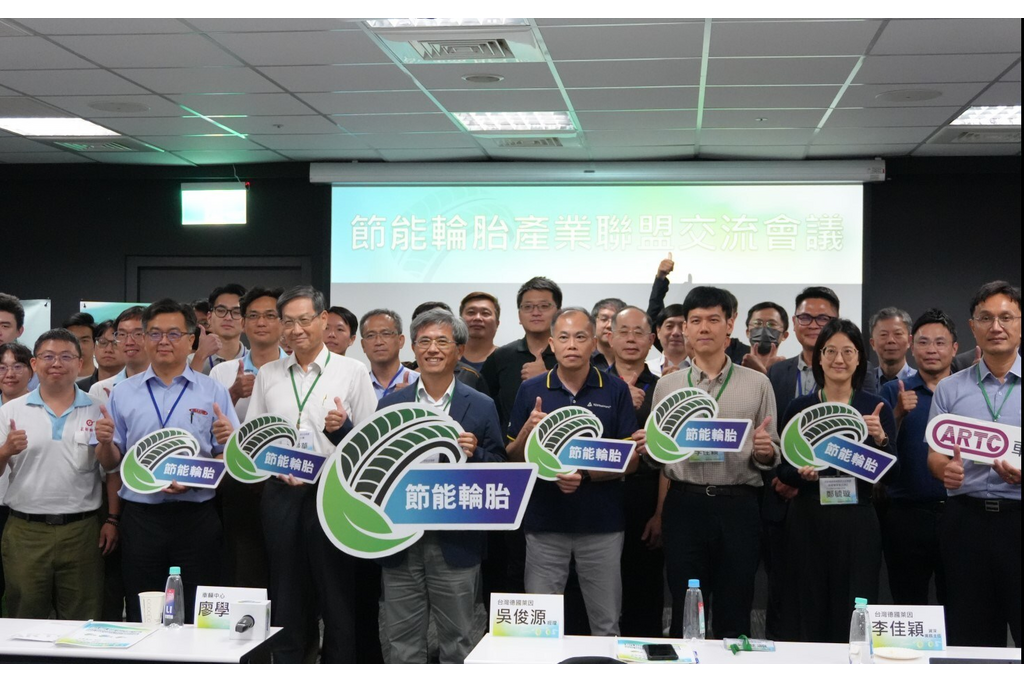
Recently, Germany’s Rhein introduced its unique tire performance testing standard (2PfG CH 03252) at a seminar focused on tire performance. This standard is based on international and industry benchmarks, taking a comprehensive look at six key dimensions: braking safety, durability, handling stability, fuel efficiency, noise control, and shock absorption. Its aim is to ensure consumer safety and comfort across various road conditions and driving environments.
At the conference, Germany’s Rhein emphasized the importance of brake safety testing, which includes braking distances and stability under various road conditions. They also introduced tests for high-speed durability and impact resistance to ensure that tires maintain outstanding performance even under extreme conditions.
For instance, if a tire can successfully pass rigorous tests at speeds ranging from 80 to 20 km/h on wet surfaces and from 100 to 0 km/h on dry surfaces, it clearly demonstrates exceptional braking and handling safety in varied weather conditions and complex driving environments. Additionally, according to UN R117.02 and the EU 2020/740 standards, a tire with lower rolling resistance can effectively reduce fuel consumption. These test results on fuel efficiency and noise reduction technologies provide robust evidence for eco-friendly and comfortable driving, aligning with the global trend of energy conservation and carbon reduction.
Only tires that excel in these six major test categories earn the TÜV Mark from Germany. For instance, brakes must score above 85, durability needs to reach over 90, and stability must exceed 80, among other stringent standards, ensuring outstanding performance for certified tires.
Germany’s Rhein has established a rigorous and comprehensive evaluation system in the field of tire performance testing. The TÜV Mark assessment system is applicable only to tires with diameters ranging from 13 to 19 inches, excluding racing, off-road, spare, and studded tires, providing the industry with objective and fair product verification. Furthermore, the certifications issued by Germany’s Rhein comply with international standards, enhancing product quality while helping businesses strengthen brand reputation and expand into international markets.
This forum showcased the tire industry’s ongoing commitment to enhancing quality and safety standards. Germany’s TÜV Rheinland aims to assist consumers in easily identifying high-performance tire products through detailed testing and certification mechanisms. Choosing tires marked with certification helps consumers improve driving safety, comfort, and energy efficiency.