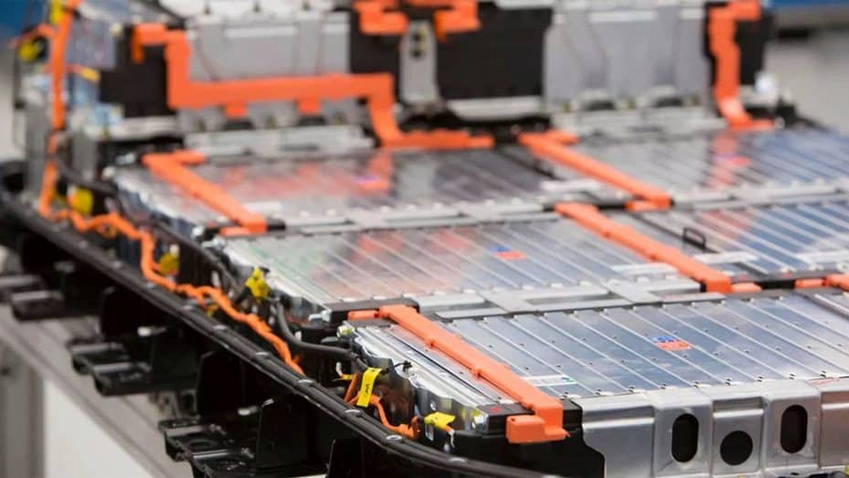
At the latest China All-Solid-State Battery Development Summit, BYD's Chief Battery Engineer, Sun Huajun, revealed that the company plans to launch its first electric vehicle equipped with all-solid-state batteries by 2027. This vehicle will prioritize applications in its luxury brands, including Denza and Yangwang. Initially, this electric vehicle will use sulfide-based solid-state batteries, and from 2027 to 2029, it will primarily be in demonstration production, with expected production volumes being relatively limited. The earliest opportunity for full-scale production is anticipated to be in the 2030s.
Currently, BYD has become the second largest electric vehicle battery manufacturer in the world, just behind CATL. According to 2023 data from SNE Research, CATL holds a market share of 37.9%, while BYD is in second place with 17.2%. As the global electric vehicle market continues to expand, solid-state battery technology is seen as a key competitive field for the future.
Aside from BYD and CATL, many international car manufacturers are also actively involved in the development of solid-state batteries. According to reports, Hyundai will soon unveil its pilot production line for solid-state batteries, while Honda showcased relevant equipment last year. Other brands such as Mercedes-Benz, Toyota, Stellantis, and Nissan are also quickening their pace, aiming to gain a competitive edge in the market.
Compared to existing lithium-ion batteries, solid-state batteries offer higher energy density, enhanced safety, and faster charging, making them a significant breakthrough in electric vehicle technology. If the technology matures and is successfully mass-produced, it has the potential to improve the range of electric vehicles while lowering production costs, thereby accelerating widespread adoption. The industry widely believes that solid-state batteries will enter a true application explosion period after 2030.