



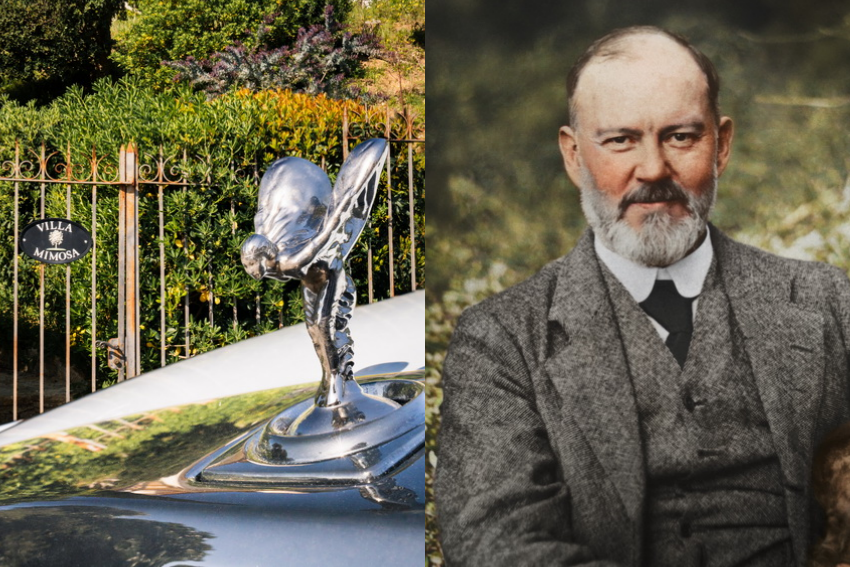
Rolls Royce design process began in the French Riviera when Sir Henry Royce used a seaside retreat to compress design and engineering work, speeding decisions and protecting quality between the early 1900s and the modern era.
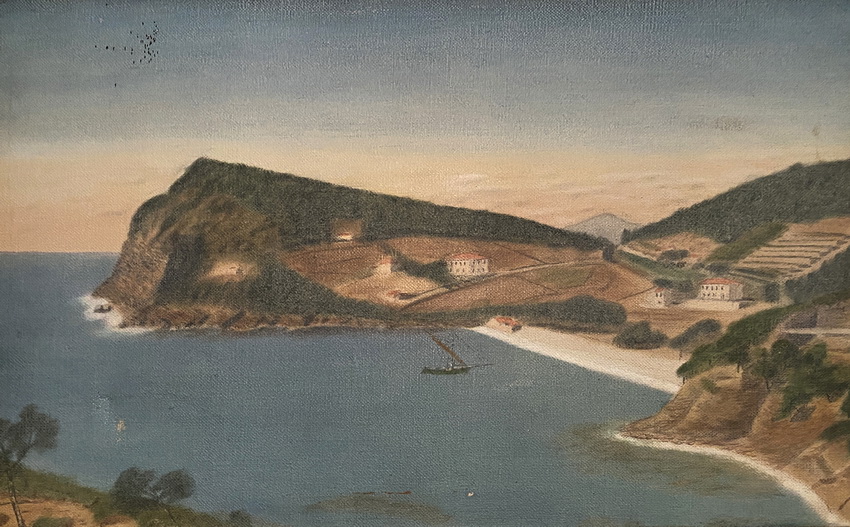
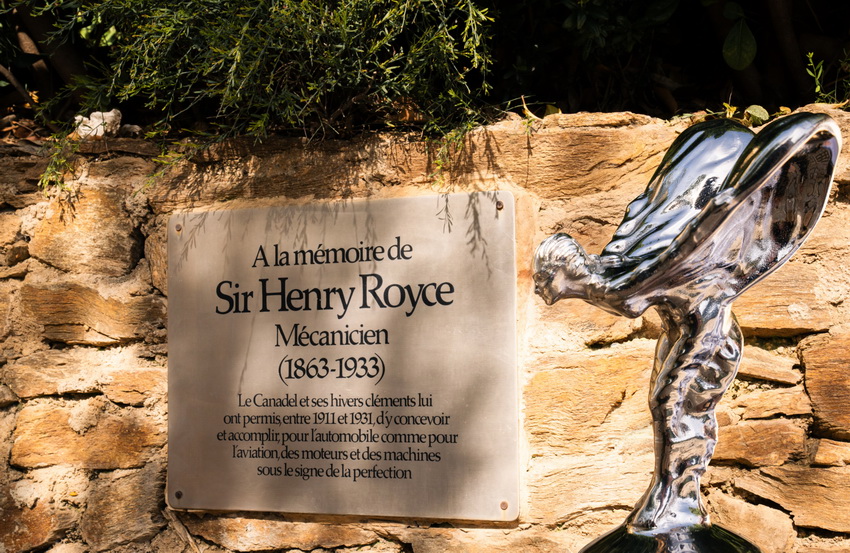
Who: Sir Henry Royce and the Rolls Royce team. When: the early 1900s through today. Where: a retreat at Le Canadel, France, and the Nightingale Road factory in Derby, England. What: Royce created a concentrated workflow that put design, engineering, and decision making side by side, enabling faster iteration and tighter quality control. Why: to ensure the cars met strict standards for proportion, finish, and performance.
Years after he established a memorial at Le Canadel (a coastal village on the French Riviera), Royce kept a long-term presence there, using the location as more than a place to rest. The seaside setting became a second work hub, where design practices took on a different rhythm from the Derby factory but retained the same emphasis on efficiency. Rolls Royce design process relied on that rhythm to sharpen results.
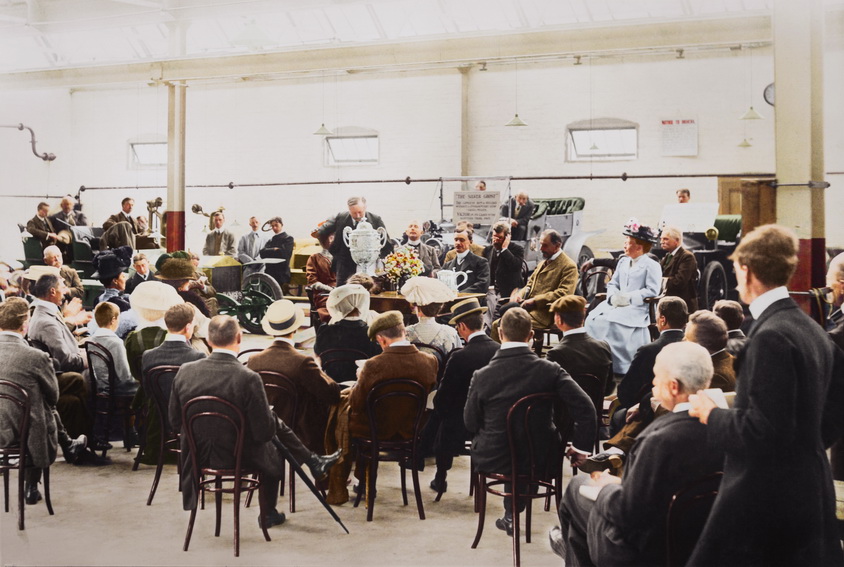
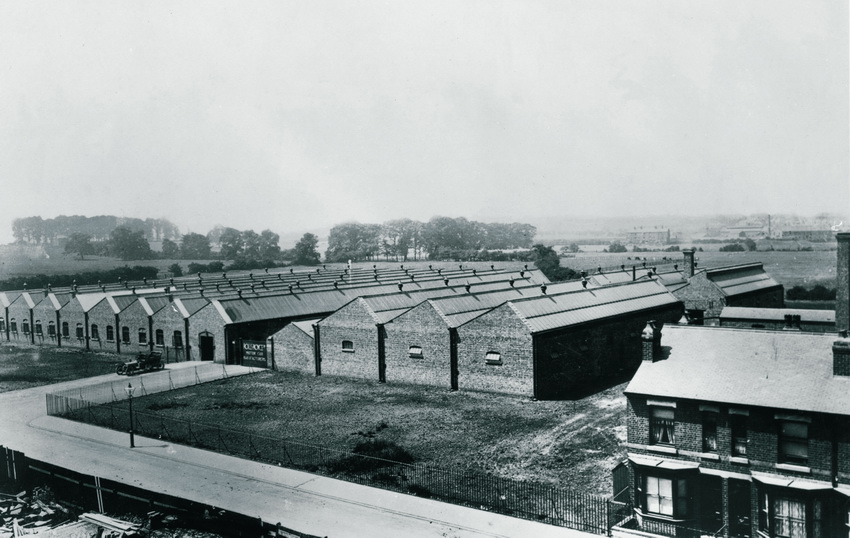
At the other end of that history was Derby. In 1908 the Nightingale Road factory opened, a plant conceived and laid out by Royce himself. From the building footprint to interior organization, the site prioritized production efficiency and process control. Between 1908 and 1939 the factory became Rolls Royce most important production base, and its iconic sawtooth roof was intended to bring stable natural light into work areas, increasing the precision of assembly and finishing.
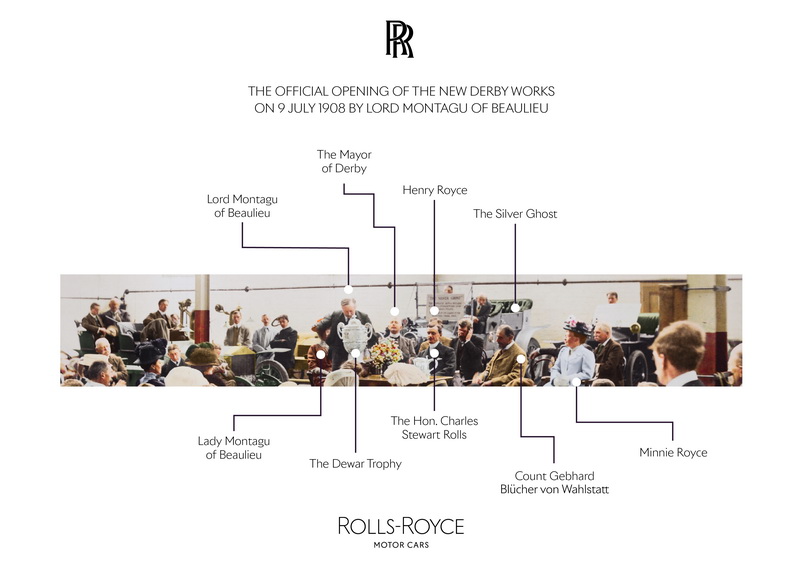
The factory opening underscored the marque standing at the time. Prominent figures gathered, and a Silver Ghost was displayed to signal the company technical capabilities and market positioning. That moment helped fix Rolls Royce reputation in the automobile industry, and it established the baseline expectations for build quality.
Beyond the production floor, Royce believed design required a different cadence. In 1911 he built La Mimosa in France, and later arranged a layout that included Le Bureau and Le Rossignol, allowing designers and engineers to live and work within short distances of each other. That proximity let ideas, discussions, and revisions happen in real time, removing delays between concept and execution.
Le Rossignol in particular served as a key node. It was not a conventional residence, but a tool for compressing the design workflow. Teams could interact with Royce directly, make immediate decisions, and avoid waiting for formal reviews. This high-concentration model noticeably increased creative throughput, and it became a formative part of the Rolls Royce design process.
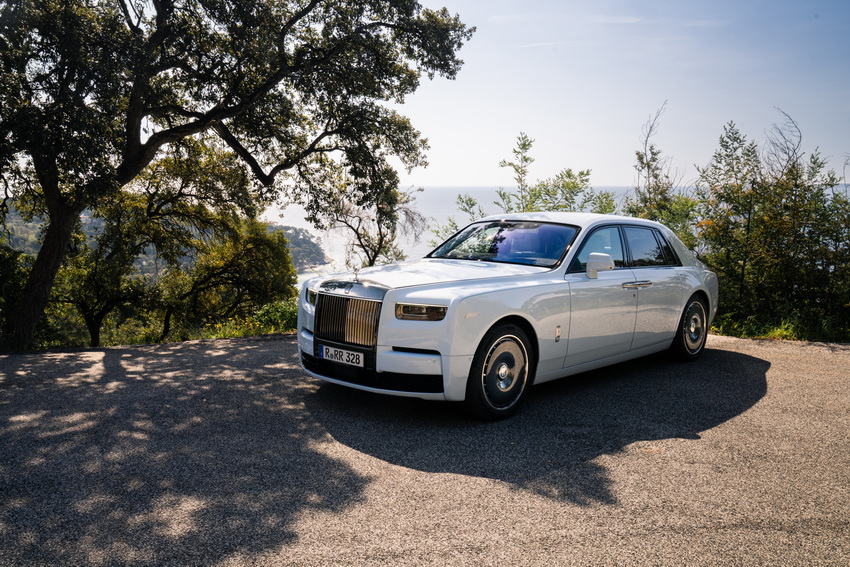
That method carried forward into modern products. The Phantom VIII, as the marque flagship, followed the same principles during development. Body proportions, surface finishes, and the signature Pantheon grille went through lengthy, repeated refinements, with design and engineering advancing together so every detail met the company standard. The coordinated approach is central to the Rolls Royce design process.
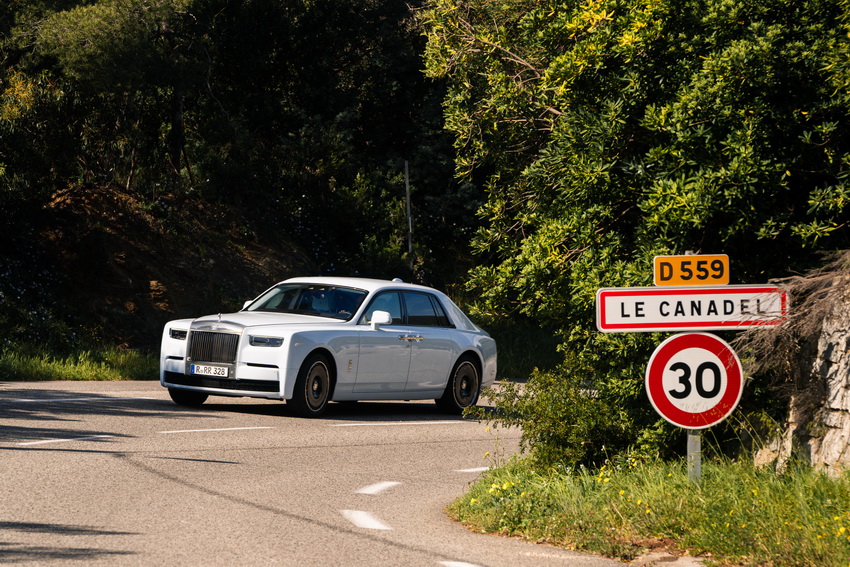
Road testing was also part of the loop. Winding coastal routes near the French retreat were more than scenery; Royce used them as test beds. He often drove prototypes himself, translating feel into design inputs. That practice of basing design judgments on real-world performance remains part of the company approach.
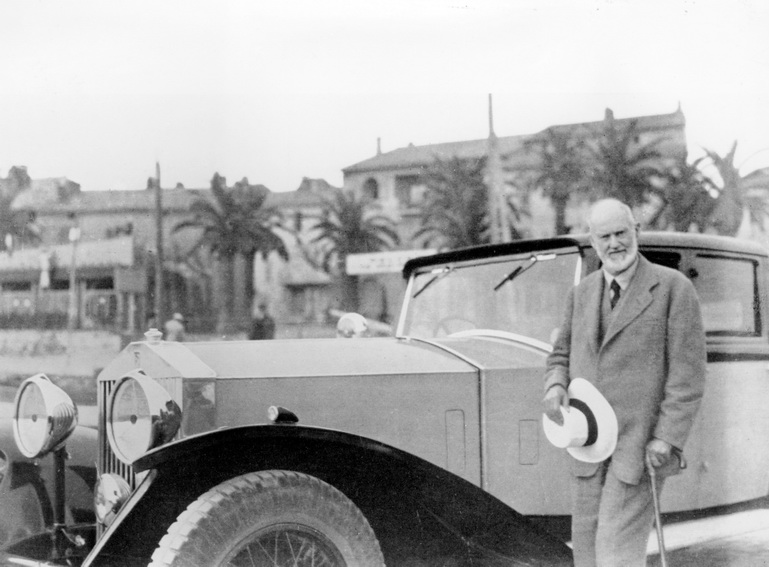
A historic photo of Sir Henry Royce with one of his cars captures that relationship, showing design and machine as a continuously refining duo. Even when his health declined, Royce kept a keen sense of the brand standard. On one return trip to England he noticed a vehicle closing in from behind and ordered the driver to speed up for a single reason, Rolls Royce should not be overtaken. He only relaxed when he recognized the other car was also a Rolls Royce.
The importance of Le Rossignol lies not in the building itself but in the work logic it embodied: bringing design, engineering, and decisions into a single cadence. From the Derby factory to the French Riviera, and on to the current Goodwood headquarters in West Sussex, that method was preserved. Today more than 2,500 specialists at the single Goodwood campus are responsible for design, engineering, and handcrafting, and every Rolls Royce remains highly bespoke. What changed over time were techniques and scale, not the disciplined control of process that defines the Rolls Royce design process.