In a stunning misstep in the digital age, German automotive giant Volkswagen found itself in hot water after a configuration issue with its cloud server resulted in a massive privacy breach affecting up to 800,000 electric vehicles (EVs). This glitch, which spread across numerous European countries, inadvertently shared precise location data of the vehicles, including their routes and parking spots. But it didn’t stop there—personal details such as the car owners' email addresses, phone numbers, and residential addresses were also leaked, posing a significant threat to user privacy and security. The breach, which remained under wraps for several months before coming to light, has ignited serious concerns about the vulnerability of digital systems integrated within modern autos. In response, Volkswagen swiftly moved to patch up this gaping hole in their cybersecurity armor. But the incident has undoubtedly thrown a spotlight on the broader implications of cybersecurity in the increasingly digital world of automotives, reminding us that with great technology comes great responsibility—or in this case, a great potential for slip-ups.
In a stunning blunder, Volkswagen's subsidiary, Cariad, fumbled a cloud server setup, leaving car location data exposed in unencrypted form on Amazon's cloud for a considerable period. According to a report by Germany's Spiegel, the exposed data includes details like driving routes, drive times, and parking locations. In the wrong hands, this data could potentially be used to track car owners' daily activities, posing a massive risk to both privacy and security. The cyber watchdog group, Chaos Computer Club, sniffed out the issue early and raised the alarm with Volkswagen. However, the auto giant took weeks before it started patching up the security hole.
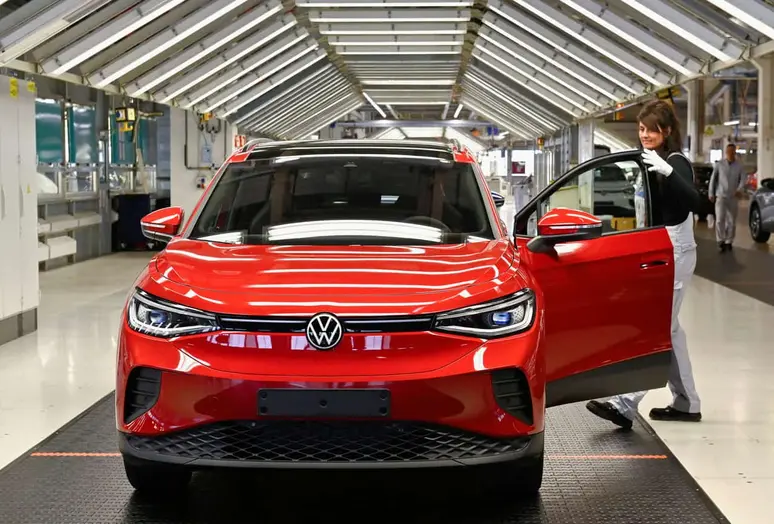
The electric rides hitting a bumpy road mainly involve the Volkswagen ID series, with some Audi, Seat, and Skoda owners also caught in the snafu. The leaked data logs, detailing driving modes and personal lifestyle habits, pose a real privacy scare. Reports reveal that out of the 800,000 affected vehicles, the exact locations of 466,000 were spilled—including rides belonging to German politicians, entrepreneurs, and even the Hamburg police's electric fleet. This incident underscores just how much modern cars rely on digital tech and highlights the glaring gaps in their security frameworks.
In a recent statement, Volkswagen has pledged a sweeping upgrade to its data protection measures following a recent security breach. This includes beefing up its cloud security framework, conducting regular penetration testing, and revisiting its internal data management processes. Despite informing all customers impacted by the incident, the automaker continues to face criticism. Many believe that Volkswagen’s response was too slow. The issue, which went unnoticed for several months, highlights glaring deficiencies in the company’s internal security monitoring systems.
As electric vehicles accelerate onto the mainstream roads and digital integration deepens, cybersecurity experts are sounding the alarm about a probable spike in data breach incidents in the near future. Modern electric cars are heavily reliant on internet technology, making them potential targets for hackers and shady actors looking to tap into driving data. To curb the risk of these data leaks, specialists are pressing automakers to adopt tighter data encryption techniques and access control measures. They also advocate for regular third-party audits to secure both user privacy and vehicle safety. So, it's more than just power under the hood; it's about fortifying digital forts on wheels.