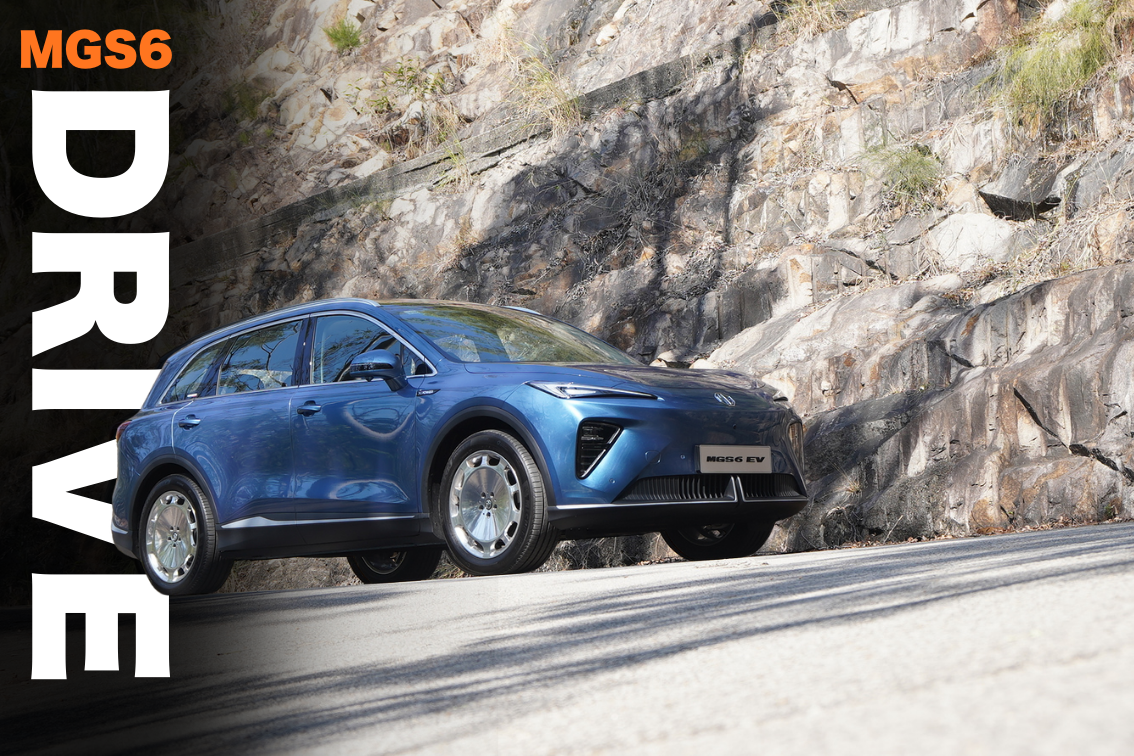
Let’s talk about the S6—not the Audi S6, but MG’s S6. It gives me the impression that SAIC is genuinely invested in developing the MG brand. From the design and materials to the tuning, you can really see their attitude towards this century-old brand. I’ve tested several new MG products in the past, and most haven’t disappointed. So, how does the S6 stack up?
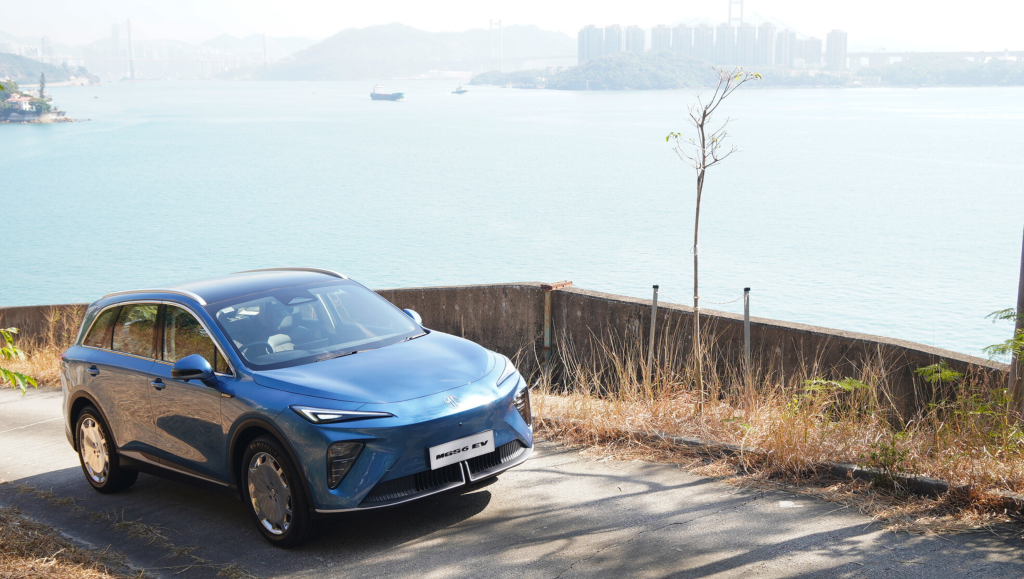
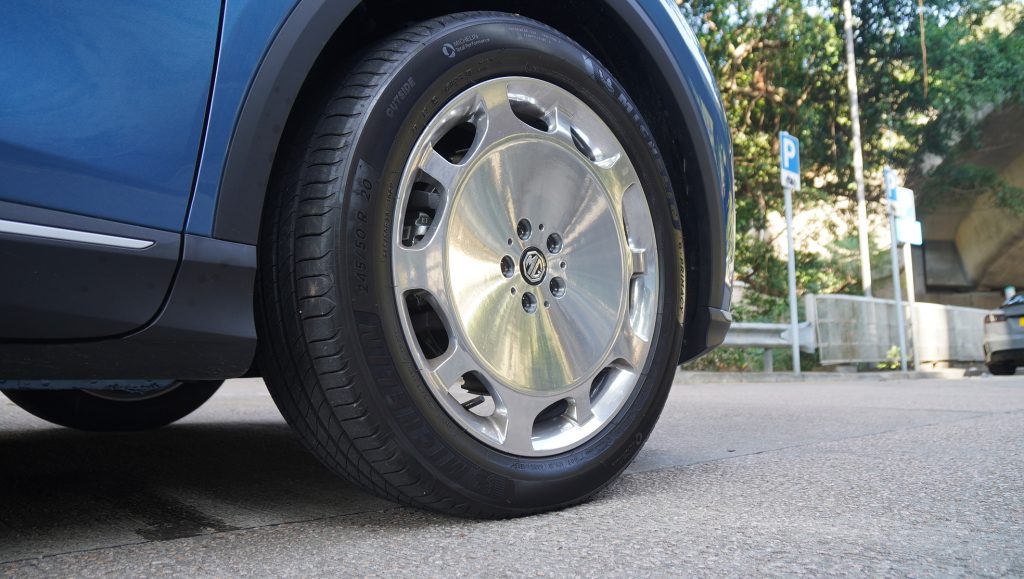
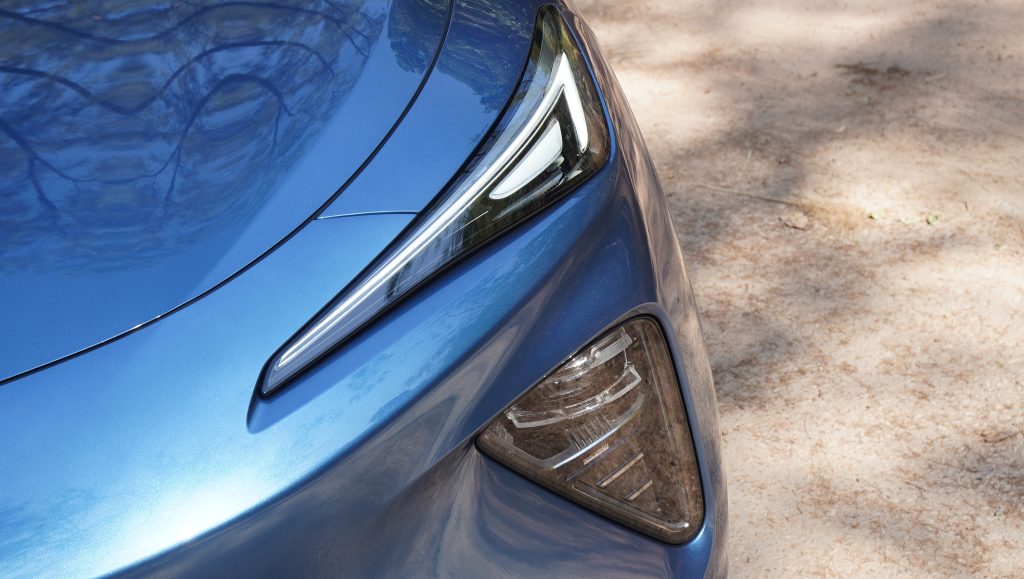
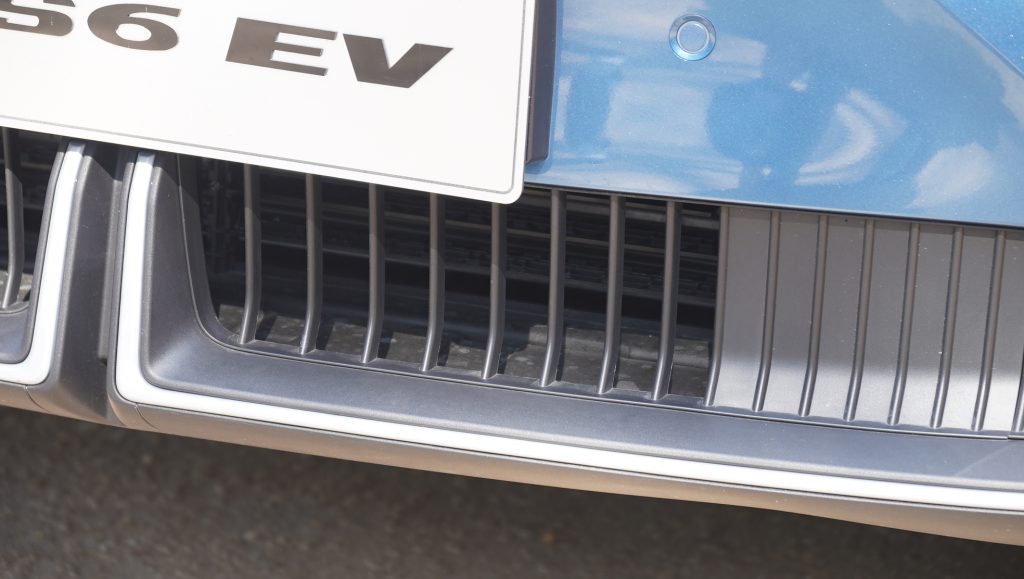
Unlike the S5, the S6 is likely to be an export model, as this car doesn’t appear on the official MG website in mainland China; only the ES5 (which is the Hong Kong version of the S5) is listed. In the UK, the S6 is the priciest offering aside from the Cyberster and two other non-MG models, IM5 and IM6, with a price tag close to £38,000. Moreover, its dimensions make it the largest in the lineup, measuring 4.7 meters long, 1.9 meters wide, and 1.6 meters high—similar in size to the new X3. This makes it appear more substantial in person than one might expect, especially with the 20-inch Cake Pop, which gives it an even larger visual impact. Meanwhile, the design of the S6 somewhat resembles a scaled-up version of the S5, particularly in the front, where the two models share a striking similarity, differing only in the display format of their LED daytime running lights.
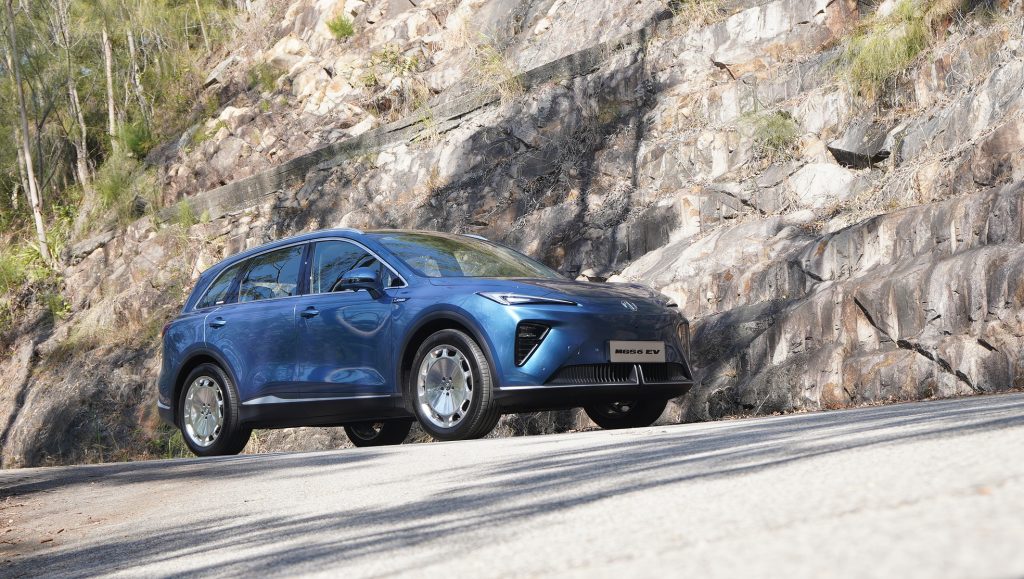
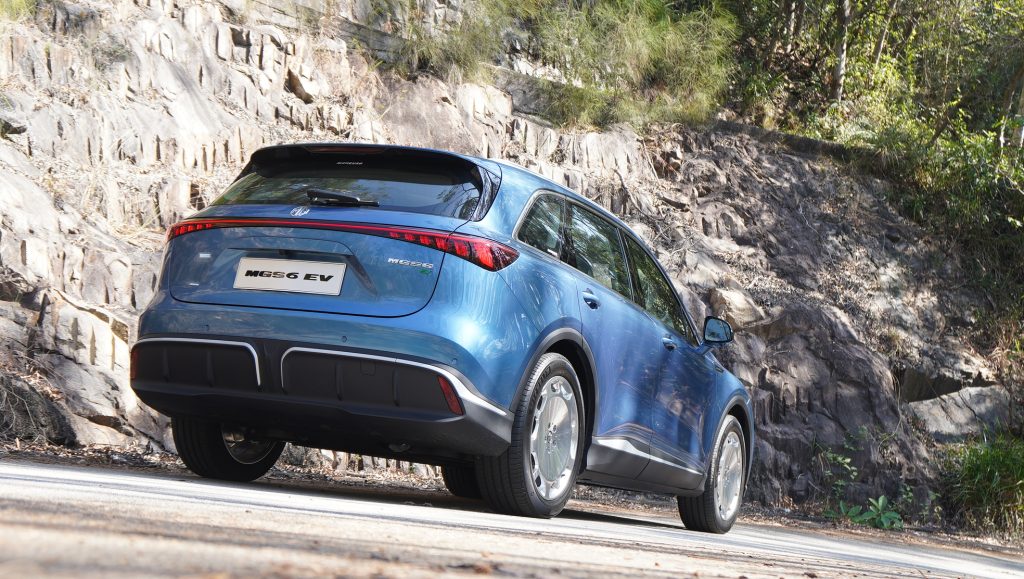
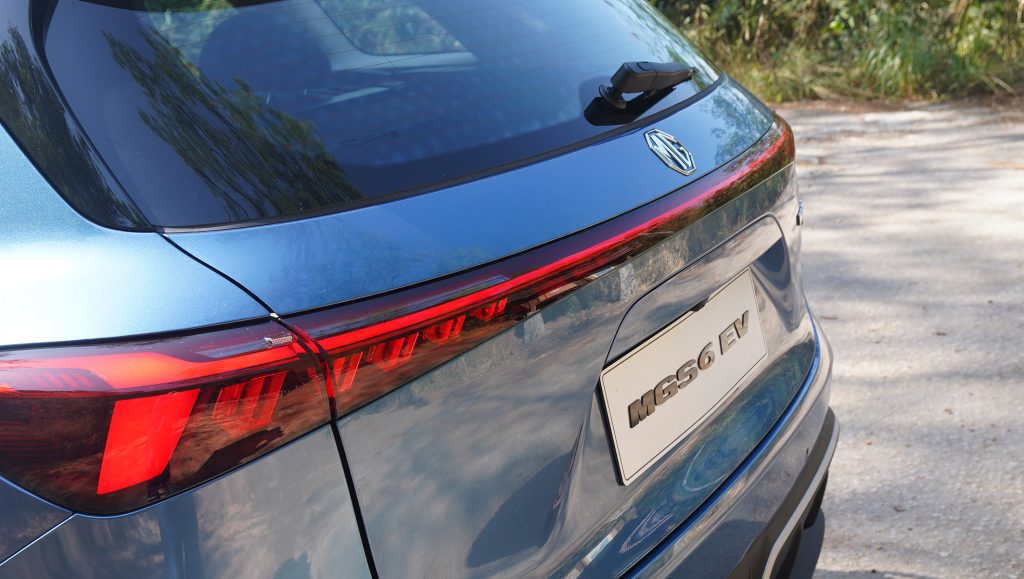
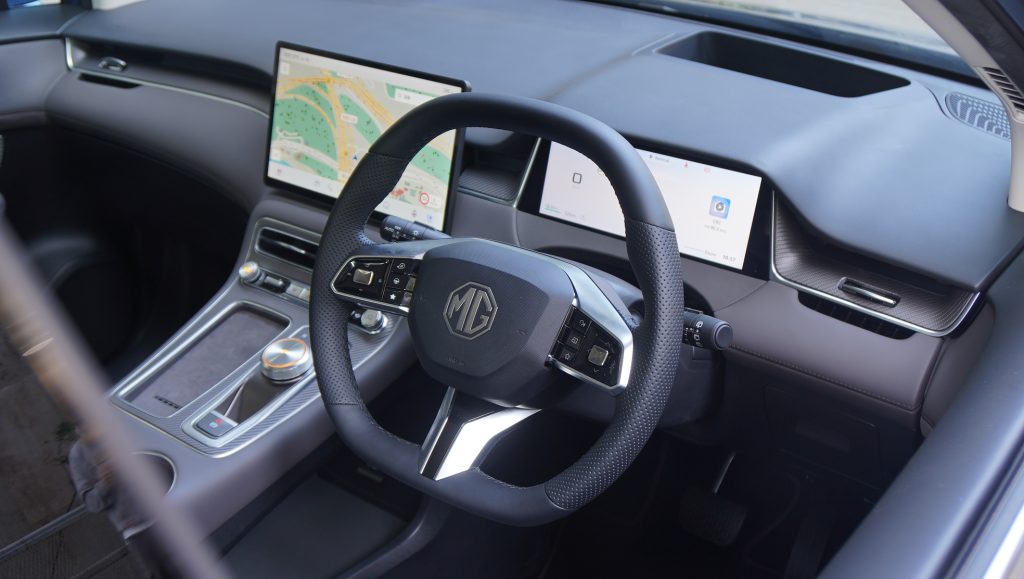
The S6 is undeniably the flagship model in the MG lineup, and it doesn’t cut corners when it comes to materials. The choice of Alcantara for the front and rear seats as well as the door panels speaks volumes about its premium feel—truly a cut above the rest, especially at this price point, which is quite impressive compared to similar products. Additionally, the dual-screen display and panoramic sunroof have become standard features for electric vehicles in recent years, and the S6 certainly follows suit. However, it lacks common features like massage seats and a fridge. On the plus side, it comes with a heads-up display that allows you to glance at real-time speed, navigation prompts, and other active safety alerts without taking your eyes off the road.
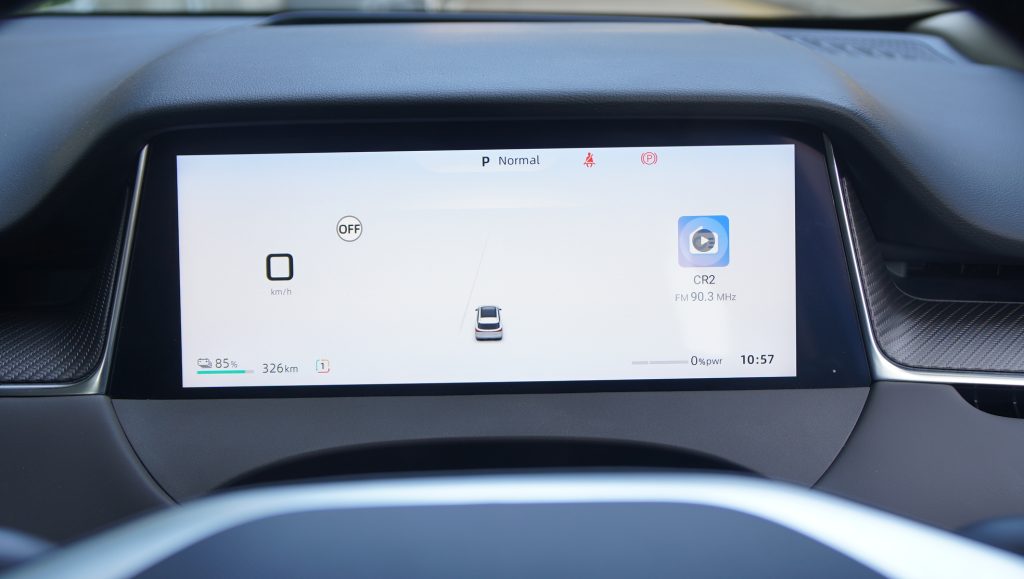
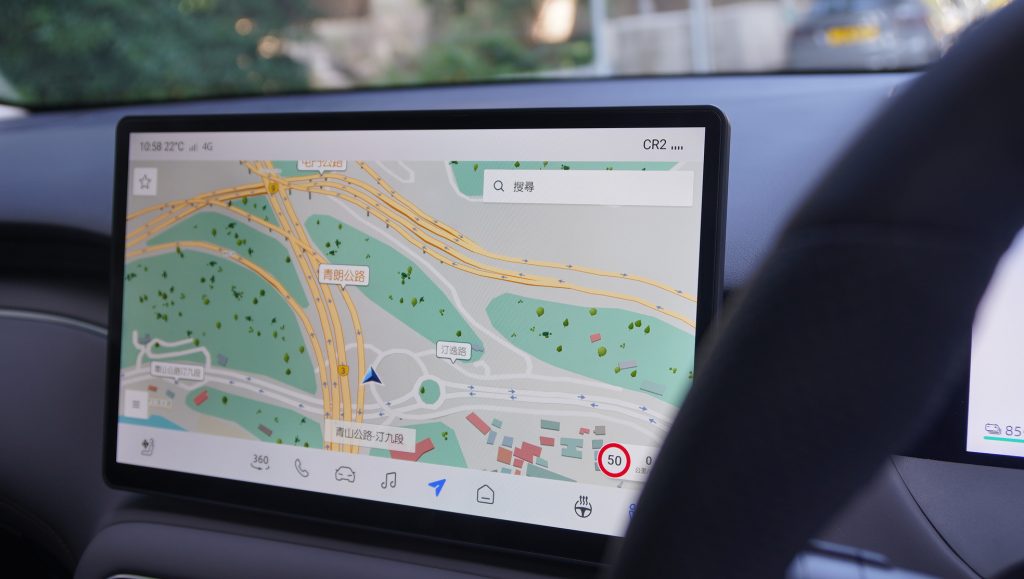
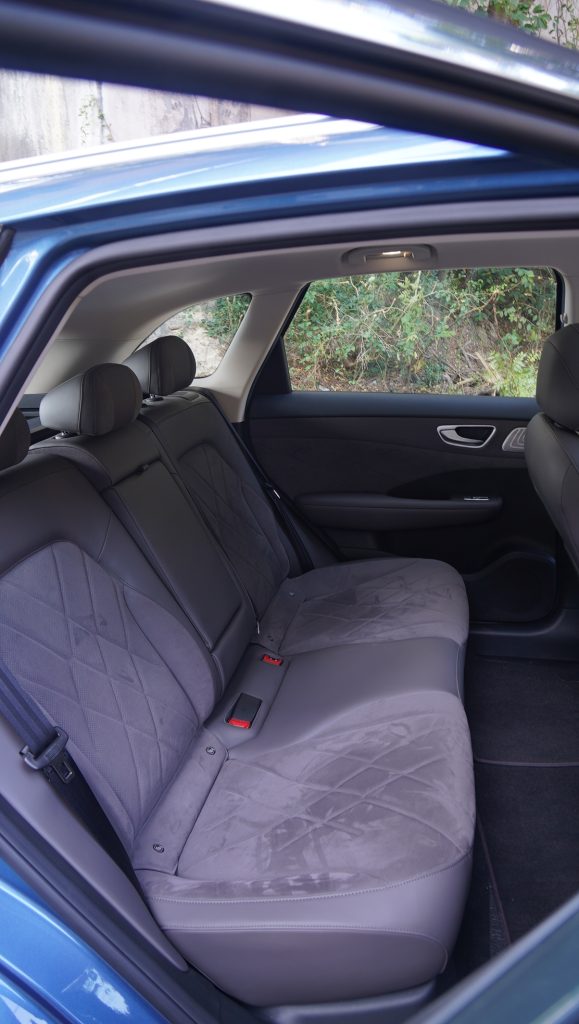
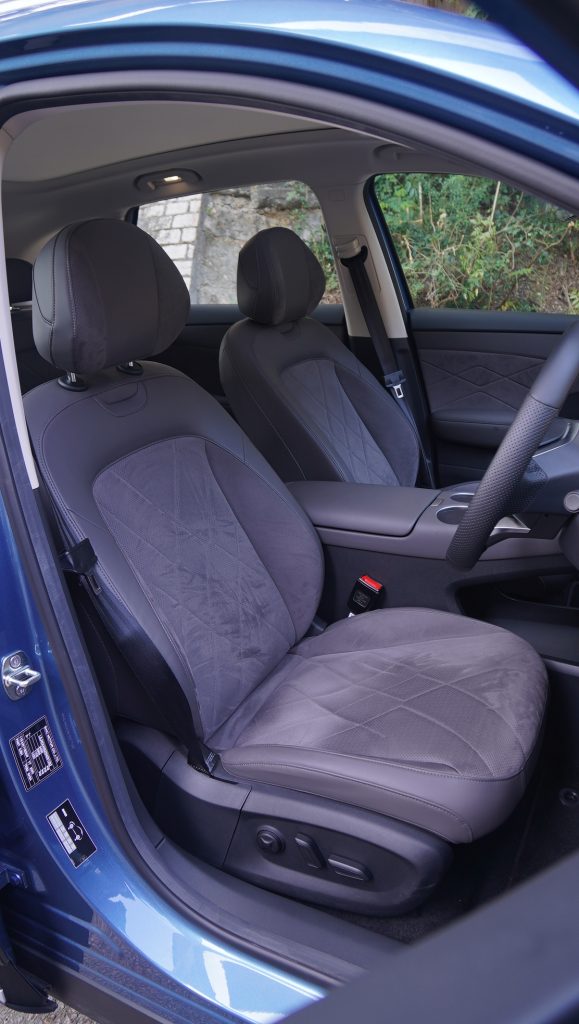
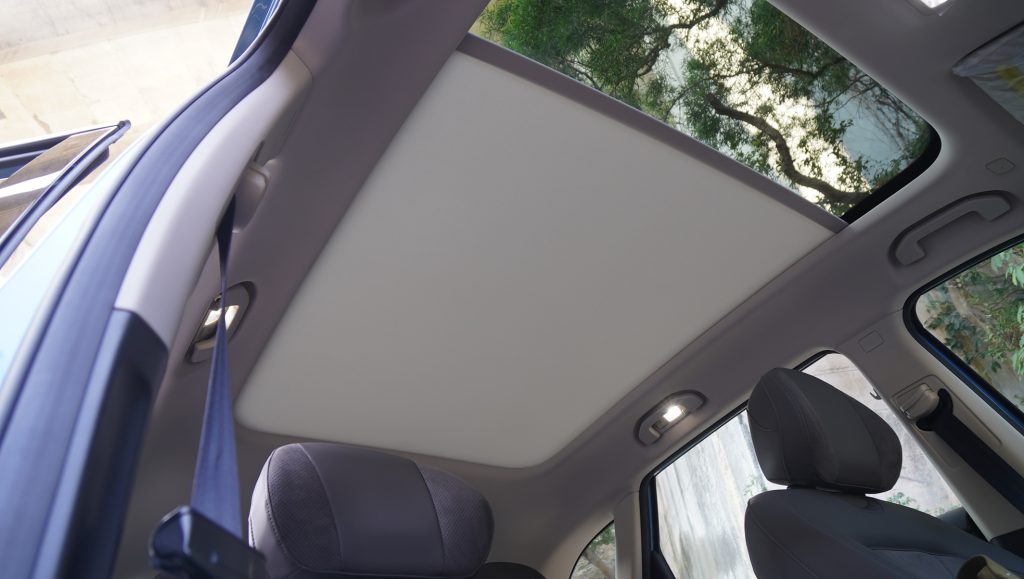
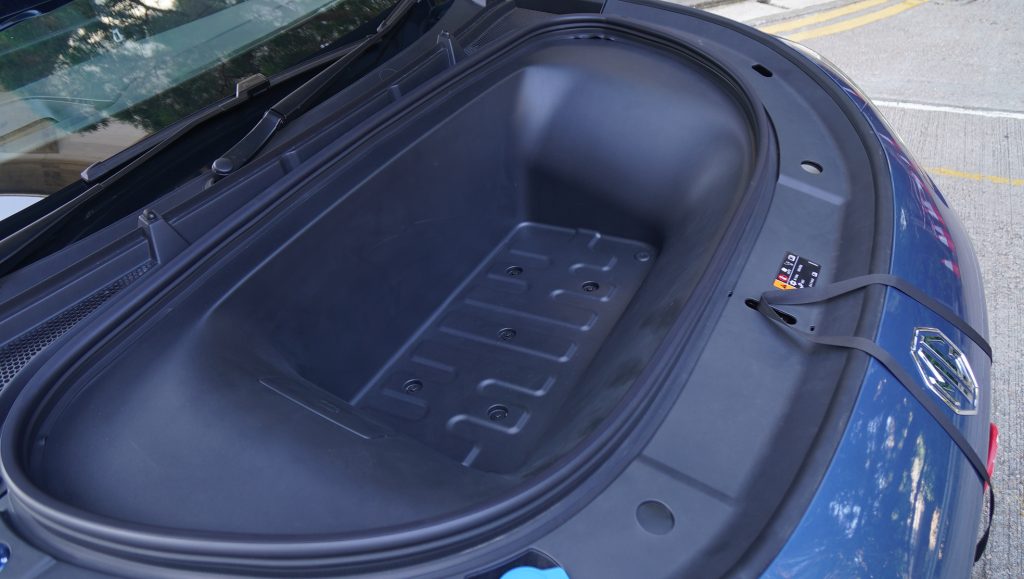
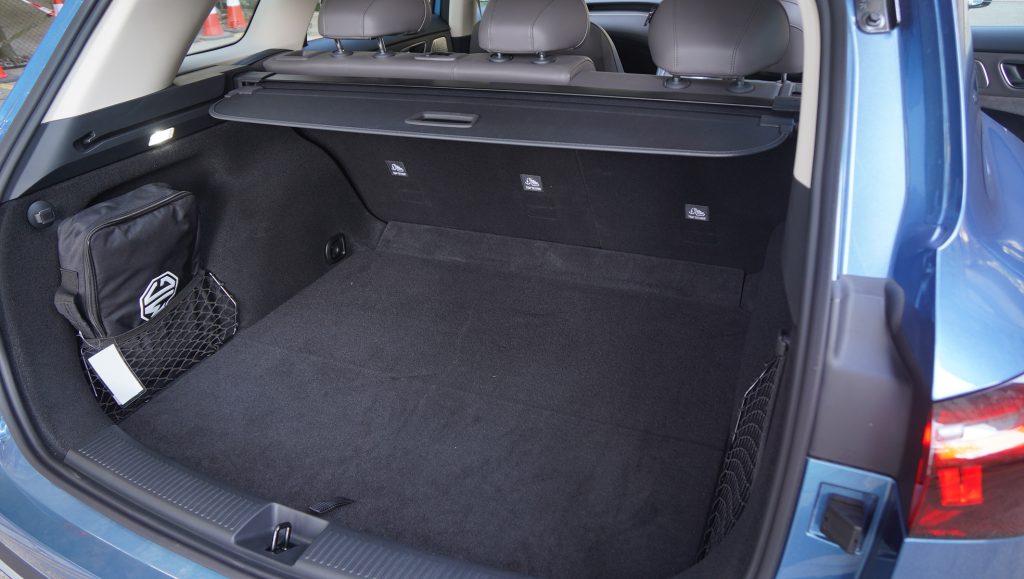
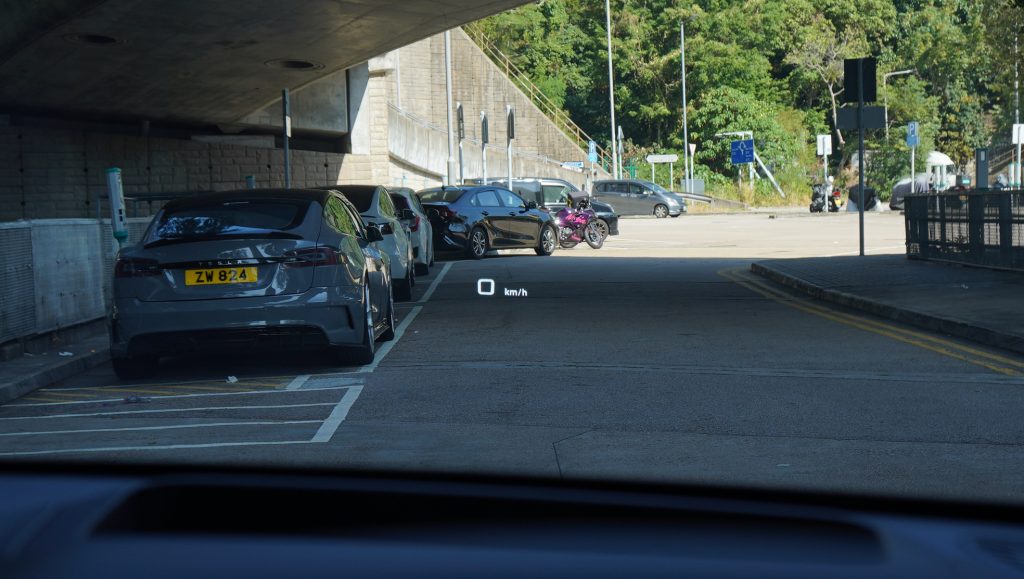
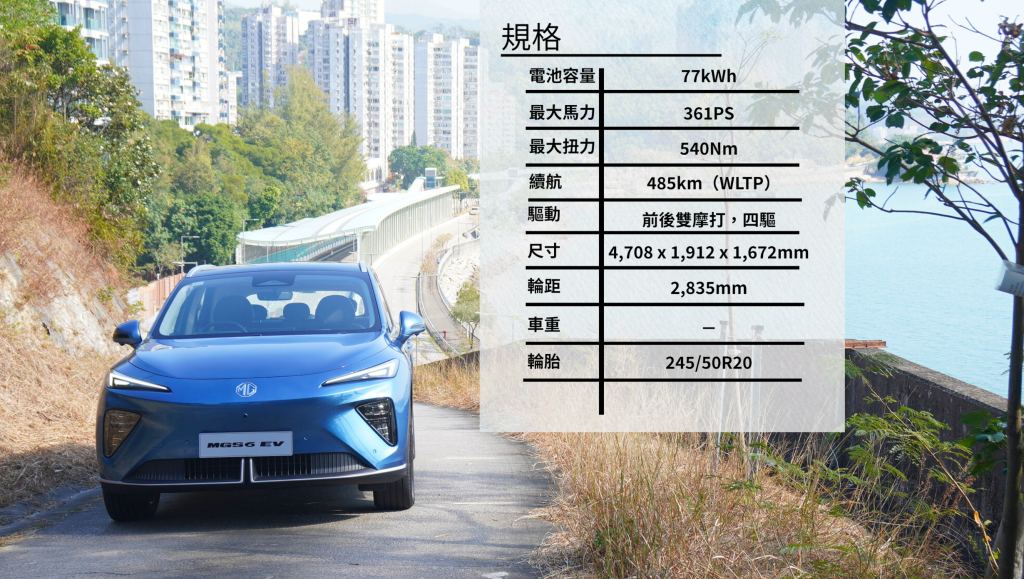
The Hong Kong version of the S6 is available in two configurations: a rear-wheel drive single motor and an all-wheel drive dual motor. The model we’re testing is the latter, equipped with a 77kWh battery that offers a range of 485 kilometers. With front and rear motors producing a combined output of 361 horsepower and 540Nm of torque, it previously belonged in the realm of high-performance sports cars. As for the current concerns about licensing fees, the S6 all-wheel drive version has a rated output of 100kW, placing it in the second tier of fees, which amounts to 2,000 HKD annually. This charge will gradually increase to 5,000 HKD after March 1, 2030. Although this is pricier than the current rate, it’s still significantly lower compared to gasoline vehicles.
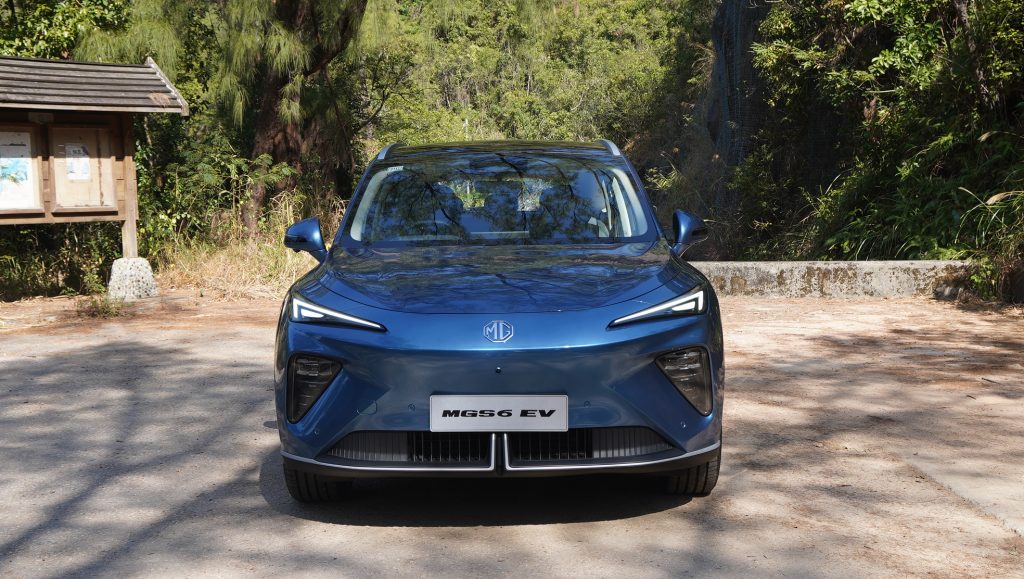
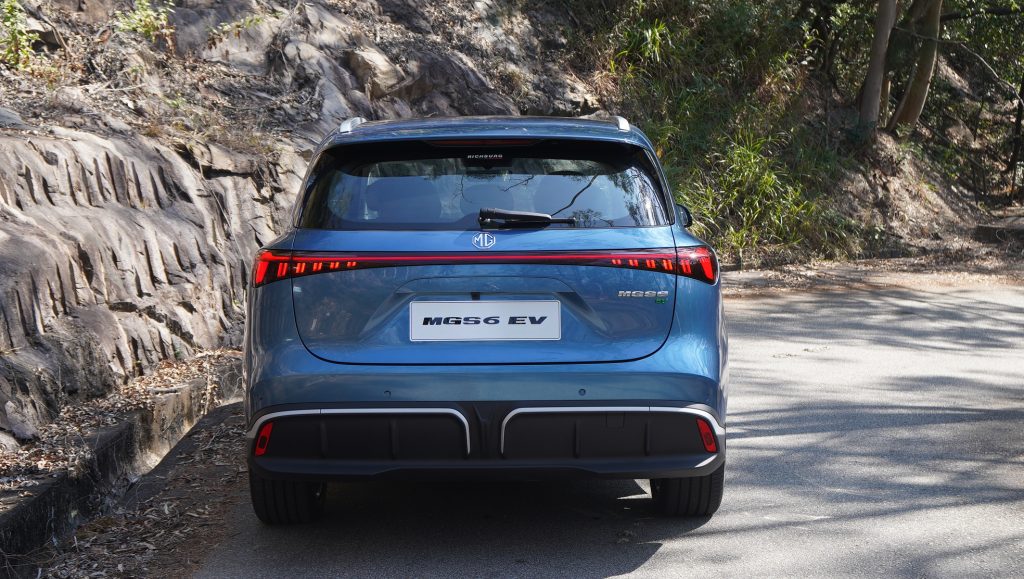
With 361 horsepower and 540 Nm of torque, driving this car is undeniably exhilarating. Even in its most basic standard driving mode, it’s plenty of fun, without the need for sporty enhancements. In fact, when it comes to electric vehicles, discussing speed seems almost pointless, given their instant throttle response that’s a hallmark of EVs. The real question lies in how well they handle. The S6 features a suspension setup of front MacPherson struts and a rear multi-link system, delivering a distinctly European flair. It tackles uneven surfaces with a springy finesse, and the body’s resistance to rolling is quite reasonable. The only downside is that the 20-inch Cake Pop wheels feel a bit oversized, resulting in more noticeable body movements. If it were fitted with slightly smaller rims, the ride quality could be even better!