The new generation AirTag is finally making its debut in early 2026. While its appearance remains identical to the previous version, in my opinion, Apple has nailed one crucial aspect this time: they’ve finally integrated with the closed baggage tracking systems of airlines. This little disc is no longer just a passive transmitter; it has transformed into a credential connecting travelers with over 50 airlines worldwide. For Hong Kongers who view trips to Japan as casual as munching on lettuce, this upgrade makes the new AirTag truly worth it.
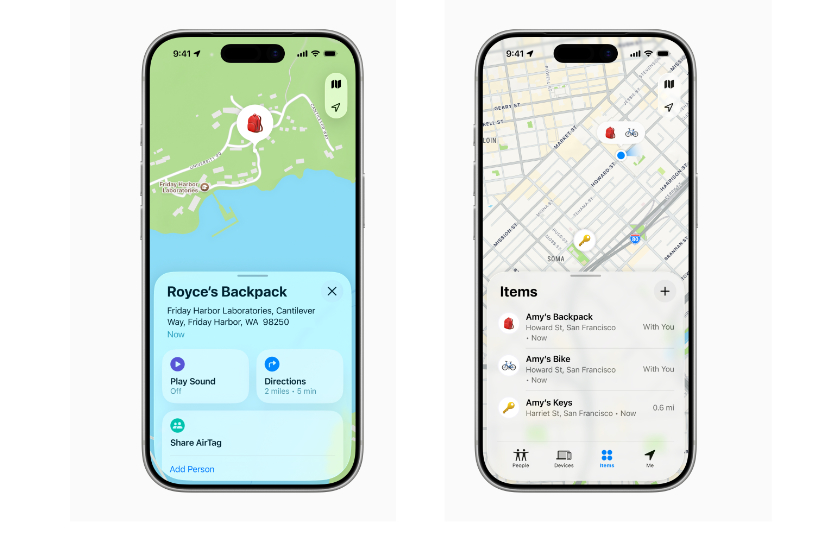
The savior for checked baggage connects directly to the back-end of 50 airlines.
In the past, the most frustrating thing about using an AirTag to track your luggage was the moment you could see on your phone that your bag was left at Terminal 5 of Heathrow Airport, yet the airline’s tracking system showed something completely different. This happened because your data and their backend systems weren’t connected.
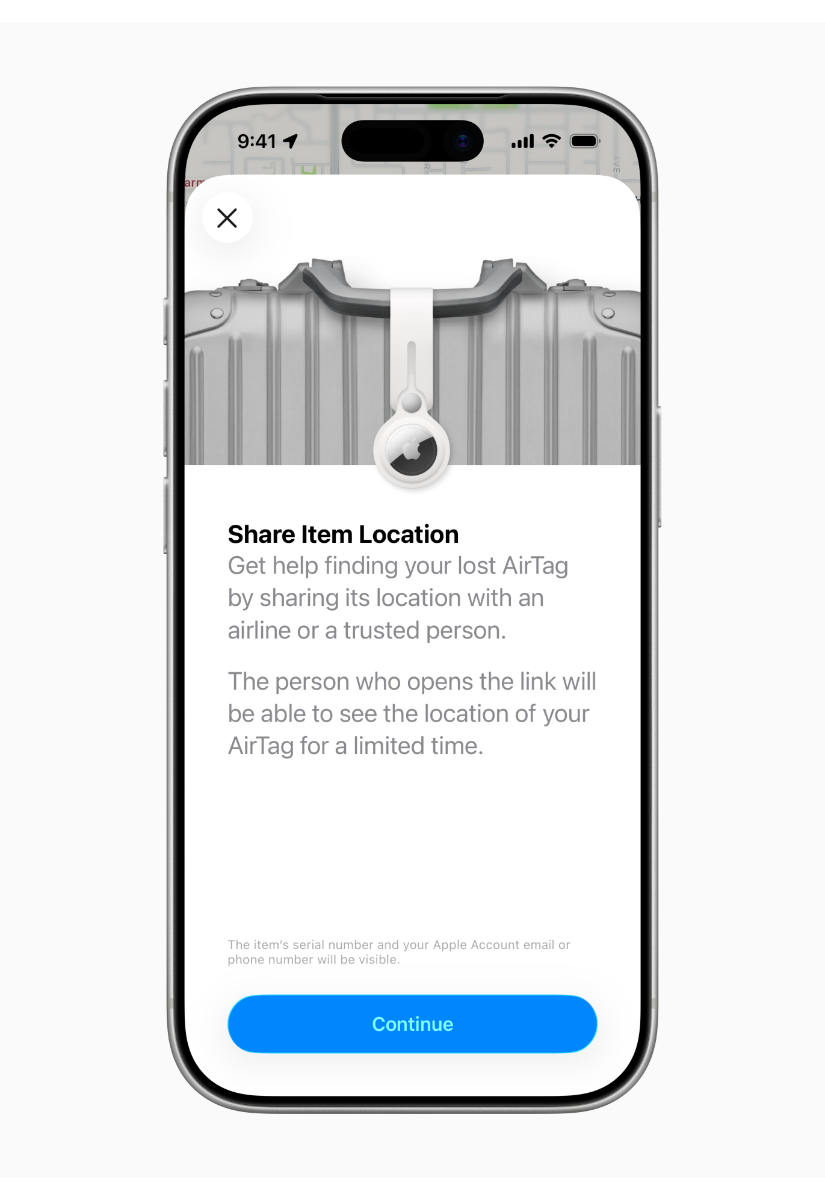
The key selling point of the new AirTag lies in its innovative Share item location feature, which is deeply integrated with SITA’s WorldTracer baggage tracking system. This isn’t just a simple software update; it’s a system-level integration that connects the entire ecosystem. Now, when your baggage Wandering, you can generate an encrypted link and send it directly to the ground handling systems of over 50 partner airlines, including British Airways, United Airlines, and Cathay Pacific.
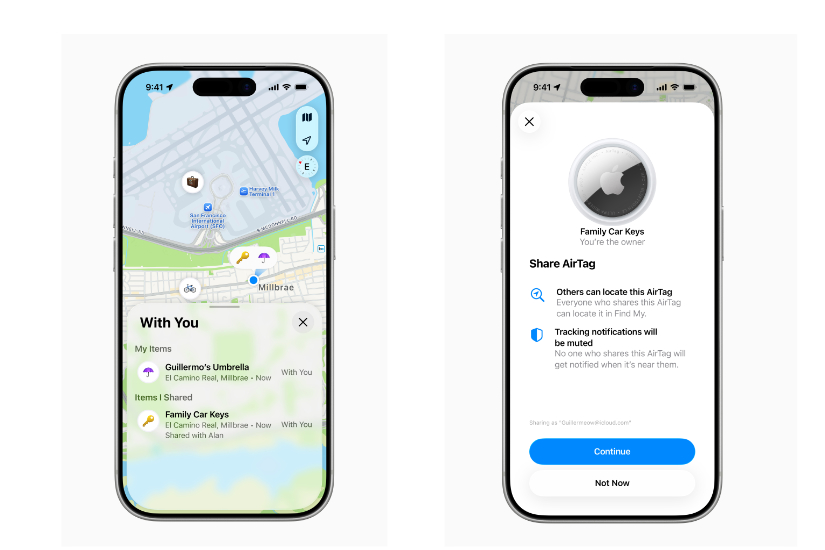
This means that airline ground staff can directly see the precise location provided by your AirTag on their professional dashboards, instead of relying on outdated barcode scan records. This secure integration of consumer data into enterprise systems effectively resolves the pain points of hard to speak out.
The Acoustic Structure of AirTag Reinvented
Addressing the issue with Find it., Apple then tackled the pain point of can hear. If you’ve ever searched for an AirTag in a thick upholstery, you’ll understand why Resounding 50% is another key improvement for this generation.
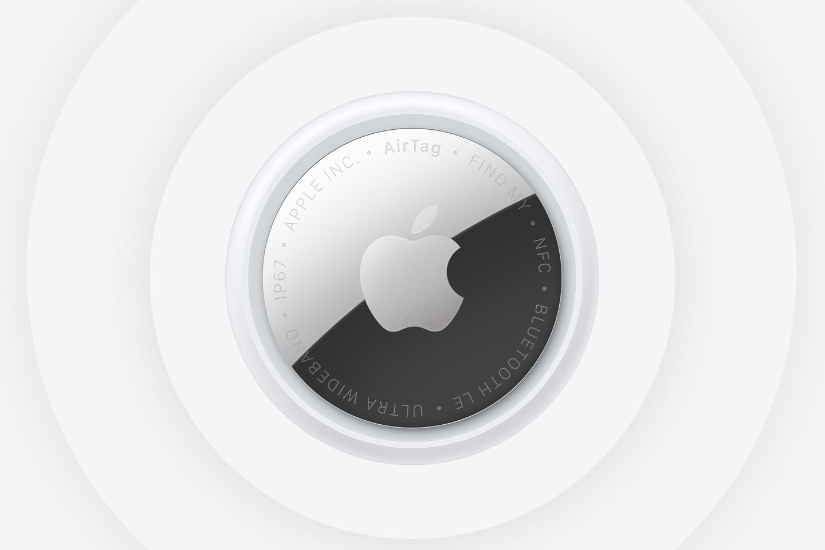
The sound mechanism of the original AirTag is truly distinctive; it doesn’t have a standalone speaker. Instead, it employs an internal voice coil to directly vibrate the white polycarbonate shell on the surface. Achieving a 50% increase in volume without altering the size and while compressing the battery compartment space is a challenging feat in product design minimally invasive surgery.
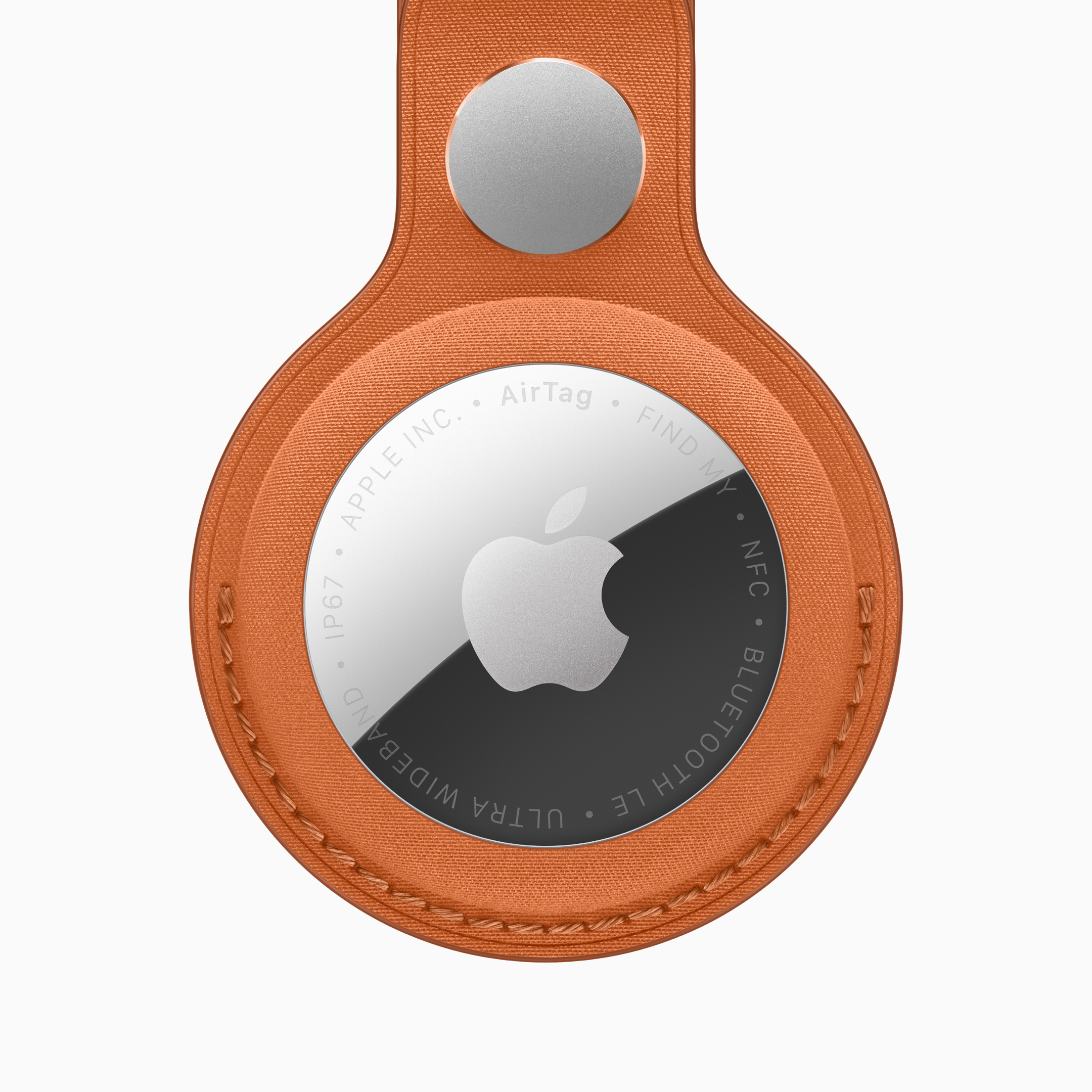
According to analysis by iFixit, Apple has likely adjusted the materials of the top cover to enhance the stiffness and the damping coefficient of the internal suspension system. This modification allows the white dome to push more air when vibrating, while also reducing high-frequency distortion. In settings like a bustling restaurant in Causeway Bay or when your luggage is crushed at the bottom of a conveyor belt, this increased high-frequency alert sound will significantly improve the chances of recovery.
The second generation of UWB chips sees a significant increase in accurate positioning distance.
Finally, we have the evolution of Core. The all-new AirTag is equipped with a second-generation Ultra Wideband (UWB) chip, sharing its origins with the iPhone 17 and Apple Watch Ultra 3, and its manufacturing process has advanced from 16nm to 7nm. This powerful heart increases the effective range of Precise Search by 50%, extending from about 15 meters to approximately 60 meters.
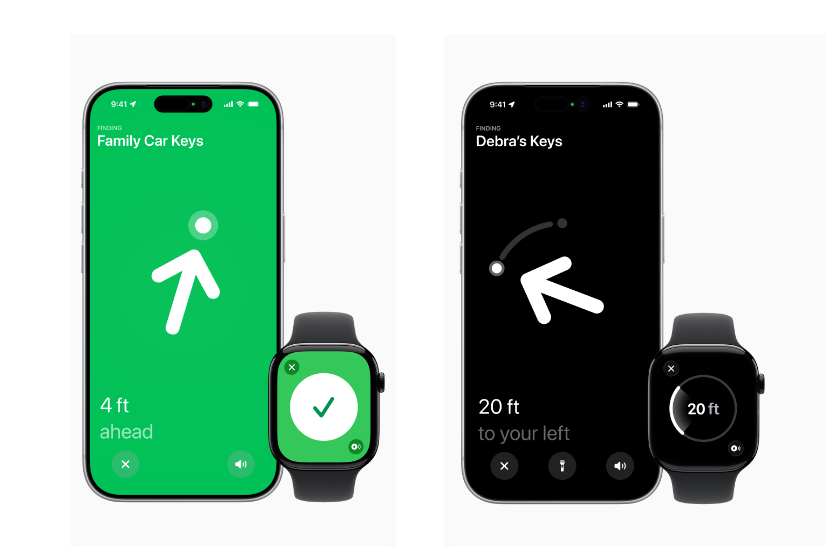
In the high-density environment of Hong Kong, this technology is particularly practical. Previously, you might have had to walk all the way to the end of the driveway in the department store parking lot to pick up a signal. Now, as soon as you step out of the elevator, the arrows are already locking onto your target. With the decentralized interactive logic, all you need to do is raise your Apple Watch Series 9 or later, and it will directly display the direction and distance, delivering a truly Used instantly and gone experience.
Safety Assurance
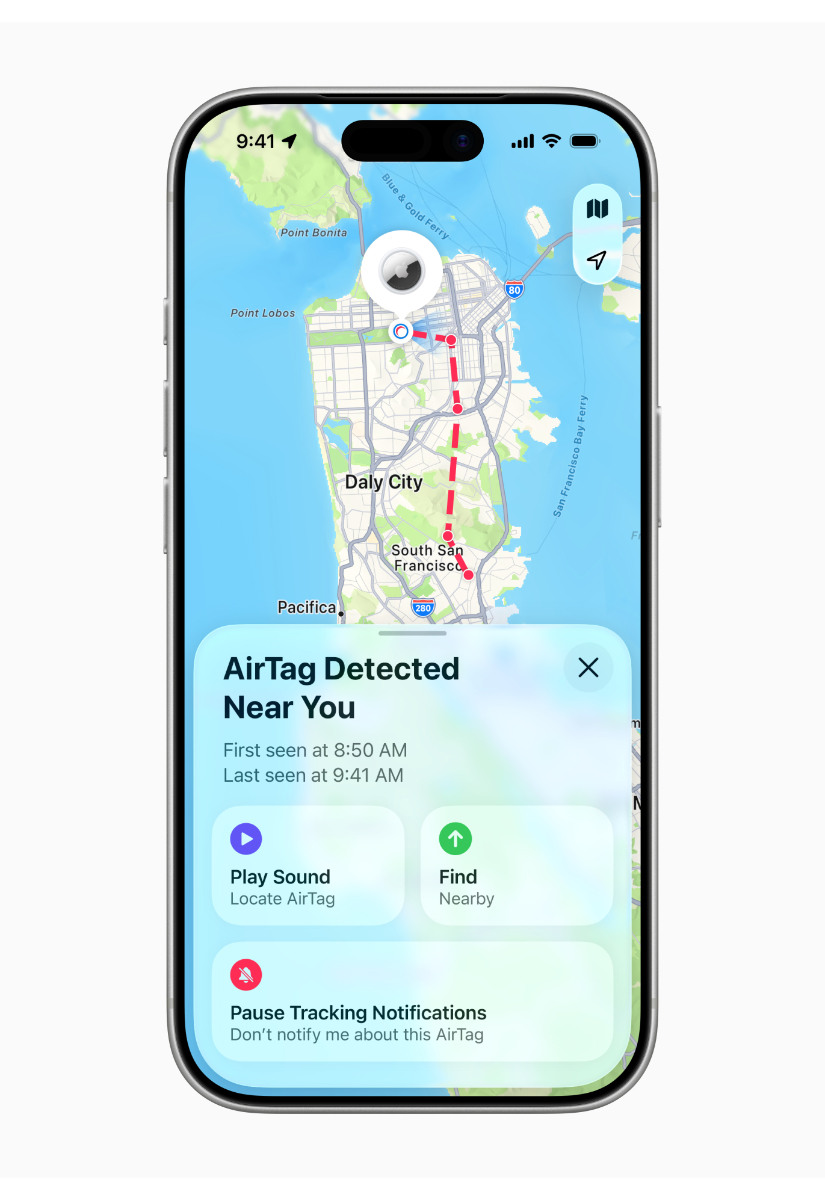
The all-new AirTag is designed from the ground up with a strong commitment to safeguarding location data and ensuring privacy. AirTag does not actually store location data or logs on the device itself. Instead, the connection to the Searching app network utilizes point-to-point encryption technology, ensuring that only the owner can view its location. No one else, not even Apple, can see the device’s identity or location. Tailored for tracking objects rather than locating people or pets, the new AirTag incorporates a range of industry-leading security measures to prevent unwanted tracking, including cross-platform alerts and frequently changing unique Bluetooth identifiers.
Despite many netizens complaining about the lack of a lanyard hole in its design, which pushes everyone to buy accessories, the new AirTag remains an irreplaceable anti-loss tool in the current Apple ecosystem. This is particularly considering its seamless integration with airline back-end systems Dialogue, along with its physical upgrades in interference resistance and volume control.
- 1 piece: HK$249
- Set of 4: HK$849
- Release Date: Available now.
The exterior offers no surprises, but the integration of systems and acoustic fine-tuning inside solidly addresses the two major pain points of Lost Luggage and Can’t hear. This represents a mature and necessary evolution in this generation.