
The Apple MacBook Neo arrives as the most affordable Mac laptop in Apple’s history, starting at approximately $599 in the U.S., giving first-time Mac buyers a genuine entry point into the Apple ecosystem. Apple’s goal is straightforward: bring the MacBook experience to millions of people who have never owned one.
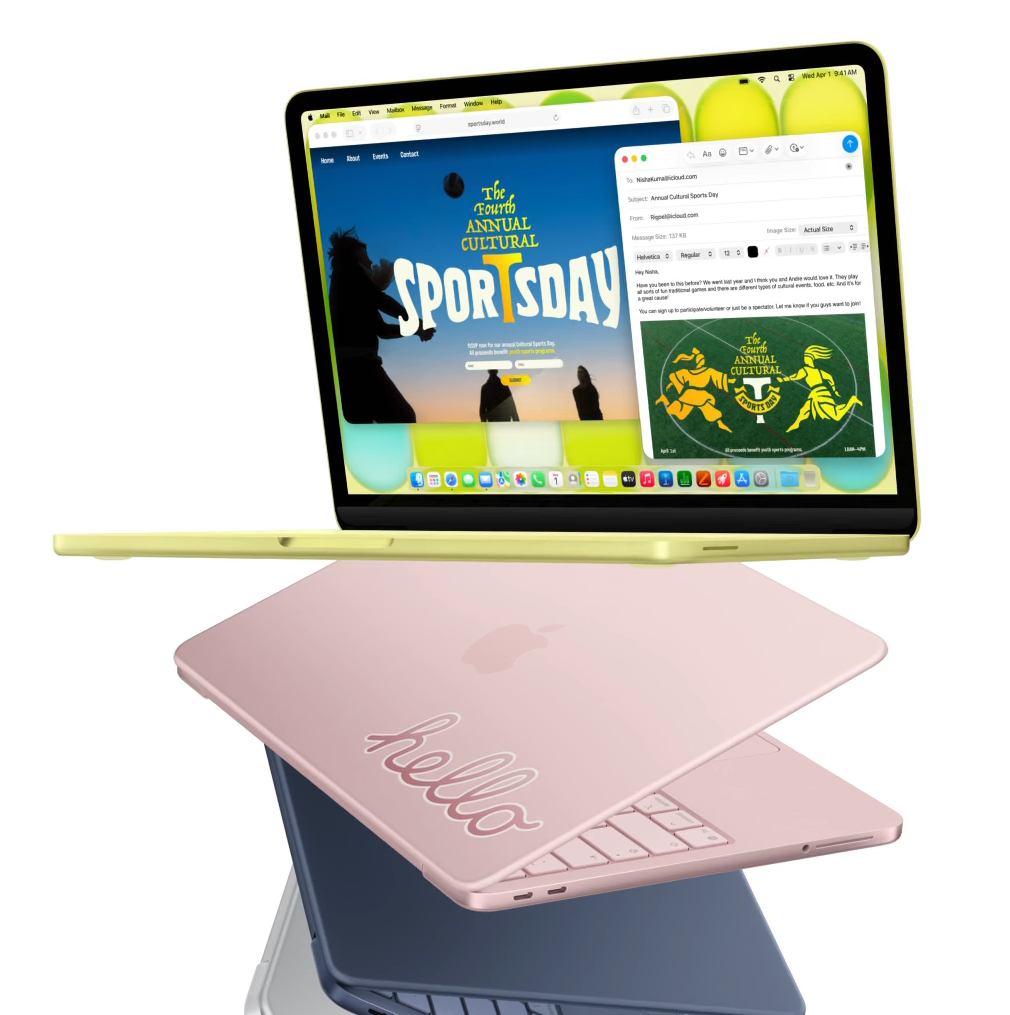
The unibody aluminum enclosure is precision-machined into a single continuous form, shaped to settle naturally against your palm. At just 2.7 lbs, it practically disappears in a backpack, and at a mere 0.5 inches thin, it slides under a standard notebook with room to spare. The anodized finish drives color deep into the metal itself rather than coating the surface, resulting in a refined matte texture that delivers an unexpected sense of quality for the price.
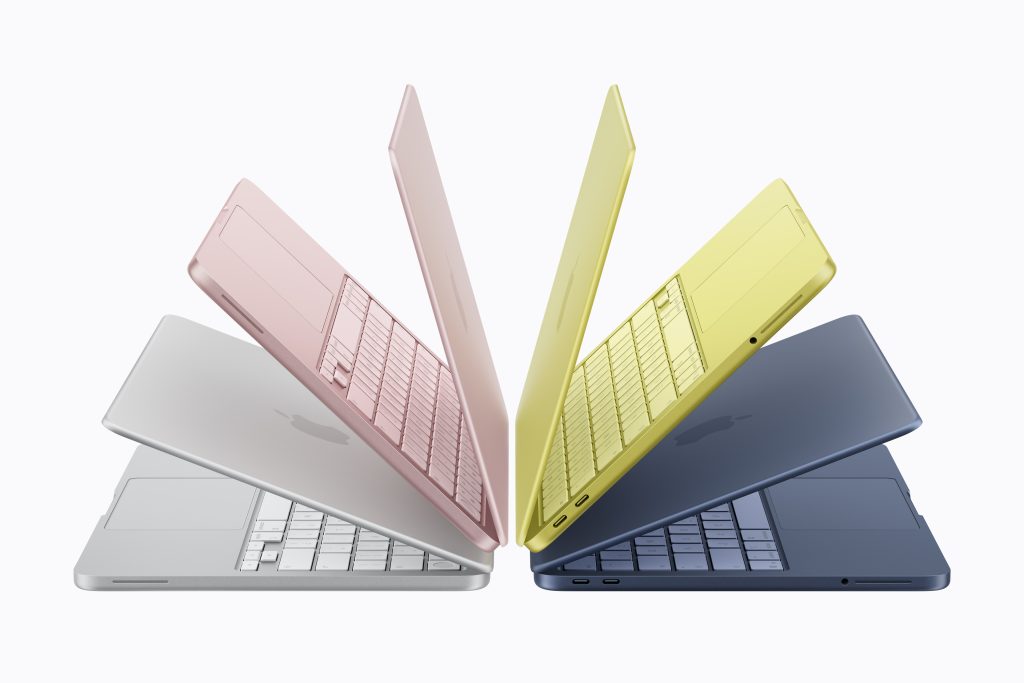
The four color options are the biggest visual talking point: silver, blush, citrus, and indigo. The soft pastel tones carry a quiet elegance, avoiding the hollow candy-colored look that often plagues budget devices. Indigo, in particular, reads as calm and professional, the kind of finish you could confidently set on a conference table. Notably, the keyboard and trackpad surfaces are color-matched to the chassis, reflecting a commitment to consistent design details that punches well above this price tier.
An iPhone Chip Now Powers a Mac
The MacBook Neo marks the first time Apple has brought the A18 Pro chip, the same silicon inside the iPhone 16 Pro, into the Mac lineup. Built on TSMC’s second-generation 3-nanometer process, it features a 6-core CPU, a 5-core GPU, a 16-core Neural Engine, and 60GB/s memory bandwidth, all within a completely fanless design.
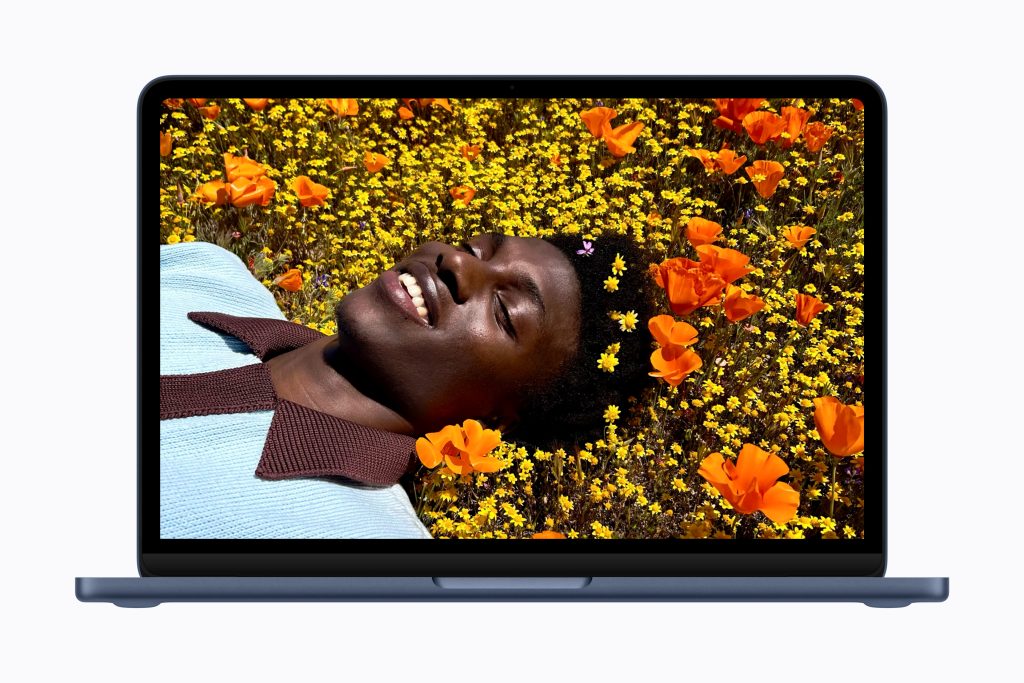



It’s worth noting that the GPU core count has been trimmed from six cores in the iPhone version to five. That is a deliberate cost decision, and it is precisely what makes it possible to keep the starting price under $600. For everyday use, Apple claims performance runs up to 50% faster than mainstream PCs running Intel Core Ultra 5 processors, and AI-related workloads can be up to 3 times faster. Overall throughput lands between the M1 and M2, making it more than capable for document work, streaming, photo editing, and light creative projects. Because there is no fan, the machine stays completely silent in libraries, coffee shops, and open-plan offices alike.

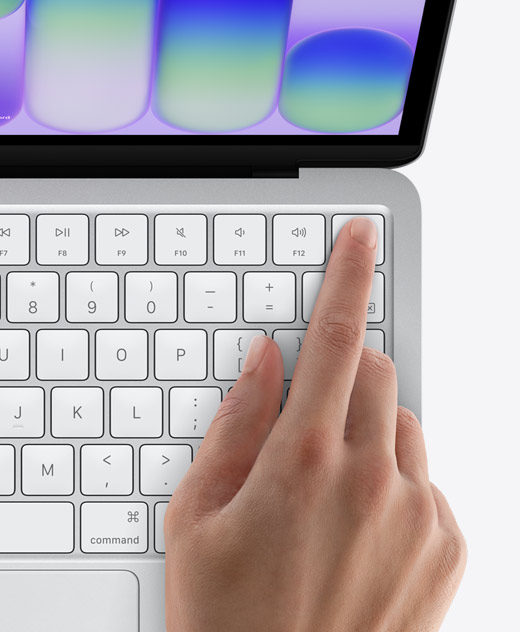
The Magic Keyboard provides enough key travel to keep fatigue at bay through long writing sessions, and the large Force Touch trackpad responds cleanly to the full range of macOS multitouch gestures. Touch ID fingerprint unlock is fast and reliable, but it is exclusive to the $699 512GB configuration; the base model at $599 does not include it, which is the kind of deliberate hardware segmentation Apple uses to protect its margin at both price points.
The 13-inch Liquid Retina display runs at 2408 x 1506 resolution (219 ppi) with 500 nits of peak brightness, supports one billion colors, and includes an anti-reflective coating. The color gamut is limited to sRGB rather than P3 wide color. For streaming and everyday tasks, that is more than enough, but designers and photographers who rely on accurate wide-gamut output will find the MacBook Neo falls short of the MacBook Air in this department, and that distinction matters.
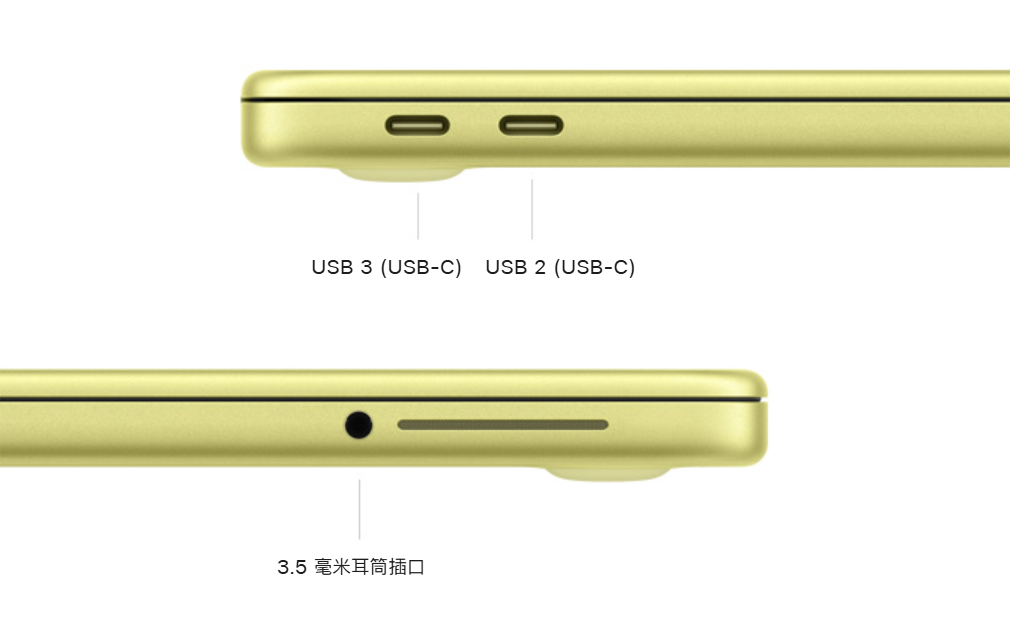
- USB 3 (USB-C, up to 10Gb/s) x1, supports external 4K 60Hz displays
- USB 2 (USB-C, up to 480Mb/s) x1, also supports charging
- 3.5mm headphone jack x1
- No MagSafe, ships with a 20W USB-C power adapter

One practical upside worth highlighting: both USB-C ports support charging, so if you leave your adapter at home, any USB-C cable will do in a pinch. The 36.5Wh battery, paired with the A18 Pro’s efficient architecture, supports up to 16 hours of video streaming and 11 hours of wireless web browsing according to Apple’s official figures. That comfortably covers a full day of classes or a solid remote work session without hunting for an outlet.
The MacBook Neo ships with macOS Tahoe and full support for Apple Intelligence, Apple’s on-device AI platform. Accessibility features include VoiceOver, Voice Control, and Live Captions. On the sustainability side, the chassis is built with 100% recycled aluminum and 60% recycled materials overall, giving it the lowest carbon footprint in the entire Mac lineup.
| Configuration | Storage | Touch ID | U.S. Price (approx.) |
| Base Model | 256GB | No | ~$599 |
| Higher-End Model | 512GB | Yes | ~$699 |
| Education Discount | 256GB | No | ~$499 |
Pre-orders are open now, with units shipping on March 11. The MacBook Neo is purpose-built for students, remote workers, streamers, and first-time Mac buyers who prioritize everyday productivity and portability over pro-grade specs. That said, if P3 wide color gamut, Thunderbolt ports, MagSafe, or the headroom of an M-series chip are non-negotiable for your workflow, the MacBook Air M5 remains the smarter long-term investment. So the real question is: at $599, is there any reason left not to finally make the switch to Mac?