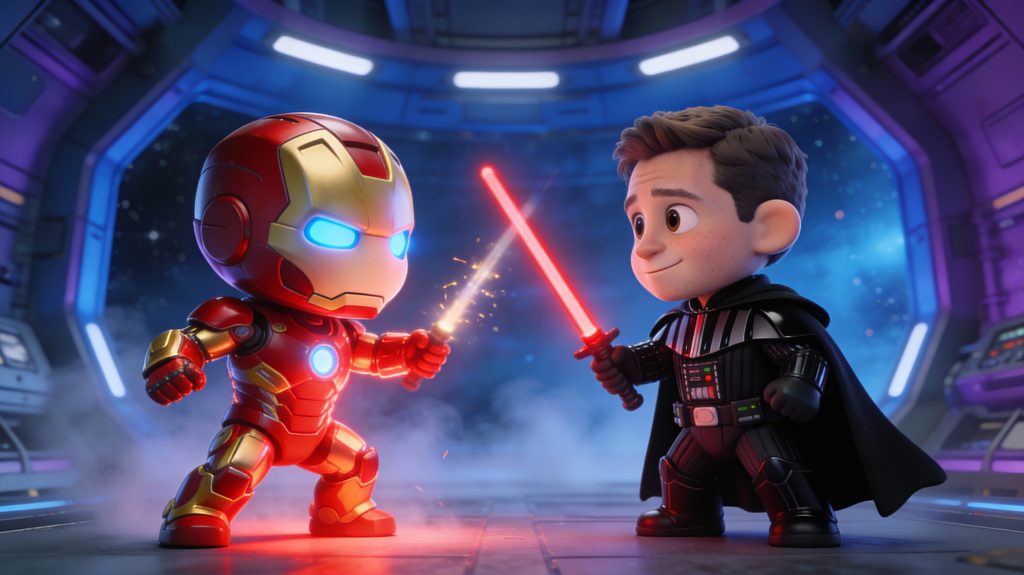
Disney has officially entered into a historic collaboration with AI giant OpenAI! The announcement states that Disney is investing 1 billion USD (approximately 7.8 billion HKD) in OpenAI and is opening up more than 200 core IP characters for use with the film generation model Sora. This means that characters ranging from Marvel’s Iron Man and Star Wars’ Luke Skywalker to classic Pixar animated figures will now be available as material for creators, with the possibility of showcasing the Secondary Creation works on Disney+.
Mickey Mouse Breaks Through Copyright Barriers
Disney, famously known as Strongest Legal Affairs Department, is breaking the mold this time by not just relying on legal letters to protect its copyrights. Instead, they’ve chosen to actively integrate their copyright pool into the AI ecosystem. According to the agreement, Disney will become Sora’s very first major content licensing partner, aiming to establish a vibrant Controlled and Safe AI creative environment.
CEO Bob Iger described this as A Bold Step Embracing AI Development. Users are expected to be able to legally invoke these characters on the Sora platform for short film creation as early as early 2026, breaking away from the previous gray area of fan creations.
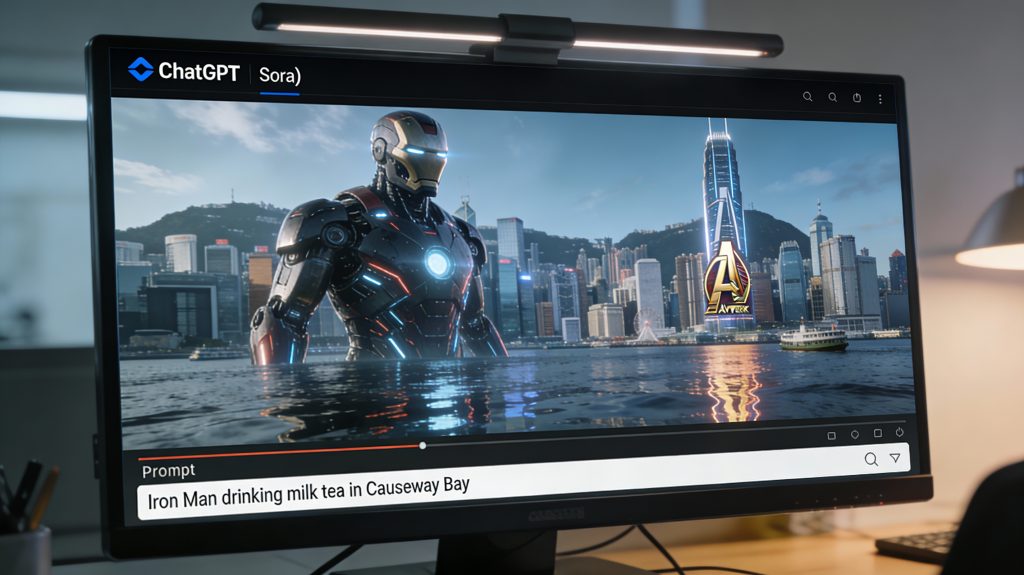
Three Major Highlights: Fans Become Official Directors
1. Creative Works Available on Disney+ Platform
The most groundbreaking aspect of this collaboration lies in Commercial Potential. Disney plans to select high-quality user-generated content (UGC) to be directly featured on the Disney+ streaming platform. This means that creations from everyday fans are no longer confined to social media; they now have the chance to stand alongside official productions, offering an unprecedented exposure opportunity for creators and animators in Hong Kong.
2. Strict Parenting Guidelines: Deepfakes are an absolute no-go zone.
Although copyright is open, Disney still strictly safeguards its brand image. The agreement includes two major red lines:
- Content Filtering Mechanism: The system automatically intercepts any commands that are pornographic, violent, or damaging to the Disney family-friendly image, ensuring that Mickey Mouse never appears in inappropriate scenarios.
- Protection of Live Actors: Collaboration is limited to animated character and Virtual Characters. Users are strictly prohibited from using AI to generate the likeness or voice of real actors such as Robert Downey Jr. or Scarlett Johansson, in order to prevent violations of actors’ rights to their likeness.
3. Internal Production Revolution: Significant Reduction in Digital Effects Costs
In addition to being available to the public, Disney’s internal staff will also fully adopt ChatGPT Enterprise and Sora to assist in production. For the film industry, this marks a significant shift, indicating that the processes of storyboarding and pre-visualization will be replaced by AI, drastically reducing the time and costs involved in post-production. This will bring a new wave of transformative pressure on traditional Hollywood behind-the-scenes personnel.
Why OpenAI instead of Google?
The editor has noticed an intriguing timing: just before announcing their investment in OpenAI, Disney issued a cease-and-desist letter to Google, accusing the tech giant of unlawfully scraping data for its AI models.
After months of negotiations by Google inaction, according to Disney CEO Bob Iger’s public statement, Disney has been in talks with Google for several months, but Google’s response has been disappointingly silent.
Iger explicitly stated during an interview on CNBC: We had discussions with Google, but ultimately, due to the lack of meaningful progress, the negotiations became futile, and we were forced to send a cease and desist letter.
Disney’s legal letter was quite blunt: Google has clearly rejected the adoption of any technical solutions to alleviate or prevent copyright infringement, even though competitors have been implementing such measures. this is the key phrase. It reveals Google’s true stance: it’s not that they can’t resolve it, but rather that they choose not to.
Google’s Systemic infringement vs. OpenAI’s Active Response

Google’s Strategy: Acting first and reporting later, leveraging its market dominance.
- Google has built an extensive ecosystem (including YouTube, Gemini, Veo, Imagen, and more), directly integrating Disney characters into its platforms and releasing them without needing consent.
- They even actively encouraged users to participate in the Disney figurine (Figurine) viral challenge, further amplifying the infringement.
- Disney claims this is Intentional Commercial Exploitation (Deliberate Commercial Exploitation), not an unintended oversight, but rather a meticulously crafted profit model.
OpenAI’s Strategy: Rapid adjustments, showcasing a willingness to compromise.
- Sora 2.0 launched just 72 hours ago, and Sam Altman has already announced a policy change.
- Change from Use it first, then decide (Opt-out) to Ask for consent (Opt-in), and promise to launch a Revenue-Sharing Model.
- Actively inviting copyright holders to participate in defining the boundaries of usage, this is what the designer said Controllable Generation.
These two completely different attitudes determine who is Potential Partners and who is Opponents that require legal measures to deal with..
YouTube TV negotiation A lesson from the past.

Interestingly, the relationship between Disney and Google has already crumbled on another front. During the licensing negotiations for YouTube TV, Disney accused Google of attempting to Using its market power to devalue content., even resulting in the removal of ESPN, ABC, and the National Geographic channel from YouTube TV.
Google’s response is: DisneyForced Price Increases.
This historical moment is crucial as it highlights that the trust between Disney and Google has completely shattered. When a company is so adamant about its stance on streaming rights, why should Disney believe that it will adhere to promises regarding AI licensing? In contrast, a key difference with OpenAI is its willingness to assume legal responsibility for its clients. In 2023, Sam Altman launched the Copyright Shield plan, committing to cover any copyright infringement lawsuit costs for customers using ChatGPT.
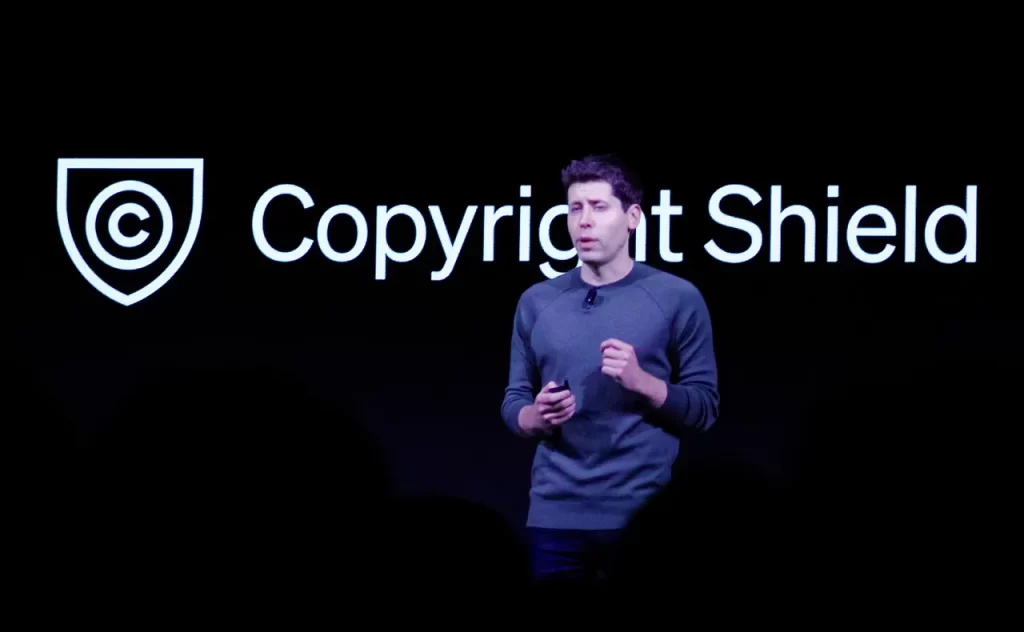
This is referred to as Risk Transference, where one party is willing to bear the negative consequences of the decisions made by the other party. Google has never mentioned any similar guarantees. This case is worth pondering for Hong Kong’s creative industry: When collaborating with tech giants, don’t be misled by technical metrics. What truly matters is whether the other party is willing to listen to your voice. Google’s Veo may offer clearer rendering in certain scenarios compared to Sora, but what Disney needs is not The best tools, but rather Reliable partners you can trust..