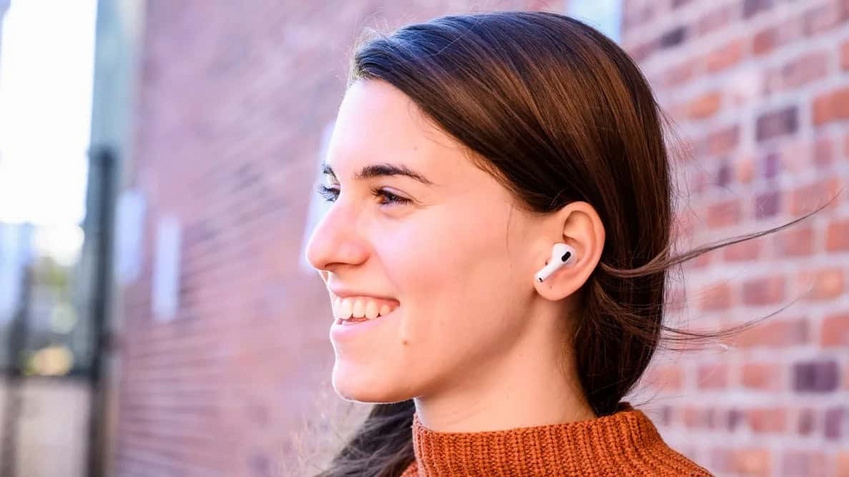
As noise-canceling headphones become increasingly popular, more and more young people in Hong Kong are reporting difficulties with auditory processing, with some even diagnosed with Auditory Processing Disorder (APD). According to observations from British experts, excessive use of headphones may be linked to this phenomenon. While noise-canceling headphones can help avoid external noise interference, the long-term effects of their use on auditory processing remain under-researched, prompting many hearing specialists to call for a deeper investigation into this issue.
The BBC reports on Sophie, an administrative assistant from London, who has lived in a noisy environment for many years and has gradually realized that her ability to discern sounds has declined. Even though she can hear the surrounding noise, Sophie struggles to quickly identify the source of the sounds, which leads others to misinterpret her as being inattentive. After undergoing professional tests, she was diagnosed with auditory processing disorder; while her hearing tests are normal, her brain fails to process sounds effectively. Her hearing specialist believes that excessive use of noise-canceling headphones is one of the root causes of the problem.
Sophie’s situation isn’t unique. More and more young people are being referred to audiologists for hearing problems, only to discover that their hearing is actually normal. This increasing trend has raised eyebrows among hearing specialists, especially as noise-canceling headphones are used for extended periods. Sophie uses her headphones for up to five hours a day, and experts warn that such habits can disrupt the brain’s ability to filter and recognize sounds.
According to Renee Almeida, the Head of Adult Hearing Clinical Services at Imperial College Healthcare NHS Trust, auditory processing and listening skills are fundamentally different concepts. She emphasizes that the brain needs a variety of sounds to help identify important information, while noise-cancelling headphones may lead the brain to miss out on these diverse sound inputs, impacting the development of hearing skills in teenagers even more significantly.
Experts point out that while noise-canceling headphones can prevent long-term noise damage, they may also cause wearers to overlook important signals in their environment, such as traffic sounds or alarms, which can negatively affect the brain’s auditory processing capabilities.
Currently, treatment options for young people or adults with APD include specialized auditory training programs and assistive devices like low-gain hearing aids. However, these treatments are not affordable for everyone, particularly among adults outside of the educational system, who often face challenges accessing the necessary equipment. Experts recommend reducing the use of noise-canceling headphones and considering the use of transparency mode to keep the listening environment open.