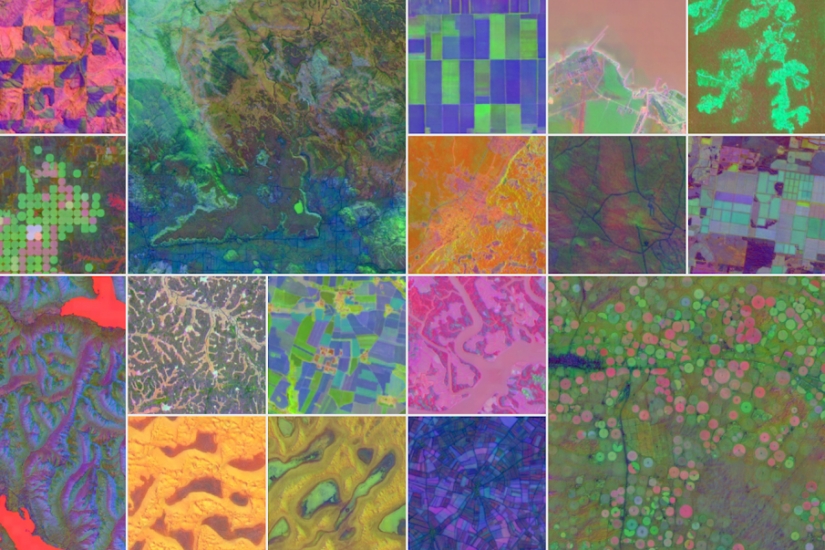
Google DeepMind, in collaboration with Google Research, has unveiled its latest multimodal earth observation AI model, AlphaEarth Foundations, aiming to redefine our understanding of the planet. This innovative model integrates vast amounts of information from diverse data sources, including multispectral satellite imagery, climate monitoring data, terrain information, and records of human activities. This allows researchers to construct a more comprehensive and accurate picture of the Earth’s surface, climate change, and ecological conditions with increased speed and precision.

This model is specifically designed for Earth observation missions and currently encompasses over 14,000 observation variables, including data on land cover changes, temperature distribution, pressure changes, ocean dynamics, and more. The research team states that AlphaEarth Foundations not only possesses strong predictive capabilities but also has the ability to generate entirely new maps using historical data, thereby assisting scholars and policymakers in gaining clearer insights into environmental trends.
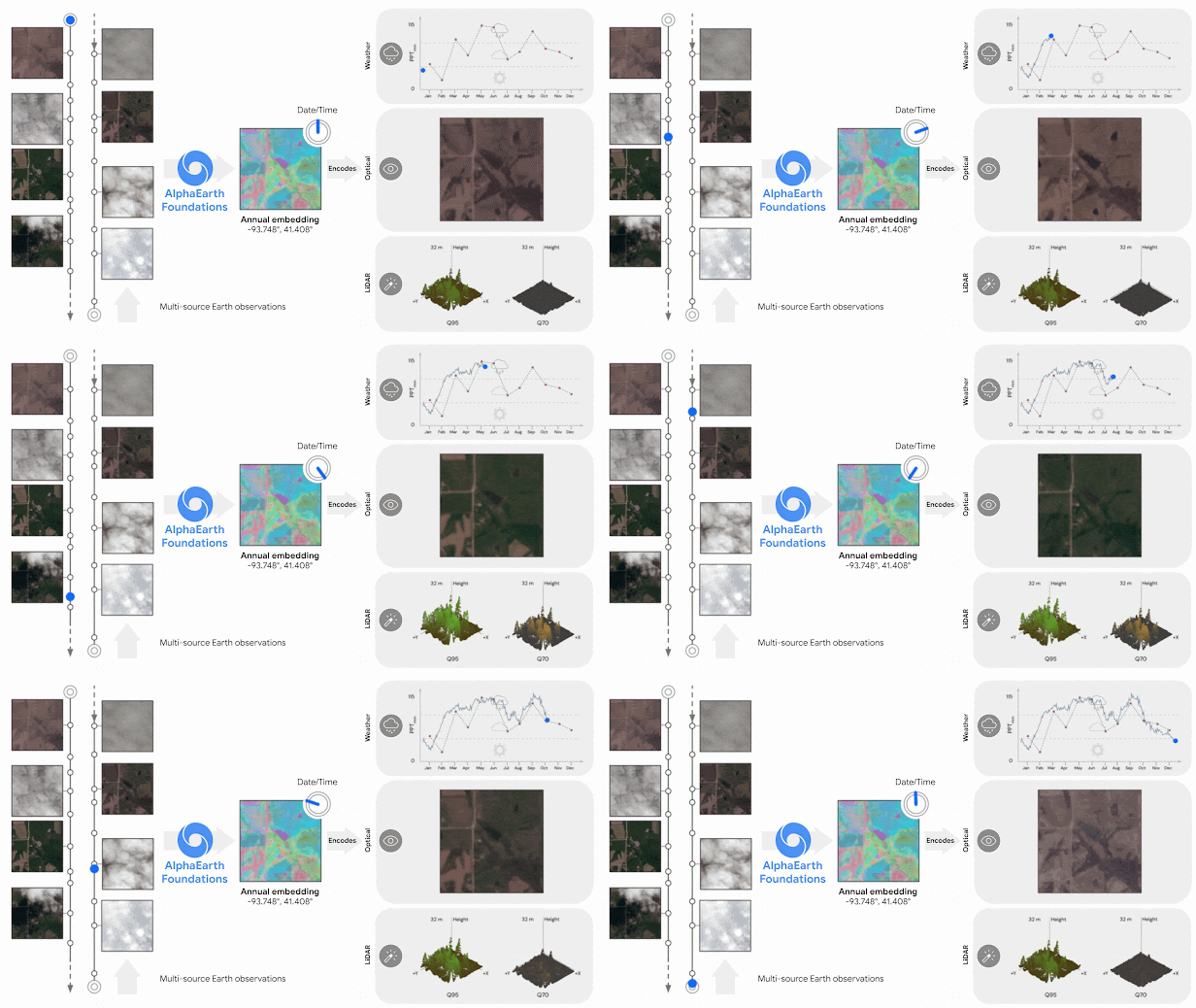
AlphaEarth Foundations utilizes a multimodal large language model architecture, drawing on training data from a variety of open-source databases released by prominent institutions, including NASA MODIS, NOAA, and ESA Copernicus. This extensive dataset spans global information from 1990 to 2022, amounting to over 5 billion geographical data points. Thanks to high-efficiency training techniques, the model can automatically identify various environmental types and their changing trends, such as forest degradation, extreme climate hotspots, and drought expansion.

After testing in various geographical regions, the model has demonstrated high stability and cross-regional generalization capabilities. Whether in the Sahara Desert, the Amazon Rainforest, or the Antarctic ice sheet, AlphaEarth Foundations can accurately generate localized change forecast layers. This ability makes it a potential core tool for global research and application units, especially valuable in climate research, agricultural monitoring, urban development, and environmental conservation.
In addition to data integration and analysis, AlphaEarth Foundations also emphasizes openness and sharing. Google Research states that it will continue to publicly share more model weights and datasets in the future, aiming to foster collaboration between academia and industry, propelling global environmental science research forward. The research team also mentioned that they are planning to release interactive platform tools, making it easier for non-professionals to engage with AI technology for environmental analysis.
Through this collaboration, Google DeepMind and Google Research are showcasing the tangible application potential of AI in the field of climate technology, setting new standards for Earth system modeling, while also further validating the problem-solving capabilities of multimodal AI on complex real-world issues. This isn’t just a technological breakthrough; it could potentially mark a significant turning point for future environmental decision-making.