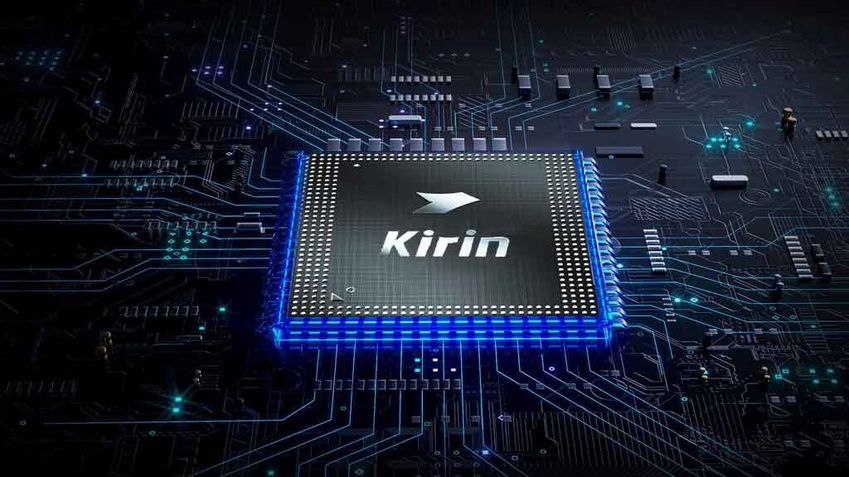
Huawei's recent announcement of the Kirin X90 chip has sparked widespread discussion, with initial comments suggesting it might use a 5nm process. However, the latest teardown analysis reveals that the processor is actually manufactured by SMIC using a 7nm (N+2) technology. This indicates that SMIC has yet to achieve the capacity for mass production of a 5nm process.
At the same time, Huawei's MateBook Fold | Ultimate Design is making a dazzling debut, set to launch in May 2025. This laptop marks Huawei's first self-developed product and comes equipped with the brand-new HarmonyOS 5. While Huawei has not explicitly revealed the manufacturing process used for the Kirin X90 chip, industry speculation suggests it may implement SMIC's 5nm (N+3) technology. A report from TechInsights confirms that this chip still utilizes the N+2 process, highlighting the ongoing challenges that SMIC faces in advanced manufacturing technology.
Moreover, these findings indicate that the U.S. implementation of technology controls may have long-term effects on SMIC's ability to develop chips for mobile phones, computers, and cloud AI applications. Due to a lack of critical equipment, including extreme ultraviolet (EUV) lithography machines, China's wafer foundries still face significant challenges in launching advanced manufacturing processes.
Experts have pointed out that if Huawei continues to rely on 7nm technology, it will gradually widen the performance gap between itself and rivals like Apple (M3 and M4 series), AMD (Ryzen 8040 series), and Qualcomm (Snapdragon X Elite series). Moreover, with TSMC, Samsung, Intel, and Rapidus expected to launch 2nm processes within the next 12 to 24 months, China could find itself lagging behind global leaders by at least three technology generations in terms of manufacturing capabilities.