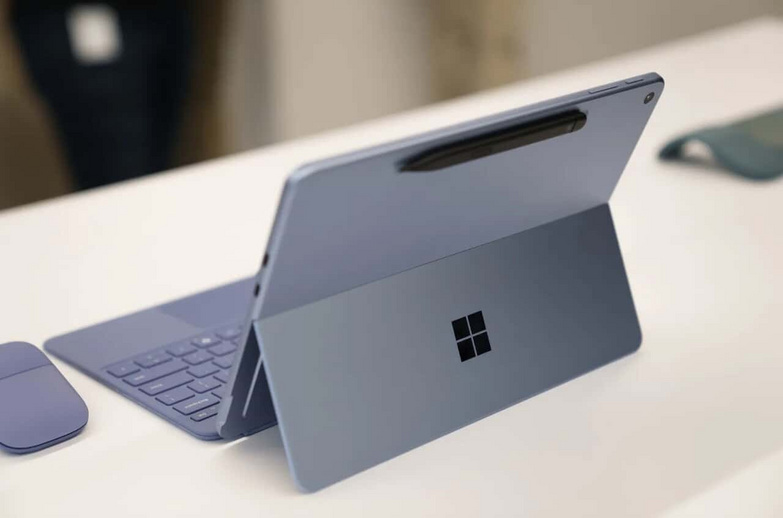
Microsoft has recently launched two new Surface devices, including the 12-inch Surface Pro and the budget-friendly 13-inch Surface Laptop. Both products have abandoned the Surface Connect magnetic charging port that has been in use for years, opting instead for USB-C as the sole charging method. This marks the end of Microsoft’s proprietary charging standard, as the company fully embraces the universal USB-C specification.
The latest Surface Pro 12-inch and Surface Laptop 13-inch models will no longer come with a charger included. This decision aligns with the EU's policy to reduce electronic waste, phasing out proprietary standards, and adapting to the unified charging trend in the market. Users will need to prepare their own USB-C chargers to power their devices, marking a significant shift from the previous compatibility with all generations of Surface devices using Surface Connect.
Although Microsoft replaced Surface Connect with micro-USB as early as the Surface 3, it retained this design in the Pro series to allow users to continue using their old chargers. Now, with Microsoft's growing confidence in embracing USB-C and the market's widespread acceptance of this standard, upcoming high-end Surface Pro and Surface Laptop models are expected to fully transition to USB-C.
In the past, Microsoft faced criticism for not providing timely support for USB-C. Years ago, they even launched a USB-C adapter, with then Surface Business Director Panos Panay humorously referring to it as the choice of For those who love adapters. However, after years of development, Microsoft has finally responded to the USB-C trend by removing the Surface Connect and no longer including a dedicated charger, committing to align with international waste reduction policies.
Although Surface Connect offers a stable connection and a magnetic design, which holds a certain nostalgic value for long-time Surface users, the development of the times has led to Surface devices gradually adopting industry standards, an irreversible trend. This move by Microsoft signifies that future product designs will place greater emphasis on universality and environmental sustainability, while also providing users with more flexible charging options.