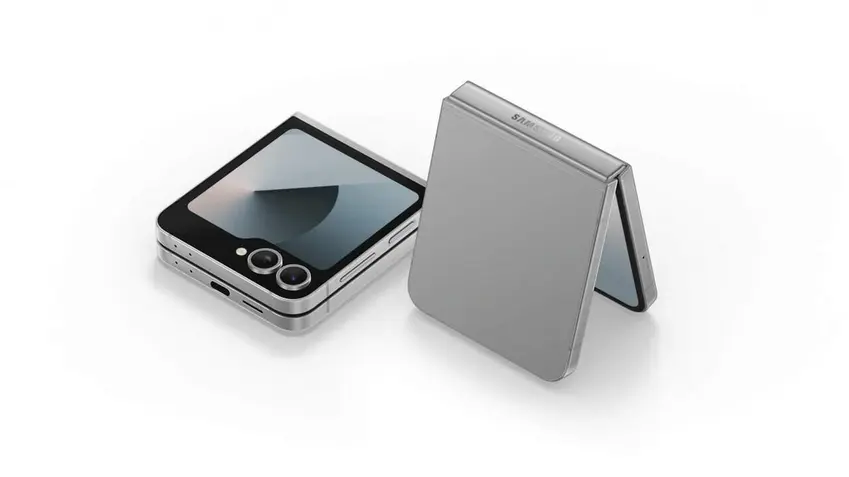
According to a report from the South Korean website The Elec, Samsung is gearing up to drop a fresh iteration of its Galaxy Z Flip phone in 2025. Get ready for the Galaxy Z Flip7, which marks a monumental shift as it will be the first to sport Samsung’s in-house developed Exynos 2500 processor. Up until now, Samsung’s folding beauties have always rocked Qualcomm’s flagship chips, but this move signals a major flex in Samsung’s quest for tech self-reliance.
Reports have revealed that Samsung’s System LSI division is setting its sights on launching the Galaxy Z Flip7 in the latter half of next year with the Exynos 2500 processor on board. Industry insiders initially speculated that the Exynos 2500 wouldn’t grace the upcoming Galaxy S series flagships, suggesting it’s better suited for the foldable market. Sources at The Elec stress that the Exynos 2500 will kick off its mass production next year with no major supply issues anticipated.
This decision carries significant weight for a couple of reasons. Firstly, the fact that the Exynos 2500 hasn’t made its debut in the high-demand S series phones suggests its market position might still be niche. Secondly, this processor’s breakthrough into the foldable phone market underscores Samsung’s strategy to push its own chips in its premium product lines.
While Samsung is all-in on the foldable phone game, their market share is still kinda on the slim side, and let’s just say, growth isn’t exactly skyrocketing. The real deal impact of the Exynos 2500 chip is still up in the air, waiting for the jury to come back with a verdict. Plus, there’s buzz that slotting the Exynos 2500 into foldables might have something to do with the upped game of Samsung’s second-gen 3nm tech stability. So, yes, it’s a tech plot twist that’s waiting to unfold!
According to forecasts, Samsung is set to produce about 229.4 million smartphones in 2025, with the Galaxy Z Flip7 seeing a production run of approximately 3 million units. The entry-level model, Galaxy Z Flip FE, will see even more exclusive numbers, with just about 900,000 units, underlining the precision of its market strategy with these tightly controlled shares.