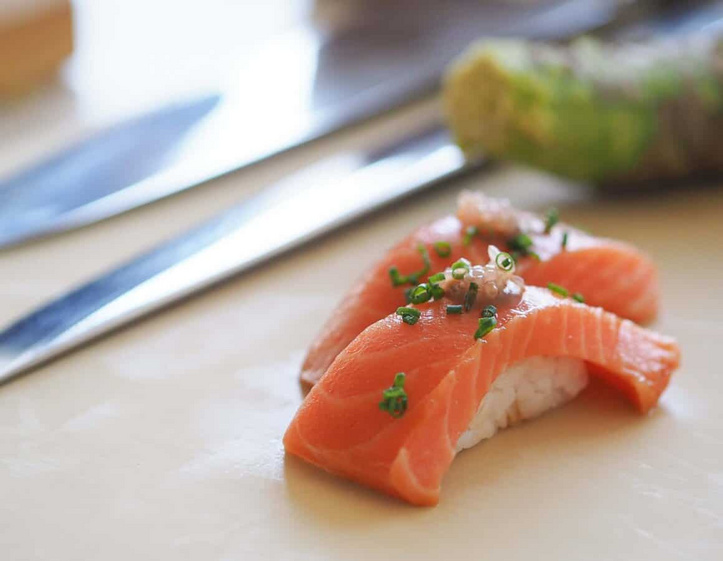
Wildtype’s latest technology allows us to cultivate real salmon in the lab without relying on traditional fishing or farming methods. This innovative process consists of four main steps. First, live cells are extracted from Pacific salmon and then nurtured in a culture vessel that resembles a beer fermentation tank, using a rich blend of proteins, sugars, and fats to promote cell growth. Next, these cells are collected and combined with plant-based ingredients to recreate the flavor and texture of salmon fillets, ultimately resulting in sushi-grade products.
Recently, the U.S. Food and Drug Administration (FDA) issued its first advisory approval regarding the safety of lab-grown fish, making it the fourth company in the U.S. authorized to sell cultured animal products on the market. Wildtype’s cultivated salmon is now being served at Kann restaurant in Portland, with plans for further expansion into other eateries.
Last week, Wildtype received a letter from the FDA confirming the safety of its cultivated salmon No problem, stating that these products are equivalent in safety to traditional foods. Unlike cultivated meats, which require oversight from the USDA, the FDA holds exclusive regulatory authority over most lab-grown seafood. While pre-market safety consultations are voluntary, such approvals help enhance market acceptance.
Currently, four companies in the United States have received authorization to sell cell-cultured animal products. This includes Upside Foods and Good Meat, which focus on cultivating chicken meat. Additionally, Mission Barns has obtained FDA approval and is now awaiting USDA authorization.
Despite the federal government’s approval becoming a reality, state regulations remain complex. As lab-cultured meats have become a hot topic among many conservatives, eight states have already banned the sale of such products, posing challenges for the industry’s future development.
Wildtype’s recent success marks a significant milestone for lab-grown seafood in the U.S. market. As the technology matures and costs decrease, more companies are expected to submit similar product approval applications. However, there are still challenges such as resistance from state governments and consumer acceptance. The industry hopes that through gradual promotion, consumers will embrace this emerging food technology.
Wildtype’s first product Saku is designed specifically for sashimi. After nearly a decade of research and development, the cultivated salmon retains the freshness and melt-in-your-mouth texture characteristic of traditional salmon. It also contains the same levels of Omega-3 and Omega-6 fatty acids found in conventional salmon, but is free from harmful substances such as mercury, antibiotics, and parasites, avoiding the destructive fishing and farming practices that harm the environment. This product is manufactured in a strictly controlled environment, providing consumers with the safest and most sustainable seafood option, showcasing an innovative alternative to both wild and farmed fish.