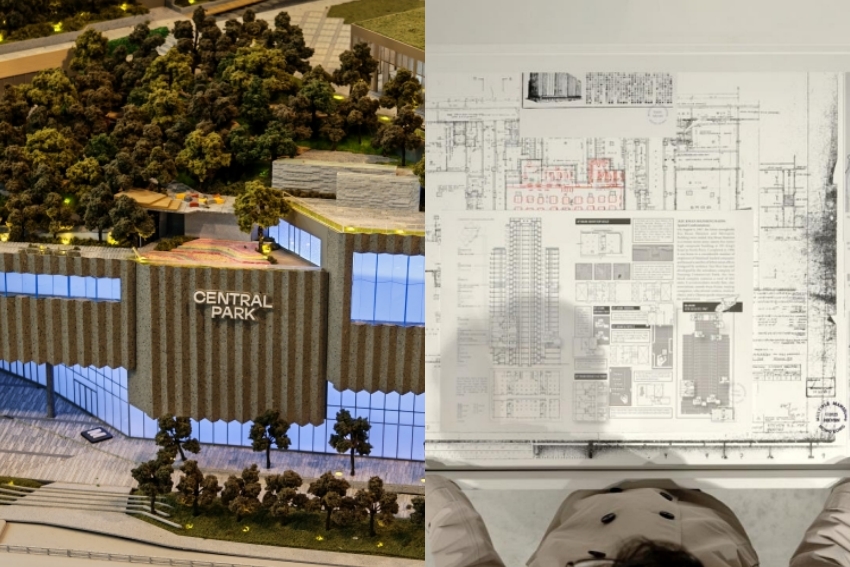
Every January, Bangkok undergoes a brief yet vibrant transformation that electrifies the cityscape. Shopping malls, alleyways, public squares, abandoned spaces, and riverfront lands seem to morph overnight into exhibition venues, showcasing the fruits of design, art, technology, education, and community spirit. This is Bangkok Design Week—a celebration that transcends the design profession, transforming into an experimental platform that tests the possibilities of urban life. As a key cultural initiative driven by the Thailand Creative Economy Agency (CEA), the design week attracts over four hundred thousand visitors each year, temporarily turning the entire city into a space ripe for exploration and discussion.
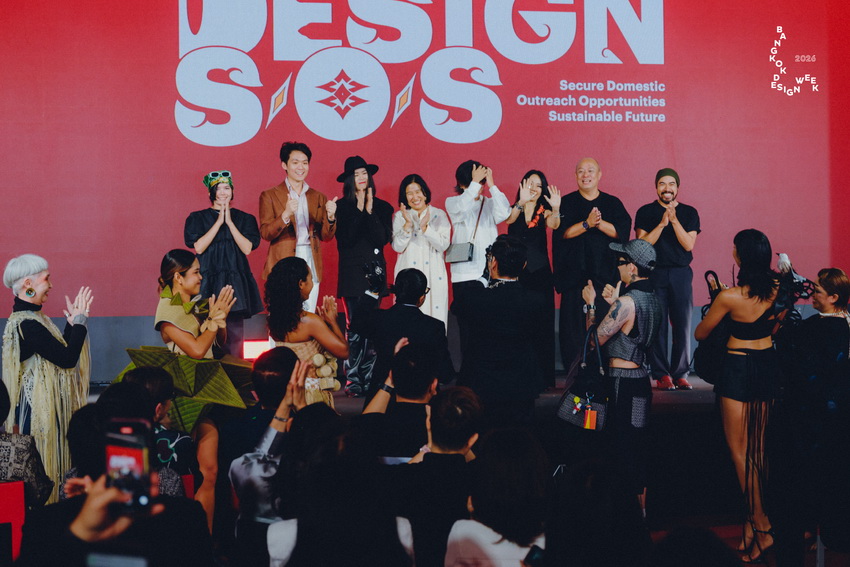
The 2026 Bangkok Design Week will revolve around the theme DESIGN S/O/S, addressing how design can respond to the various crises and transformations faced by modern cities. S/O/S not only represents an urgent call for help but also signifies three key design action directions: Secure Domestic, Outreach Opportunities, and Sustainable Future. When design transcends mere aesthetics to become a convergence of policy, space, economy, and culture, architectural design naturally emerges as the most intuitive and persuasive form of expression.
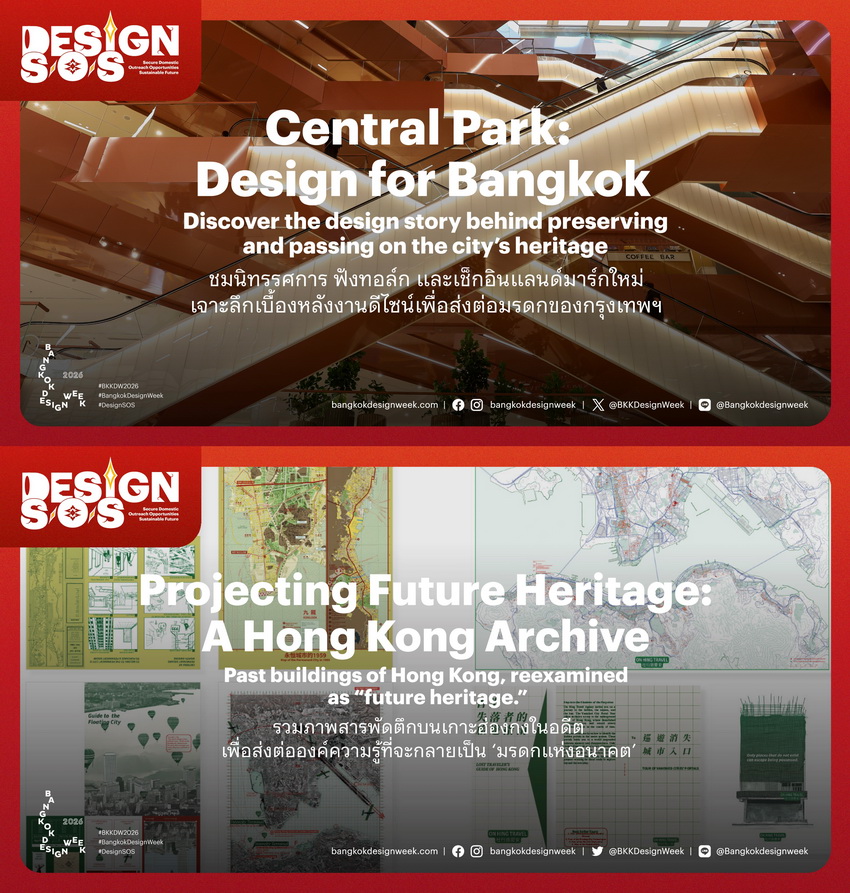
This year’s exhibition features Central Park Design for Bangkok and Projecting Future Heritage: A Hong Kong Archive showcasing two distinctly contrasting architectural perspectives: one that looks to the future, responding to urban renewal and shifts in lifestyle, and another that gazes back into the past, preserving the vanishing memories of the city through archives and research. Through these two projects, Bangkok Design Week ignites architectural discussions within the city across different scales and timelines.
Bangkok’s New Heart: Central Park Design for Bangkok
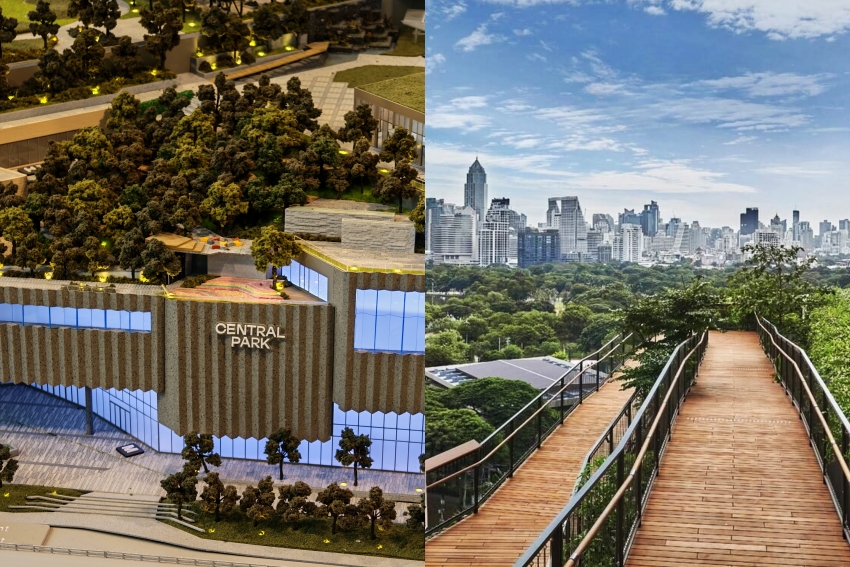
Located in the heart of the city, directly facing Lumpini Park, Dusit Central Park is a collaborative project by Dusit Thani Group and Central Group, recognized as one of Bangkok’s most iconic urban renewal initiatives in recent years. During Bangkok Design Week 2026, Central Park Design for Bangkok will showcase its design vision through an exhibition format, allowing the public to grasp how this large-scale urban project responds to Bangkok’s urban context, along with the spatial imagination and value orientation it embodies.
Unlike typical real estate showcases, this exhibition intentionally steers clear of a direct emphasis on scale, luxury, or technology. Instead, it shifts the focus to the relationship between urban landscapes and nature, as well as culture and everyday life, exploring how architecture and spatial strategies can be reorganized and expressed.
In an interview, project asset director Kunayudh Dej-Udom pointed out that the real challenge lies not in creating a visually striking landmark building, but in maintaining a clear and cohesive urban narrative amidst a cacophony of design voices. When different designers and professional teams each have their distinct aesthetic orientations and working methods, the core issue of project management becomes establishing a common value framework that enables all design decisions to align with the same urban vision.
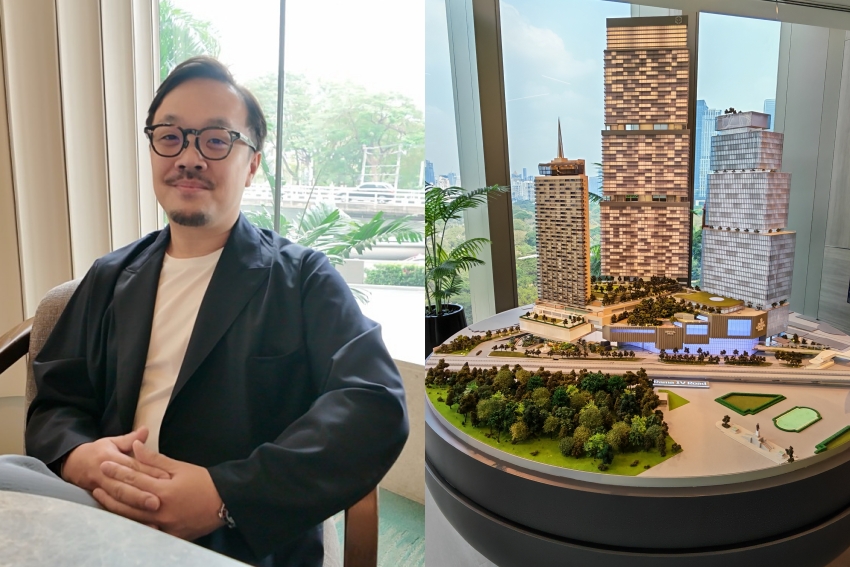
Kunayudh emphasizes that the concept of We don’t just place buildings within cities; we allow them to become part of the environment. is reflected on multiple levels. This includes a highly open ground layer, the integration with the public transportation system, and a city interface that visually and physically extends towards Lumpini Park. This design allows urban activities to flow naturally while seamlessly incorporating natural landscapes into everyday life.
One of the biggest challenges facing the Central Park project isn’t about style or engineering techniques; it’s about the highly complex collaborative structure involved. As a comprehensive urban project that spans commerce, public space, landscaping, ecology, and transportation systems, it’s not led by a single architect. Instead, it brings together a diverse team of designers and consultants from various backgrounds, specialties, and cultural perspectives to work collaboratively.
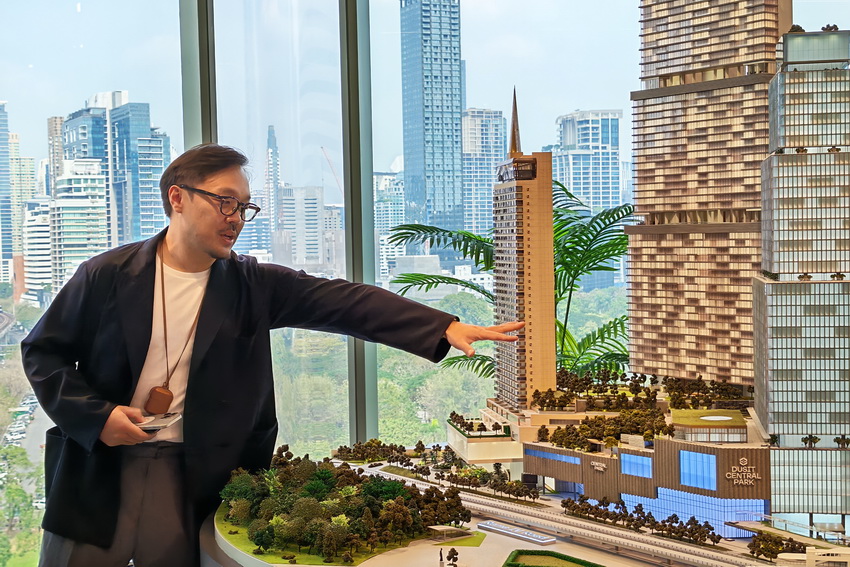
This cross-disciplinary, multi-role collaborative model perfectly echoes the urban spirit emphasized by Bangkok Design Week—cities are never shaped by a single voice, but rather they gradually come to life through ongoing negotiation and adjustment. Central Park doesn’t aim to smooth out differences; instead, it views collaboration as an integral part of the design process, allowing various disciplines to thrive within the same system rather than competing against one another.
In terms of architecture and spatial strategy, the project intentionally seeks a sense of A recognizable Thai vibe. This sense of place is not achieved through direct references to traditional architectural forms, but rather stems from an understanding of the rhythm of urban life in Bangkok, the conditions of the tropical climate, and the ways in which spaces are used daily. The design team chose to use spatial experience as a medium for cultural expression, allowing the architecture to naturally reveal its urban character as it is being utilized.
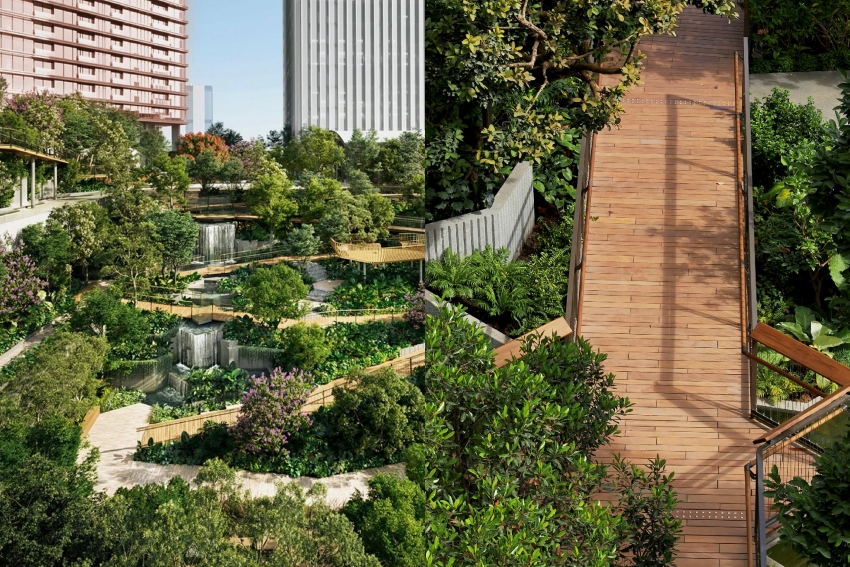
For instance, the rooftop parks and public spaces extensively incorporate local tropical plants, creating a harmonious urban landscape that thrives alongside nature. The design emphasizes spatial scale, shade, and material selection to enhance comfort and encourage lingering, addressing the needs for ventilation, shade, and leisurely movement in tropical cities. These design strategies ensure that buildings maintain a sense of closeness to nature, prioritizing interaction and everyday activities even within high-density urban environments. They enable users to intuitively recognize their cultural and geographical context. This approach encourages people to slow down, linger, and engage, transforming architecture into an extension of urban life rather than mere background that is rapidly consumed. As part of the Bangkok Design Week exhibition, Central Park Design for Bangkok resonates with the curation themes of Secure Domestic and Sustainable Future—delving into a profound understanding of local urban conditions, it explores how Bangkok can continue to build a core that embodies local identity amidst globalization.
Building the Future with Memory: Projecting Future Heritage
If Central Park Design for Bangkok depicts a core of a future city that is still in the making, then Projecting Future Heritage: A Hong Kong Archive takes a different approach—before the city undergoes rapid transformation, it aims to establish an architectural archive that is readable, understandable, and sustainable for those buildings and lifestyles that are about to be overlooked, destroyed, or forgotten.
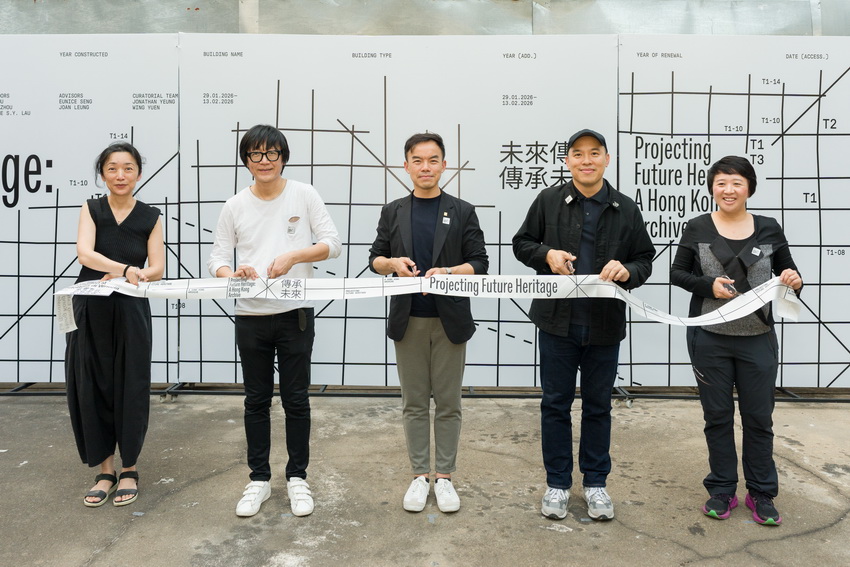
This architectural touring exhibition originates from the Hong Kong Pavilion at the 2025 Venice International Architecture Biennale and will be showcased in 2026 as a significant international project at Bangkok Design Week. It will be held at The Former Residence of Prince Sawasdiprawat, a historic royal building in Bangkok. The choice of this venue creates a spatial contrast, placing the exhibition within another Asian city that has also experienced rapid modernization.
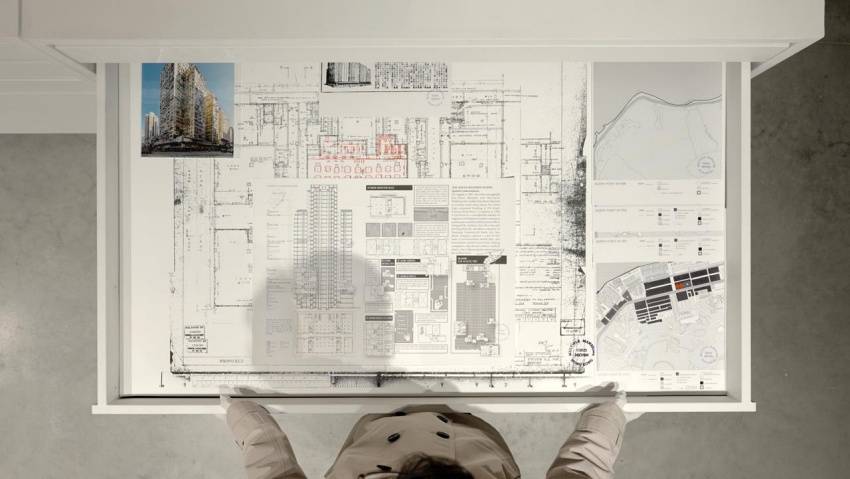
The curatorial team has shifted focus to Hong Kong’s public architecture—those buildings designed by local architects over the decades following the war that support the daily operations of the city, yet have long been taken for granted. This includes public housing estates, multi-purpose municipal buildings, co-operative housing, markets, infrastructure, and industrial buildings. These structures may not be landmarks, but they carry the collective life experiences of the city’s residents. They don’t boast striking forms, yet demonstrate remarkable adaptability and collective ingenuity under conditions of extreme density, climate constraints, and scarce resources.
The exhibition centers around Future Architectural Heritage, deliberately breaking the established perceptions of Heritage is synonymous with historical monuments.. Through architectural surveys, models, visual records, and archival materials, it reconfigures these gradually disappearing urban fragments into knowledge that can be inherited and rethought, rather than simply remaining as memories.
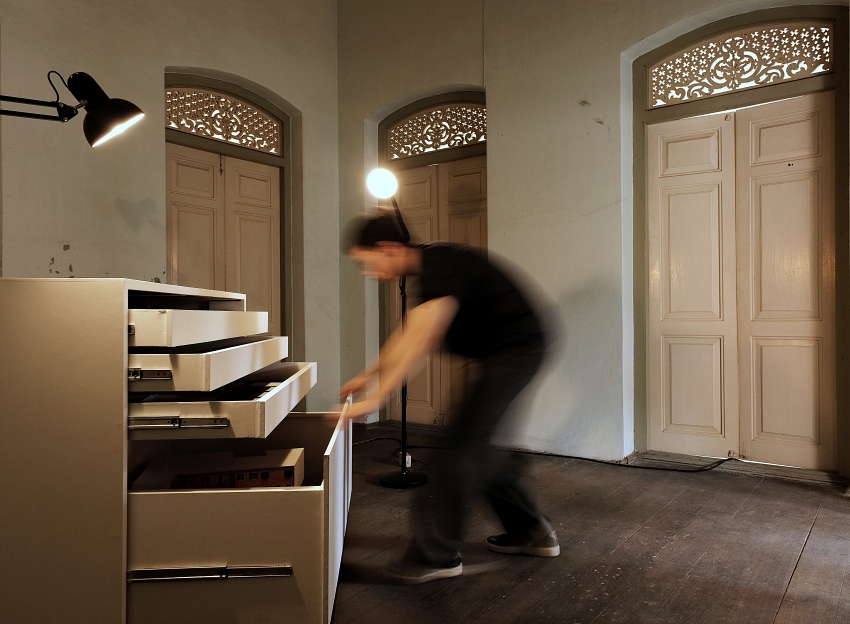
Rather than being an exhibition solely about nostalgia, it poses a question about the future: as urban development increasingly leans towards closed-off, capital-driven, and image-focused architecture, are we losing the spatial wisdom that once supported public life in our cities? And can this wisdom still offer insights for contemporary urban settings?
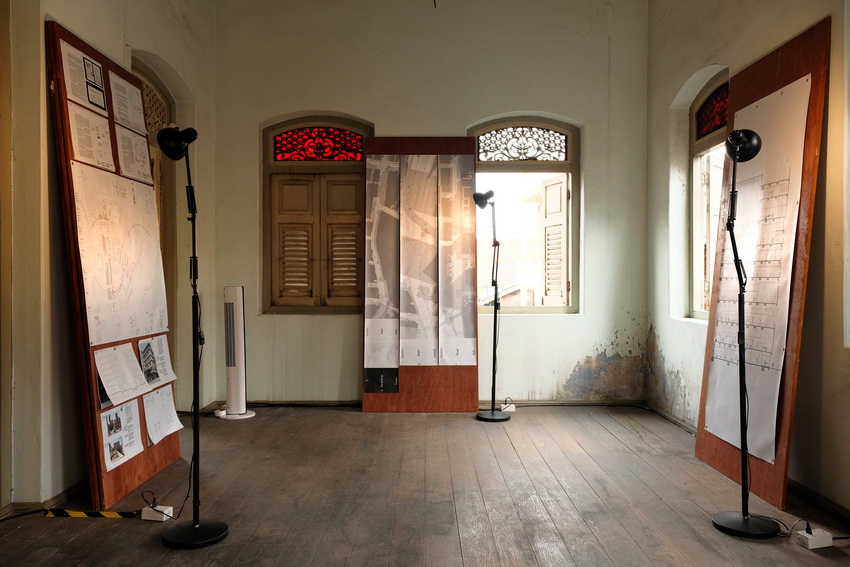
In Bangkok, this issue feels particularly relevant. As an Asian metropolis grappling with rapid development, land restructuring, and the pressures of urban renewal, what the audience sees in the exhibition is not just the story of Hong Kong, but a reflection of a familiar urban condition. How can public spaces strike a balance between density and efficiency? How can architecture maintain its cultural and social value within the economically-driven logic of the city? These questions transcend borders, creating a mirror between cities.
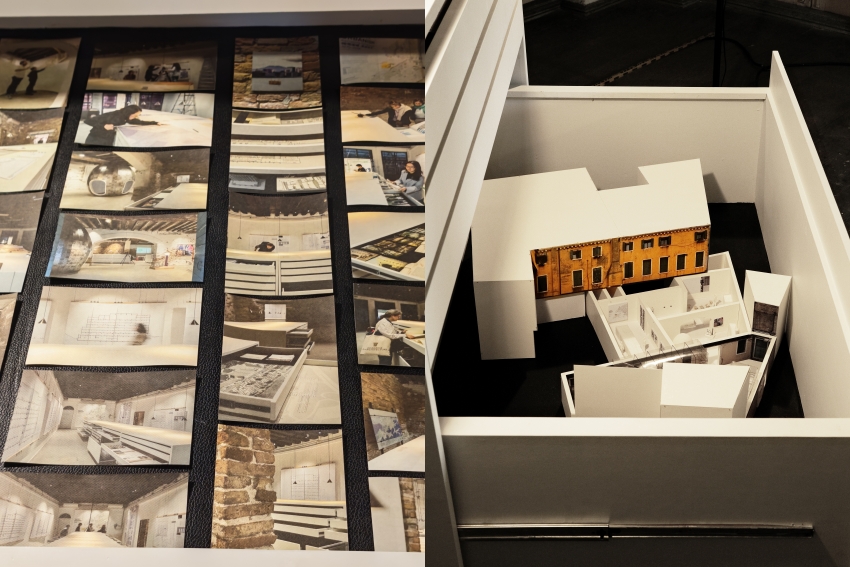
The curation intentionally juxtaposes Bangkok, Hong Kong, and Shanghai, viewing these three as urban nodes closely linked to water, infrastructure, and global mobility. Through this lateral comparison, the exhibition extracts architecture from the context of a single city, transforming it into an experience that can be understood and reinterpreted by different cities.
Under the overarching exhibition framework of Bangkok Design Week, Projecting Future Heritage perfectly resonates with the core spirit of Outreach Opportunities. The design week not only showcases Thai design but also introduces architectural experiences from other Asian cities, allowing these urban spaces to learn from each other as they face common challenges.
Architecture: Its Role in the City
When design is seen as a response to the state of the city, architecture becomes the most public medium. Whether it’s the vision of Central Park as a future urban core or Projecting Future Heritage’s preservation of micro-living spaces, both illustrate how architecture responds to the changes and tensions within the urban landscape on different scales.
Bangkok Design Week transcends boundaries not through form or scale, but by embracing cross-disciplinary collaboration, openness, and participation. It liberates architecture from the confines of professional jargon, bringing it into a broader urban perspective. With over 350 projects spanning commerce, art, community, and policy, architecture evolves beyond mere models and blueprints; it becomes a tangible urban practice that can be understood, examined, and reinterpreted.
In these brief yet intensely concentrated spatial experiments, what Bangkok presents is not a pre-defined future blueprint, but rather a city state that is still unfolding—how the city is designed, and simultaneously, how it is reinterpreted.
Bangkok Design Week
Website: www.bangkokdesignweek.com
Facebook/Instagram: bangkokdesignweek
X: @BKKDesignWeek
Line: @bangkokdesignwee