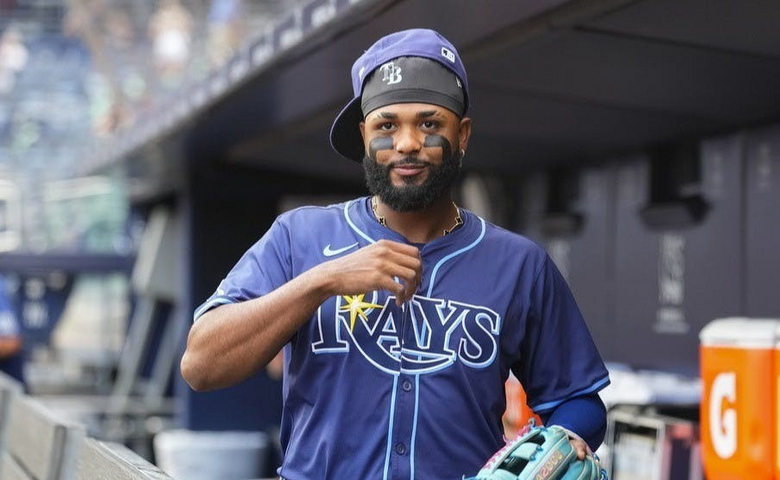
Junior Caminero is having an eye-catching breakout season, marked by his incredible bat speed that has earned him a spot in the All-Star Game, along with a trip to the finals of the Home Run Derby. As September rolls in, he has already knocked out an astonishing 39 home runs, putting him in a strong position to tie or surpass Carlos Peña’s franchise record set in 2007, becoming a source of pride for the Rays. But Caminero is shining not just at the plate; his significant progress in third base defense is set to reshape the team’s roster dynamics. He has evolved from being a burden to the pitching staff into a vital asset for the team.
Since the Home Run Derby, Caminero has consistently delivered a hot performance, boasting an OPS of .830, placing him among the top 33 in the league. This figure is a testament to the absence of what some call The Curse of the Home Run Derby. For this 22-year-old rising star, achieving such remarkable results is no small feat. While he shines at the plate with fiery hitting, his subtle improvements in third base defense are also reshaping his role on the field.
According to Statcast data, Caminero’s defensive score wasn’t initially impressive. However, when we review the data month by month, his improvement has been quite remarkable: his defensive range score was -4 in April, then it decreased to -2 in May, climbed back up to +1 in June, and maintained a solid +2 over the next two months. In other words, his performance has successfully risen from the bottom of the league to the forefront, demonstrating that his potential is being fully realized.
For this young player, who primarily played shortstop during his time in the minor leagues, reducing errors is crucial for his development. The accumulation of experience, along with the meticulous coaching from Tampa Bay Rays’ third base coach Brady Williams, has undoubtedly laid a solid foundation for him. Overall, Caminero managed to convert only 66% of defensive opportunities into outs in April, but by August, that figure had risen to 76%. While this percentage hasn’t reached elite levels yet, it clearly shows a positive growth trend, proving his value extends beyond just a strong batting ability.