In the upcoming NBA Draft, the Washington Wizards, despite not securing a top-three pick, hold the sixth and eighteenth (which was later changed to 21st) selections, giving them the chance to choose promising rookies. The Wizards currently boast a well-rounded roster, with backcourt players like Bub Carrington and AJ Johnson, alongside Kyshawn George and Bilal Coulibaly, all showcasing their versatility across multiple positions. Additionally, Alex Sarr in the paint has also demonstrated great potential for development. However, the Wizards are lacking one crucial element: a modern four-position player. If they can ideally select a four who embodies both speed and strength, akin to LeBron James or Kevin Durant, it would not only boost their defensive effectiveness but also enhance their height on the perimeter. Unfortunately, the reality of the sixth pick means the Wizards must respond adaptively, considering which rookies would best fit their tactical system.
Currently, in order to stabilize and enhance the existing roster, it might be a priority to establish the status of new players. A year-long adjustment period is crucial for the overall development of the team, especially if the chosen players are offensive types who demand a lot of ball possession, as they might not fit into the Wizards’ team system. The Wizards could consider making a move in future drafts or reevaluating opportunities in the free market after freeing up salary space in the 2026-27 season. In this draft, selecting a solid, well-skilled center like Derik Queen would undoubtedly be another effective solution.
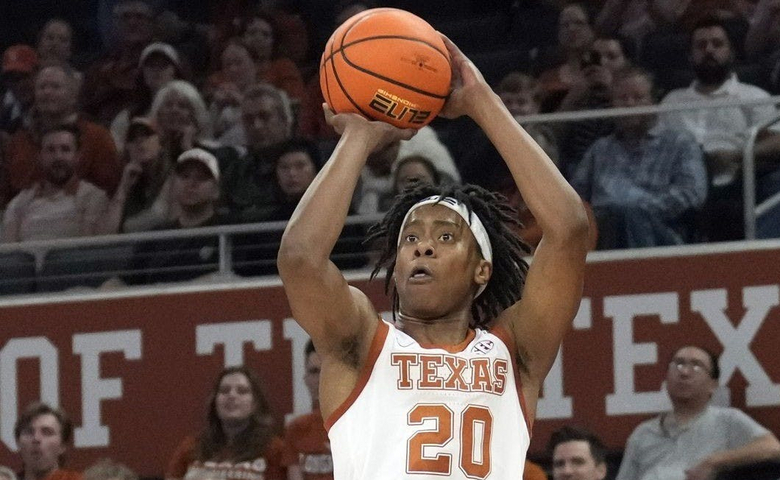
Regarding the Wizards’ draft strategy, their decision comes off as somewhat conservative. Over the past year, the team has struggled with a three-point shooting percentage of just 33.9%, ranking second to last in the league. Players with strong perimeter shooting capabilities, like Jordan Poole, Corey Kispert, and Justin Champagnie, were considered in their plans. With Poole traded before the draft, the Wizards opted for Tre Johnson, who boasts an impressive three-point shooting percentage of 39.7%. This choice can be seen as conservative yet justifiable.
Tre Johnson’s strength lies in his three-point shooting percentage and average shot attempts, showcasing his scoring ability after making off-ball movements. If he can develop a solid rapport with Sarr during the off-season, it would undoubtedly help unlock their potential within the Wizards’ tactical system. However, it’s overly optimistic to expect Johnson to immediately adapt to the intensity of the NBA, as past achievements may not necessarily translate in the league. That said, pairing him with Kelly Olynyk could potentially create better offensive spacing for the Wizards, helping Tre Johnson find more scoring opportunities.