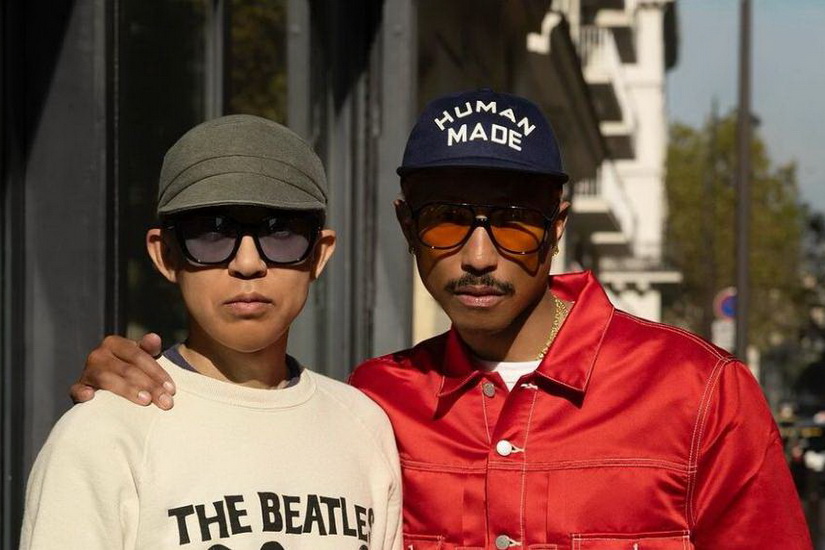
The streetwear brand Human Made, led by Nigo (Tomonori Nigo), is set to officially list on the Tokyo Stock Exchange’s Growth Market on November 27, 2025. According to the public offering documents, the brand’s share price has been set at 2,920 yen per share, with anticipated net fundraising of approximately 2.7 billion yen (around HKD 130 million), giving the overall stock an estimated valuation of about 14 billion yen. The funds raised will primarily be used to expand the brand’s direct retail stores in Japan, enhance its digital commerce platform (EC), establish overseas subsidiaries, and advance development in the European and American markets, including opening new stores in Paris and New York.
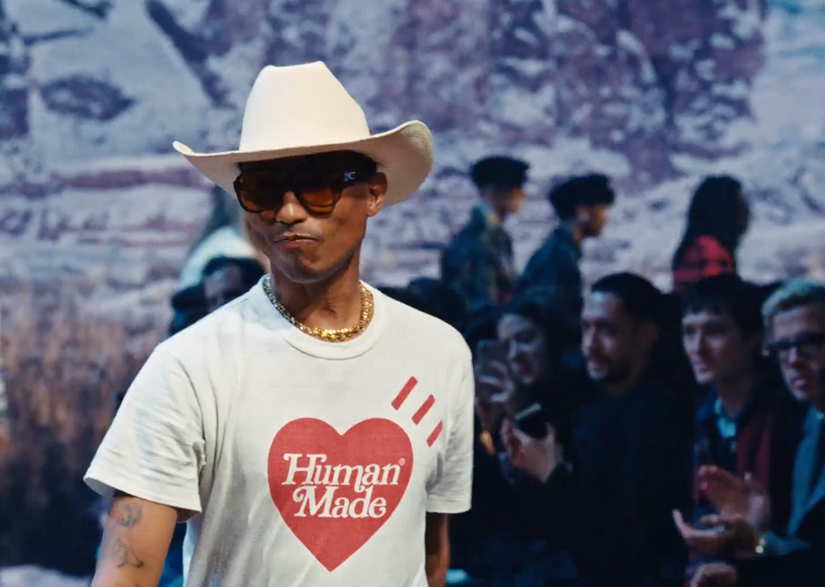
As part of its brand expansion and preparations for an IPO, the parent company of Human Made will officially change its name to HUMAN MADE Inc. in 2024, further aligning its operational direction and brand management structure. Nigo sees this IPO as a pivotal moment for the brand to enter its next stage of development. Moreover, according to reports from Japanese media outlets like WWD Japan and Fashionsnap, Nigo’s long-time collaborator Pharrell Williams is also one of the shareholders of Human Made. Although his shareholding percentage has not been publicly disclosed, as one of the key figures representing the brand in the global cultural scene, his influence on Human Made’s global positioning, brand collaborations, and market expansion strategies is significant, making him an essential ally for the brand’s entry into the European and American markets.
Revenue exceeded 11.2 billion yen, achieving an impressive profit margin of 28% amidst market challenges.
According to Human Made’s budget disclosure, the brand achieved a revenue of 11.2 billion yen and an operating profit of 3.1 billion yen for the fiscal year 2024, resulting in a profit margin of 28%. For the fiscal year ending January 2026, the projected revenue is expected to rise to 13.697 billion yen, marking an annual growth rate of 21.7%. This performance has significantly outpaced mainstream streetwear brands like Stüssy and PALACE, and the profit margin is even approaching that of premium brands. Particularly noteworthy is the high-end clothing line priced above ¥50,000 (approximately HKD 2,600), which experienced a sales increase of 28% in 2024, reflecting the brand’s potential in the upscale market. Despite facing a sluggish retail landscape, the brand has achieved stable growth through a limited-release strategy and strict cost control, demonstrating its business model’s remarkable resilience and sustainability.
What did Nigo learn from the chaos of BAPE?
As a pioneer of Japanese street fashion, Nigo founded BAPE back in 1993, igniting the Harajuku culture wave with his flagship store NOWHERE. With celebrities like Takuya Kimura sporting the brand and collaborations with global icons such as Pharrell Williams and Kanye West, BAPE quickly made its mark in the European and American markets. However, rapid growth led to over-commercialization and a fatigue in design; in 2009, the brand recorded a loss of 120 million yen, which expanded to 200 million the following year. In 2011, Nigo sold BAPE’s parent company, Nowhere Ltd., to Hong Kong’s I.T Group for 2.8 million dollars, marking the end of his 18-year journey managing the brand.
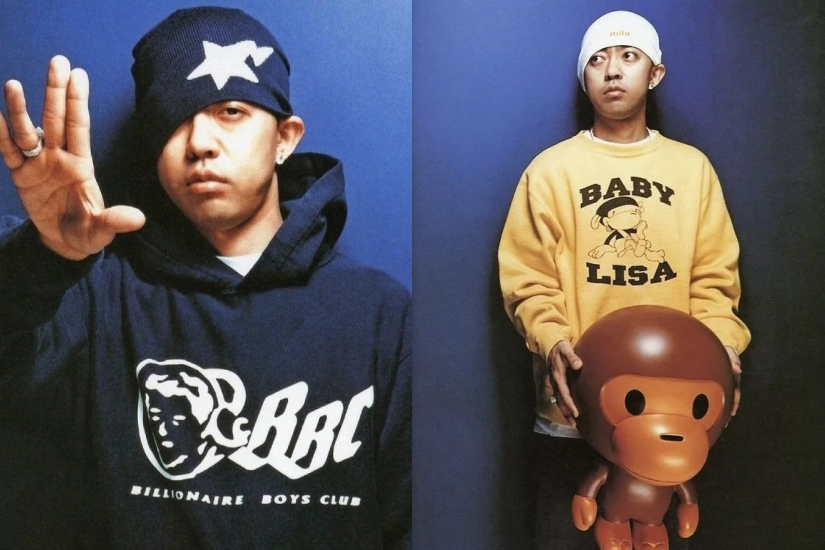
Human Made: The Brand Blueprint Emerges Anew from Failure
Nigo didn’t just stop there; instead, he transformed his failures into a more mature brand strategy. In 2010, he founded Human Made as a symbol of the evolution from BAPEApe to person. The brand’s philosophy emphasizes a reinterpretation of vintage craftsmanship and historical culture, showcasing elements of American vintage, denim, and workwear, while rigorously controlling production scales and material sources. Human Made is not just a clothing brand; it’s also Nigo’s tribute to Traces of Time and Craftsmanship Spirit. Most of the brand’s retro pieces are created using traditional techniques from the Okayama or Kurashiki regions, with meticulous attention to sewing, cutting, and washing processes.
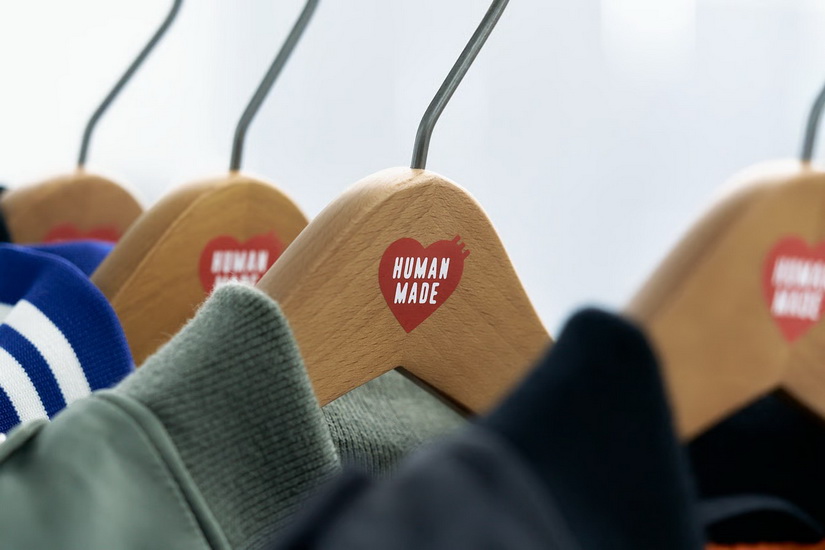
Limited Strategy + Brand Control = The New Generation of Trend Operating Models
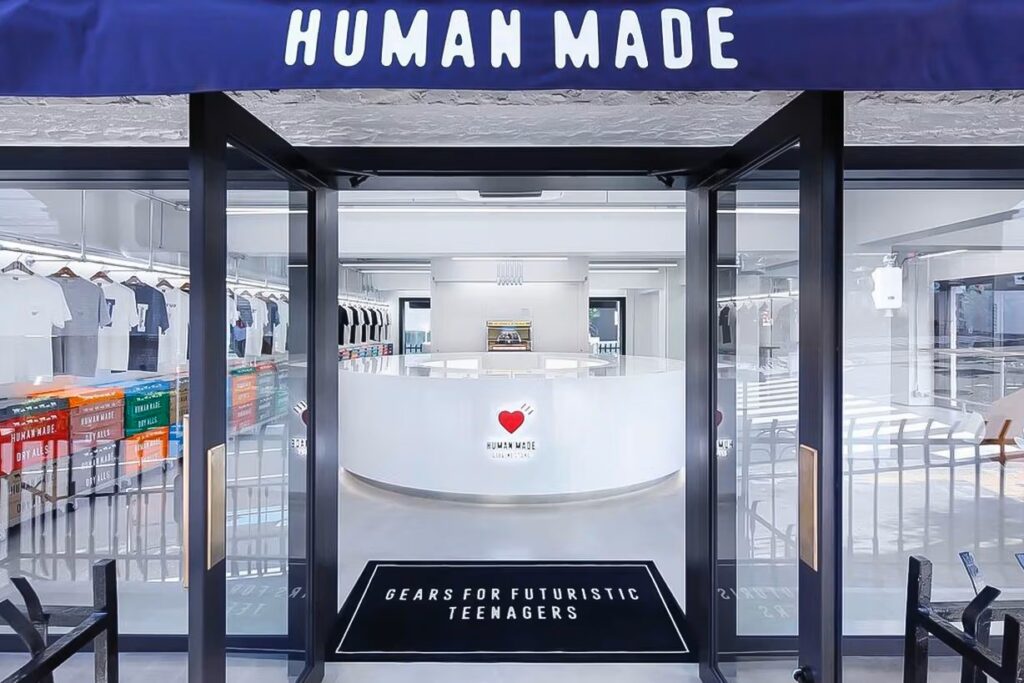
In contrast to the radical expansion of BAPE, Human Made adopts a strategy focused on limited releases with no restocks, emphasizing scarcity and collectible value. Currently, there are only about ten stores in Japan, strategically located in less bustling areas such as Harajuku in Tokyo, Kyoto, and Osaka. Globally, the brand has a flagship store only in the vibrant neighborhood of Seongsu-dong in Seoul, while opting for direct operations in the Chinese market through the Tmall Global platform. The store designs are also meticulously crafted; for instance, the flagship store in Tokyo features a showcase of Nigo’s private toy collection, enhancing the overall experiential vibe.
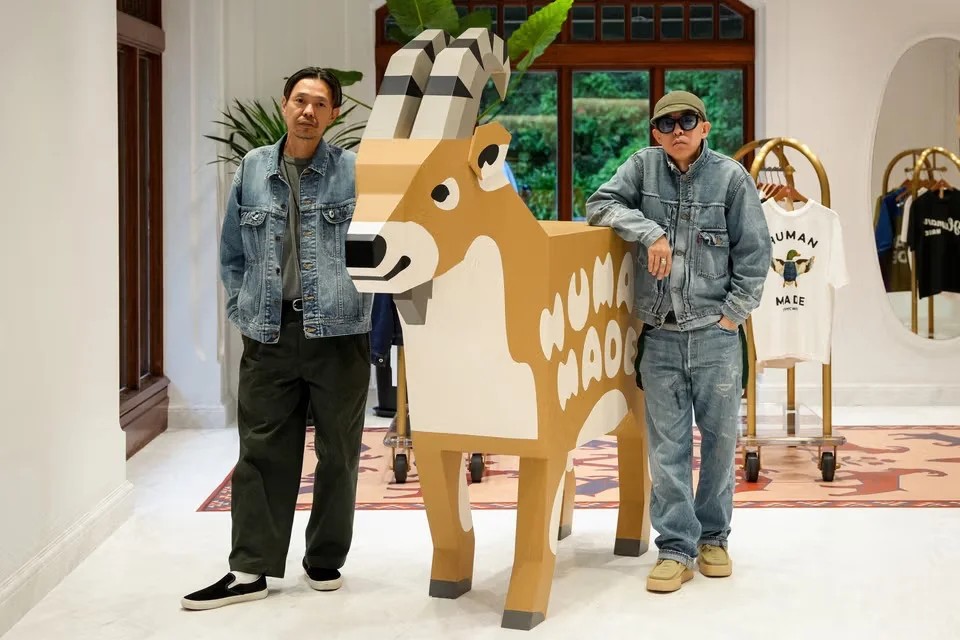
Multi-level collaboration to expand consumer circles and maintain brand popularity.
Human Made actively maintains its brand buzz through cross-industry collaborations, having teamed up with Uniqlo UT, adidas Originals, KFC, Louis Vuitton, and Shake Shack, spanning fashion, sports, dining, and luxury goods. The denim jacket from the LV² collection with Louis Vuitton, priced over 300,000 yen, sold out on its release day, becoming a hot topic in the market.
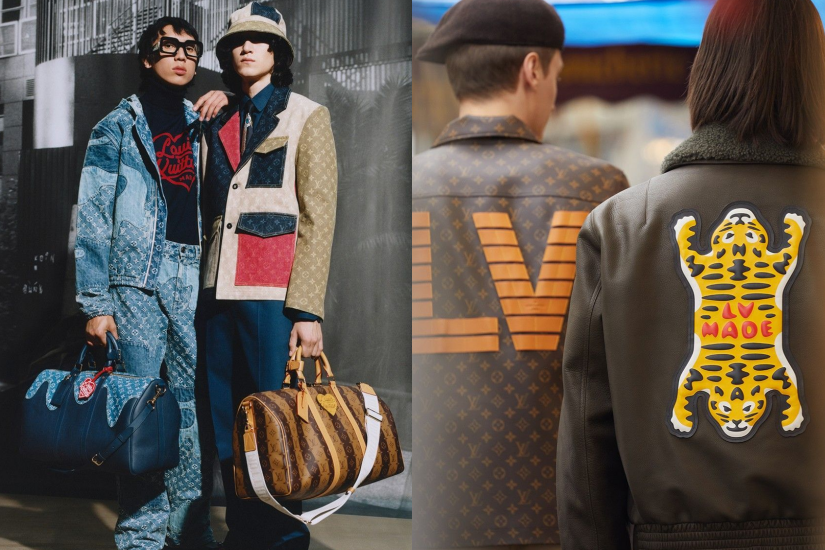
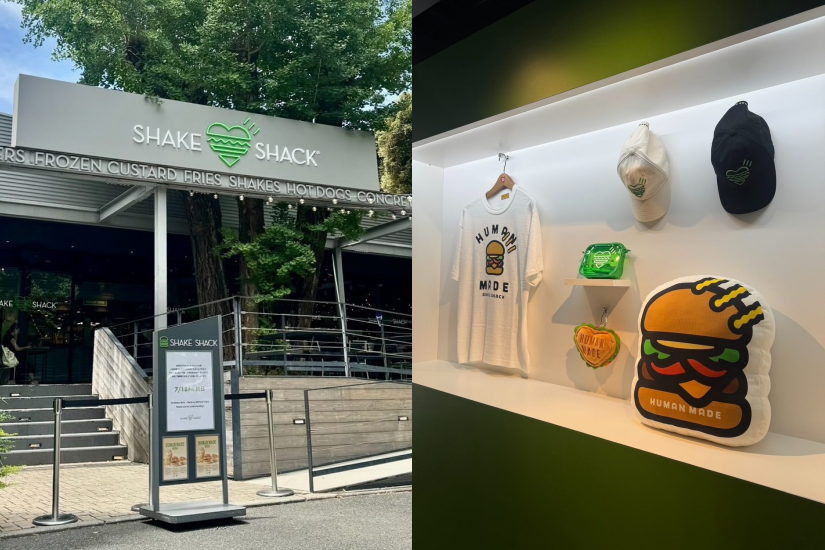
The collaboration with Shake Shack Japan further integrates the brand’s aesthetics into real-life settings, creating a themed restaurant space in Tokyo and launching signature dishes and limited-edition products. Through a dual partnership strategy, the brand attracts both mainstream consumers and core supporters, maintaining its cultural relevance and market buzz.
Taking Supreme as a warning, Human Made rejects blind expansion.
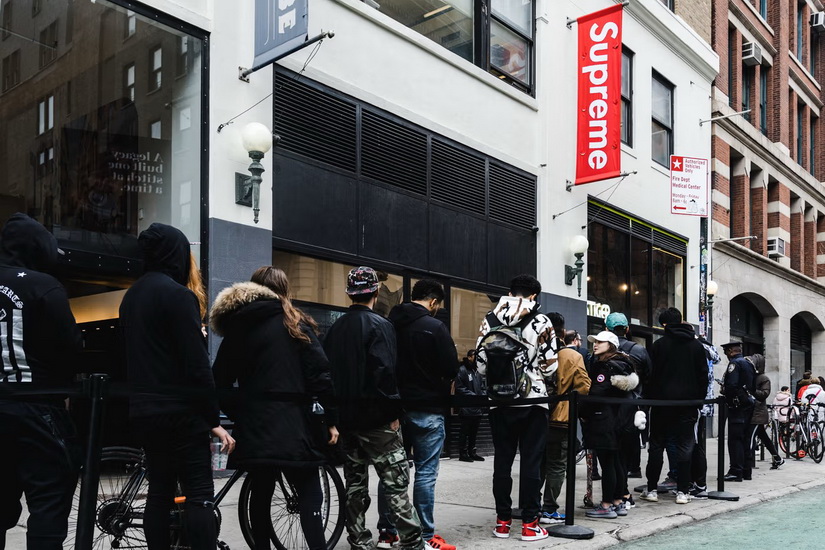
In contrast, after being acquired by the VF Corporation for $2.1 billion in 2020, Supreme attempted a large-scale commercialization which led to a staggering $600 million drop in valuation over just four years. By 2024, it was sold to EssilorLuxottica, the parent company of Ray-Ban. Rising store costs, a decline in product scarcity, and a collapse in brand premiums have rapidly diminished Supreme’s influence in the streetwear market. Data from StockX reveals that the average resale premium for Supreme items has plummeted from 67% in 2020 to 57% in 2022. This situation serves as a crucial reference point for Nigo to avoid repeating past mistakes.
Post-IPO: Global Expansion, Lifestyle Categories, Diverse Digital Development
Once successfully listed, Human Made plans to accelerate its global market presence on a larger scale. The brand opened its first flagship store in Paris in October 2025, achieving sales of 800 million yen in its opening month. In the future, they will focus on entering the markets of New York and Los Angeles, and develop more lifestyle product lines, including fragrances, furniture, ceramics, and accessories, to build a comprehensive lifestyle brand system.
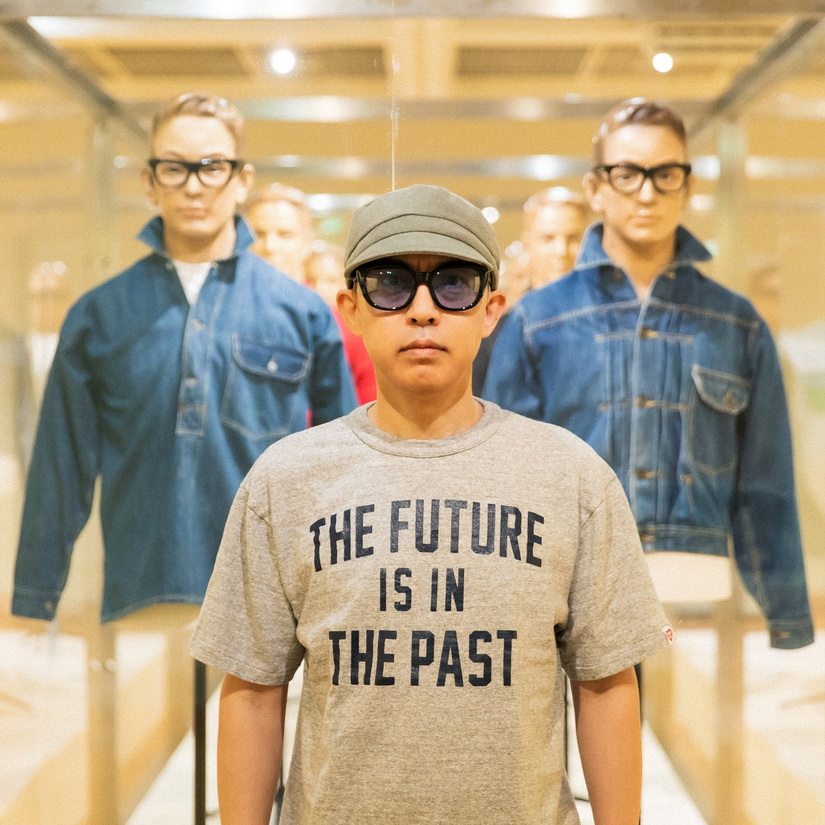
Nigo has distilled thirty years of brand experience, cultural insights, and creativity into Human Made. He refuses to blindly scale up, maintaining a commitment to craftsmanship and brand control, pioneering a business model in the fashion world that thrives without relying on viral hits or celebrity endorsements, yet grows steadily. This IPO will be a crucial experiment for the fashion industry on whether it can truly access the core of the capital market, raising questions: how can creator-led brands balance creative freedom with the pressures of shareholders and public accountability when performance metrics come into play? Whether Human Made can carve out its own new chapter will be judged by the market.