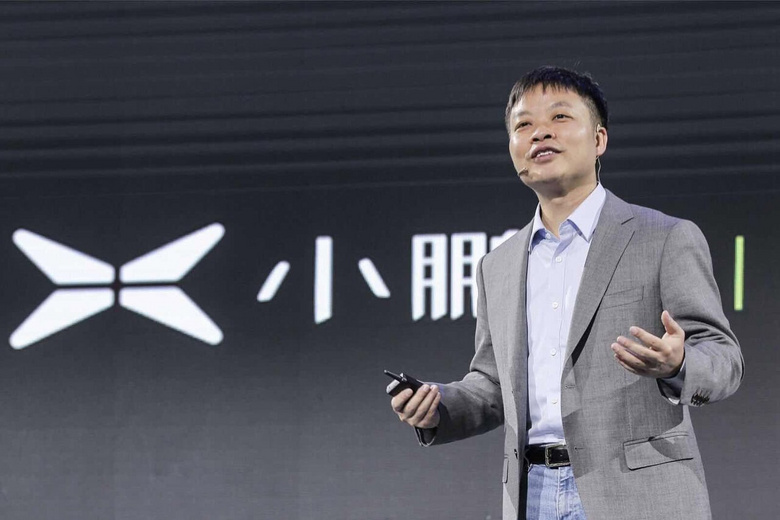
In the increasingly fierce competition of the new energy vehicle market in China, He Xiaopeng, the chairman and CEO of Xpeng Motors, recently pointed out that the industry is entering an unprecedented elimination race. He predicts that in the next decade, only five dominant manufacturers will remain in the Chinese automotive sector, while the other brands will gradually be pushed to the margins of the market. He likens this to the smartphone industry, mentioning that the final landscape may resemble Xiaomi, Apple, Huawei, OPPO, vivo, and others., where only a handful of companies truly hold the market power.
According to a recent report from consulting firm AlixPartners, the Chinese electric vehicle market is expected to host around 129 brands by 2024. However, by 2030, only 15 brands are predicted to achieve financial sustainability, indicating that over eighty percent of these brands may struggle to survive. This wave of elimination has become a consensus within the industry. Even Huawei’s executive director, Yu Chengdong, pointed out earlier that by 2030, the proportion of new energy vehicles in total vehicle sales could approach 100%, leading to a significant contraction in the number of manufacturers. BYD Chairman Wang Chuanfu also stated during last year’s shareholder meeting that the window for this elimination race is limited to just three to five years, as the industry enters a high-intensity reshuffling phase.
China is currently grappling with a serious issue of overcapacity. Data shows that in the first half of 2025, the total production of cars in China reached 15.62 million units, while sales hit 15.65 million units, both showing significant increases. This situation stems from years of government subsidy policies, where many local governments offered various incentives, such as land and tax benefits, to attract car manufacturers. Some companies were even able to set up factories at zero cost, leading to repeated investments and a bubble in production capacity. In response to this situation, as of February 2025, Beijing has initiated an industry integration plan aimed at eliminating inefficient and underperforming car enterprises.
Despite being in a fiercely competitive environment, the market share of Chinese independent brands continues to rise steadily, now reaching 69.0%. The penetration rate of new energy vehicles is also on the upswing, expected to hit 52.5% by the second quarter of 2025. This shift demonstrates that Chinese brands are progressively taking the lead in the local market. In the realm of pure electric vehicles, BYD delivered a remarkable sales figure of 302,500 units in the first quarter of 2025, surpassing other brands to become the global leader in electric vehicle sales.
On another note, Xiaopeng Motors is set to officially launch its first range-extended MPV, the X9, on November 6. Targeting the seven-seat family market, the vehicle is reported to have a combined range of up to 1,602 kilometers. If these figures are accurate, the X9 will become the longest-range seven-seat MPV in the world. This move not only showcases Xiaopeng’s strength in technology development but also reflects how car manufacturers are seeking differentiation in their products to stand out in a competitive landscape.
Overall, whether it’s the market structure, production capacity pressure, or brand competitiveness, China’s new energy vehicle industry is facing an unprecedented transformation period. The next few years will be critical for reshuffling the industry; those who can break through first and solidify their financial and technical foundations will emerge as the winners in this elimination race.