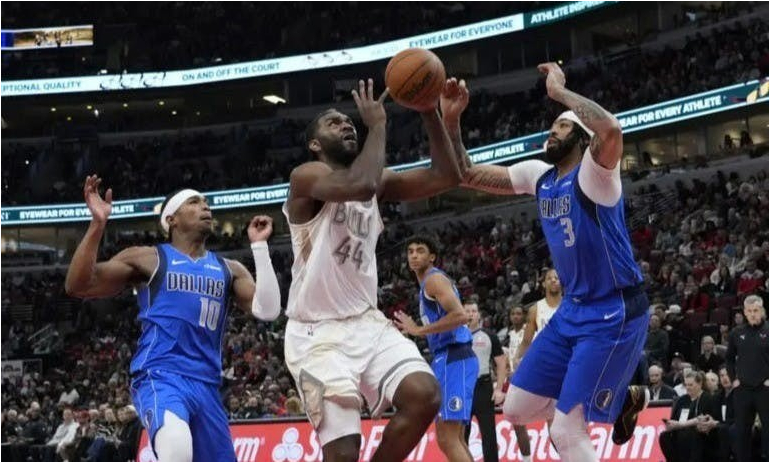
This season, the Chicago Bulls have surprisingly showcased formidable competitiveness in the regular season, achieving respectable results. On the flip side, the Dallas Mavericks are facing a range of difficulties, leading to a flurry of trade rumors. Chicago native Anthony Davis has been mentioned again this time, and it seems there’s a possibility he could return to the Bulls through a trade.
Looking back at the Chicago Bulls’ performance from the sixth to the tenth game of this season’s regular league, the results weren’t as good as we had hoped, leading to several losses. However, considering the strength of the opponents and the actual competitiveness of the games, there are still many positive aspects to note. At this point, the possibility of a trade for Davis is resurfacing, reminding us of his glorious moments when he clinched the championship title with the Lakers.
Before discussing the motivations behind the Davis trade, it’s crucial to understand the current situation and future plans of the Mavericks. If the Bulls can acquire Davis during the mid-season, it will not only bolster the team’s depth but also help them achieve their goal of becoming championship contenders within three years. The Bulls currently hold sufficient first-round draft assets and a 2026 draft pick from the Portland Trail Blazers, putting them in a favorable position for the trade.
Moreover, the Bulls will be able to find suitable assets in trades thanks to the salary cap space secured in 2026 and the expiration of contracts. Even if they acquire Davis during the season, it might influence the short-term salary management benefits, but it also offers an opportunity to focus on significant acquisitions in the summer of 2026. Additionally, having Davis on the team could attract the interest of more players, potentially enhancing the Bulls’ competitiveness.
The main factor determining whether the Bulls will trade Davis lies in their future plans for him. If the Bulls want to maintain their current competitiveness, it’s unlikely they will easily let Davis go. However, if they decide to rebuild, they may quickly consider the most highly valued offers on the market. The Bulls’ strategy will have a significant impact on negotiations, and they need to be well-prepared for this.
When evaluating Davis’s trade value, the player’s injury history is an absolutely critical factor that cannot be overlooked, as it directly impacts the bidding process. In this context, whether the Bulls can successfully pull off the trade hinges on whether their proposed terms exceed those of other potential competitors.
While the trade for Davis won’t instantly make the Bulls championship contenders, it could definitely help attract more All-Star players in the coming years and realize their goal of becoming a powerhouse in the East. To achieve this, effectively leveraging Davis’s contract and capitalizing on future opportunities will be key.