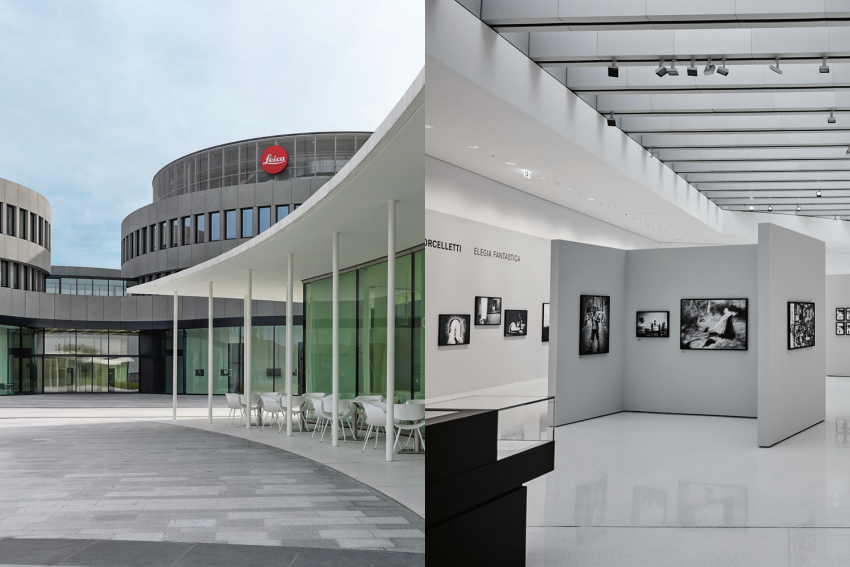
While many camera brands have focused on technological upgrades and product iterations, Leica Camera chose a different path over half a century ago. In 1976, the brand established its first gallery space at its headquarters in Wetzlar, Germany, not merely to showcase equipment, but to weave photography into the very core of the business, officially integrating cultural promotion into its brand structure.
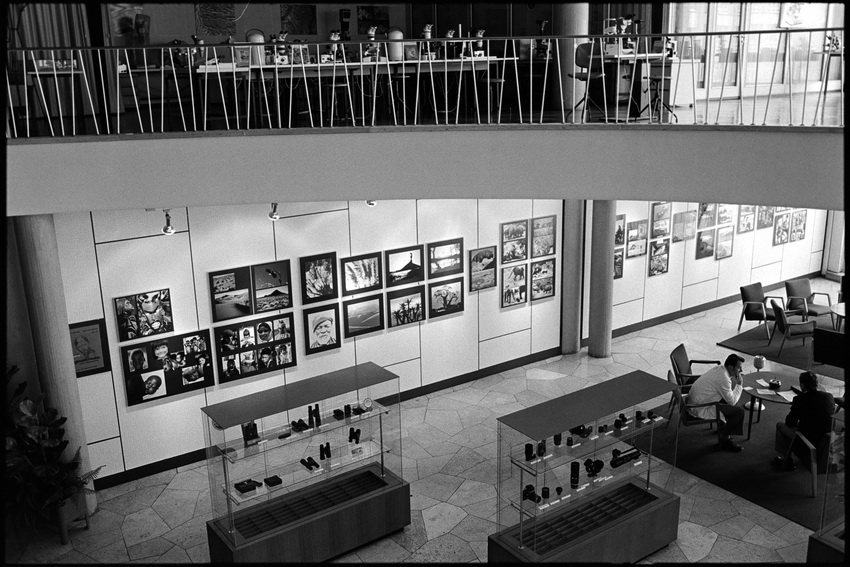
Fifty years later, what began as an exhibition space in the lobby of the administrative building has evolved into a network of Leica galleries spread across 26 cities worldwide. From Europe to the Americas, and onto Asia and Australia, Leica curates approximately 150 exhibitions each year, establishing a stable and sustainable platform for photography in diverse urban landscapes. This scale and rhythm have positioned Leica galleries as one of the few internationally influential photographic exhibition systems backed by a brand for the long haul.
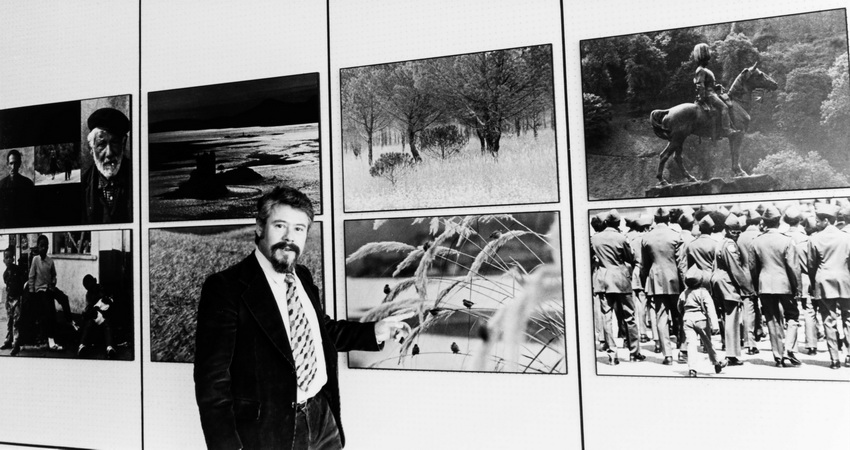
The inaugural exhibition in 1976 was launched by Paul Gluske’s travel photography, establishing a direction focused on high-quality documentary and artistic photography, linking Leica’s long-standing history with news, street scenes, and cultural documentation. Subsequently, the exhibition model became more institutionalized, evolving into a regularly updated curation plan. From the 1990s onward, the gallery began to expand outward, with New York becoming a key hub, followed by the addition of Prague, Frankfurt, São Paulo, Melbourne, and Tokyo. This year, Chicago and Shanghai will also join the ranks, as the network continues to extend.
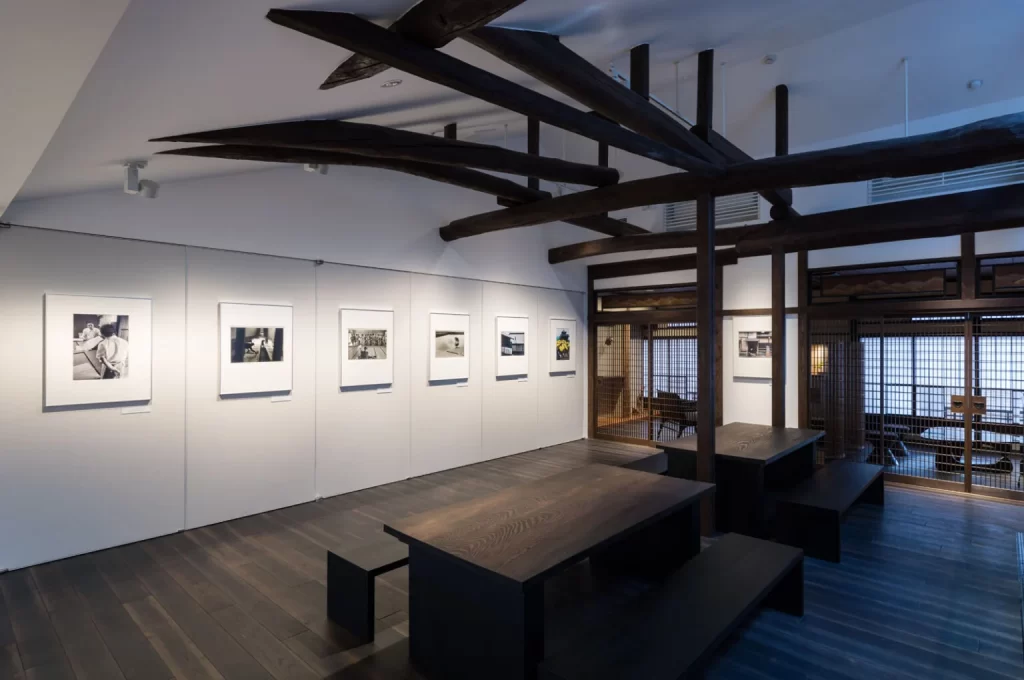
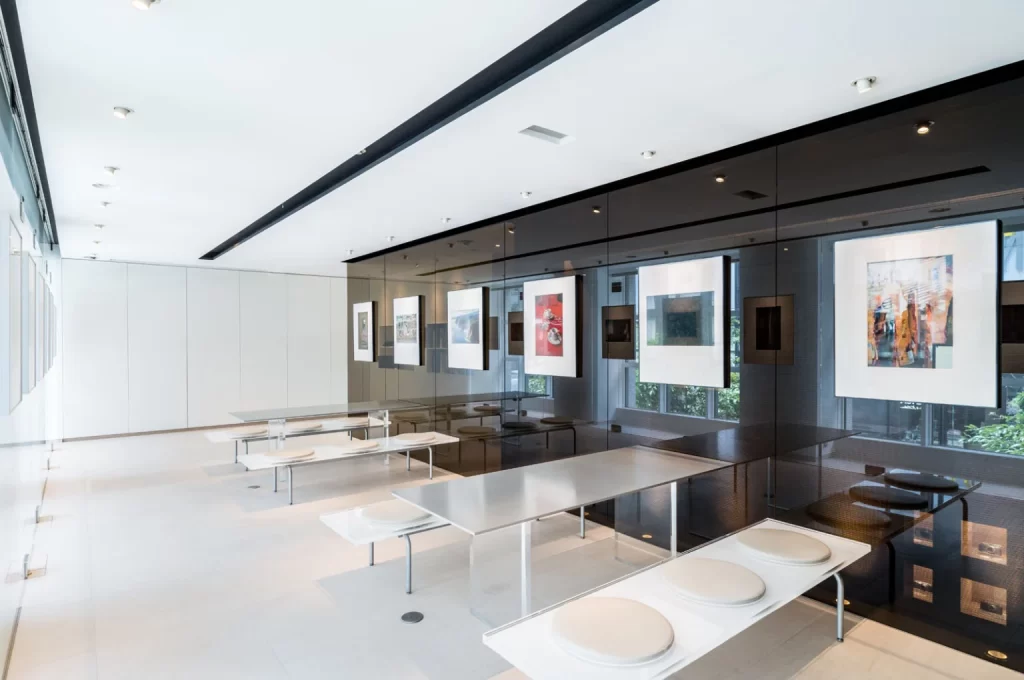
The uniqueness of the Leica Gallery lies in its refusal to be confined to a single style or era. Renowned names like Henri Cartier-Bresson, Sebastião Salgado, Elliott Erwitt, and Steve McCurry shape the vital context of 20th-century documentary photography. Meanwhile, creators such as Bryan Adams, Lenny Kravitz, and Andy Summers have also showcased their photographic works here. The exhibition blends battlefield reporting with portraiture, where classic black-and-white images coexist with contemporary long-term projects. This results in a display that is rich in historical depth while maintaining a modern outlook.
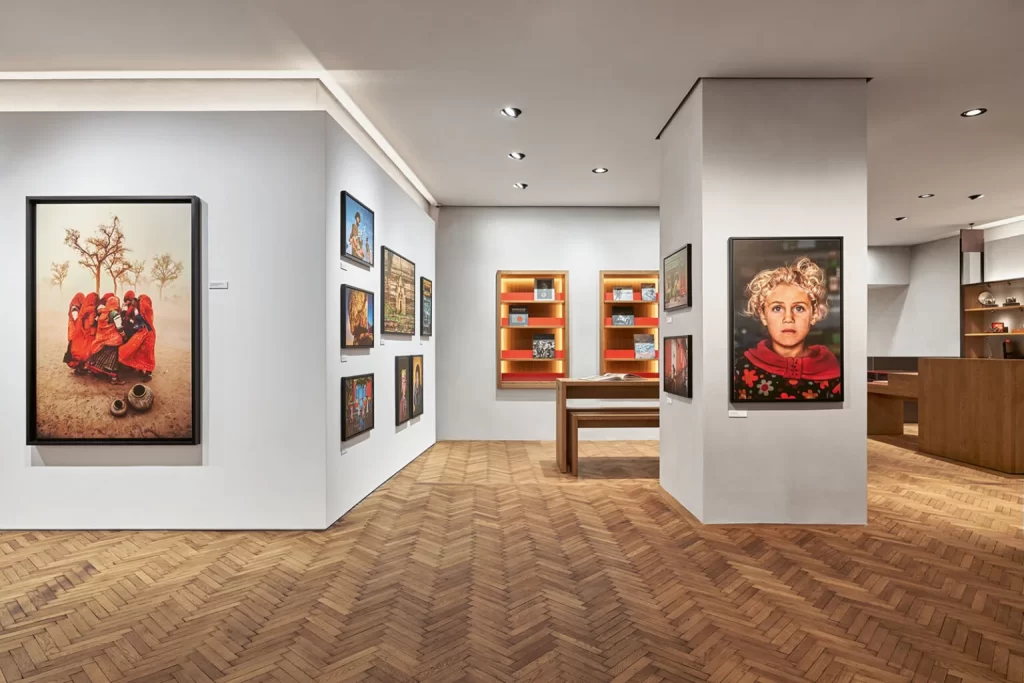
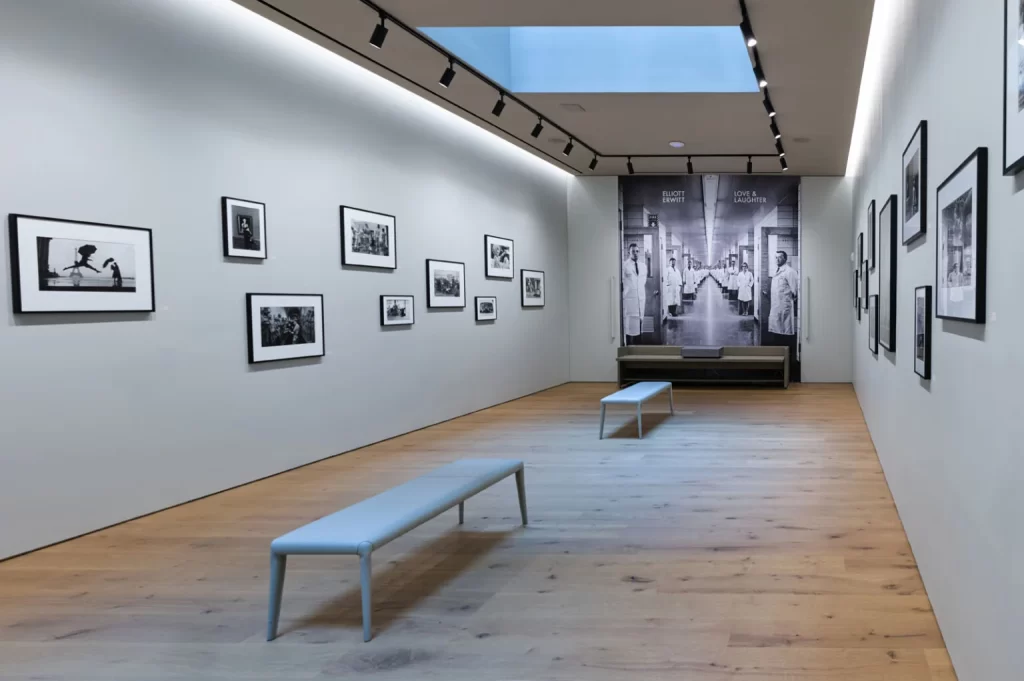
As a highlight of the annual curatorial focus, the Leica Oscar Barnack Award (LOBA) winning works continue to tour galleries, spotlighting social and environmental issues. This transforms photography from mere aesthetic appreciation into a vital part of public discourse. The gallery also maintains a collection mechanism, allowing viewers the opportunity to acquire showcased pieces for their private collections, thus extending the pathways for image circulation.
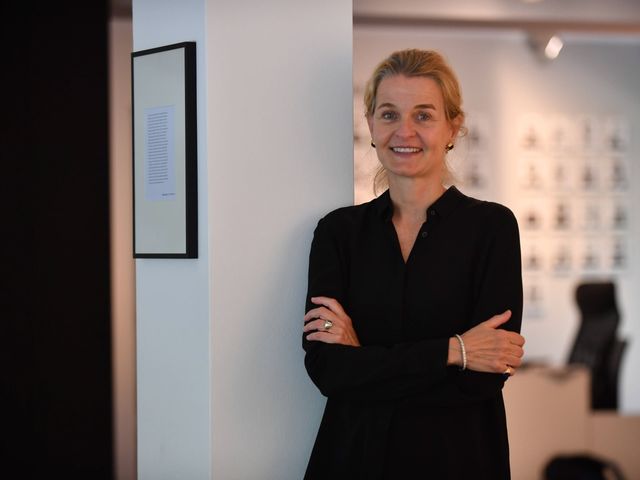
Karin Rehn-Kaufmann, the International Art Director of Leica Gallery, once described photography’s allure as stemming from its close connection to everyday life. This everyday quality makes photography one of the most accessible yet easily overlooked art forms. For this reason, Leica Gallery has chosen to continue emphasizing the value of authentic imagery amid the rapid development of digital images and artificial intelligence, while also initiating discussions on the boundaries between technology and creativity.
To commemorate its 50th anniversary, Leica will host a grand anniversary exhibition in Wetzlar in June 2026. Gallery directors from around the world will nominate photographers, culminating in the exhibition of 50 works from 50 creators. This event will celebrate the rich history of Leica galleries, showcasing the breadth of Leica photography through intimate moments captured by top photographers, compelling stories, and uniquely artistic perspectives.