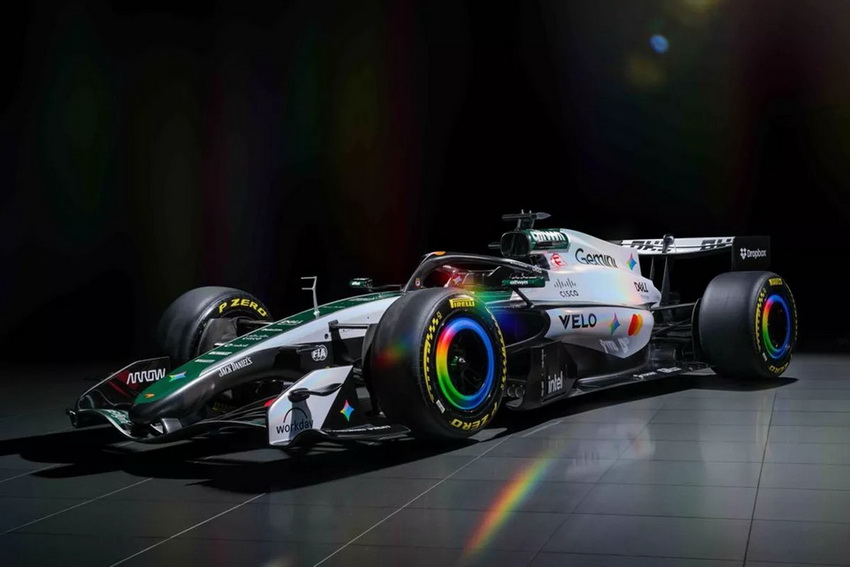
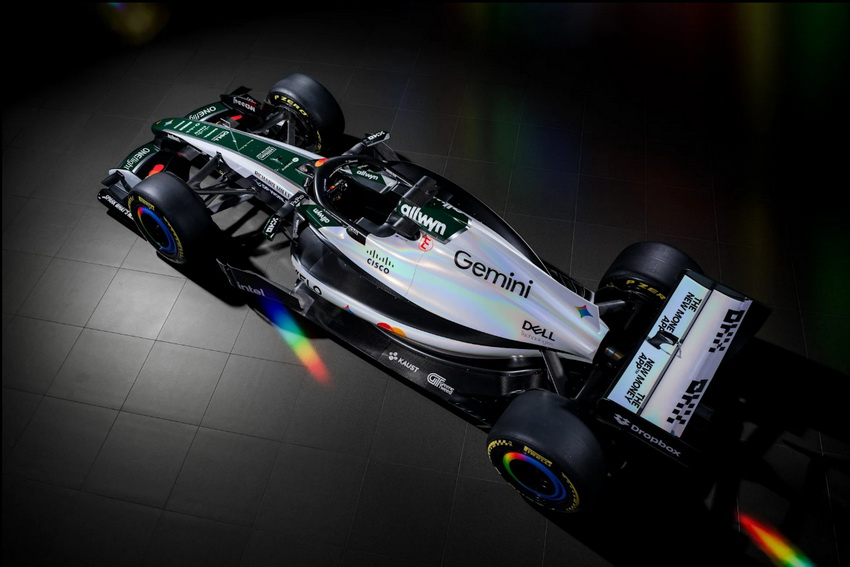
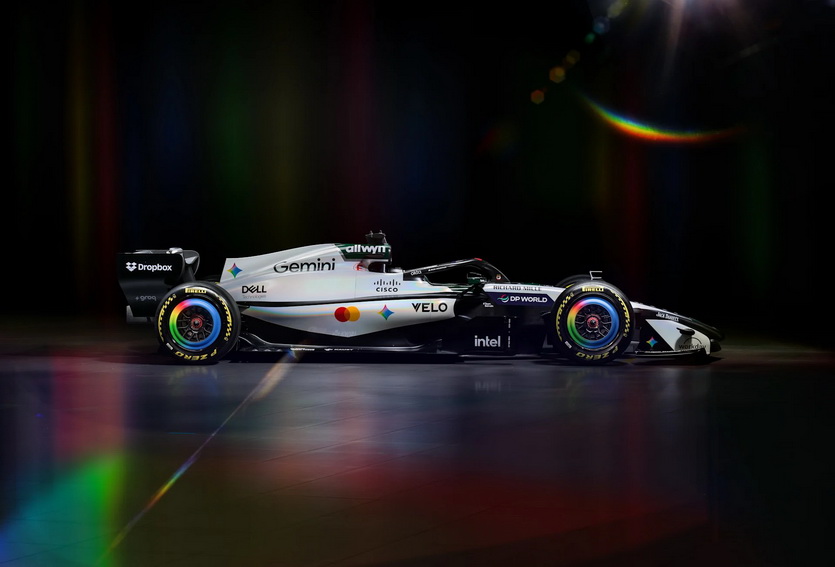
McLaren MCL40 livery debuts at the 2026 British Grand Prix at Silverstone, the team said, unveiling a chrome-toned special paint that pays tribute to McLaren’s first F1 car, the McLaren M2B.
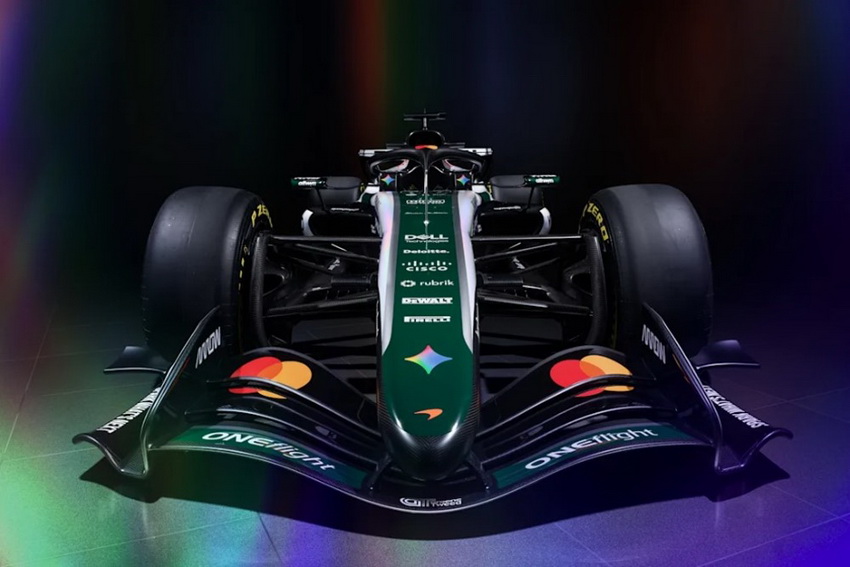
McLaren said the new MCL40 special paint, created in collaboration with Google Gemini, is called “Spark What’s Next” and uses chrome finishes and classic detailing to echo the styling of the M2B while reflecting the team’s engineering evolution since 1966.
The team plans to reveal the car in full at its Silverstone home round, and McLaren said the design continues themes from the squad’s earlier celebration of its 1,000th Grand Prix.
McLaren MCL40 livery: a chrome nod to the M2B
The McLaren M2B first raced at the 1966 Monaco Grand Prix and earned the team’s first World Championship points later that year at the British Grand Prix, McLaren said. The new livery is intended as a direct visual homage to that history, the team added.
Two-time world champion Mika Häkkinen paraded an M2B around Monaco during McLaren’s 1,000th Grand Prix celebrations, and the team said it wants to bring that moment back to its Silverstone home weekend with the MCL40 special paint.
Why McLaren worked with Google Gemini
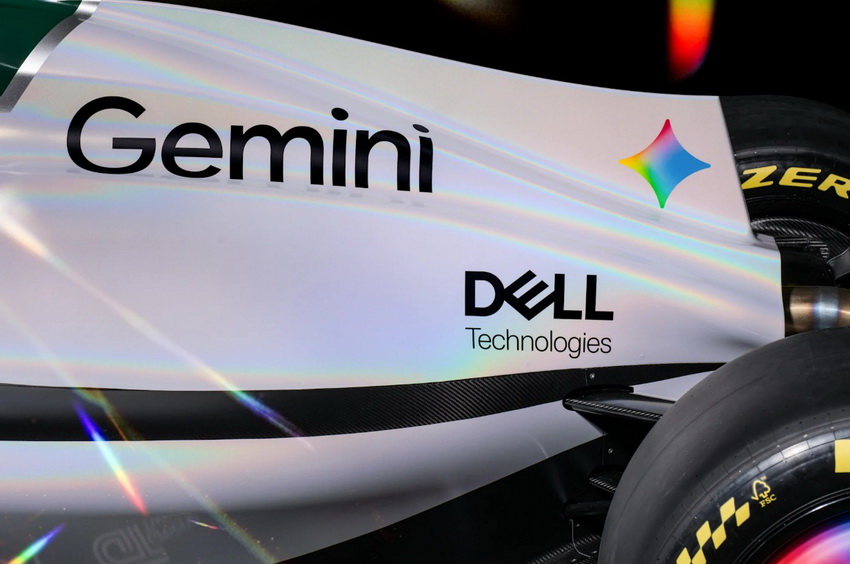
McLaren said the MCL40 collaboration also highlights the technology partnership the team has had with Google Gemini since 2022, intended to speed creative development and improve engineering and race strategy work.
The team highlighted one figure to show the scale of its technical work, saying that a single F1 car undergoes about 18,000 design changes per season. McLaren said that level of iteration is why faster tools for concepting and analysis matter.
Google said Gemini now supports McLaren’s brand creative work and marketing, using internal tools such as Nano Banana and Omni to accelerate concept development and content production.
Race operations and natural language tools
On the operational side, McLaren said it built bespoke tools with Gemini Enterprise on Google Cloud so engineers can quickly search and compare complex regulations and race scenarios during events.
The team is also developing a natural language interface that lets engineers pull data from different systems, including lap-time analysis and other technical telemetry, shortening analysis time and speeding decisions under pressure, McLaren said.
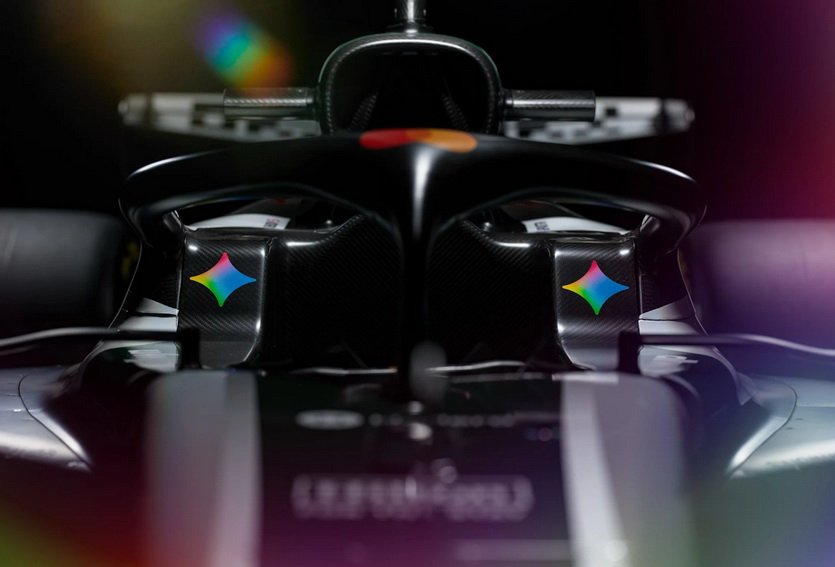
McLaren and Google said they will stage a public “Gemini Paddock” experience at the Truman Brewery in East London, free to visitors, where attendees can see the MCL40 special livery up close and learn how artificial intelligence is applied to F1 engineering, data analysis, and creative work.
The team said the event will include demonstrations of the tools used behind the scenes and opportunities for fans to ask engineers and creatives about how technology and racing intersect.
McLaren said the MCL40 special livery and the Gemini Paddock reflect a wider push to bring technology into every part of the sport, from visual identity to split-second race decisions.