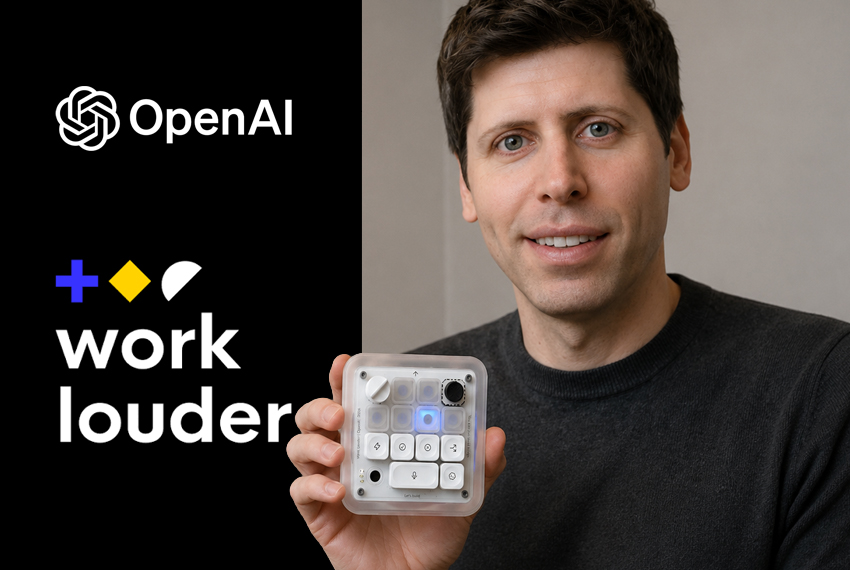
Codex Micro arrives as OpenAI’s first hardware product, a programmable keyboard priced at $230 that is designed to control Codex coding agents.
OpenAI said Codex Micro went on sale July 15, and the company emphasized the product is a limited collaboration focused on its Codex programming assistant, not the rumored general consumer device reportedly associated with Jony Ive.
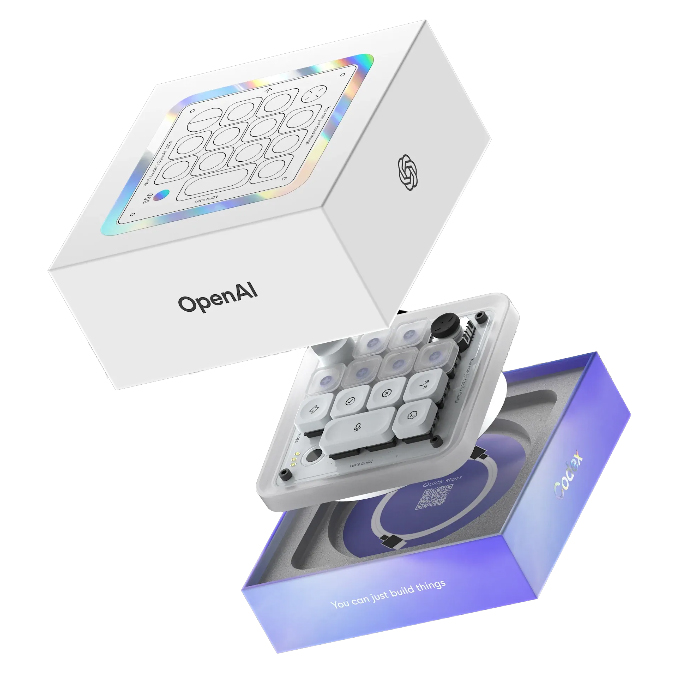
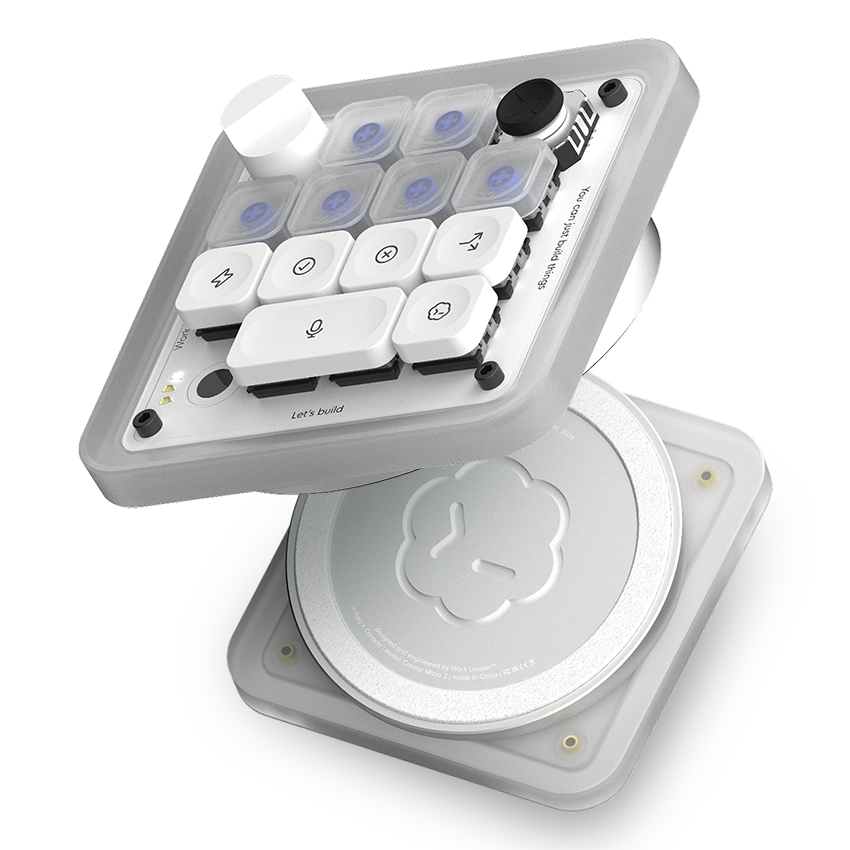
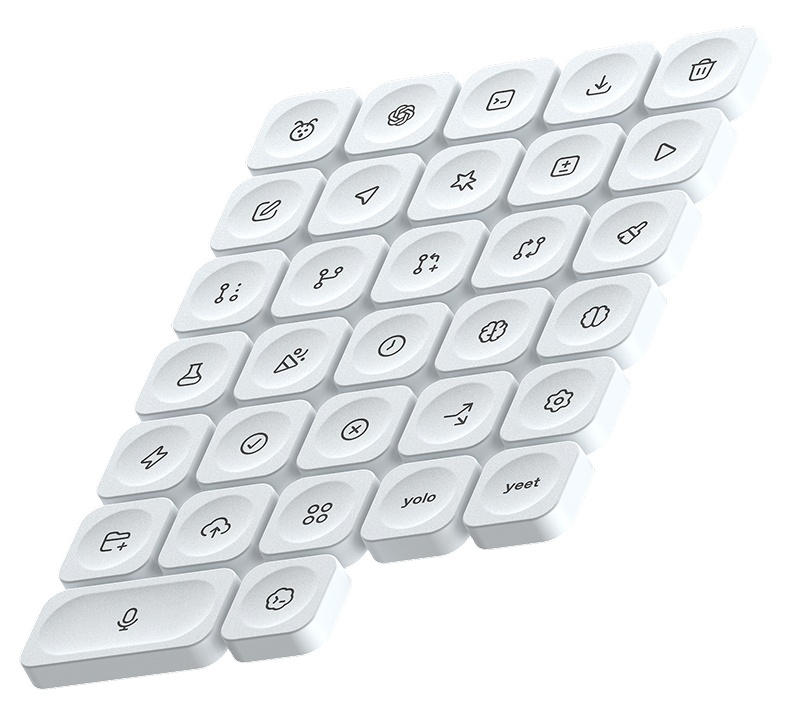
Work Louder, a U.S. maker that specializes in custom mechanical peripherals, manufactured the device. The chassis uses the Creator Micro 2 platform, with a CNC aluminum frame and a polycarbonate top plate, and it includes 13 low profile mechanical switches that can be individually programmed in either a clicky or a silent feel.
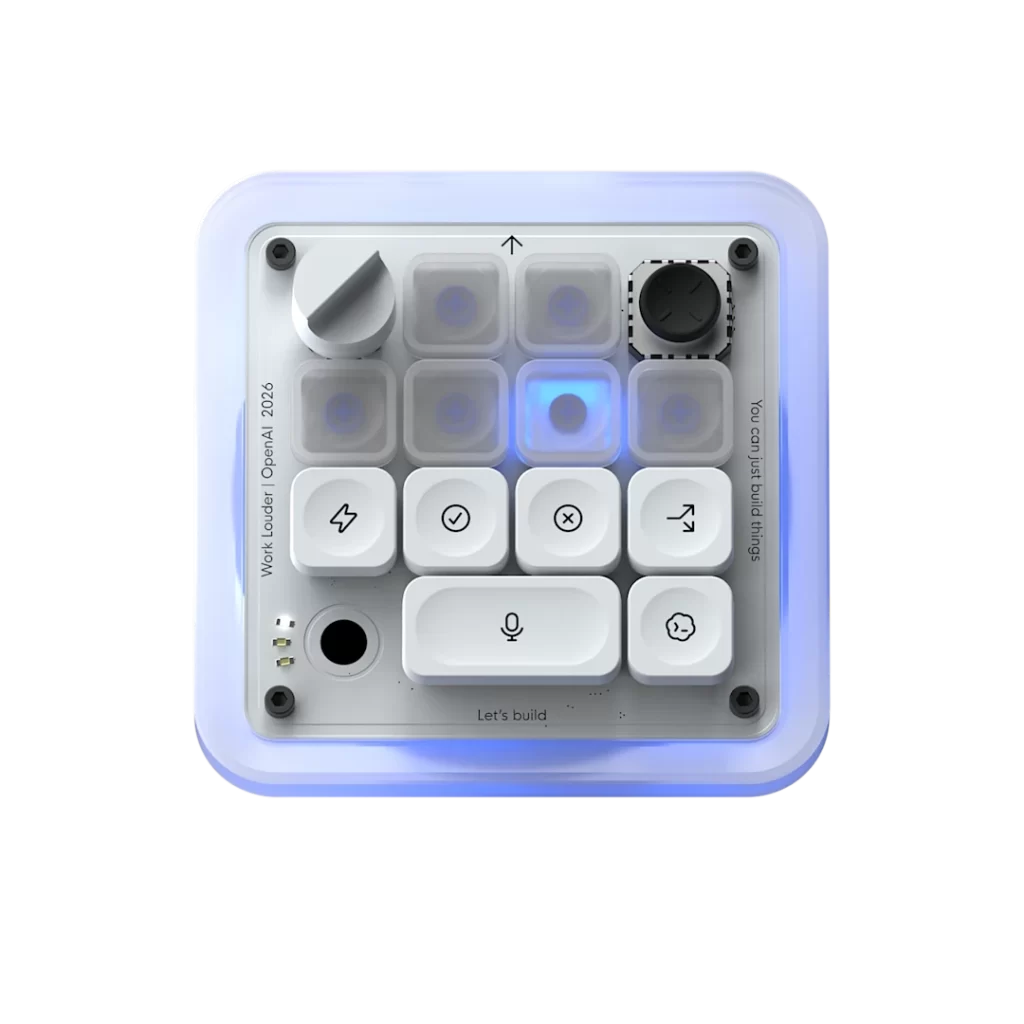
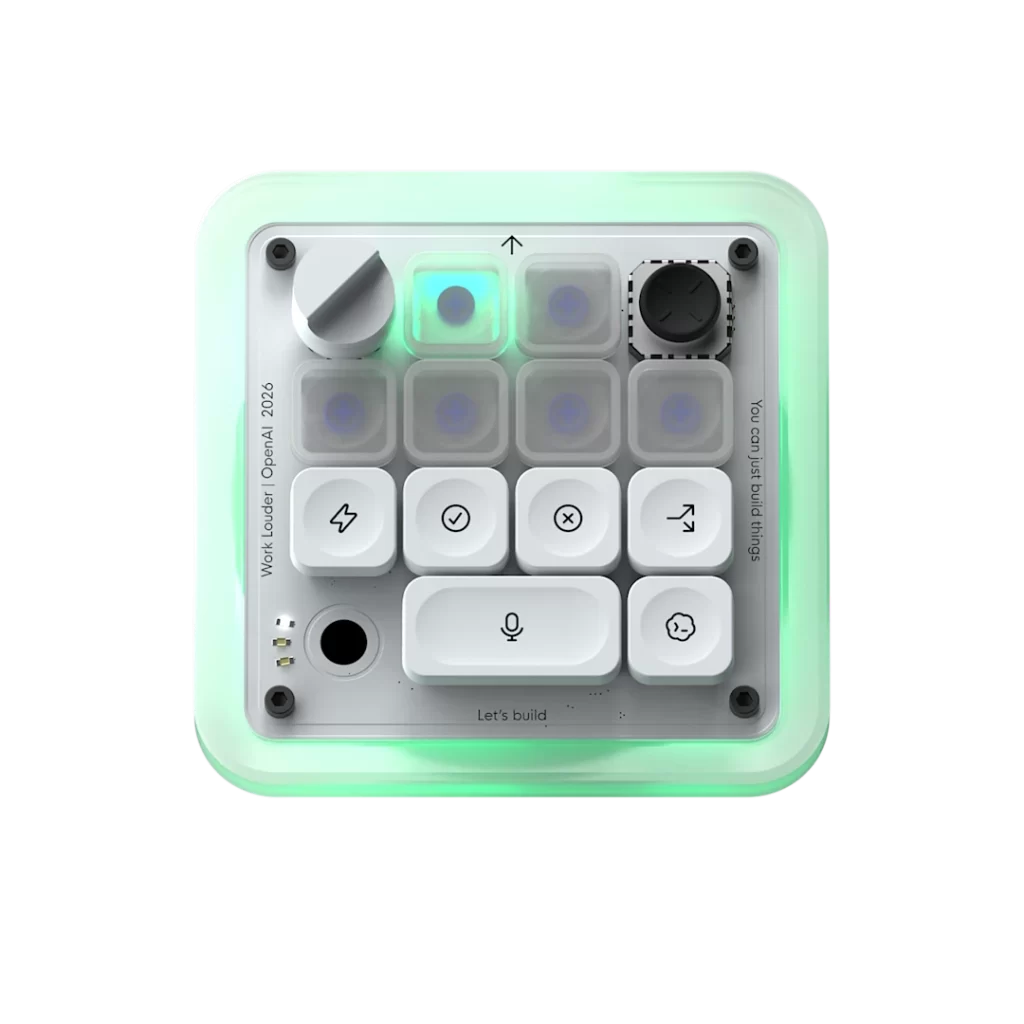
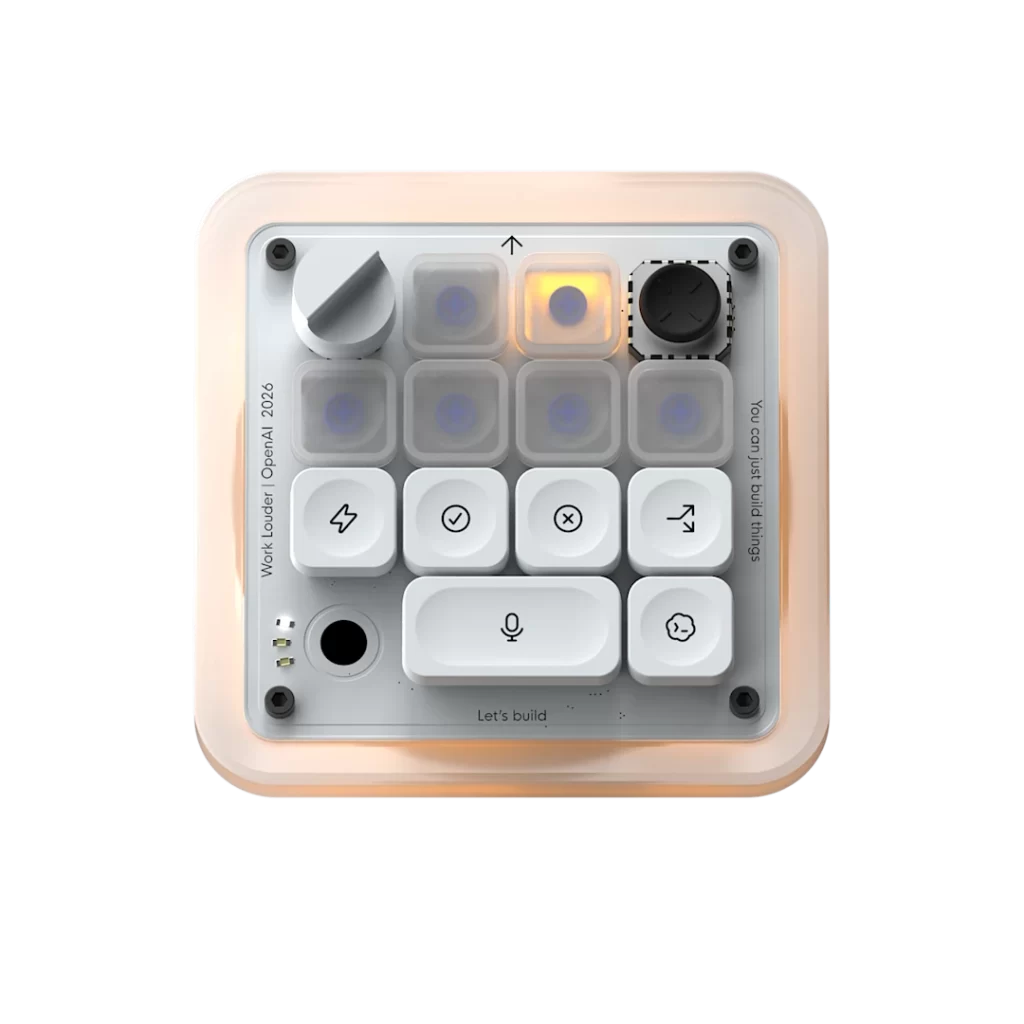
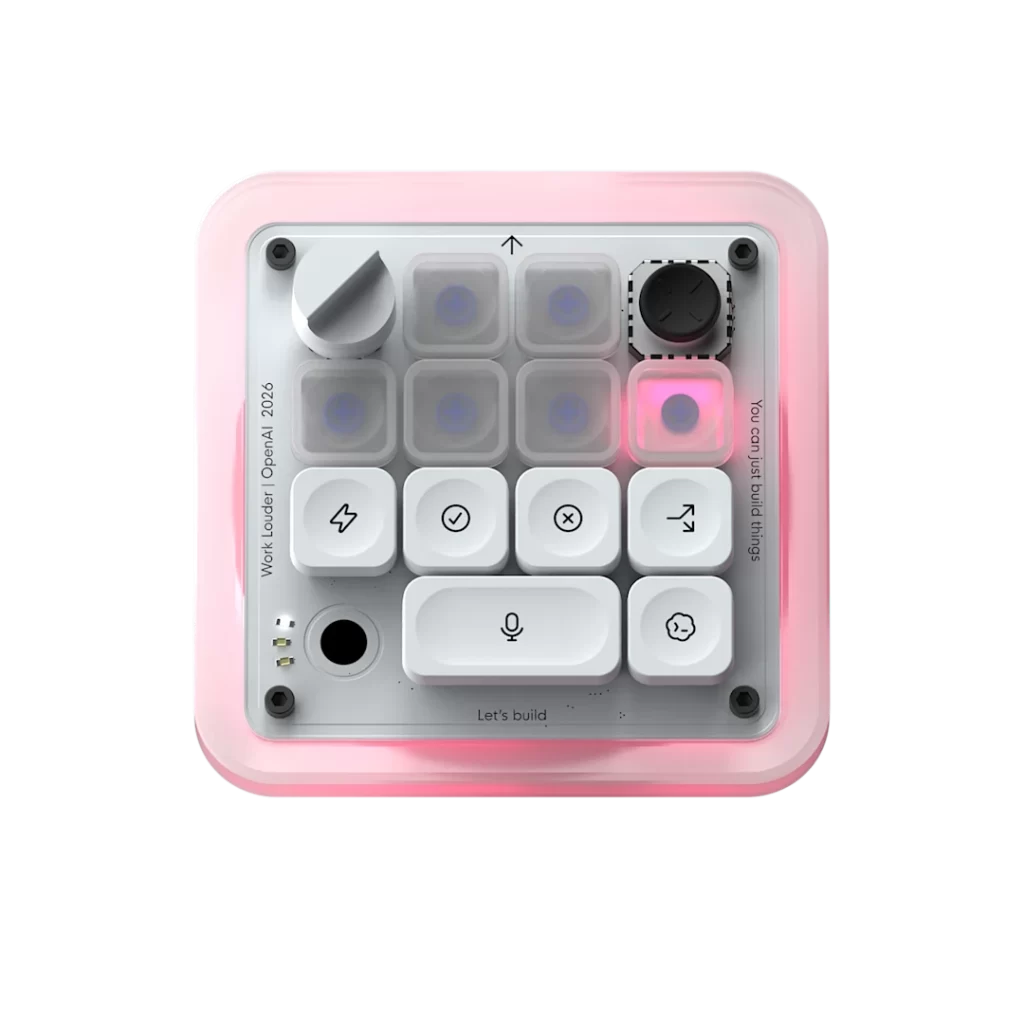
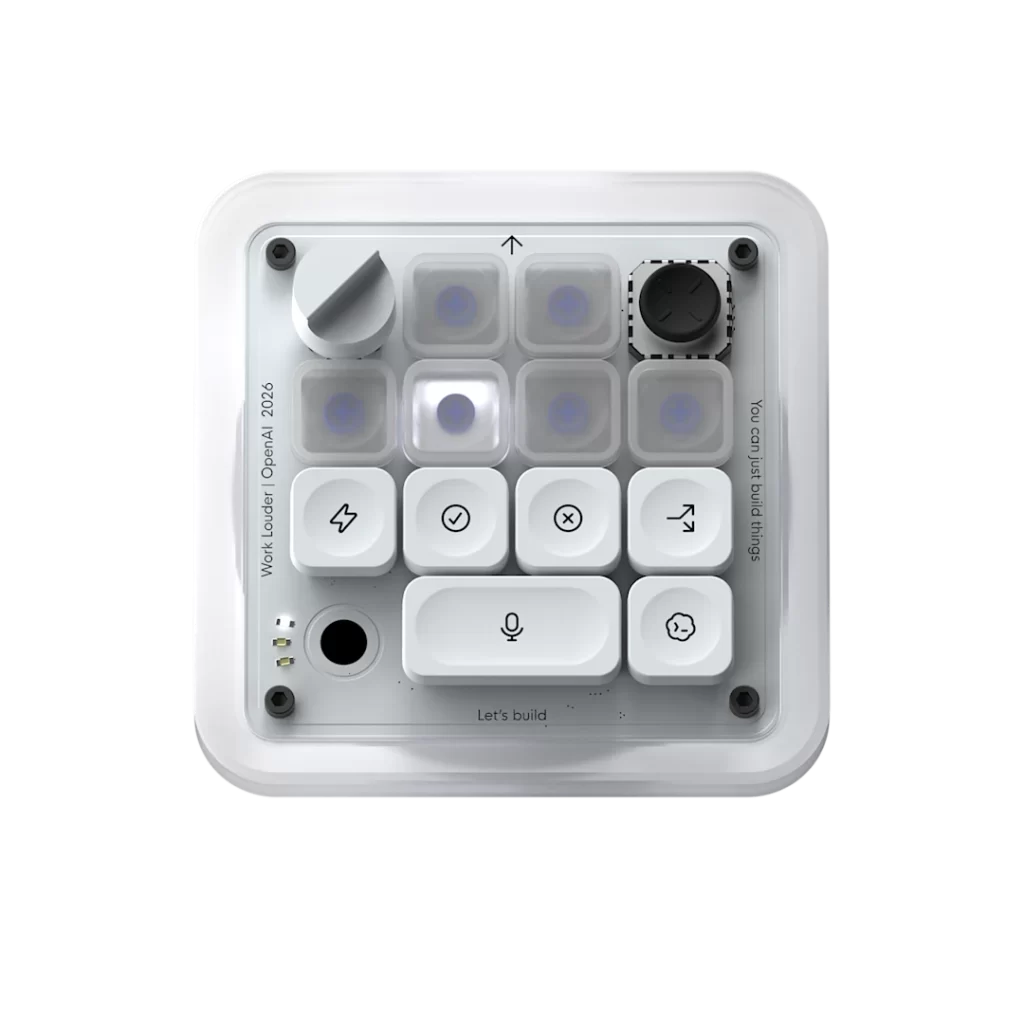
What makes Codex Micro specific to Codex is a row of six matte Agent Keys. Each key maps to one running AI task and uses five colors, white, blue, green, yellow, and red, to indicate idle, thinking, complete, needs input, and error states. Single press switches the desktop to that background task, and double press opens the corresponding Codex window.
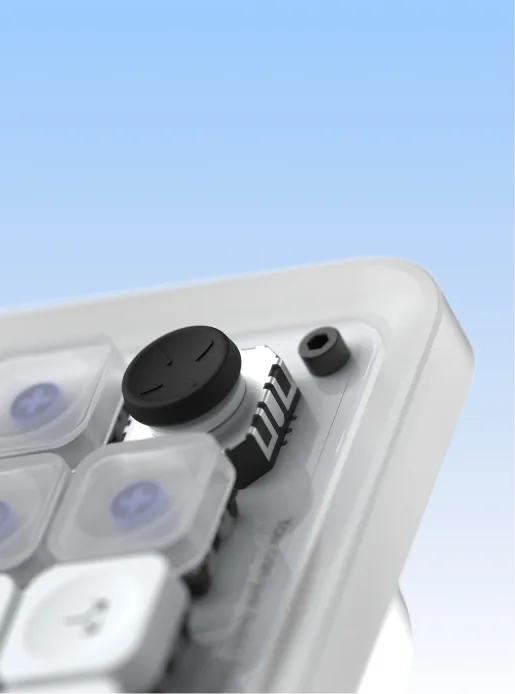

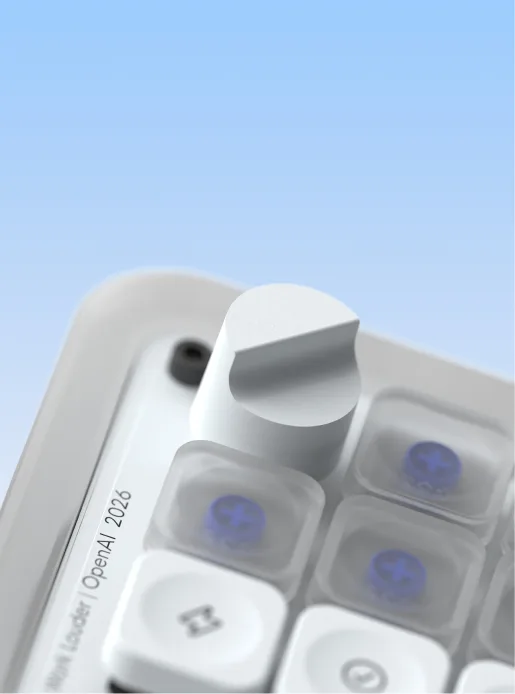
The knob is notable because a long press opens a settings page for remapping keys, and rotating it adjusts the agent reasoning level, effectively allocating more or fewer compute resources to the task at hand. The keyboard also has a touch sensing area at the lower left and three layer indicator lights for switching among six programmable layers.
Codex Micro uses the ChatGPT desktop application for control, and OpenAI lists the product on its supply page. OpenAI told TechCrunch the keyboard is a limited collaboration rather than an attempt to enter the mainstream hardware market.
Priced at $230, the keyboard is positioned above Work Louder’s own Creator Micro 2, which ranges from $144 to $199. The $230 price equals about HK$1,794, which converts to approximately $229 using the current exchange rate.
The device is aimed at developers who run multiple agents at once, because it moves task switching out of overlapping browser windows and onto a physical control surface. For teams that treat agents as persistent desktop entities, a dedicated input can speed workflow and reduce context switching.
OpenAI and Work Louder presented Codex Micro as a demonstration of a possible hardware direction, not as a mass market product. The companies said the release is limited, and buyers must order from OpenAI’s store and allow for duties and shipping.
Compared with phones or headsets, peripherals like Codex Micro often matter less for unit sales and more for signaling the next step in an ecosystem. As agent programming becomes routine, physical control interfaces may reach developers faster than many expect.
Official product page: https://openai.com/supply/co-lab/work-louder/
Sources: OpenAI product page, Work Louder product platform, and reporting by TechCrunch.