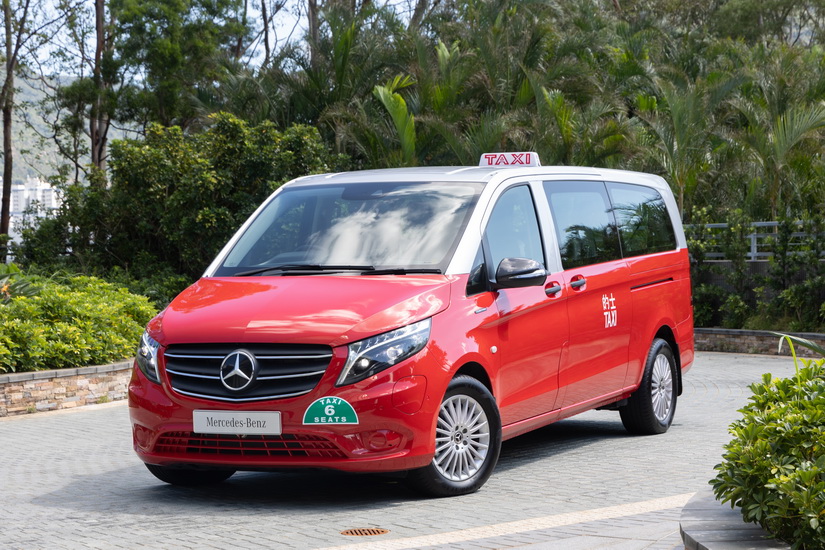
Hong Kong is currently at a crucial stage in its transition to new energy. The government proposed Hong Kong Electric Vehicle Popularization Roadmap back in 2021, setting an ambitious goal to achieve Zero Carbon Emissions Transportation by 2050, which explicitly outlines a phased approach towards the complete electrification of taxis. However, within this entire policy framework, there is almost no mention of another equally important yet long-overlooked group in transportation—wheelchair-accessible taxis.
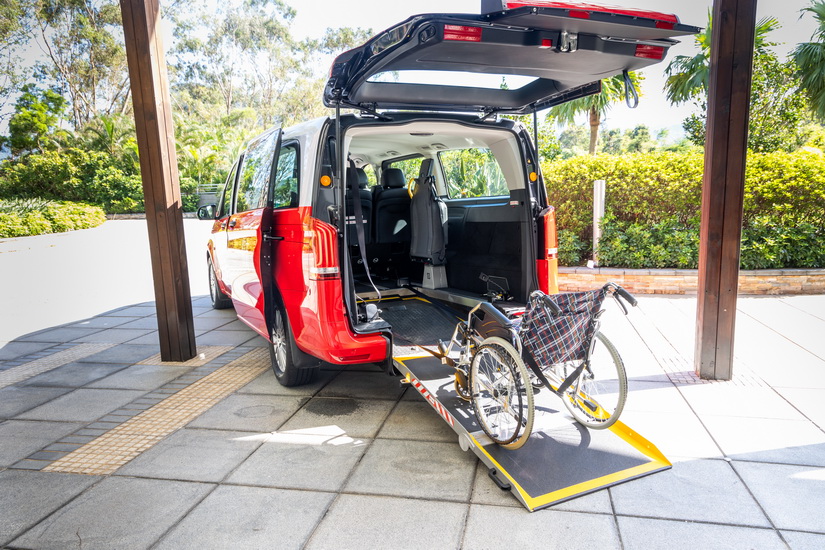
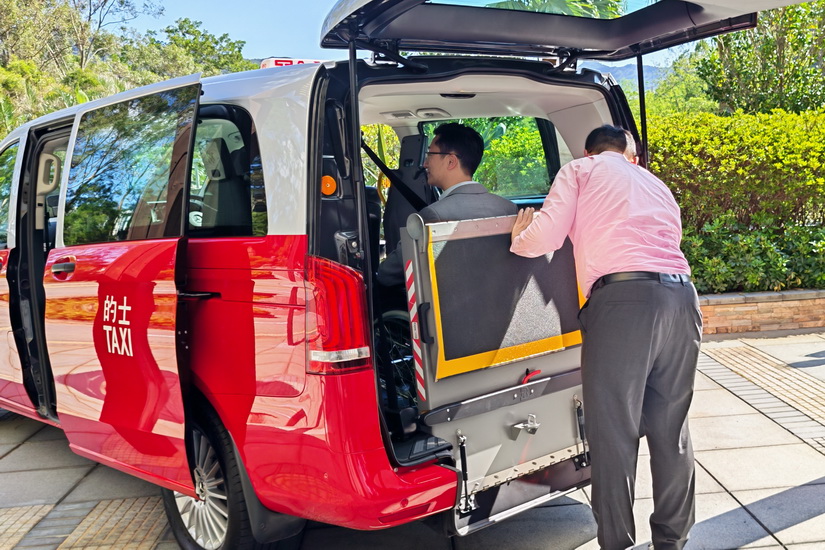
Recently, Benz has launched the brand new eVito electric wheelchair taxi in Hong Kong, perfectly highlighting the reality of a policy gap. This electric vehicle is specifically designed for accessible travel, equipped with a 100 kilowatt-hour battery and a 204 horsepower electric motor, offering an impressive maximum range of up to 378 kilometers. It supports rapid charging with a maximum of 110 kilowatts, allowing the battery to charge from 10% to 80% in just about 40 minutes, delivering performance comparable to mainstream electric private cars.
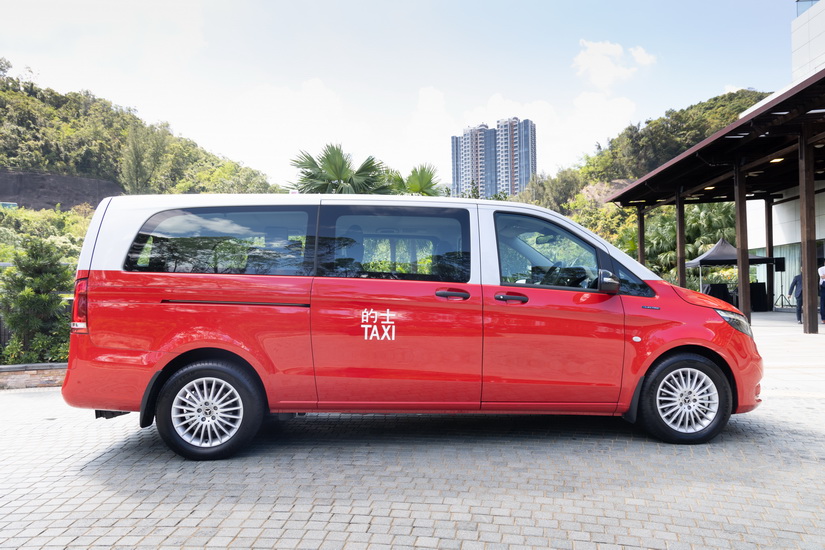
As the first electric wheelchair taxi on the market to receive dual certification from both the EU and the Hong Kong Transport Department, the eVito not only meets international standards in performance and endurance but also showcases Mercedes-Benz’s commitment to inclusive transportation in its details. The vehicle features a low-floor design, equipped with a sturdy ramp, non-slip flooring, and wheelchair securing devices. The cabin space accommodates one wheelchair and up to six passengers, while the headroom has been adjusted through multiple tests to ensure that even tall passengers using a wheelchair can enter and exit with ease.
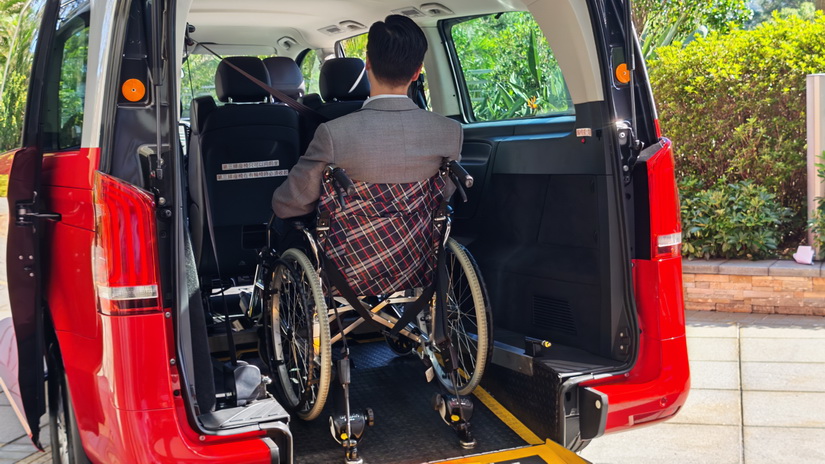
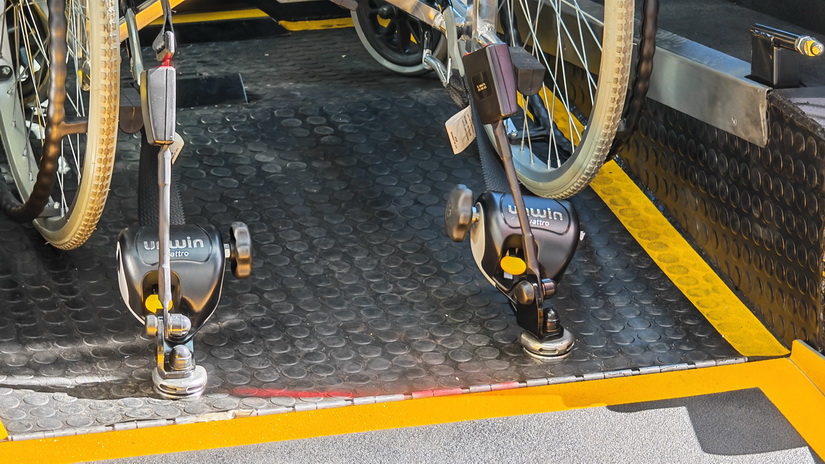
In terms of safety features, the eVito is equipped with six airbags, along with a range of intelligent driver assistance functions such as attention assist, lane keeping assist, blind spot monitoring, rain sensors, and an active brake system. This ensures that both drivers and passengers can enjoy a more stable and secure travel experience. These provisions highlight that Mercedes-Benz is not merely transforming a cargo van into a taxi; instead, they are starting from the design stage and creating a genuinely accessible mode of transport that meets real-world needs.
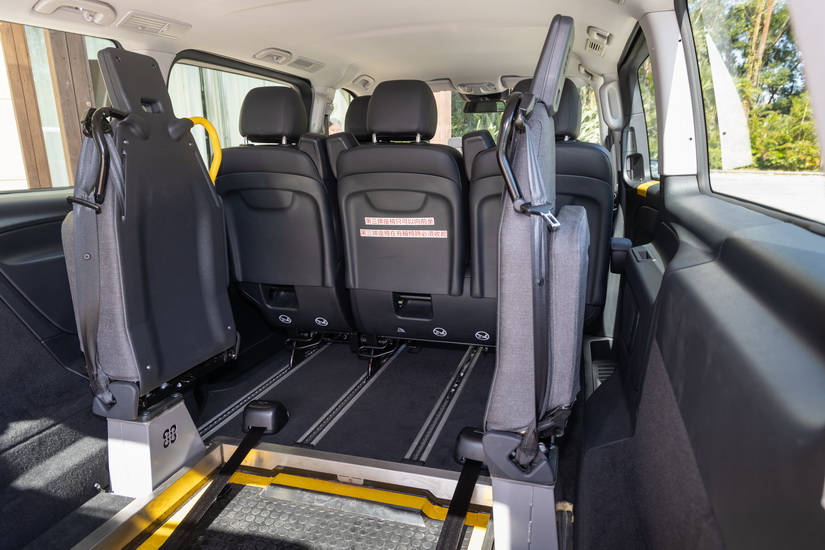
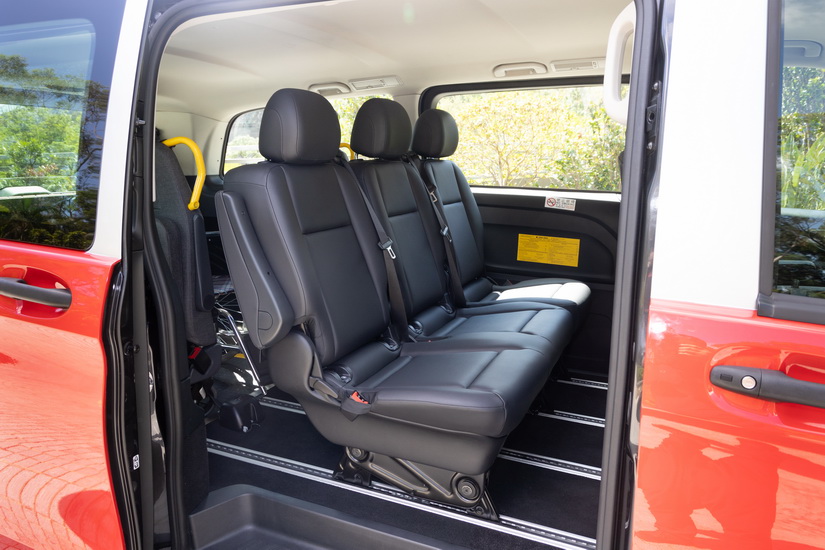
When it comes to operating costs, the eVito clearly stands out. Based on the actual situation in Hong Kong where wheelchair taxis typically drive about 300 kilometers a day, and estimating the electricity cost at around $1 per kilometer, the savings are significant compared to traditional fuel-powered wheelchair taxis which average about $2 per kilometer. This results in daily savings of about $300. Over the course of 330 days of operation a year, that adds up to a reduction in fuel costs of nearly $100,000. While the eVito may be priced about 30% higher than other electric wheelchair taxi brands on the market, it offers substantial advantages in terms of operational efficiency, maintenance reliability, and brand confidence, making it a worthwhile investment with considerable return potential.
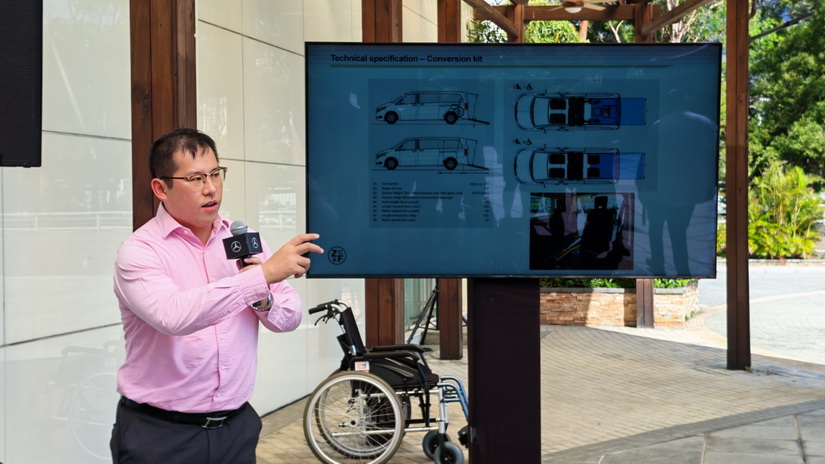
Benz emphasizes that in developing and introducing the eVito electric wheelchair taxi, the company has invested significant technology and resources. They optimized the vehicle by combining Hong Kong’s actual road conditions with the needs of wheelchair passengers. The engineering team made a series of localized adjustments focusing on space structure, body strength, and certification standards, aiming to create a truly accessible solution tailored to the Hong Kong market. This initiative goes beyond mere product development; it’s a concrete commitment from the brand to provide diverse transportation options for the people of Hong Kong through innovative technology.
In fact, the performance of the eVito in Hong Kong is already well-known. Several international logistics brands like UPS, FedEx, and DHL have adopted the eVito electric delivery van as their vehicle of choice. Currently, there are over 100 units in daily use in the city, not only proving its quality and range, but also demonstrating that the brand has gained substantial market recognition in terms of repair support and after-sales service. These successful experiences also lay a solid foundation of confidence for the wheelchair-accessible taxi version.
However, to enable vehicles like the eVito to be more widely deployed, policy support will be a crucial driving force. According to the current mechanism of the Environmental Protection Department New Energy Transportation Fund, the fund primarily supports trials for electric commercial vehicles. However, wheelchair taxis, which require additional modifications as specialized vehicles, currently lack targeted arrangements for application and approval. In contrast, other regions such as the Netherlands, Singapore, and Japan have already established dedicated funding and simplified approval processes for accessible electric vehicles, allowing these socially valuable innovative models to be quickly implemented and put into service.
According to estimates from the Social Welfare Department and rehabilitation organizations, there are over 100,000 wheelchair users in Hong Kong. However, only 18 taxi stands have the facilities to accommodate wheelchair-accessible taxis, and currently, there are only about 900 registered wheelchair taxis in total. More than 80% of these vehicles are still diesel-powered and tend to be older models, with some exceeding ten years in age. This situation not only fails to meet actual demand but also exposes both drivers and passengers to increased safety and maintenance risks. The introduction of the eVito electric wheelchair taxi is a timely solution designed specifically to address this gap.
The industry widely expects the government to establish a targeted support mechanism through the New Energy Transport Fund for electric wheelchair taxi models that have been certified and are ready for immediate operation, while also streamlining the approval process. This way, vehicles that embody both technical and social value can transition from design to the roads, realizing the goal of sustainable and inclusive transportation.
Sustainable urban development hinges not just on technological advancements but on whether systems can accommodate the needs of diverse groups. The Mercedes eVito electric wheelchair taxi stands as a perfect blend of practicality, safety, and smart technology in the realm of accessible vehicles. It has laid out a clear roadmap for the future of transportation in Hong Kong. The next step relies on collaboration at the policy level, ensuring that such vehicles become more than just a showcase but truly serve as usable transportation tools within the city.