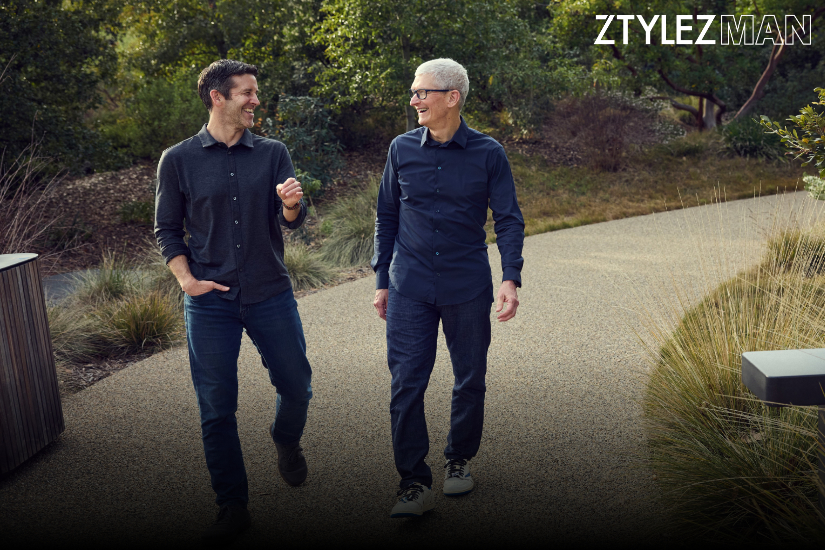
Apple CEO transition arrived as Tim Cook, at 65, handed the reins to a successor while the company sits at roughly a $4 trillion market value.
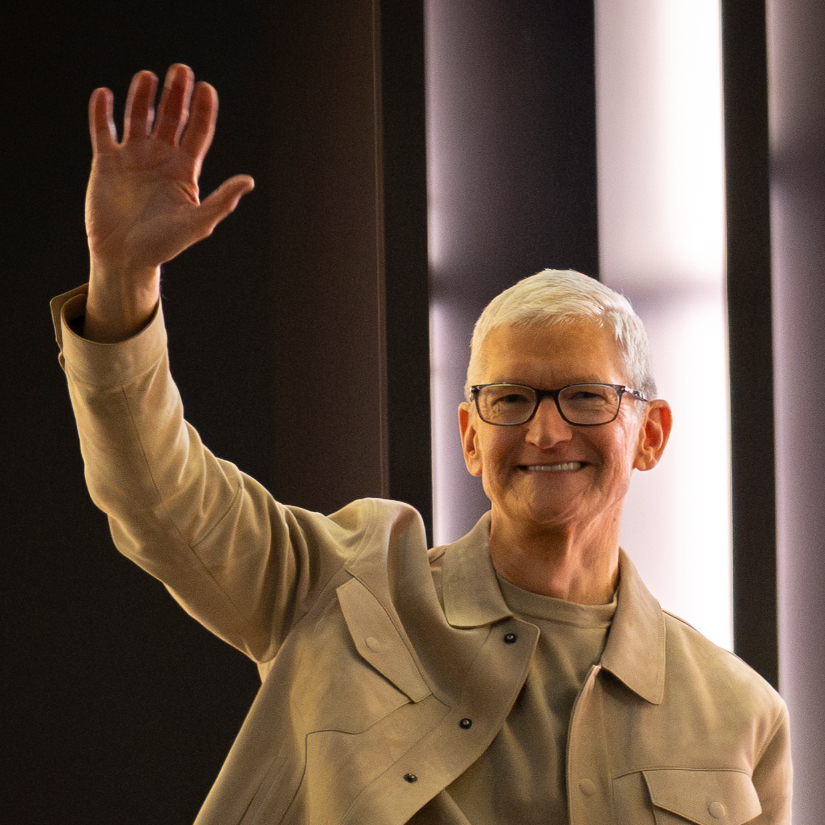
Under Cook’s 15 year tenure, Apple grew from about $350 billion in market value to roughly $4 trillion, and the company reported fiscal 2025 revenue of $416.2 billion. Apple also said its global active device base has topped 2.5 billion units, figures that rank among the rarest achievements in technology.
Yet reaching that scale brings a new set of challenges. Cook decided the next decade requires a leader who can push simultaneously on hardware, artificial intelligence, and health technology, and he concluded the role calls for someone else.
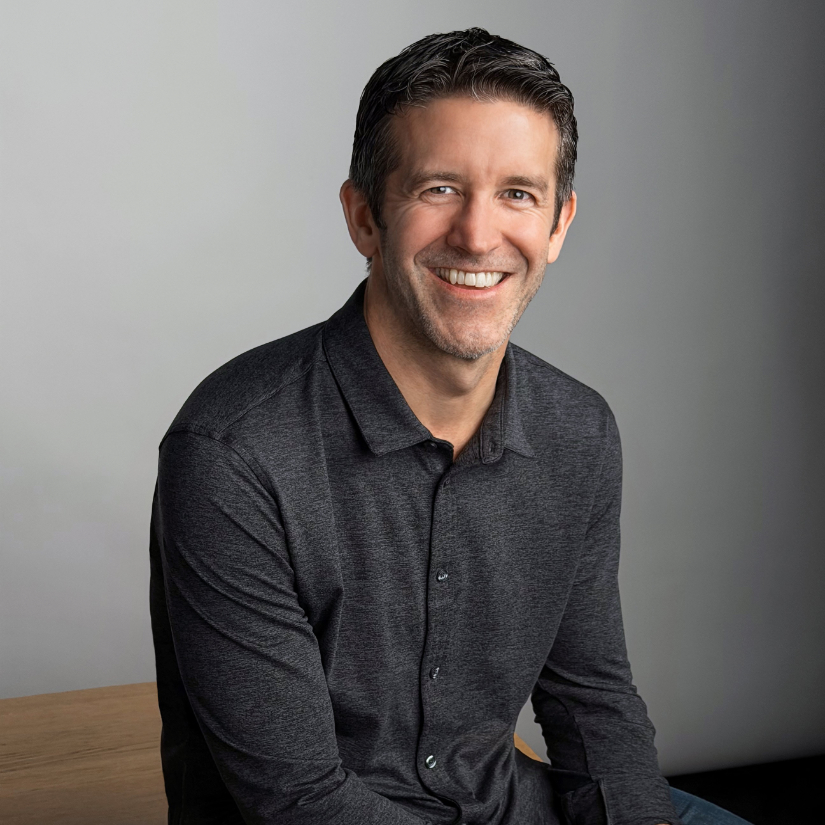
Apple CEO transition: a product first test
John Ternus joined Apple 25 years ago as a product designer, and his path up the company reads like a long engineering exam rather than a traditional resume.
His early work included the Apple Cinema Display, an external monitor, and he rose through mechanical engineering to lead the hardware teams. In 2020 he took charge of iPhone hardware development and helped lead the Mac platform’s move to Apple Silicon, a change many executives called the most consequential in decades.
That background, company colleagues say, shaped how he thinks about the form AI should take in products. Where some firms prize software first, Apple has long bet on marrying custom silicon to device design so on device processing can protect privacy and run continuously.
Engineering decisions that shaped strategy
One internal debate in 2018 illustrates Ternus’s approach. Apple considered adding a LiDAR laser sensor across the entire iPhone line, but he recommended limiting it to the Pro models. He argued Pro buyers would pay a premium, while forcing the part into every model would dilute margins and complicate the product lineup. That choice later helped define Apple s tiered feature strategy.
On leadership style, colleagues say Ternus twice declined a private office, choosing to sit among engineers in an open work area. His former supervisor described him as “a man of the people.” At the end of 2025, Cook quietly added design oversight to his responsibilities, a role previously held by Jony Ive, Tim Cook himself, and former chief operating officer Jeff Williams.
Tim Cook’s final product
Fortune reported that Cook passed along a piece of Steve Jobs’s advice to Ternus, underscoring Apple s tradition that a CEO is not so much chosen as proven by products.
After moving into the role of executive chairman, Cook will continue to handle geopolitical and policy matters, while Ternus focuses on turning engineering rigor into products that aim to change the world. Company insiders describe the arrangement as a planned two core leadership model, not a retreat from responsibility.
Fortune reported that John Ternus will formally take the CEO position on Sept. 1, 2026. The move takes him from work on a single external display to the chair of the world’s most valuable public company.
As the Apple CEO transition unfolds, analysts will watch whether the new leadership maintains the company’s hardware first approach while accelerating its AI ambitions, and whether product driven succession produces the next era of breakthroughs.
Apple CEO transition, company officials and industry analysts say, will be judged by the products that follow, and by how the new leadership balances engineering obsession with commercial discipline.