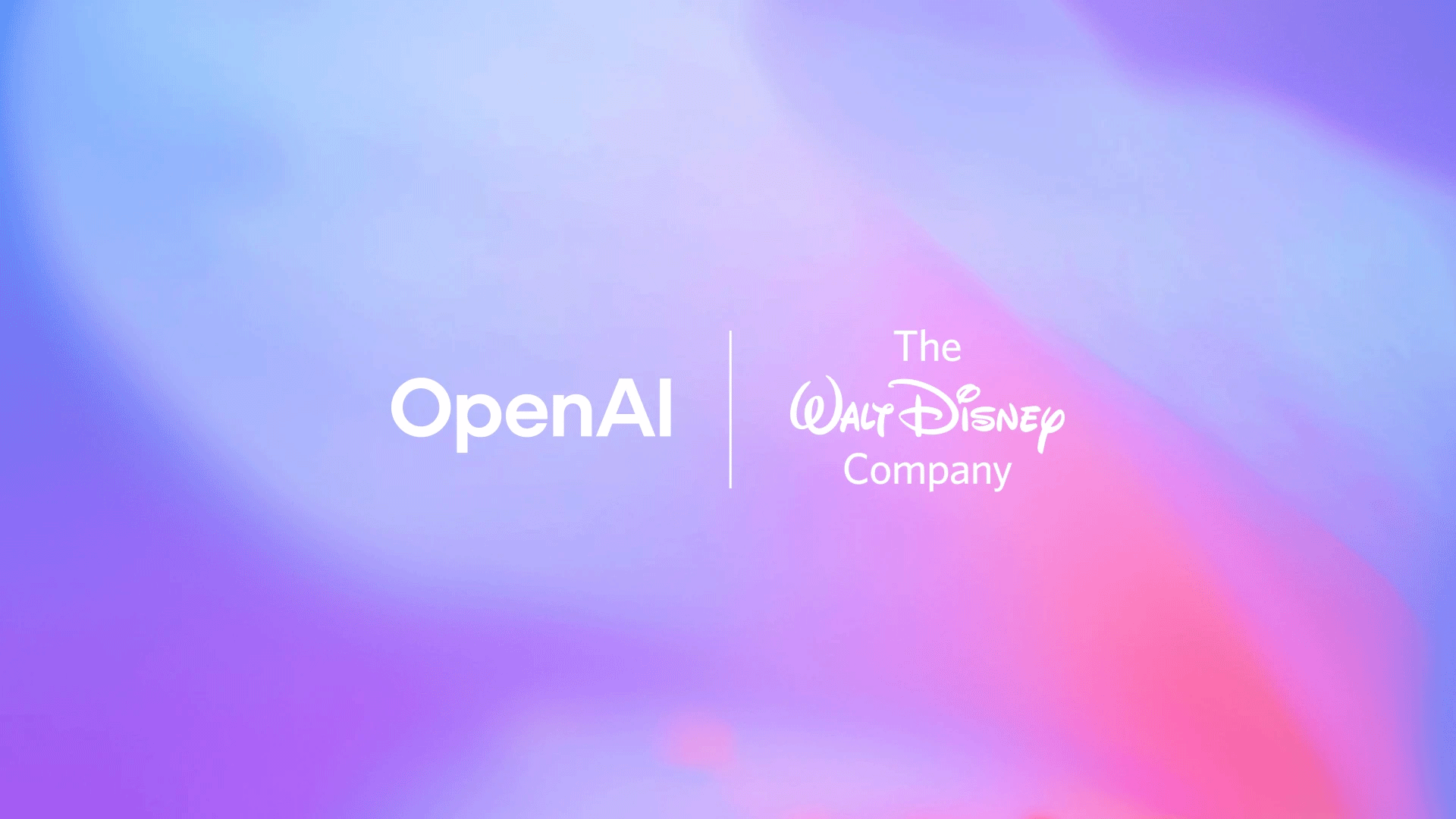
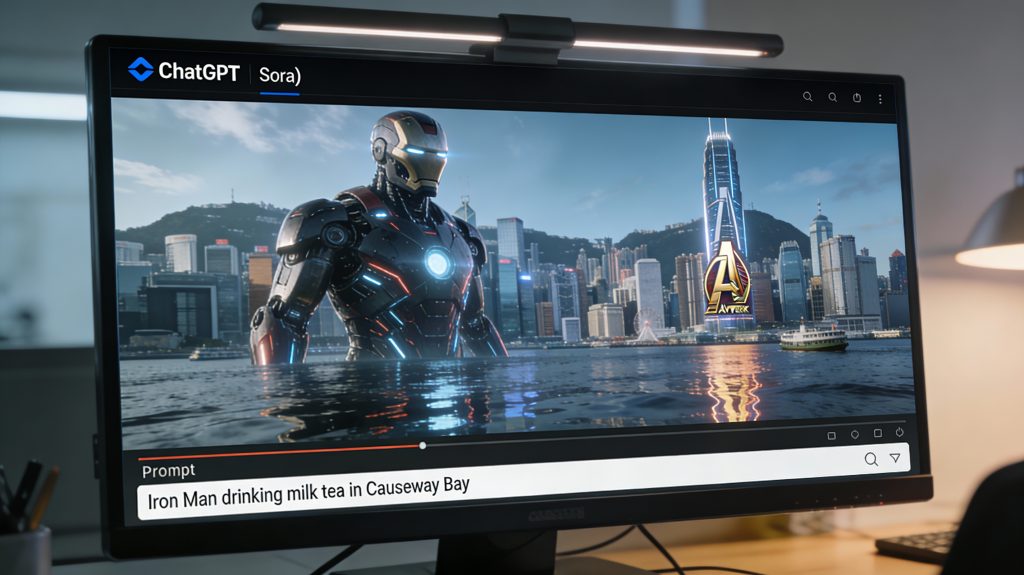
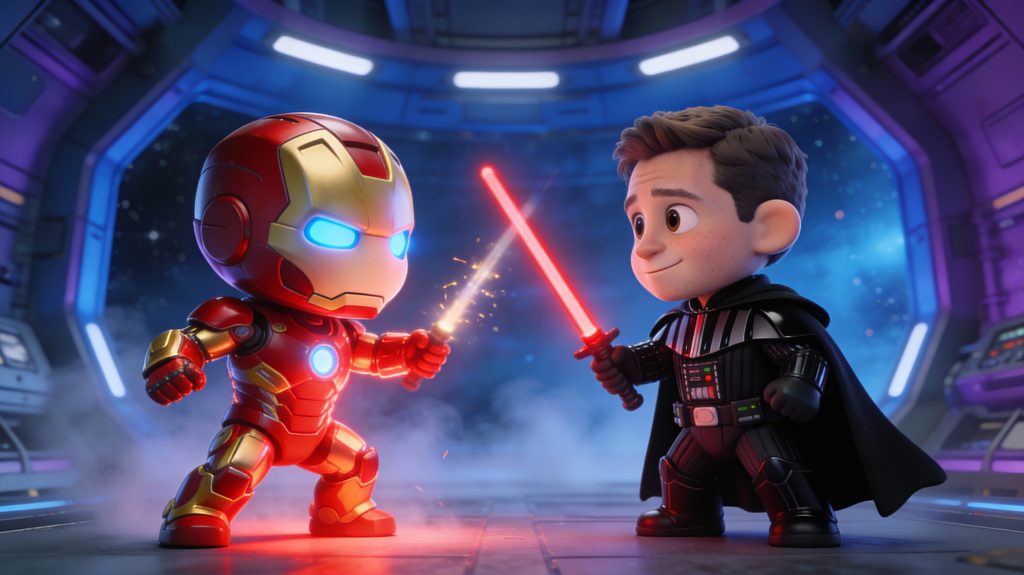
Disney has officially entered into a historic partnership with AI giant OpenAI! The announcement reveals that Disney is investing $1 billion (approximately HKD 7.8 billion) into OpenAI, granting access to over 200 core IP characters for the video generation model Sora. This means that icons like Marvel’s Iron Man and Star Wars’ Luke Skywalker, along with classic characters from Pixar’s animated films, will soon become available as creative materials for creators, possibly leading to the chance to showcase their work on Disney+.
Mickey Mouse Breaks Through Copyright Barriers
Disney, famously known as The Supreme Legal Department, is breaking from tradition this time—not just protecting its copyrights with legal letters but actively integrating its copyright library into the AI ecosystem. According to the agreement, Disney will become the first major content licensing partner for Sora, aiming to establish an Controlled and Safe AI creation environment.
CEO Bob Iger described this as A bold step towards embracing AI development.. Users are expected to legally access these characters for short film creation on the Sora platform as early as early 2026, breaking away from the gray area of previous fan creations.
Three Core Highlights: Fans Transform into Official Directors
1. Creative Works Available on Disney+ Platform
The most groundbreaking aspect of this collaboration lies in Commercial Potential. Disney plans to curate high-quality user-generated content (UGC) directly for the Disney+ streaming platform. This means that creations from everyday fans are no longer confined to social media, but rather have the chance to be showcased alongside official releases, presenting an unprecedented exposure opportunity for producers or animators in Hong Kong.
2. Strict Parent Guide: Absolute Ban on Deepfake
Although the copyright is open, Disney still strictly adheres to its brand image. The agreement includes two major red lines:
- Content Filtering Mechanism: The system will automatically intercept any instructions that are sexual, violent, or detrimental to the wholesome image of Disney, ensuring that Mickey Mouse does not appear in inappropriate scenarios.
- Protection of Real Actors: Collaboration is limited to animated characters and Virtual Characters. Users are strictly prohibited from using AI to generate the likeness or voice of real actors like Robert Downey Jr. or Scarlett Johansson, in order to prevent Deepfake technology from infringing on actors’ image rights.
3. Internal Production Revolution: Significant Cost Reduction in Digital Effects
In addition to catering to the public, Disney’s internal employees will also fully adopt ChatGPT Enterprise and Sora to assist in production. For the film industry, this signals a shift where the processes of Storyboard creation and Pre-visualization will be replaced by AI, significantly reducing post-production time and costs. This will put a new wave of transformation pressure on traditional Hollywood behind-the-scenes staff.
Why OpenAI instead of Google?
The editor noticed a thought-provoking moment: just before announcing its investment in OpenAI, Disney sent a cease-and-desist letter to Google, accusing it of unauthorized data scraping by its AI models.
According to a public statement by Disney CEO Bob Iger, Disney has been negotiating with Google for several months, but Google’s response has been disappointingly silent.
Iger clearly stated during an interview with CNBC: We had discussions with Google, but ultimately, since we couldn’t make any meaningful progress, the negotiations proved to be fruitless, and we were compelled to send a cease and desist letter.
Disney’s lawyer’s letter is quite straightforward: Google has clearly rejected the adoption of any technological solutions to mitigate or prevent copyright infringement, even though competitors are already implementing such measures. this is the key statement. It reveals Google’s true attitude: not I don’t know., but rather having the capability to solve the issue yet choosing not to.
Google’s Systemic Infringement vs. OpenAI’s Proactive Response

Google’s Strategy: Acting first and explaining later, leveraging market dominance.
- Google has developed a vast ecosystem (including YouTube, Gemini, Veo, Imagen, etc.) that directly integrates Disney characters, making it possible to release them without needing prior consent.
- They even actively encouraged users to participate in the Disney figurine (Figurine) viral challenge, further amplifying the infringement.
- Disney refers to this as Intentional Commercial Exploitation(Deliberate Commercial Exploitation), highlighting that it’s not a mere oversight but a meticulously designed profit model.
OpenAI’s Strategy: Rapid Adjustments and a Willingness to Compromise
- Just 72 hours after the launch of Sora 2.0, Sam Altman announced a policy shift .
- Change from Use it first, then talk about it (Opt-out) to Opt-in after inquiry, and commit to launching a Revenue-Sharing Model.
- Actively inviting copyright holders to define usage boundaries is what the designer said Controllable Generation.
These two completely different attitudes determine who is Potential Partners and who is Rivals that require legal action to deal with..
YouTube TV Negotiations Lessons from the past

Interestingly, the relationship between Disney and Google has already shattered on another battlefield. During the licensing negotiations for YouTube TV, Disney accused Google of attempting to Using its market power to devalue content., which even led to ESPN, ABC, and National Geographic channels being removed from YouTube TV.
Google’s response was: DisneyForcefully driving up prices.
This moment in history is significant, as it demonstrates that the trust between Disney and Google has completely shattered. When a company is so adamant about its stance on streaming rights, why would Disney still trust that it will uphold its commitments regarding AI licensing? In contrast, one of OpenAI’s key differentiators is its willingness to assume legal responsibility for its customers. In 2023, Sam Altman launched the Copyright Shield initiative, promising to cover any copyright infringement lawsuit costs for clients using ChatGPT.
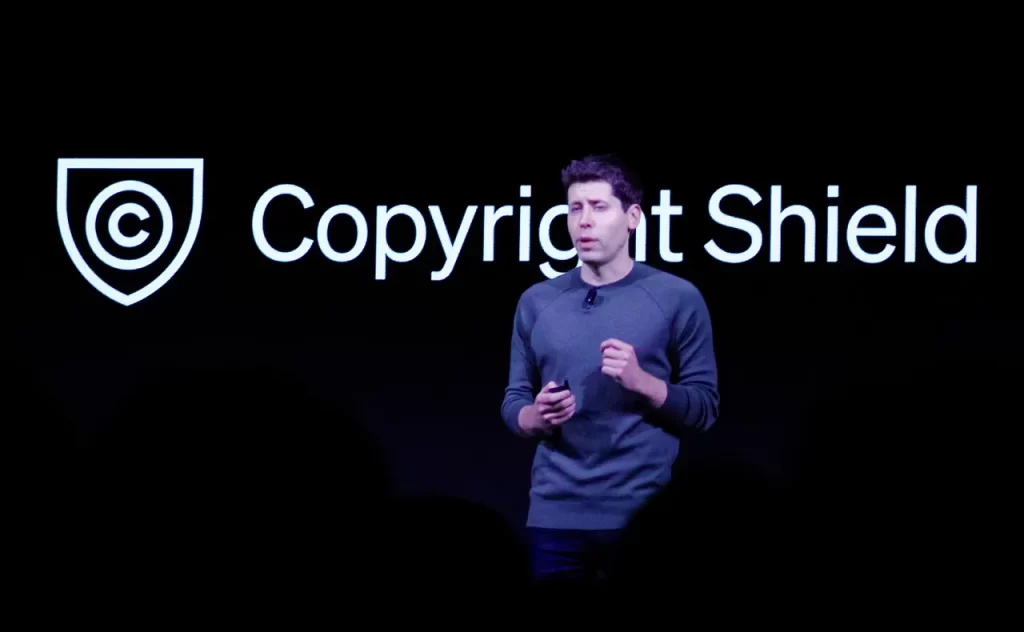
This is called Risk Transference, which means one party is willing to bear the negative consequences of the decisions made by the other party. Google has never mentioned similar guarantees. For Hong Kong’s creative industry, this case is thought-provoking: When collaborating with tech giants, don’t be blinded by technical metrics. What truly matters is whether they are willing to listen to your voice. Google’s Veo may be clearer than Sora’s rendering in certain scenarios, but what Disney needs is not The best tools, but rather Trusted Partner.