Many people think that quotes from celebrities or proverbs have only one meaning, but if you approach them with a critical perspective, you can uncover the counterexamples behind these phrases. When it comes to the concept of "mistakes," we are taught from a young age to avoid making them. However, the legendary fashion designer Alexander McQueen once said: As humans, we inevitably make mistakes; it's only through these errors that we can grow and improve..
In the world of trendy fashion, Error is often seen as a terrifying source of problems. For example, printing errors can render a large batch of products unsellable, while political missteps can trigger public relations crises for brands. Some poor decisions could even put an entire company at risk. However, for many highly creative designers, Error isn't an obstacle to avoid; instead, it's an unavoidable challenge in the practice of innovation. Often, these Error can serve as crucial sources of inspiration for their creative work.
Numerous studies and case analyses have explored how Error sparks creativity and fosters innovation across various disciplines, yet there is a notable scarcity of discussions when it comes to its application in the fashion industry. This article will delve into how to transform the concept of Error in design into a resource for creativity. Embracing Error is not merely about accepting imperfections; it’s about converting accidents in production, cultural misunderstandings, and technical flaws into compelling narratives for creation.
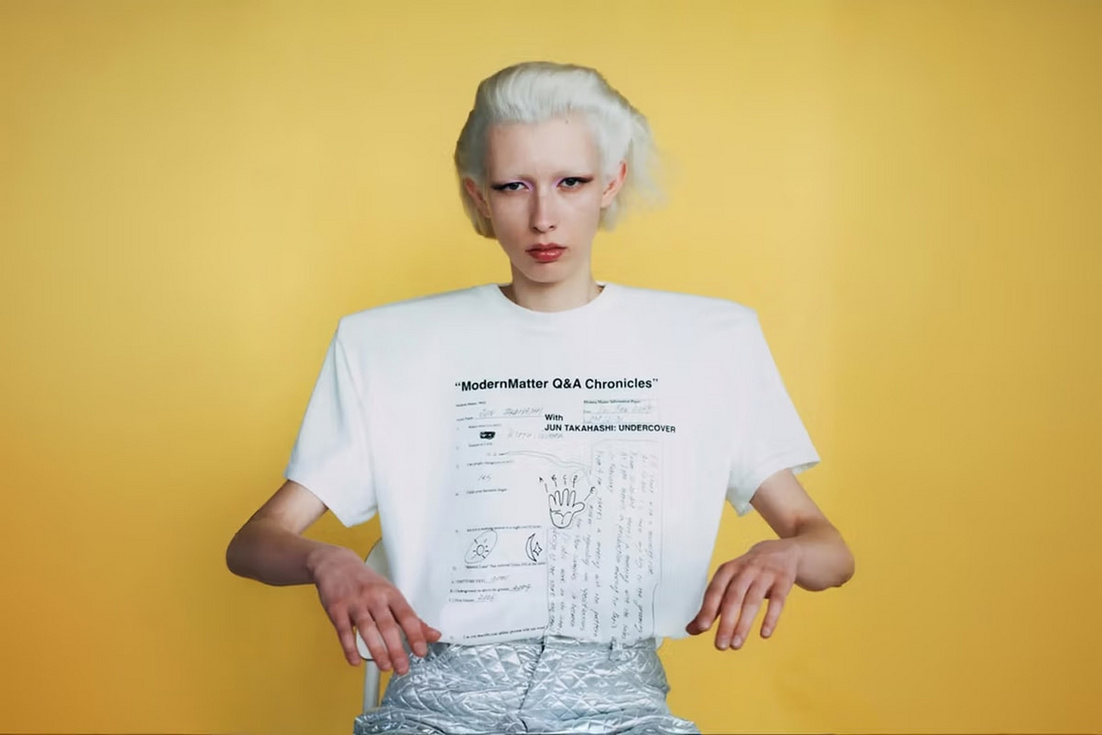
A recent example features the renowned brand UNDERCOVER, where Jun Takahashi collaborates with Olu Odukoya, the founder of London Modern Matter magazine. Together, they delve into the magazine's archives from the past decade (2010-2020), uncovering printing errors to create artistic collages that blur the lines between intention and accident. Alongside a T-shirt, their collaboration also introduces a special magazine titled Modern Matter Q&A Chronicles, which explores the story and creative process behind this project. What were once considered flaws have been masterfully reimagined by Takahashi, presenting a fresh series that embraces accidents as opportunities.
In the Autumn/Winter 2025 collection, designer Andrea Adamo of ANDREĀDAMO innovatively incorporated Error into the designs, showcasing a celebration of imperfection and a redefinition of creativity. For instance, an accidental blend of two mismatched yarns resulted in a unique texture that combines Bouclé and British ribbed wool. Meanwhile, a sample piece with excessively long sleeves was casually pinned with safety pins, evolving into the collection's distinctive radial pleating design. When interviewed, Andrea Adamo remarked: Many of my mistakes ultimately became my strengths..
This concept of viewing the production process as an extension of design inspiration, as exemplified by iconic designer Rei Kawakubo, emphasizes the beauty found in imperfection, asymmetry, and deconstructed shapes. Looking back, the 1998 Channel 4 program Undressed: Fashion in the 20th Century tracked the daily life of the Comme des Garçons team in their studio in Japan and uncovered errors in the technical process, which led to innovative garment cutting methods. Kim Jones also mentioned in a conversation with Jony Ive that the errors that often occur during the design process can sometimes possess an aesthetic appeal that surpasses the intended outcome—although rare, this phenomenon is incredibly exciting.
If Error is no longer a symbol of negativity, why not actively seek out Error and see what unexpected surprises it can bring? Nabil Nayal, a finalist in the 2017 LVMH Prize, explored how to create Error in his designs. He photographed historical garments from archives and disrupted the images through collage, shaping the concept of disorder, viewing disharmony as the foundation of fashion creativity. Another designer, Julian Roberts, invented Subtracting Cuts, an experimental hollow construction method that has been shared freely online since 2001. In his work Free Cutting, he mentions: This isn't a step-by-step guide; I want you all to try and make mistakes..
The concept of Error goes beyond the design phase, as we often come across posts and articles online criticizing Error's style. Deliberately creating Error or breaking traditional dressing norms is quite common in the fashion world, often offering fresh perspectives and stunning aesthetics. Miu Miu, in their Spring/Summer 2025 showcase, once again challenged conventions by showcasing looks that featured layering lingerie over clothing, transforming sweaters into tops, and embracing unexpected combinations, all while expressing a sense of rebellious and liberated femininity.
No one is perfect, not even machines, and the Glitch style – which embodies the so-called Aesthetic of Error of the digital era marked by digital or analog errors – is becoming increasingly relevant in the fashion world. This isn’t just a concept; it’s seeping into the fabrics, textures, and visual presentations of clothing, even influencing the cuts, structures, and ways we wear our outfits. Designers like LOEWE have embraced this in their 2023 Spring/Summer Pixel capsule collection, unveiling intentionally blurred, color-jumbled, and seemingly glitchy T-shirts and dresses that create a sense of instability, as if you’re caught in a digital realm.
Artist Phillip Stearns launched the GlitchTextiles project in 2012, aiming to transform the digital realm into a tangible reality. One of the most striking collections is the DCP series, which turns images captured by modified and damaged cameras into blankets, scarves, and pillows. In the footwear arena, sports brands like Nike and adidas have also rolled out shoes featuring glitch-inspired colorways. This embrace of machine error aesthetics is exploring the relationship between fashion and technology, as well as the connection between people and the digital world, encouraging individuals to accept imperfections and turn them into personalized fashion statements.
Viewing Error as a value rather than a defect marks a significant shift in the fashion trends of our era. In an industrial landscape that emphasizes precision and efficiency, this reinterpreted perspective on imperfection is particularly precious. It's not just a choice of aesthetics or form; it's a creative attitude—one that rejects the blind pursuit of perfection, turning instead towards a focus on processes, serendipity, and the relationship between people and materials. In this context, Error is no longer a flaw to be corrected, but a potential spark of innovation, seeking possibilities to reconstruct order from chaos.
As brands, designers, and even consumers start to recognize the narrative tension and experimental spirit that these Error embody, we might grasp why today’s fashion industry no longer simply chases standardized, rational, and replicable beauty. Instead, it seeks to explore expressions that truly belong to this era amidst chaos, fragmentation, and imbalance. The aesthetics of imperfection is not a rebellion against perfection, but rather a profound reflection on the standards of perfection itself. In this context, fashion now communicates not just superficial Correct, but a courageous embrace of the uncertainties of innovation and the possibilities of failure.