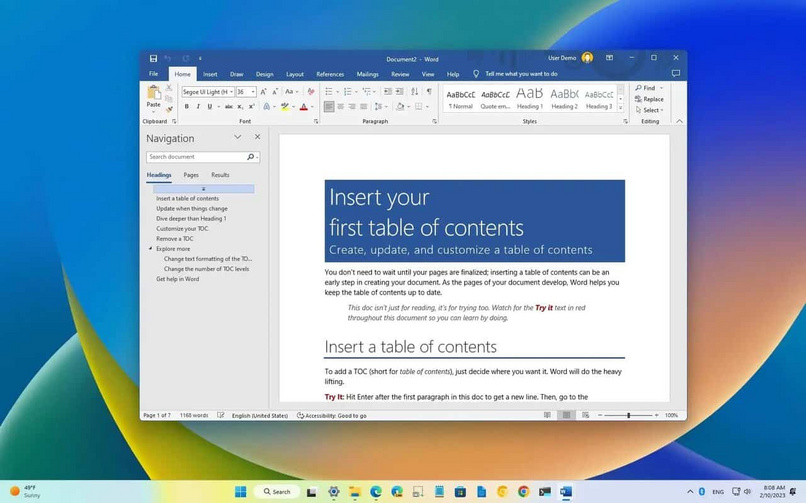
With the fiercely competitive landscape of the word processing software market, OpenAI has announced plans to dive into this realm, developing new features that will allow users to engage in word processing and chat interactions directly within ChatGPT. This move aims to take on Microsoft’s word processing solutions head-on.
Reports indicate that sources familiar with the design plans have revealed that the introduction of these new features will intensify the competition between OpenAI and Microsoft, opening a new battleground in the rivalry with Google’s productivity tools. As more users turn to ChatGPT for search purposes, the traffic of Google’s search engine is being impacted.
The design plan reveals that OpenAI intends to launch more productivity-related tools, such as document storage capabilities, to boost its competitiveness in the corporate market. These collaborative features will target Microsoft’s productivity suite, potentially tightening the relationship between the two.
Currently, OpenAI and Microsoft are in fierce competition in areas like AI assistants and programming tools, attempting to expand their market among enterprise clients. OpenAI is looking to secure Microsoft’s approval as it seeks to restructure its business division related to ChatGPT, with both parties seeking significant concessions during this process.
Product manager Kevin Weil first showcased the design sketches for the document collaboration feature a year ago, but development couldn’t progress as planned due to limited human resources. In October of last year, OpenAI launched the Canvas feature, which further streamlined user experience in AI document and code drafting, seen as an initial step toward the launch of comprehensive collaboration capabilities.
Sources reveal that OpenAI has developed a new software for multiple ChatGPT users to collaborate within the app, although it hasn’t officially launched yet. At the same time, the company has introduced a meeting recording tool that can capture audio from calls or meetings and import related notes into Canvas. However, due to the lack of basic document storage functionality, its practical application value remains limited.
Analysts suggest that OpenAI’s strategic shift indicates that AI companies are evolving from pure technology providers to integrated platform service providers. By offering comprehensive workflow solutions, OpenAI aims to establish a stronger moat in the enterprise market, reducing dependency on Microsoft’s infrastructure. However, whether these new features will ultimately come to fruition remains uncertain, especially as OpenAI navigates its complex relationship with Microsoft and the ongoing restructuring negotiations, requiring a balance between product strategy and partnerships.