




Why You Wake Up Exhausted Even After 8 Hours of Sleep
The best sleep tracking devices may finally hold the answer to why you wake up feeling drained every morning, even after logging a full seven or eight hours in bed. If you’ve ever wondered whether your sleep quality is actually as good as you think, the data these wearables collect might tell a very different story.
Sleep trackers pull back the curtain on what happens during those nightly hours inside your personal “sleep quality black box.” The numbers don’t lie: critically low deep sleep totals, multiple unnoticed wake-ups throughout the night, or the silent presence of sleep apnea you never knew you had. Any one of these factors could explain years of unexplained fatigue.
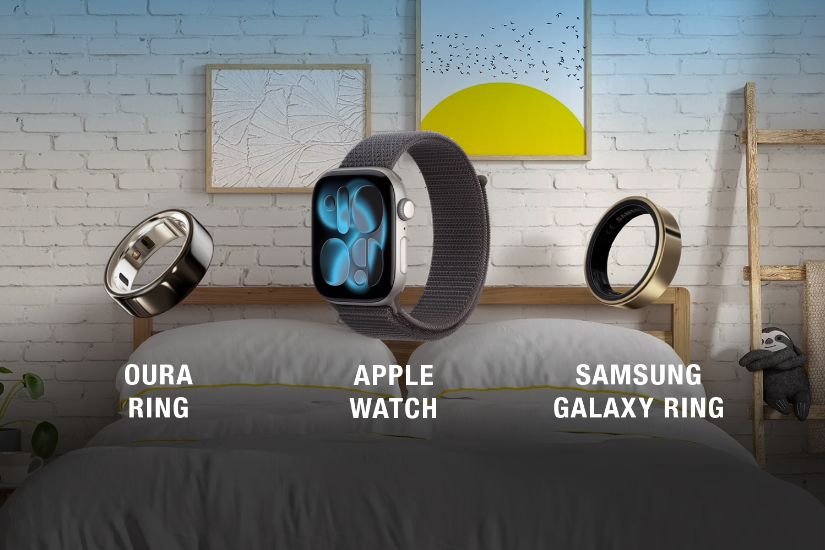
Oura Ring 4: The Most Accurate Sleep Data
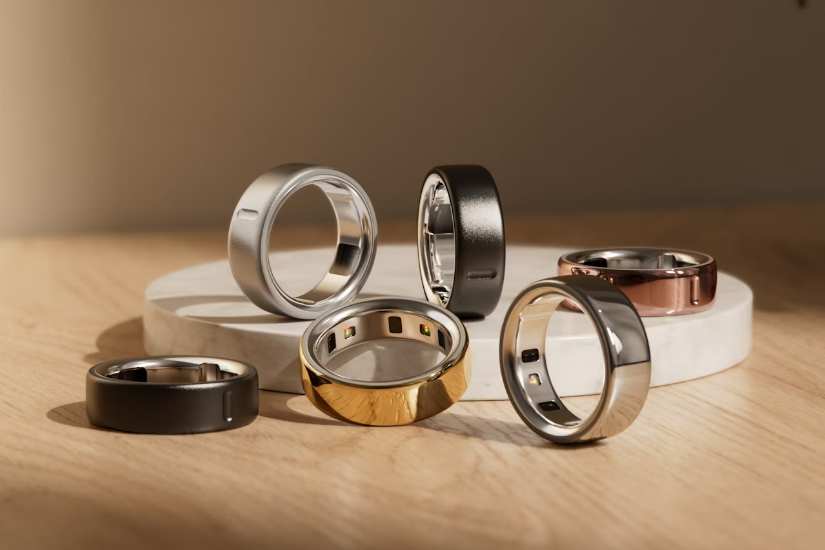
For accuracy, the Oura Ring 4 is the closest consumer-grade option to a clinical standard. Its sleep tracking accuracy reaches 79%, representing the highest level of agreement with polysomnography (PSG), the gold standard in medical sleep studies.
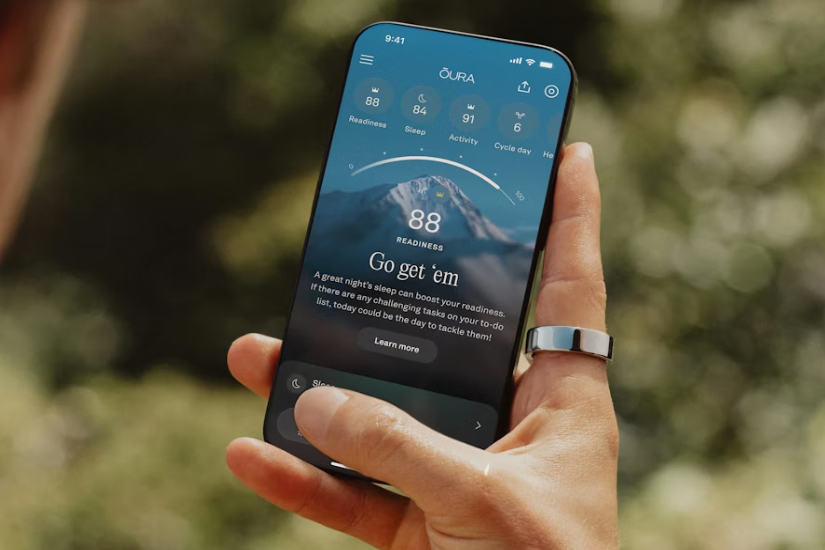
The ring’s design philosophy is elegantly straightforward: position the sensors directly against the finger’s digital arteries, which deliver cleaner, more stable heart rate and skin temperature signals than a wrist-based wearable ever could. It tracks deep sleep, light sleep, REM cycles, heart rate variability (HRV), and body temperature fluctuations, then distills everything into a comprehensive sleep score waiting for you each morning. The one cost to factor in is the monthly subscription required to unlock the full suite of analytics.
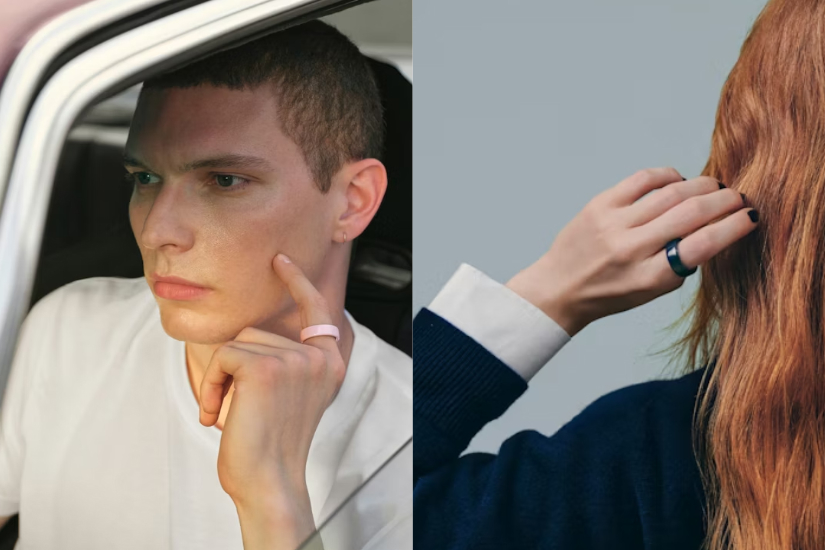
Best for: Anyone who wants the most discreet form factor, hates frequent charging (roughly five days per charge), and prioritizes waking up to an immediate, actionable sleep quality read.
Apple Watch Series 11: FDA-Cleared Sleep Apnea Detection
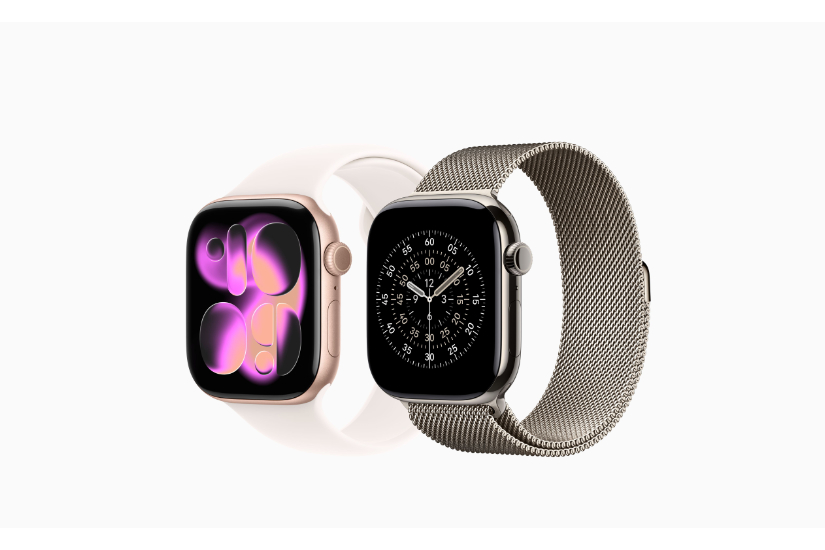
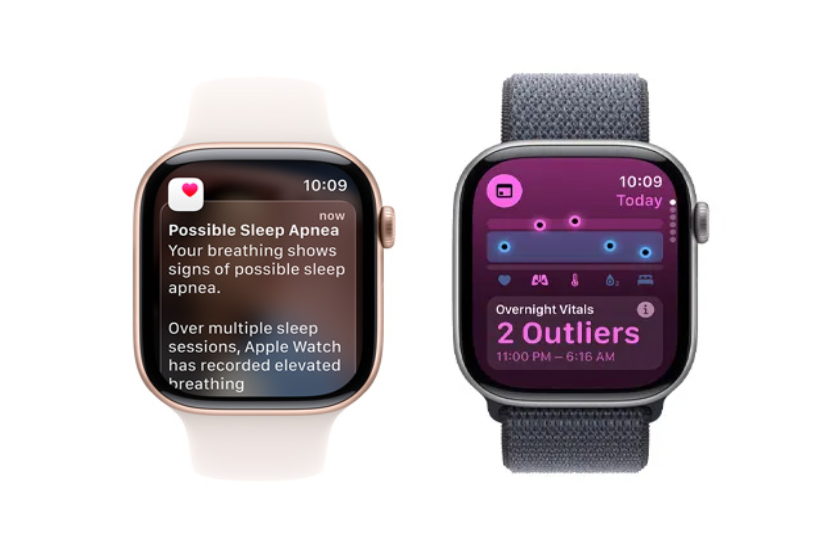
The headline feature of the Apple Watch Series 11 is its FDA-cleared sleep apnea detection. Some users have credited this single feature alone with finally identifying their mild sleep apnea after years of unexplained poor sleep, effectively solving a health mystery that no amount of extra hours in bed could fix.
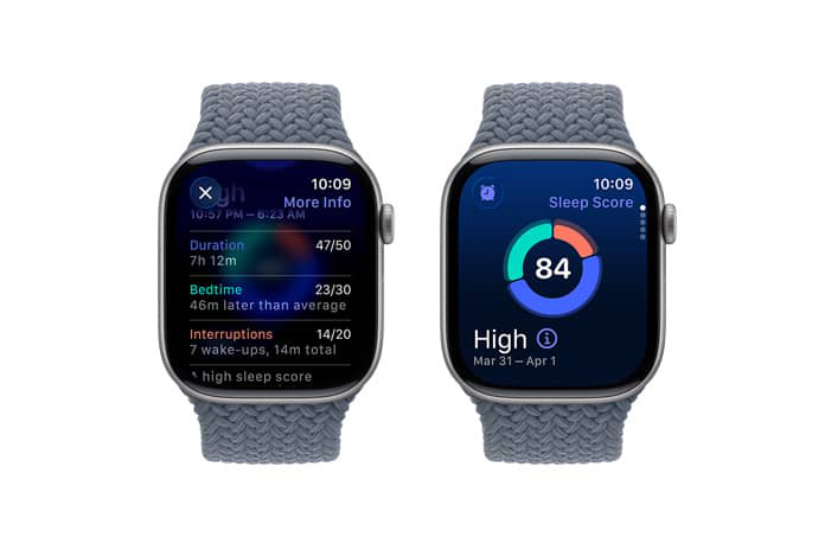
Sleep apnea is far more common than most people realize, and the majority of sufferers have no idea they have it. If you regularly snore, feel drowsy during the day, or wake up with headaches, this FDA-cleared detection capability could deliver a critical health alert that prompts a real conversation with your doctor.
The obvious trade-off is battery life. The Apple Watch Series 11 needs a mid-day top-up to guarantee enough charge for a full night of sleep tracking, a routine adjustment that takes some getting used to for new users.
Best for: Existing iPhone users, anyone who wants blood oxygen and body temperature monitoring in one device, or those with a personal or family history of sleep apnea risk factors.
Samsung Galaxy Ring: Seven-Day Battery Champion
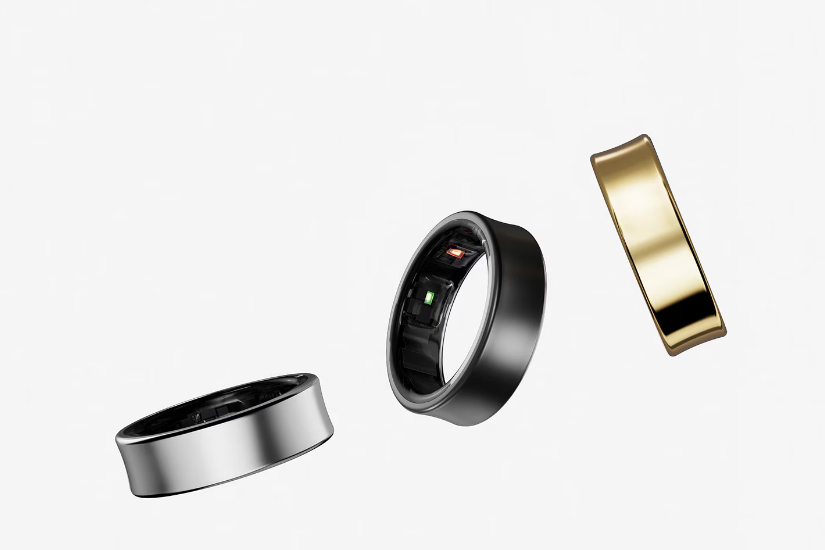
The Samsung Galaxy Ring stands out immediately for one reason: no monthly subscription. Everything unlocks at the point of purchase. Paired with a battery life of approximately seven days, a tracking scope that rivals the Oura Ring 4, and an optional snore recording feature to map your snoring patterns, it’s a compelling package at its price point.
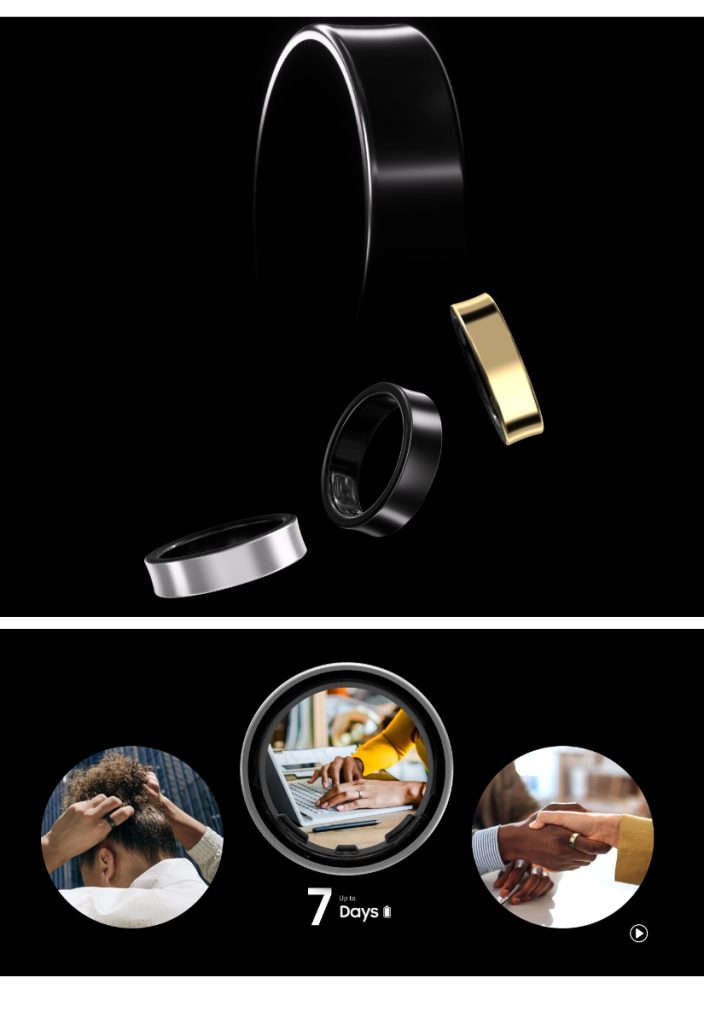
A recent system update introduced a “Sleep Environment Report,” which analyzes room temperature, humidity, air quality, and ambient light levels to help you optimize your bedroom from the ground up. It’s a level of contextual awareness that few competitors have attempted.
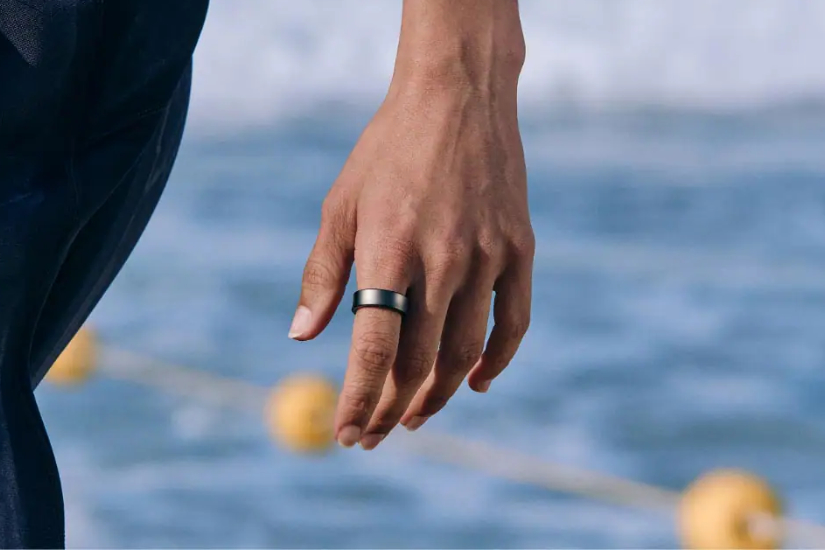
For anyone curious about sleep tracking but not ready to commit to ongoing subscription costs, the Galaxy Ring offers exceptional entry-level value. Its integration with the Android ecosystem is smooth and intuitive.
Best for: Android users, anyone who resents frequent charging, or those specifically looking for a smart ring rather than a smartwatch.
Which One Is Right for You?
| Oura Ring 4 | Apple Watch Series 11 | Samsung Galaxy Ring | |
| Battery Life | Approx. 5 days | Approx. 1 day (requires daytime charging) | Approx. 7 days |
| Form Factor | Lightweight smart ring | Smartwatch | Lightweight smart ring |
| Platform | iOS and Android | iOS only | Android only |
| Standout Feature | Recovery Score | Sleep apnea detection (FDA-cleared) | Snore recording and Sleep Environment Report |
| Monthly Subscription | Required ($5.99/mo.) | Not required | Not required |
| Starting Price | approximately $349 | approximately $399 (currently $299 on sale) | approximately $399 |
Sleep tracking devices deliver a wealth of data, and their real power lies in surfacing patterns you would never notice on your own. You might discover that your deep sleep tanks every Friday after a couple of drinks, or that staying up late bingeing TV quietly destroys the next morning. The insights are there. Acting on them, however, is entirely up to you.
If you’re like most people who wake up tired without understanding why, the best sleep tracking devices can hand you a few important clues. Your sleep may be far lighter than you assumed. You might be showing early signs of sleep apnea. Or the culprit could be something as correctable as your bedroom environment or bedtime routine. The data gives you a starting point, not a final diagnosis. These devices can tell you what’s happening every night. What you choose to do about it is the part only you can decide.
When was the last time you actually woke up feeling genuinely refreshed and ready to take on the day?