



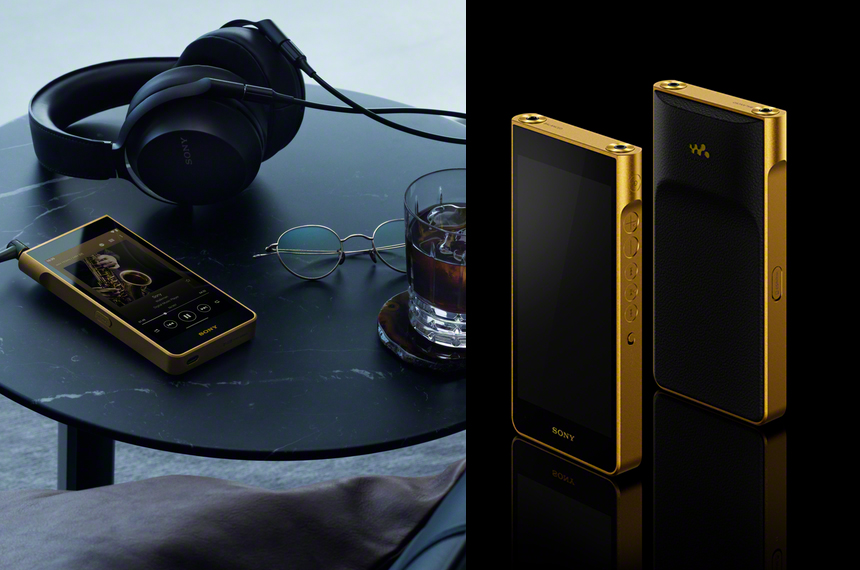
Sony Walkman NW-WM1ZM3 tops Sony’s new portable-audio lineup with a 670-gram gold-plated copper chassis and a Hong Kong retail price of approximately $4,458 (originally 34,990 HKD), Sony said.
Sony Walkman NW-WM1ZM3, why it weighs 670 grams
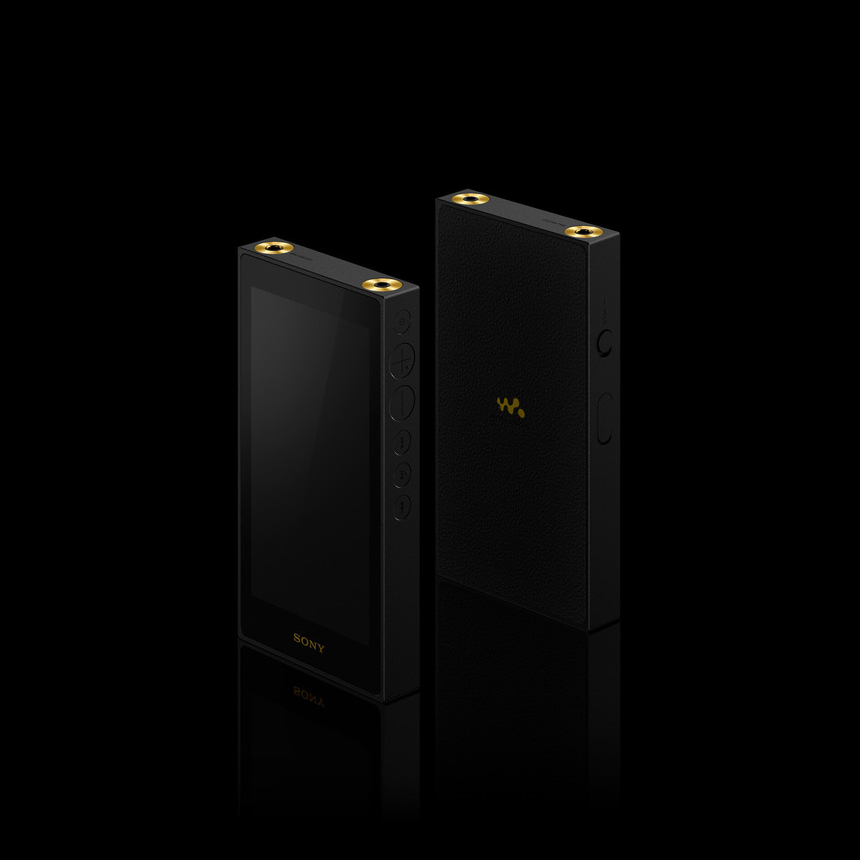
Sony Walkman NW-WM1ZM3’s weight comes mainly from its materials and finish. The main chassis is machined from roughly 99.99 percent oxygen-free copper, and the rear plate moves from the previous generation’s aluminum to gold-plated oxygen-free copper, with even the mounting screws gold plated, Sony said.
The company said those choices are intended to lower grounding resistance and stabilize circuit operation. The change adds about 180 grams over the prior model, so Sony recommends handling the unit before purchase to judge portability.
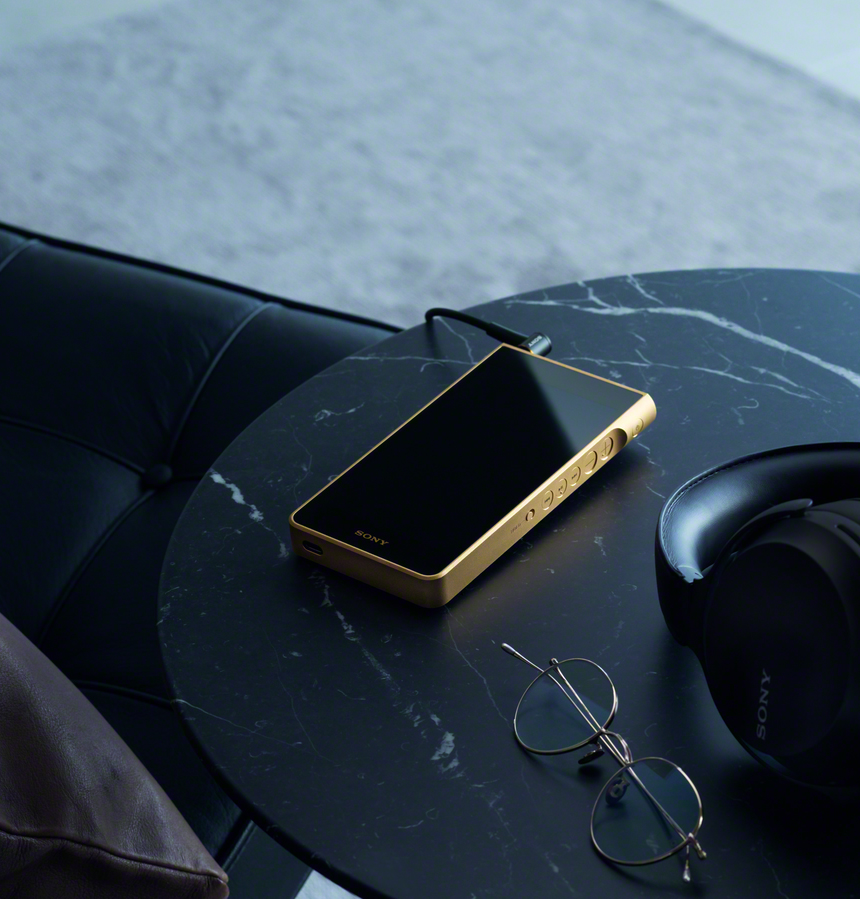
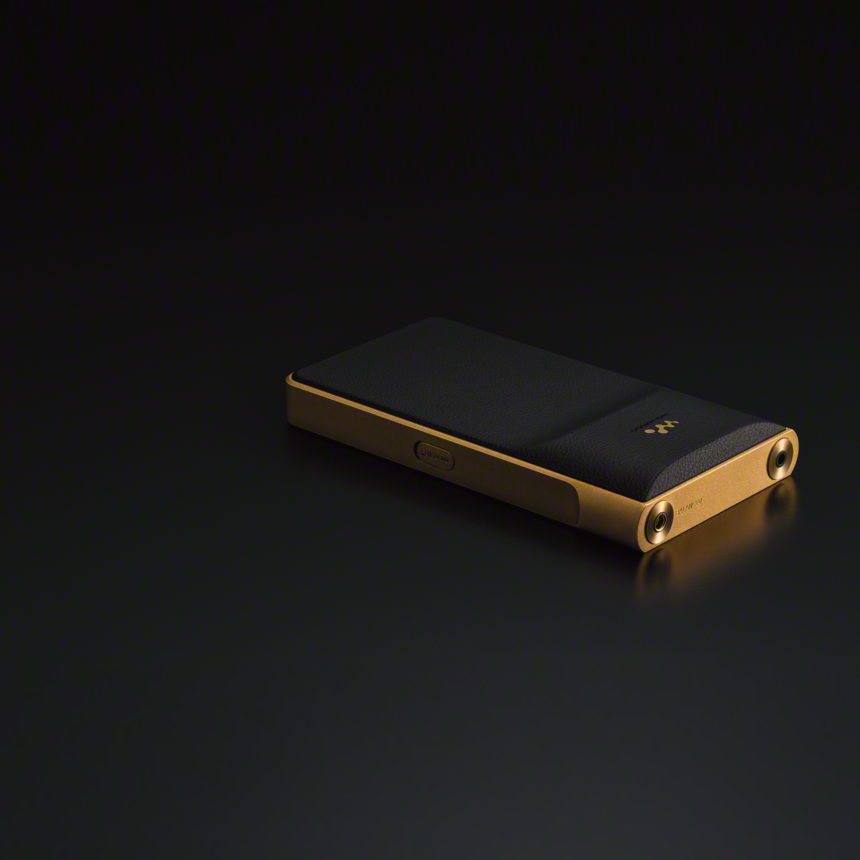
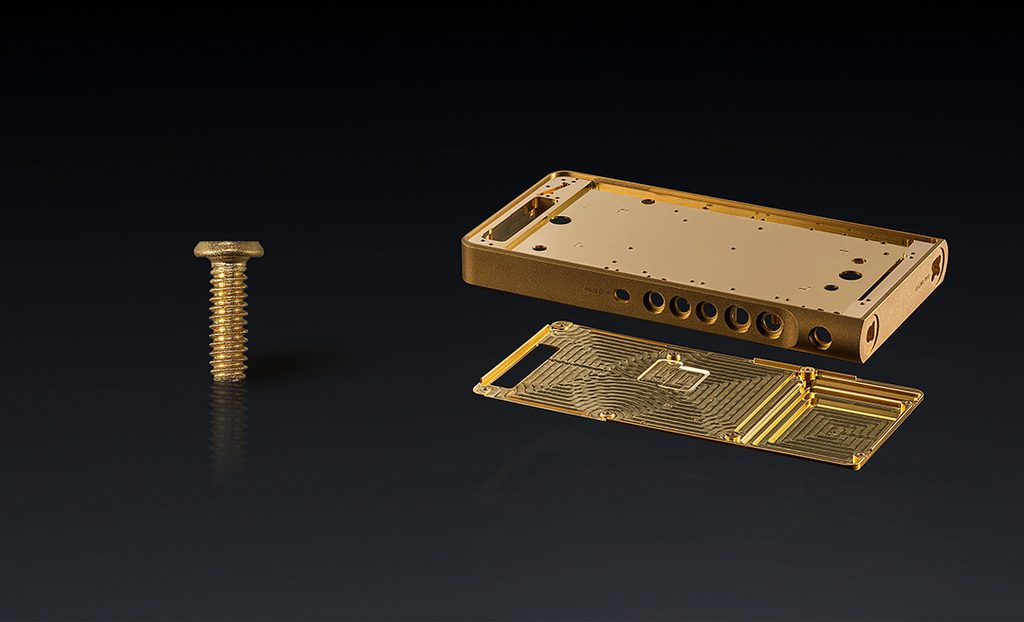
Internal components are upgraded as well. Sony said a large solid polymer capacitor increases from one to two pieces, with separate placement for digital and analog sections to reduce noise. The 4.4 mm balanced headphone jack uses thick-gauge KIMBER KABLE internal wiring, and the filter coils are wound with 4N oxygen-free copper. For audiophiles, those internal parts are the primary reasons behind the heavier, more costly enclosure.
NW-WM1AM3: what the lighter black-brick keeps
The NW-WM1AM3 pairs an aluminum main chassis with a gold-plated oxygen-free copper rear plate and weighs about 425 grams, roughly 245 grams lighter than the NW-WM1ZM3, Sony said. It retains the dual-capacitor layout and a direct OFC power connection, with OFC copper wiring inside the 4.4 mm jack.
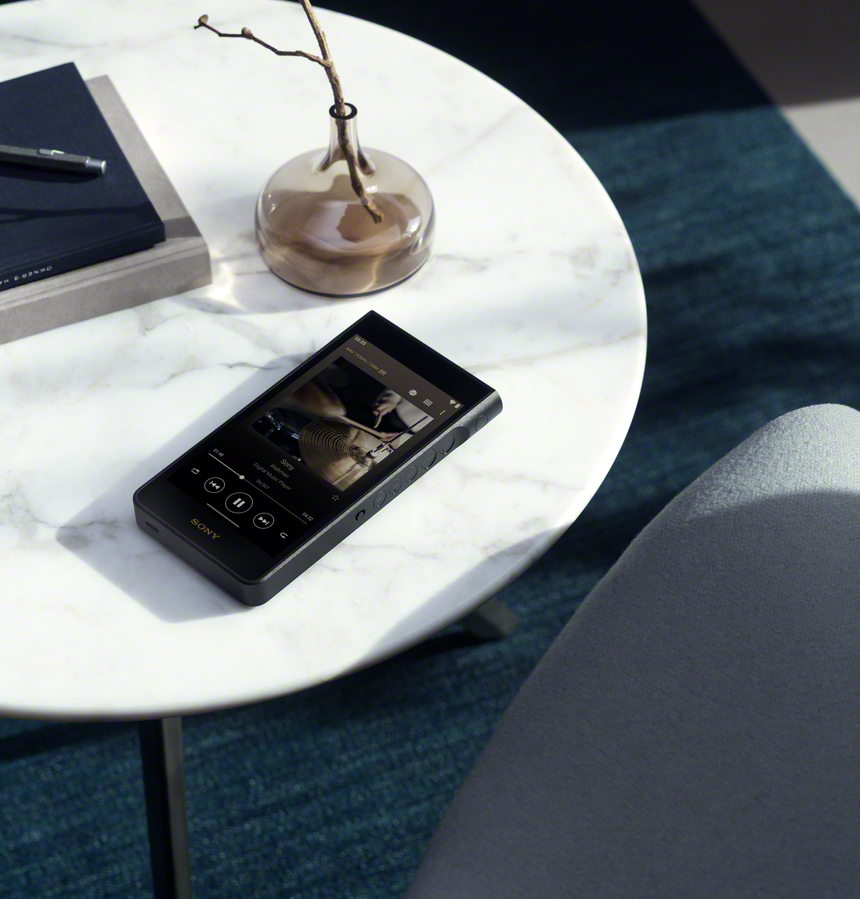
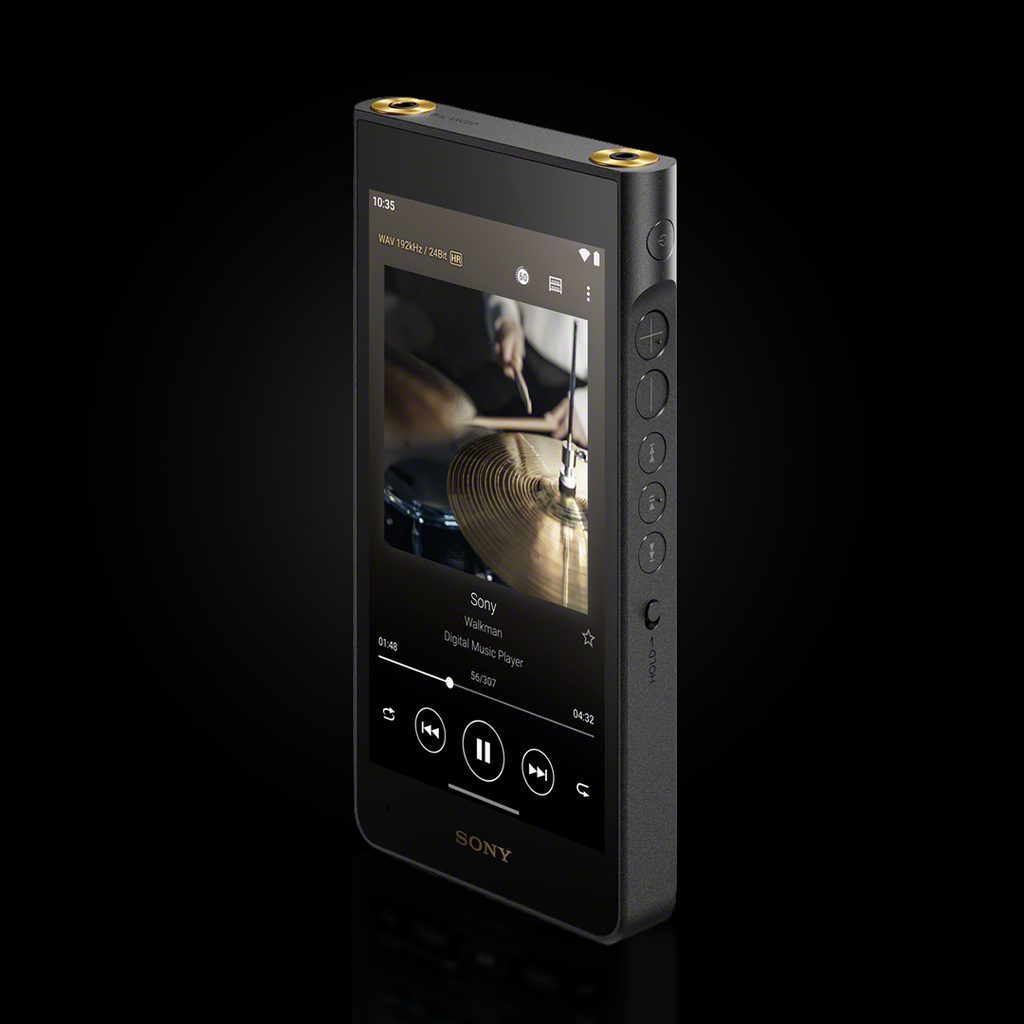
The two models share the same 5.5-inch touchscreen. The tradeoffs between them center on materials, internal wiring, and how much weight a buyer is willing to carry.
NW-ZX900, smaller player with a copper rear plate
The NW-ZX900 is the most portable of the three, weighing about 345 grams and using a 5-inch screen. It uses an aluminum main chassis with a gold-plated oxygen-free copper rear plate, and Sony said the ZX series picks up an ultra-low-noise LDO regulator for the first time.
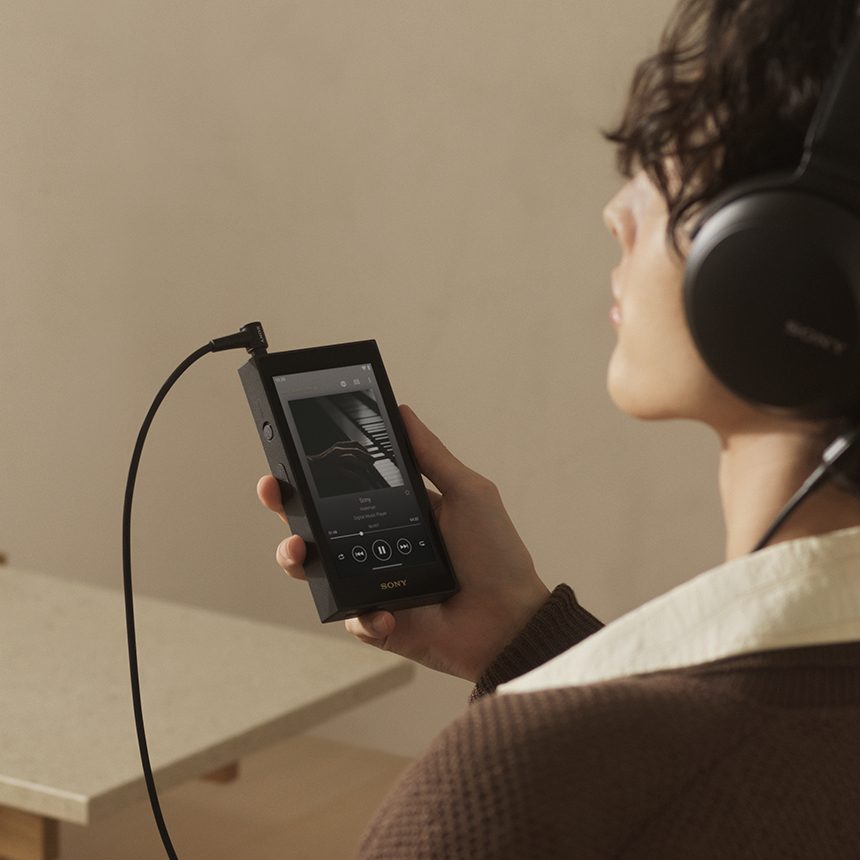
Sony said the ZX900 inherits several WM1-series technologies while reducing the daily carry burden for users who want high-resolution playback on the go.
Beyond Sony’s W. Music app, DSD remastering for third-party apps
Sony said the new models include a DSD remastering engine that is no longer limited to the company-owned W. Music app. When using wired headphones, PCM audio played from third-party apps can be converted in real time to a DSD-equivalent signal up to 11.2 MHz, Sony said. That conversion is a playback processing step; tracks are not converted into native DSD masters on file.
All three models feature S-Master HX, with a forward-looking noise shaper that precomputes and processes quantization noise. Sony also extended DSEE Ultimate processing to streaming and wireless connections, so users who stream can apply the unit’s onboard audio enhancements, the company said.
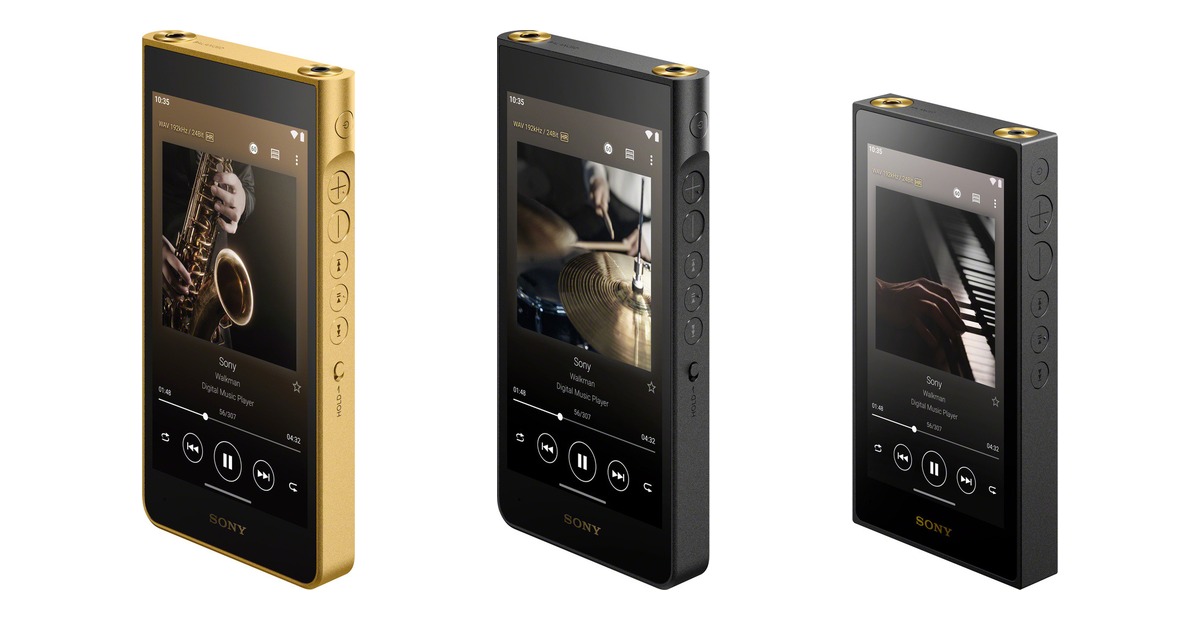
NW-WM1ZM3 and NW-WM1AM3 use 5.5-inch displays, while the NW-ZX900 uses a 5-inch display. Sony said the larger screens improve responsiveness and make the interface easier to customize for individual listening preferences.
Battery life
Sony said the NW-WM1ZM3 and NW-WM1AM3 offer up to 35 hours of 128 kbps MP3 playback, and up to 31 hours of streaming playback. The NW-ZX900 delivers up to 40 hours of 128 kbps MP3 playback, and up to 35 hours of streaming.
Price and buying advice
Sony listed Hong Kong suggested retail prices as follows: NW-WM1ZM3 at approximately $4,458 (originally 34,990 HKD), NW-WM1AM3 at approximately $2,585 (originally 20,290 HKD), and NW-ZX900 at approximately $1,693 (originally 13,290 HKD), Sony said.
Sony recommends prospective buyers bring their preferred headphones for an in-store audition to judge vocal detail, instrument timbre, and drive performance. Buyers should also test how the player feels in a pocket, given the material choices that affect weight.
For more technical details and official specifications, Sony’s announcement and product pages list component and wiring information for each model, the company said.

