




Nikon Z9 in space was the last camera approved at the last minute to fly aboard NASA’s Artemis II, and it returned to Earth with unique deep space radiation data.
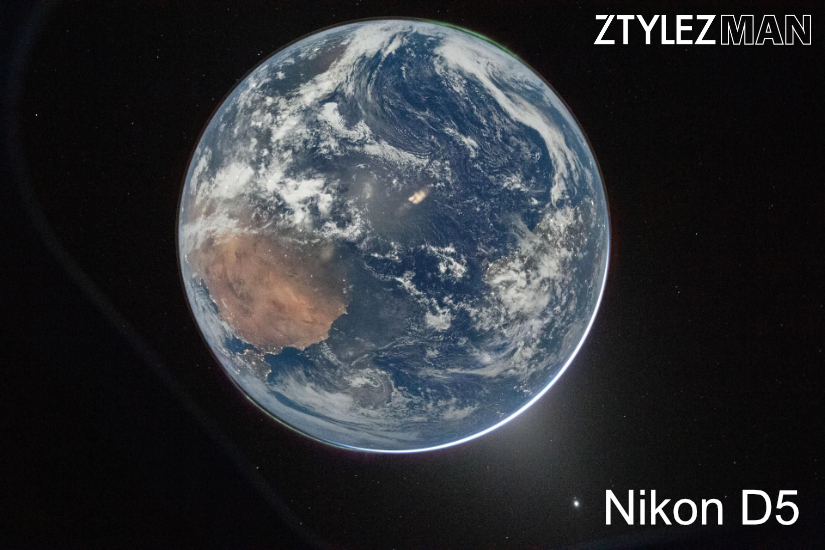
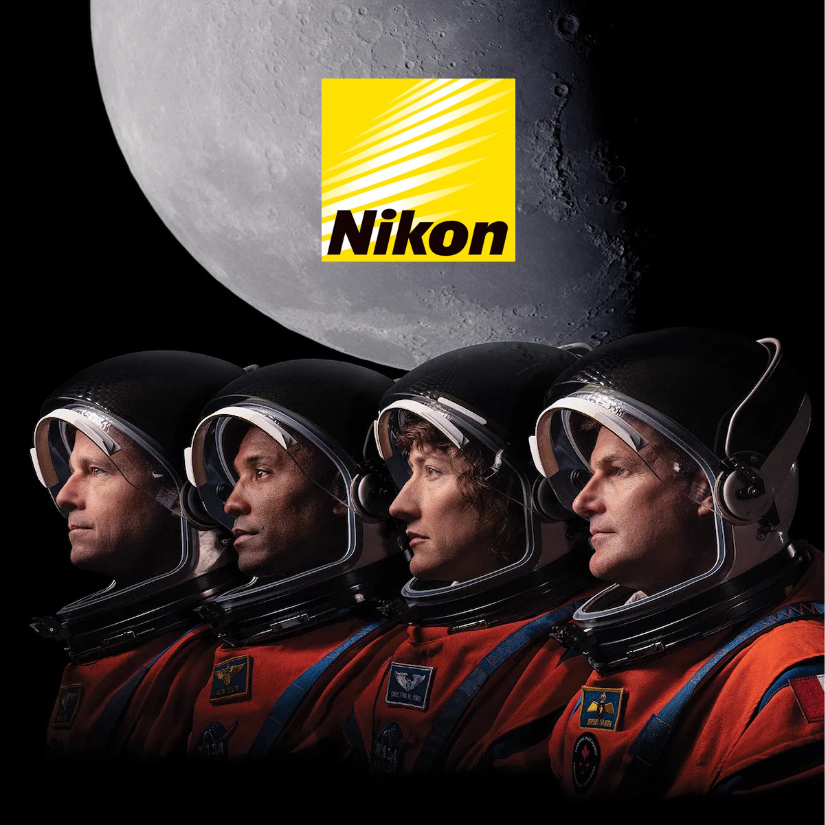
NASA launched Artemis II from the Kennedy Space Center in Florida on April 1, 2026, with four astronauts aboard: commander Reid Wiseman, Victor Glover, Christina Koch, and Canadian astronaut Jeremy Hansen. The Orion spacecraft Integrity splashed down in the Pacific on April 10 after reaching a maximum distance of 406,740 kilometers, about 252,800 miles from Earth, breaking the Apollo 13 record that stood for 56 years.
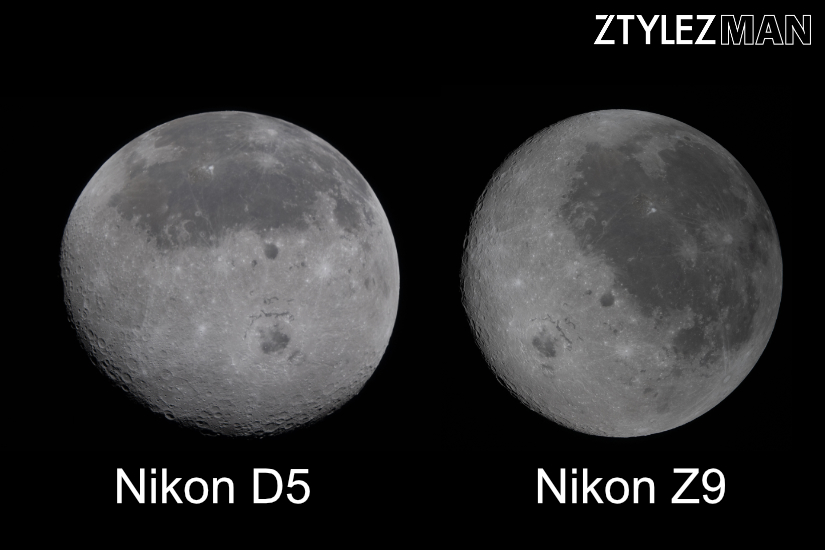
Nikon Z9 in space, and why trust mattered more than specs
The choice was not simply technical, and it was not Canon or Sony. NASA and Nikon share a long history dating back to the space shuttle era. Nikon is one of the few camera makers willing to develop tailored hardware and software for space use, from special vacuum compatible lubricants to focus ring bumps for use with bulky space gloves.
That deep operational cooperation produced a supplier trust that can outweigh raw numbers on a specification sheet. Nikon signed a Space Act Agreement with NASA in February 2024 to make the Z9 the core of next generation lunar camera work, which gave the company an advantage over rivals that could not match decades of tested integration with space programs.
The last minute push to add a new camera
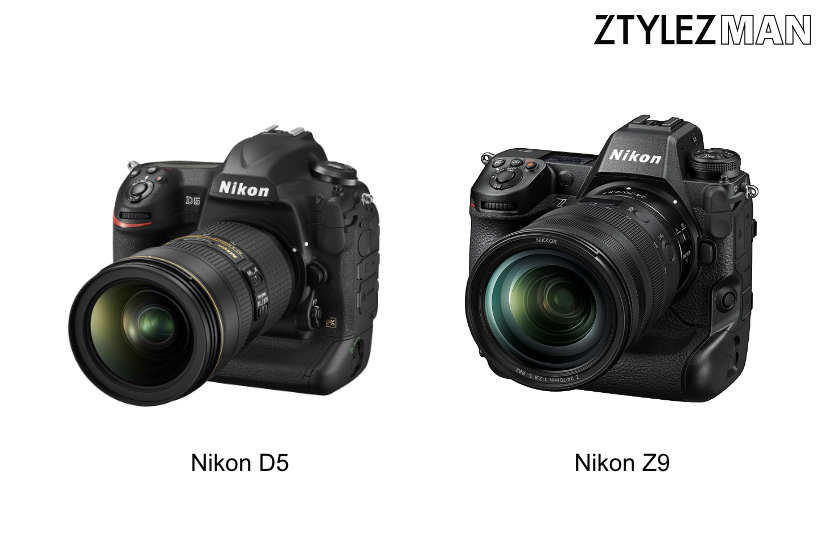
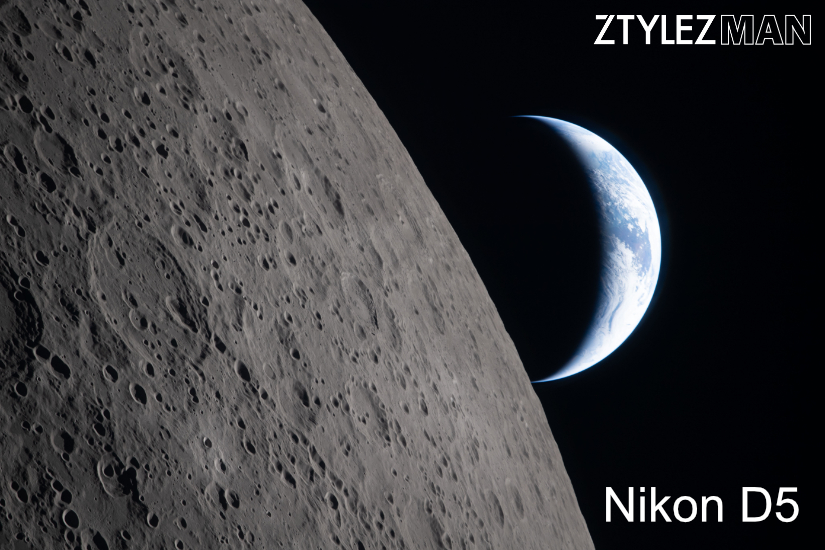
Originally, the mission manifest did not include a Z9. Artemis II was to carry two Nikon D5 DSLR cameras, proven workhorses with extensive radiation test records that make them a known reliability choice for deep space.
During final prelaunch preparations the crew lobbied the mission team, and they won approval to add one Nikon Z9 as a secondary camera and experimental deep space sensor. An astronaut later said, “We fought hard to get this camera on the mission.” The Z9 flew alongside two D5 bodies, the first crewed mission authorized to carry astronaut smartphones into orbit, and a set of GoPro action cameras.

Two cameras, two missions
The D5 and the Z9 were assigned different but complementary roles, illustrating an engineering approach that balances proven reliability with forward looking testing.
The Nikon D5 has an optical viewfinder that does not rely on electronic displays, giving astronauts a zero delay, true view for composition when facing extreme contrast in space. Its lower pixel density means larger photosites and better noise control in the very faint light of deep space, which made the decade old D5 the rational baseline camera for mission critical imagery.
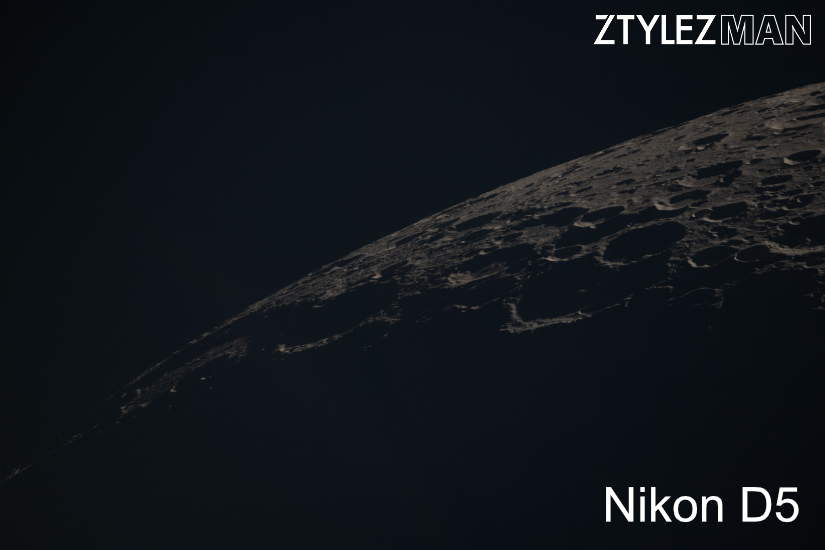
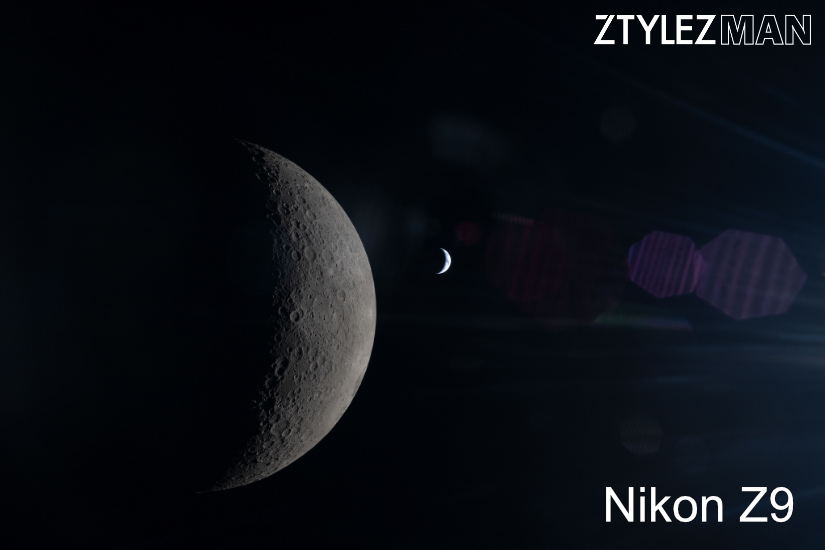
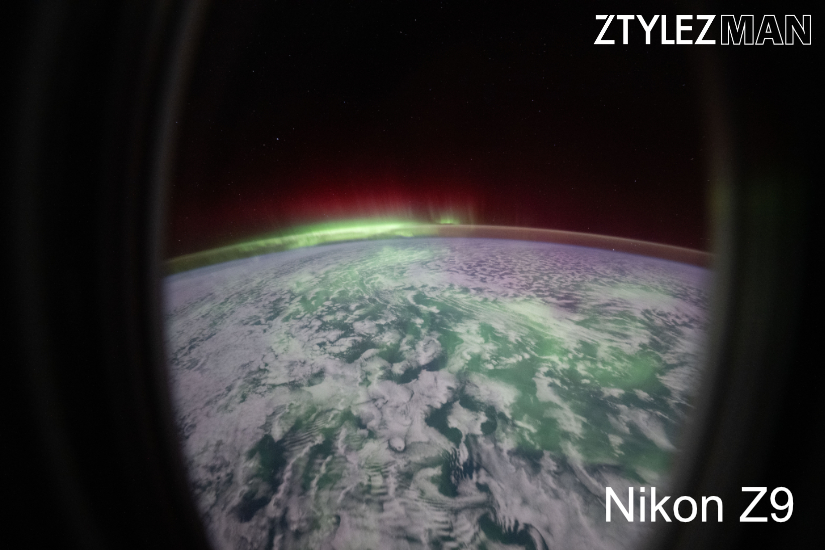
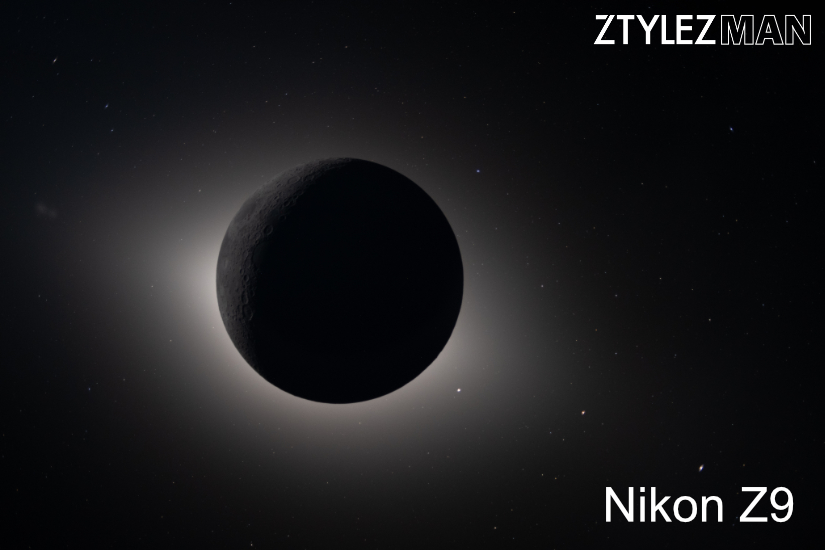
The Nikon Z9 carried a different mandate. Its stacked BSI CMOS sensor represents the next generation camera architecture. NASA needed to measure how that sensor architecture degrades under continuous cosmic ray exposure in deep space. The Z9 also removes a mechanical shutter, eliminating the risk of mechanical parts seizing or introducing microvibrations in microgravity. D5 kept the mission safe, Z9 paved the way for future systems.
HULC and the path to an Artemis IV lunar camera
The Z9 flown on Artemis II is not the end point. It is a critical middle node in a development path that aims to put a heavily modified camera on the lunar surface during Artemis IV.
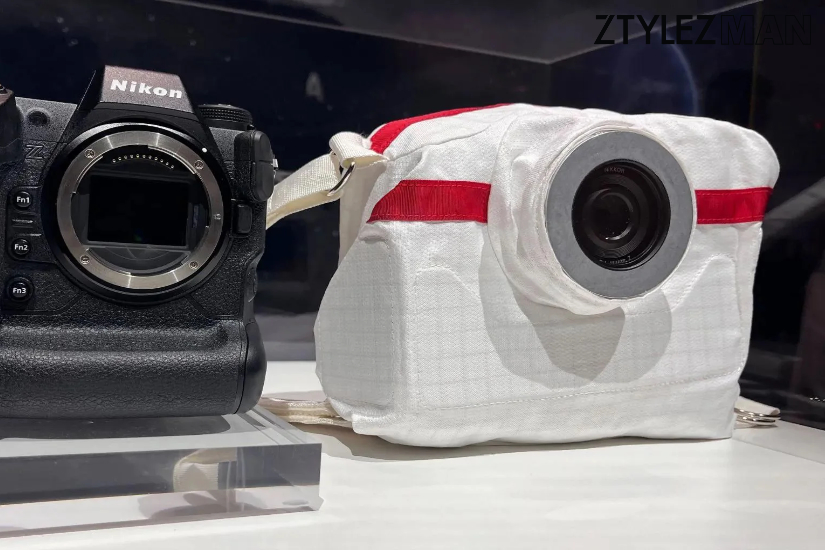
Understanding that path requires a program change announced February 27, 2026, when NASA director Jared Isaacman reorganized Artemis mission sequencing. What had been planned as the 2027 Artemis III lunar landing was recast as a low Earth orbit technology verification flight focusing on spacesuit tests and docking practice. The lunar landing mission is now Artemis IV, targeted for 2028.
The end destination for the specially modified Z9, known within program documents as HULC, is the Moon surface on Artemis IV. HULC is a deeply reworked Z9 with radiation hardened circuitry, custom firmware, a full insulating protective shell, and a bespoke grip designed for use with NASA space gloves. The degradation data collected by the Artemis II Z9 will directly inform HULC thermal and material choices.
260 Mbps laser link, sending images across hundreds of thousands of kilometers
Capturing dramatic imagery is only useful if those images can reach Earth. Artemis II tested the Orion Artemis II Optical Communications System, called O2O, a laser communications system developed by NASA and MIT Lincoln Laboratory that replaces traditional radio links with an infrared laser beam.
O2O is designed to transmit at 260 Megabits per second, roughly 32.5 megabytes per second. That is tens of times higher than legacy S Band systems. S Band can move about 7 gigabytes a day at lunar distances. O2O’s bandwidth promises a substantial lift, enabling near real time reception of high resolution lunar images and video from roughly 380,000 kilometers, about 236,000 miles from Earth.
Back on Earth, the data will shape consumer and space electronics
Unlike the Apollo era, when astronauts left Hasselblad cameras on the Moon to meet mass margins, Artemis II returned its experimental Z9 to Earth along with the four crewmembers. Engineers will perform a detailed teardown, measuring sensor wear, material thermal stress, and radiation induced degradation.
Those measurements will guide the final HULC design and are likely to influence future consumer electronics packaging and extreme temperature protection standards. When a consumer flagship camera survives deep space and returns with actionable data, the divide between consumer electronics and space grade hardware grows narrower.
For now, Nikon Z9 in space is a concrete example of how trust earned over decades of collaboration, and a small crew driven to push testing boundaries, can change the equipment roster of a major human spaceflight mission and seed the next generation of lunar imaging hardware.