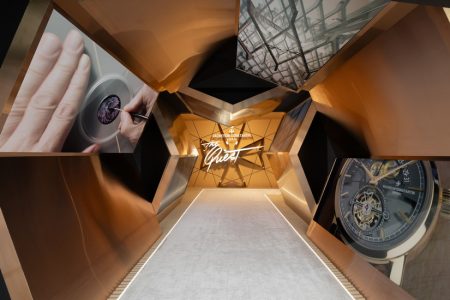
Audemars Piguet collection expands with three artisanal pieces introduced under a new project led by CEO Ilaria Resta, the company said.
Audemars Piguet described the initiative as more than a historical survey, saying the program aims to turn traditional watchmaking divisions into a living creative system.
Audemars Piguet collection, a modern take on an 18th century system
The project, called Atelier des Établisseurs, draws inspiration from the 18th century etablissage method, when watchmaking tasks were split among specialist craftsmen rather than handled in a single workshop, the company said in a statement.
Under this model, Audemars Piguet said each piece is assembled through a coordinated network of jewelers, carvers, gem cutters, movement designers and watchmakers, and that the company sometimes brings in experts from outside the firm to collaborate.
Three new works blend jewelry, mechanics and sculpture
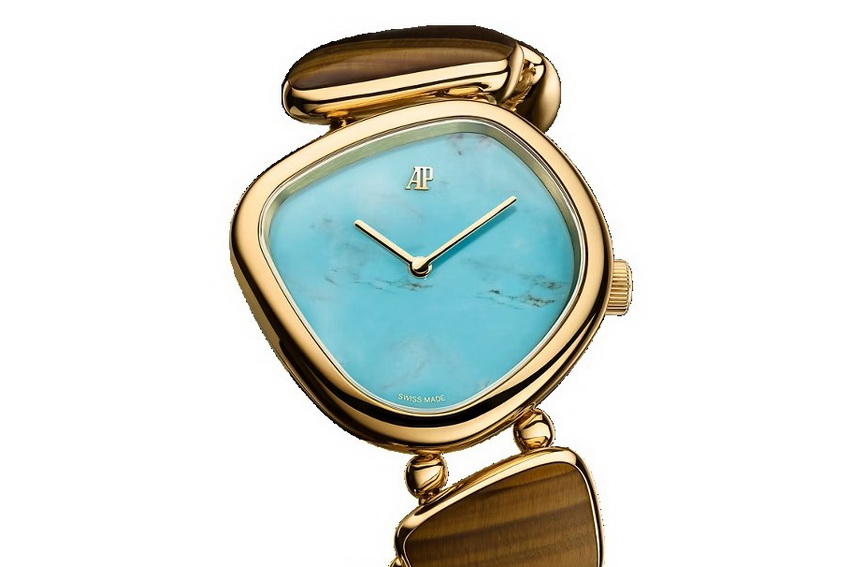
The first of the releases, Galets, is a jewelry-focused watch that the brand says is inspired by a 1972 model. The case uses irregular pebble forms, with a gold housing and links in turquoise and tiger eye that are designed to suggest natural flow rather than rigid, fixed joints.
The dial for Galets is also worked from stone, moving the visual language closer to high jewelry, and the movement is a specially adjusted Caliber 3098 with hand-finished bridges that were rearranged to fit the case shape, the company said.

Wearable, portable, and displayable: Nomade
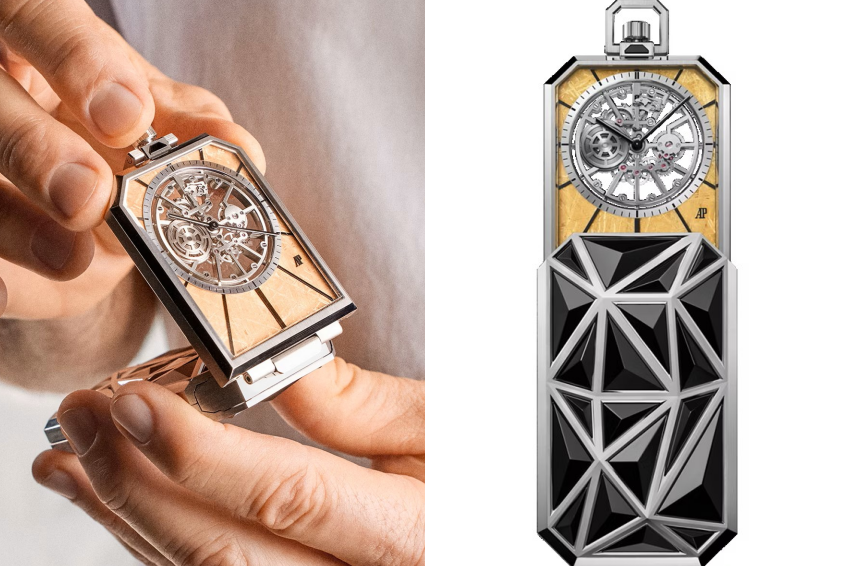
The second piece, Nomade, reimagines how a timepiece is worn and used: it can be worn on the wrist, held, or set on a table, the company said.
Nomade uses a skeletonized Caliber 7501 that the brand said was finished with a traditional saw-cutting technique preserved since the 1930s, and the time is read through the movement architecture rather than a conventional dial.

The Peacock, automata and hidden time
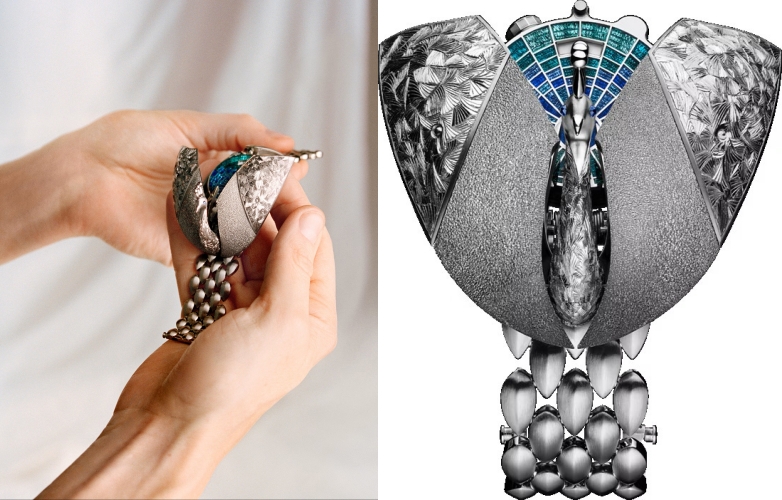
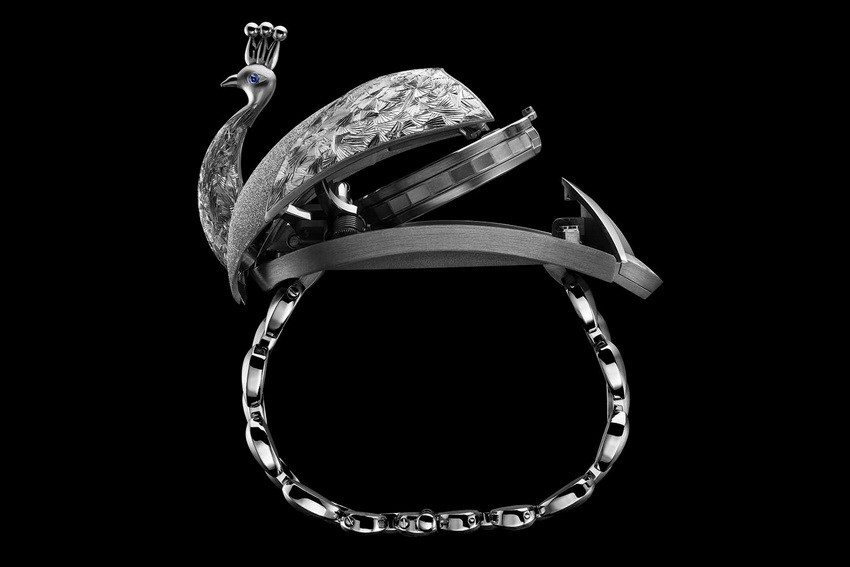
The third creation, The Peacock, extends the project into automata, presenting a concealed time display behind a peacock form that opens to reveal an enameled bird and a discreet hour indication, the company said.
Audemars Piguet credited watchmaker Giulio Papi with conceiving the movement for The Peacock, which the brand described as a dragging hour display combined with radiant finishing; the emphasis is on carving, enamel work and gem setting, with timekeeping positioned as a secondary element.
Strategy, collaboration and the brand narrative
Audemars Piguet said the program signals a strategic shift away from defining the brand solely by Royal Oak. The company described the new line as a parallel narrative that draws elements from craft types, production methods, and design language to give creators more freedom.
Rather than emphasizing single collaborations with independent watchmakers, Audemars Piguet said the project rebuilds the production method itself, expanding participant lists on each work to highlight multi-party collaboration and to increase transparency in the making process.
What this means for the Audemars Piguet collection
With Galets, Nomade and The Peacock now public, Audemars Piguet collection appears to be widening its scope, blending jewelry, mechanical engineering and decorative arts into new product types, the company said.
Audemars Piguet said the craft-based model both continues historical practice and opens new possibilities, allowing future work to move beyond existing category limits and speak in a broader material and technical vocabulary.
Speaking in the company release, CEO Ilaria Resta said the initiative is not a simple revival, but a working system that keeps heritage alive through ongoing production and cross-disciplinary collaboration.