



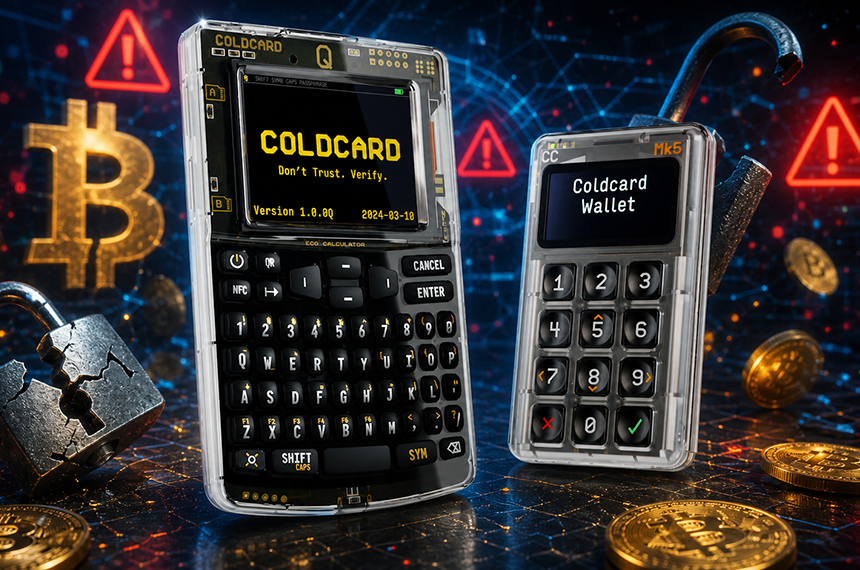
Coldcard seed vulnerability tied to a mass Bitcoin theft emptied more than 1,196 addresses and moved about 1,082.65 BTC, roughly $70.2 million, within 41 minutes, researchers said.
That outcome does not mean cold storage is worthless, but it does highlight a narrower, earlier risk: for some older Coldcard devices, the seed phrase itself may have been generated with insufficient randomness. If a seed was created with weak entropy, keeping the device offline afterward cannot fix that original weakness, security researchers said.
Coldcard seed vulnerability found at seed generation
Coinkite, the maker of Coldcard hardware wallets, said in a security advisory on July 30 that older firmware versions were affected and that the company has released patched firmware. Block Engineering published a technical analysis tracing the issue to the moment the seed phrase is created.
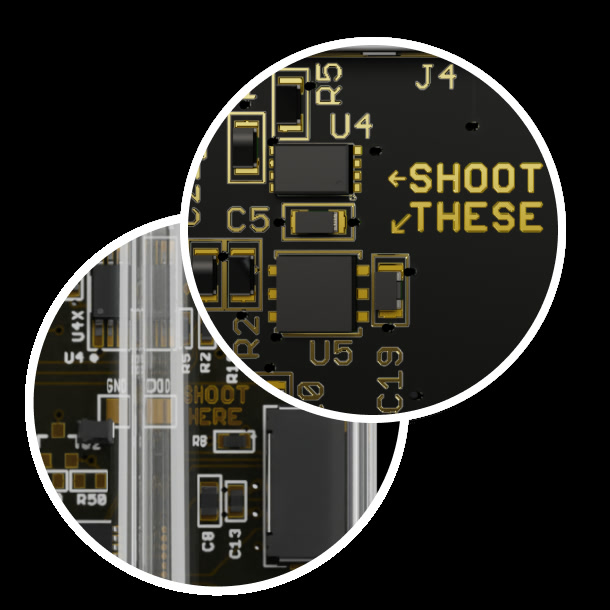
Coldcard devices are supposed to use a hardware random number generator to produce seed entropy. Block Engineering said some builds since 2021 inadvertently fell back to a MicroPython pseudorandom generator called Yasmarang, instead of the intended hardware RNG, allowing the seed entropy to be lower than expected.
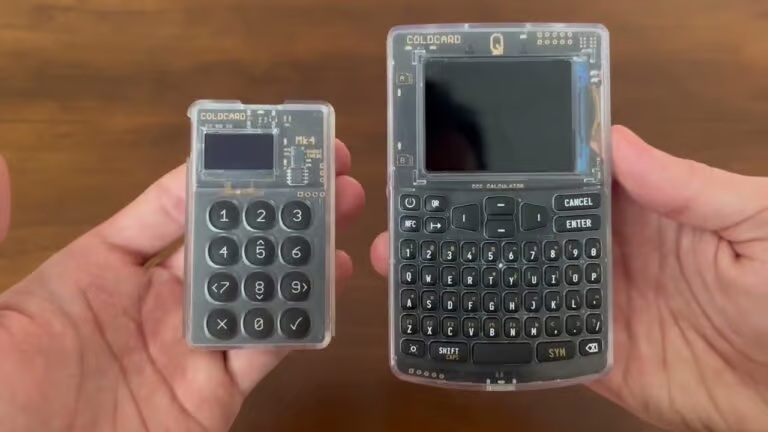
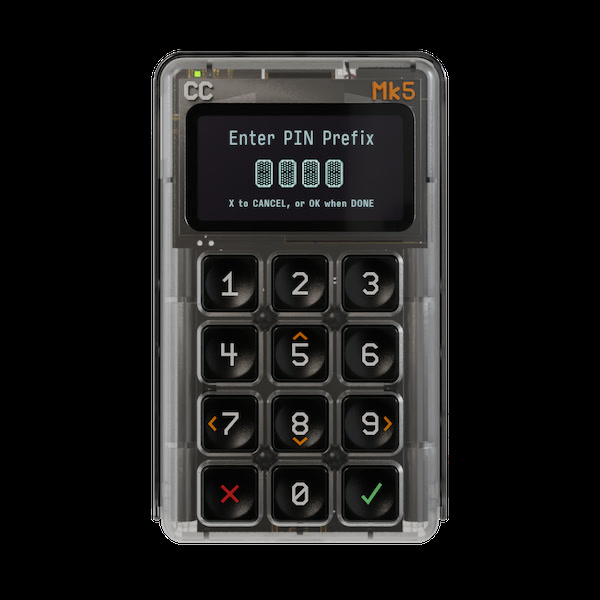
Coinkite estimated the effective search space for affected Mk2 and Mk3 seeds at about 40 bits under current assumptions, while later models Mk4, Mk5, and Q, which added some secure element entropy, were still estimated at around 72 bits, less than the roughly 128 bits expected for a 12-word BIP-39 seed, the company said.
The critical point is not a math exercise for users, but a practical one: hashing or post-processing a low-entropy output does not restore the original missing randomness. A wallet that remains offline can still be compromised if the seed was weak at creation, researchers warned.
41 minutes emptied roughly $70 million in Bitcoin
Galaxy Research posted an on-chain analysis on X showing that between 01:10 and 01:51 UTC on July 30, 1,196 addresses were emptied in a similar pattern, moving about 1,082.65 BTC, which it valued at approximately $70.2 million at the time. The transactions used the same fee, 30 sat/vB, and had no change outputs, which Galaxy Research said was consistent with an automated tool sweeping addresses once their private keys were reconstructed.
Those figures come from public-chain tracking and represent the analysts’ tally, not Coinkite’s final accounting of losses. Coinkite and other observers cautioned that follow-on transfers and mixing can change totals reported by different teams.
AI is part of the conversation, not proven culprit
The incident drew widespread attention on social platforms after a user, Jonathan Goodman, posted that a Coldcard device stored in a bank safe deposit box and never connected to the internet lost 18.25245043 BTC. Goodmans post attracted many replies and prompted debate about self-custody risks, he said.
Some social posts suggested that artificial intelligence tools may have read public Coldcard source code and found the flaw. Coinkite said the code has been public, so it must be assumed people could review old versions, but the company did not confirm AI played a role. Block Engineering noted its report did not include a finished, end-to-end exploit test. At present, there is no independent evidence publicly confirming that AI was used in the thefts, researchers said.
How to remediate: firmware, new seed, and careful migration
Coinkite emphasized that installing patched firmware only ensures that seeds generated after the update will use the corrected randomness path; it cannot fix seeds already created. The company advised affected users to confirm their device model and firmware version, install the appropriate patched release, then generate a brand-new seed and migrate funds after thorough verification.
Recommended steps include validating backups, checking wallet fingerprints and receiving addresses, performing a small test transfer, and then migrating remaining funds only after those checks succeed. Coinkite also noted that adding at least 50 independent, private fair dice rolls when first creating a seed, or using a strong, separately stored BIP-39 passphrase, would materially change the risk assessment, provided users understand the procedures involved.

The broader lesson for cryptocurrency holders is practical: cold storage is a strong defense against network-based threats, but it does not replace careful seed generation, firmware hygiene, and verified migration procedures. Users should treat a hardware wallet as an active security process, not a one-time set-and-forget safe, Coinkite and multiple analysts said.
For now, researchers continue to analyze chain data and Coinkite has urged users to check device serial numbers and firmware histories against the advisory. Galaxy Research, Block Engineering, and Coinkite are listed as the primary named sources for on-chain tallies and technical analysis in public posts and advisories.