



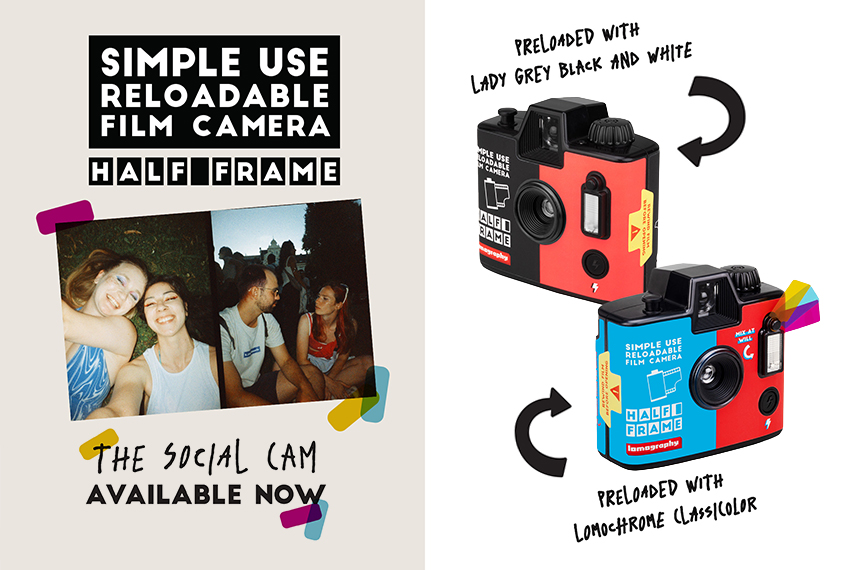
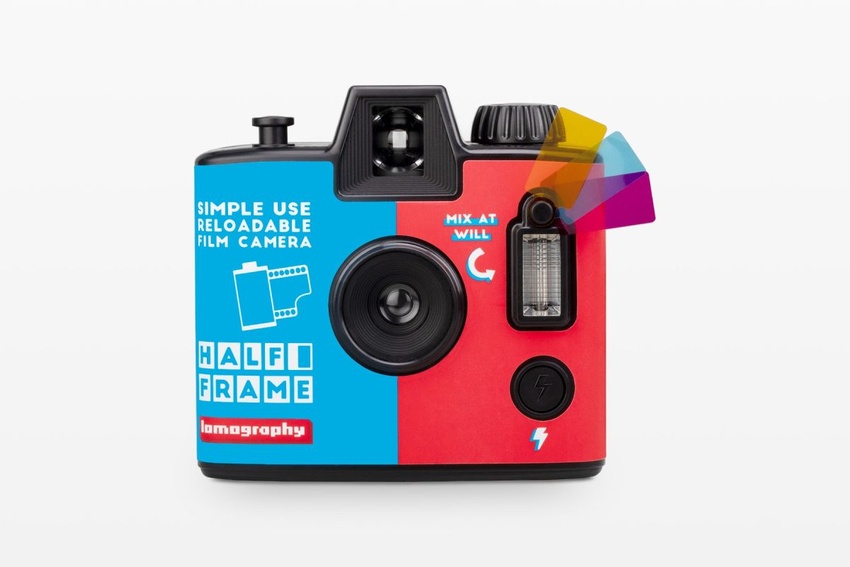
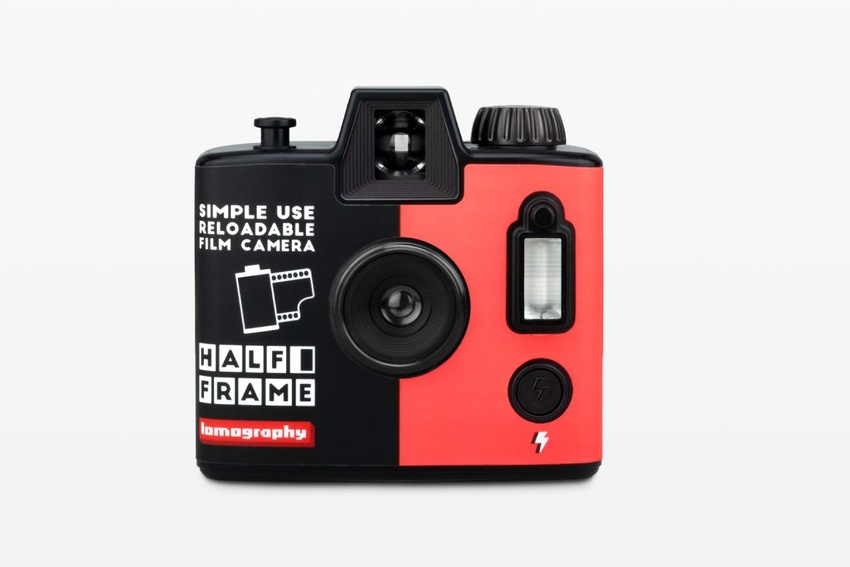
Half-frame film camera fans will find a compact, reloadable option in Lomography’s new Half-Frame Simple Use, which ships preloaded and ready to shoot.
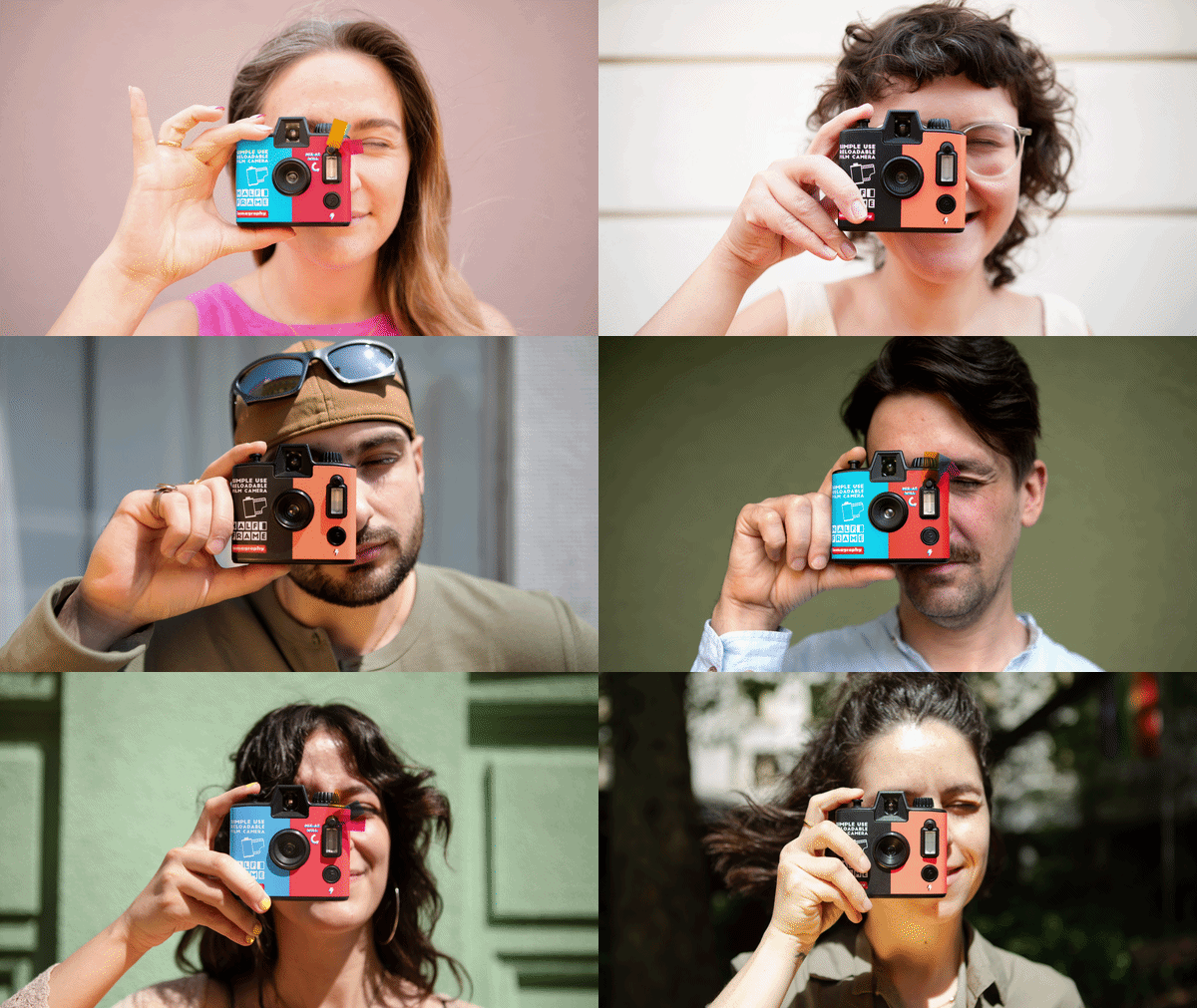
Half-frame film camera out of the box, real dividing line comes after the first roll
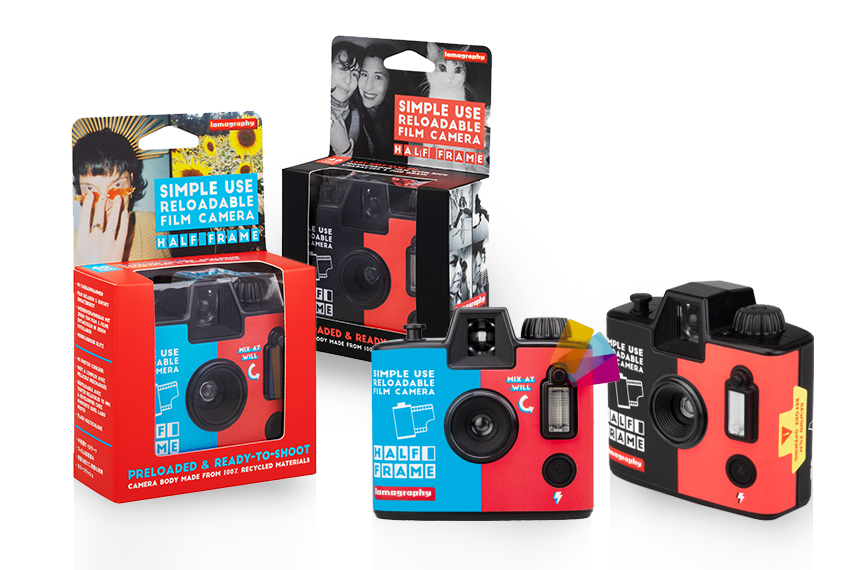
The Half-Frame Simple Use is extremely simple to operate: there is no aperture or shutter combination to set, no metering to worry about, just compose and press the shutter. The color version ships preloaded with LomoChrome Classicolor ISO 200, the black-and-white version with Lady Grey ISO 400, and the included first roll provides 40 half-frame exposures.
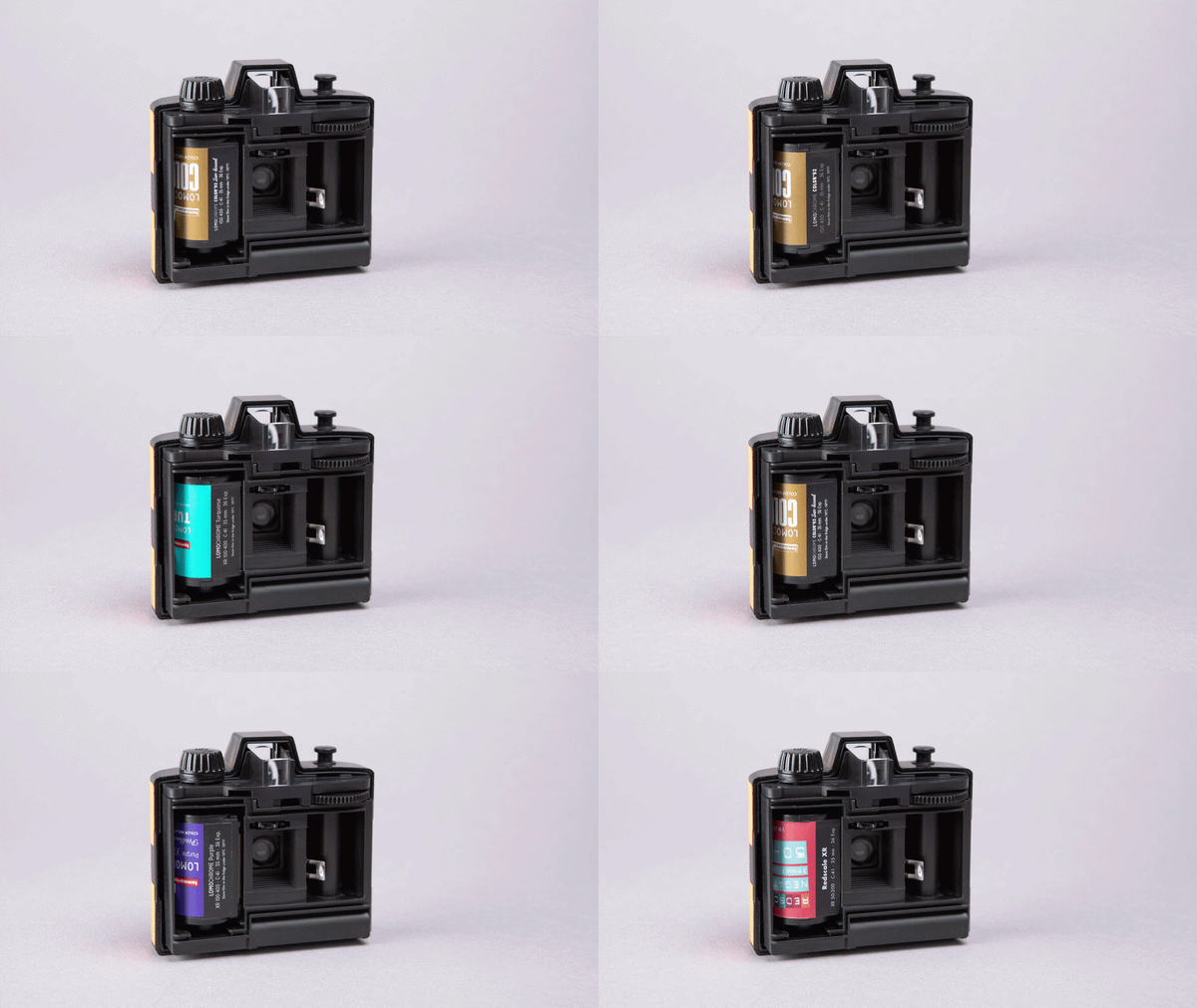
The camera’s core value is that it is reloadable. After the first roll is finished you can load any standard 35mm film, which means the purchase price is not a one-time disposable expense but a genuine entry-level camera to keep. Lomography’s online store lists the LomoChrome Classicolor color version at approximately $29 (originally 228 HKD) and the black-and-white Lady Grey version at approximately $24 (originally 188 HKD).
Before you buy, understand the real ongoing costs: the price of replacement film and finding a lab that can properly develop and scan half-frame negatives are the true tests of your patience for analog work. Those are named, practical considerations rather than abstract drawbacks.
36 exposures become 72: the math that changes how you shoot
A standard 35mm roll of 36 exposures becomes 72 half-frame images with this format. That physical change eases the anxiety that comes from “one bad click will waste a roll” and lets you fit more of a weekend, a short trip, or a single day into one roll.
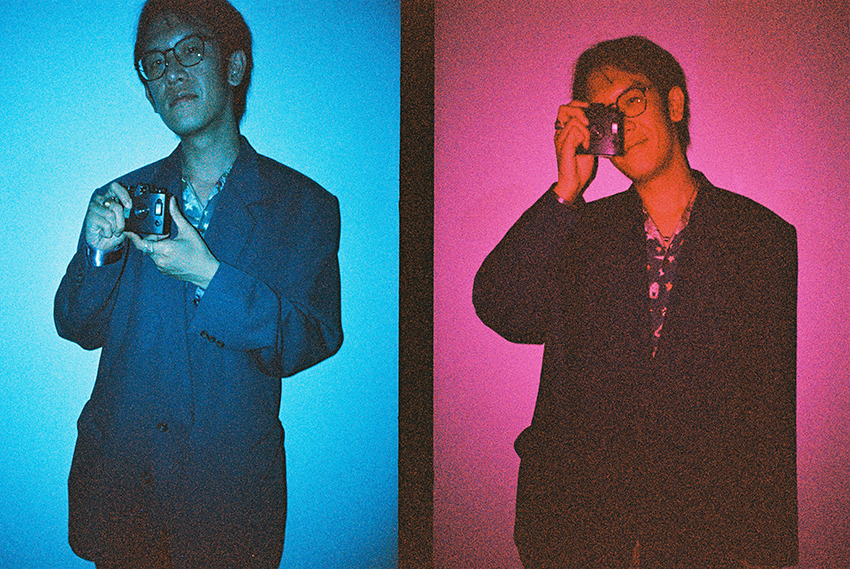
Do not mistake more frames for free shooting. Seventy-two images mean more time spent developing and culling. The half-frame advantage is the freedom to link moments across adjacent frames: one frame for a coffee shop sign, the next for the latte art, one for a laugh in motion, the pair that follows for the silence after the laugh. When you start planning “what to put in the next frame” the roll acquires a coherent voice.
Vertical framing and paired layouts
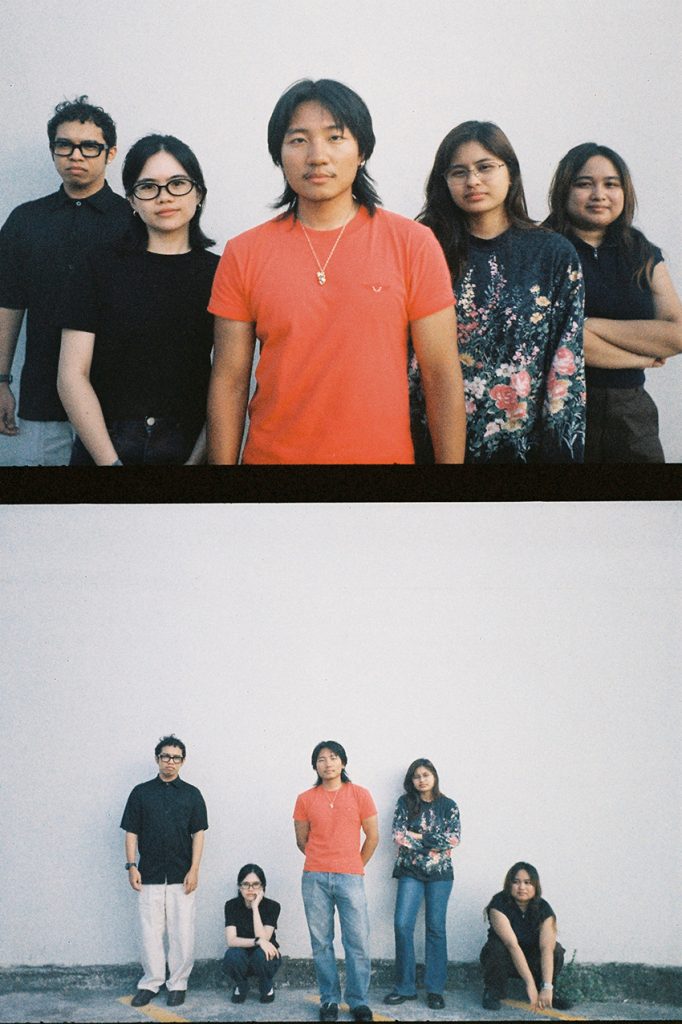
Each half-frame measures 17mm by 24mm, roughly half the area of a full-frame 35mm frame, so the default composition is vertical. That constraint lines up with how people scroll vertical stories on social apps, making it natural for outfit shots, street poles, or half-length portraits.
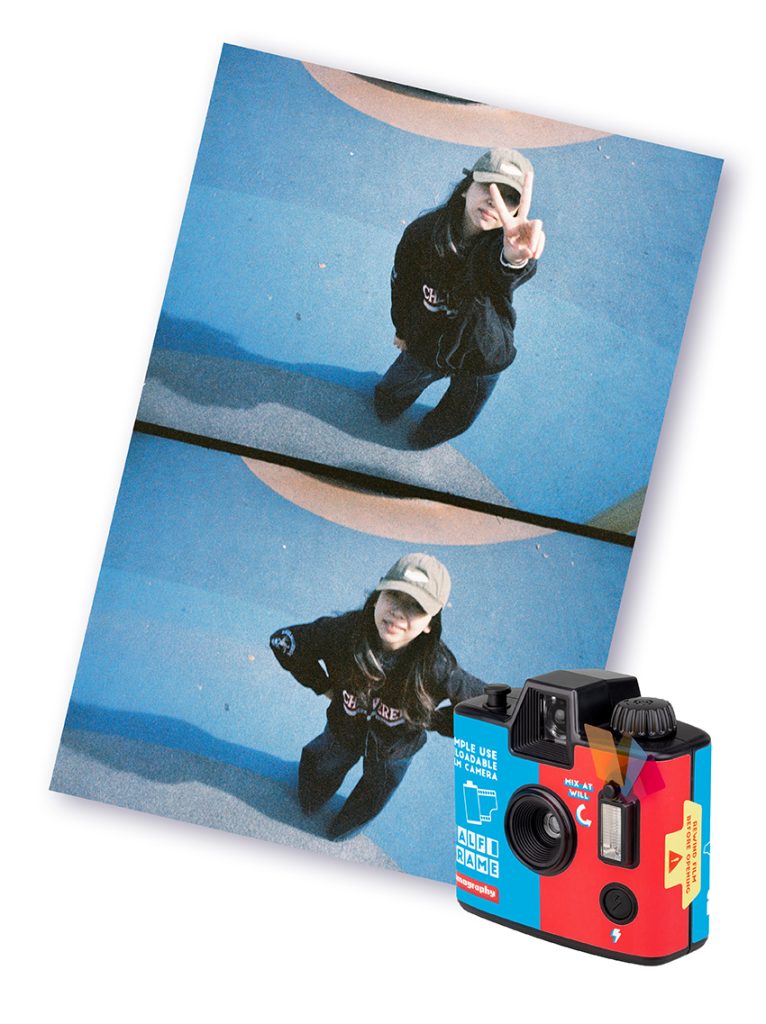
An engaging practice is to view two adjacent frames as a paired collage. You do not need advanced technique, only a willingness to let the relationship between consecutive exposures create meaning. The sense of continuity and chance overlap you get from the developed film is something no phone app filter precisely reproduces.
f/9 aperture, 0.6 meters focus, and the one-size exposure approach
The Half-Frame Simple Use uses a 21mm wide-angle lens, fixed f/9 aperture, and a 1/120 second shutter, with a closest focus of 0.6 meters. Those fixed settings are a double-edged sword: they make shooting effortless outdoors in daylight, but they also limit what you can do in low light or with close-up detail.
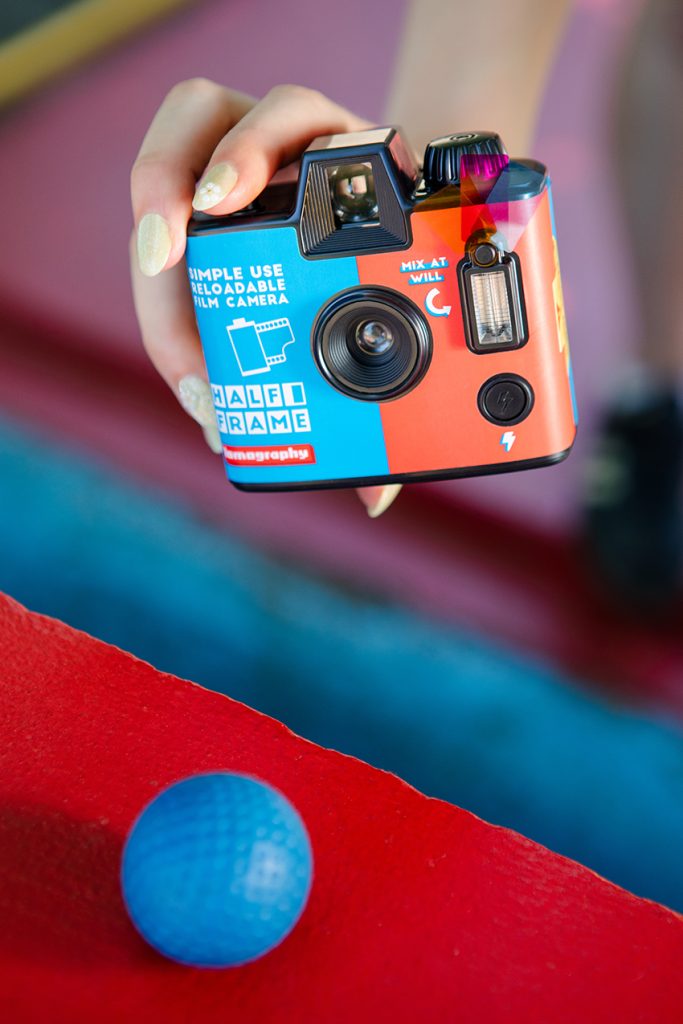
You will be punished for pushing those limits. Trying to shoot a food close-up inside 0.6 meters will go out of focus. Shooting in dim bars will result in underexposure unless you use the built-in flash, which takes about 15 seconds to recharge. In short, sunny streets and indoor parties where you can use flash are the camera’s strengths; if you need precise depth of field or superior low-light detail, stick with your phone or an interchangeable-lens camera.
Color or black-and-white: choosing mood over convenience
The color Classicolor kit, priced at approximately $29 (originally 228 HKD), comes with ISO 200 negative film and three colored flash gels. It is the natural pick for daytime travel and parties where you want seasonally accurate tones and faithful clothing colors, and the gels can add playful retro color contrasts indoors.
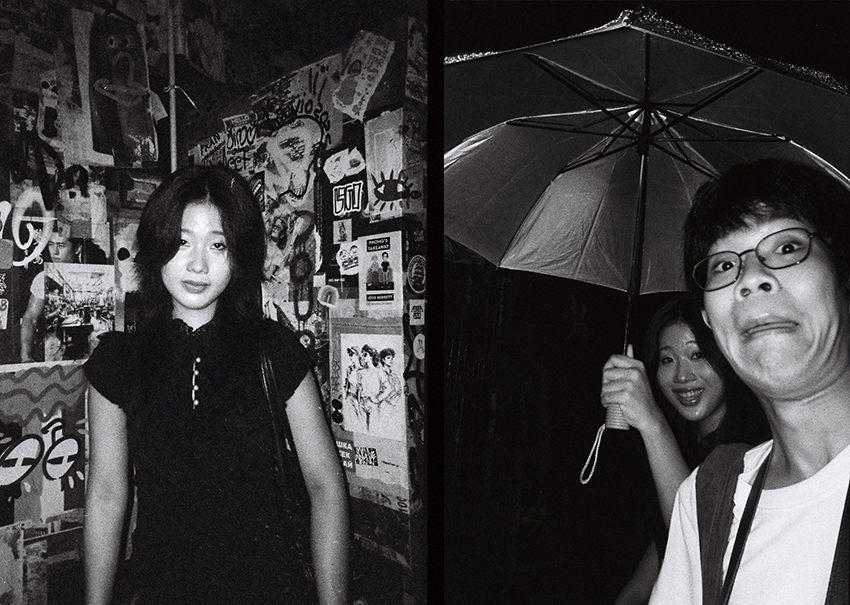
The black-and-white Lady Grey kit, priced at approximately $24 (originally 188 HKD), ships with ISO 400 black-and-white film that has a little more latitude on overcast days or near window light. Removing color focuses the image on contrast, line, and emotional tone, which suits cityscapes and high-contrast street observation.
Either way, that first roll is a choice you can make based on the scenes you expect to shoot. Since the camera is reloadable, you can match the film to the project: color for people and tables, black-and-white for budget-conscious street work with strong tonal contrasts.
For those who welcome mistakes and enjoy the wait
The Half-Frame Simple Use asks the user to slow down. It is pocketable, but its fixed physical settings require you to pause, observe light, estimate distance, and then press the shutter. That ritual is the camera’s point.
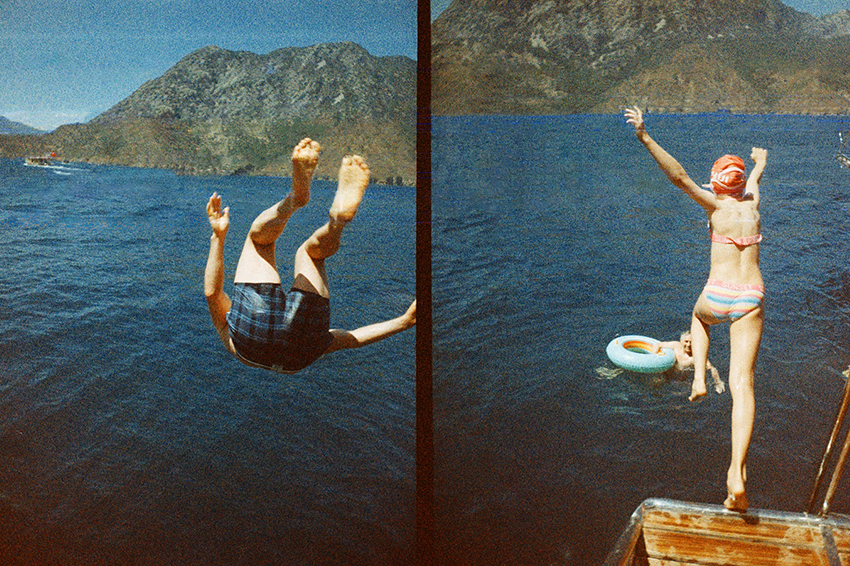
It will never deliver the uniformly sharp, algorithm-corrected images of a phone. You will encounter light leaks, color shifts, and missed focus. But if you are tired of predictable AI image processing, and are willing to invest time and money into film and development to get a tangible print or negative, the Half-Frame Simple Use, starting at approximately $24 (originally 188 HKD), is a practical, nostalgic tool to help you rediscover the joy of shooting.