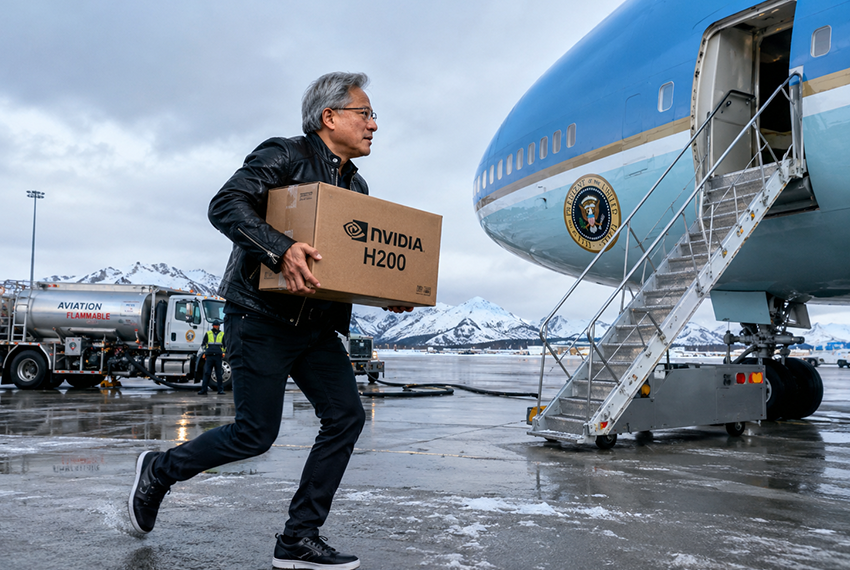
Nvidia H200 China was front and center when NVIDIA CEO Jensen Huang joined President Donald Trump’s delegation to Beijing, after U.S. officials cleared limited H200 sales but Chinese approvals and actual shipments remained stalled.
The question was not whether he would go. The question was whether the trip could actually open that door.
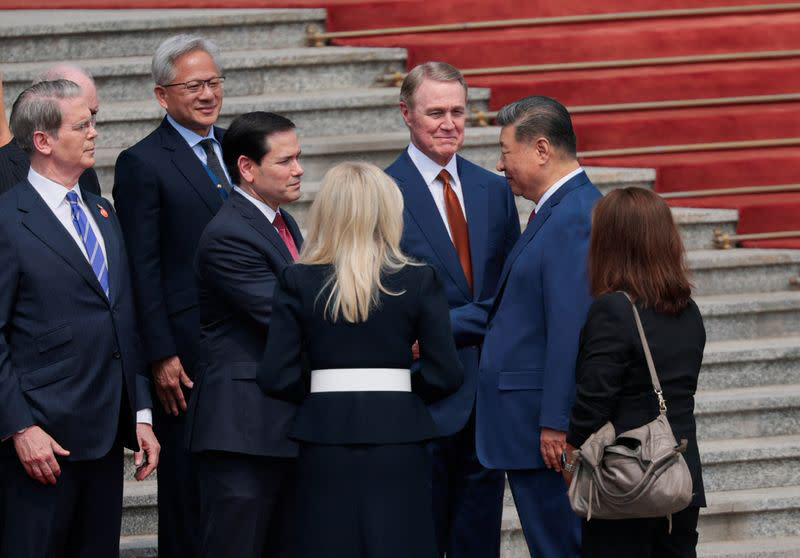
Nvidia H200 China: Huang added to Trump delegation
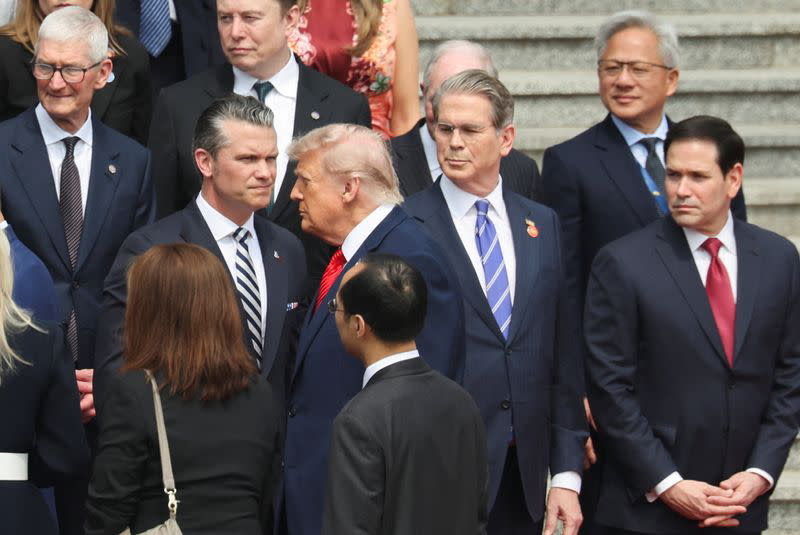
Huang was not originally on the list. President Trump brought more than a dozen U.S. business leaders to Beijing, including Apple CEO Tim Cook, Tesla CEO Elon Musk, and Goldman Sachs CEO David Solomon, but NVIDIA’s chief was initially not invited, according to CNBC.
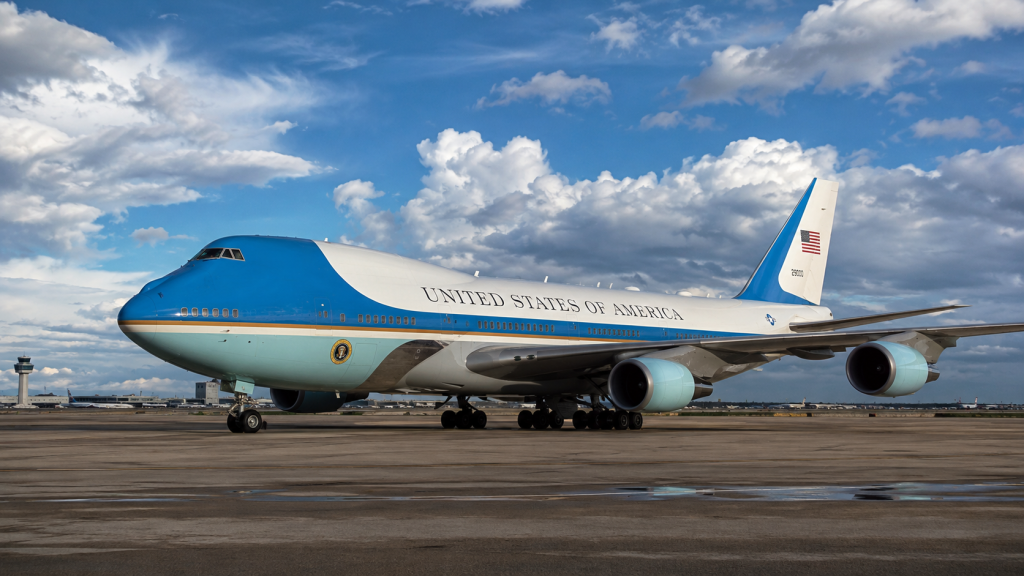
In a last minute reversal, CNBC reported that after wide media attention on Huang’s absence, the president personally called to invite him. Huang boarded Air Force One at a refueling stop in Alaska and rejoined the delegation en route to Beijing, the report said.
The timing matters. The late invitation suggests NVIDIA’s chip access was not a preplanned centerpiece of the trip, but rather a negotiable item the White House could deploy depending on how talks unfolded.
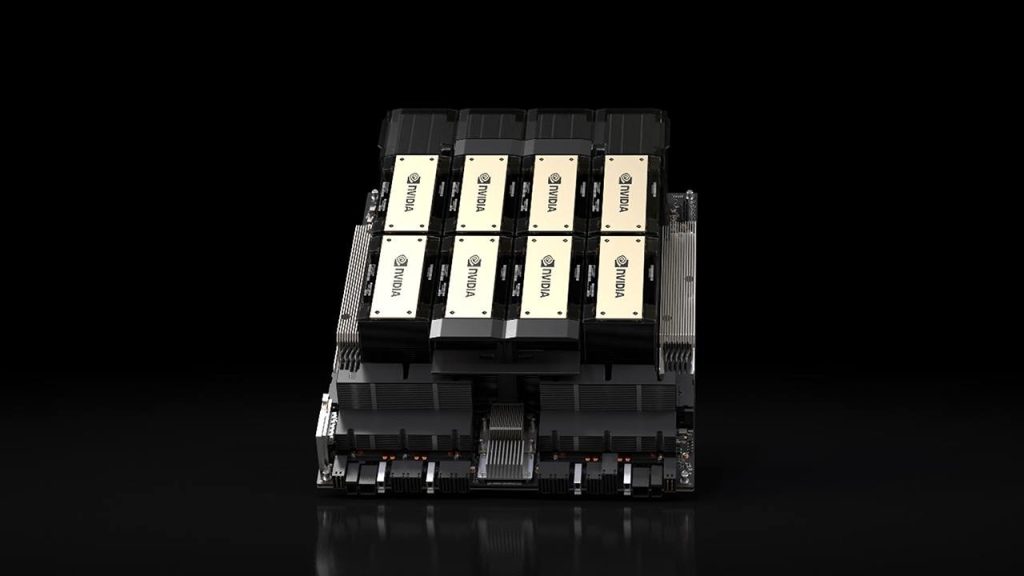
How the models H20, H200, and Blackwell differ
To understand the stakes, it helps to map the product tiers and export rules.
| Model | Status | Notes |
|---|---|---|
| H100 / A100 | Export banned | Banned since 2022, no license approvals issued |
| H20 | Effectively blocked | Exports halted from April 9, 2025; NVIDIA recorded $5.5 billion in impairment reserves |
| H200 | Approved for export January 2026, with conditions | The Bureau of Industry and Security moved to case by case approvals, and companies such as ByteDance, Alibaba, and Tencent were authorized to buy a combined more than 400,000 H200 chips, but as of publication zero chips had been shipped |
| Blackwell / Rubin | Export banned | Highest end, positioned two generations ahead of H200 |
In January 2026 the U.S. Commerce Department’s Bureau of Industry and Security, BIS, changed its posture from a default refusal to reviewing H200 license requests one at a time. U.S. approvals allowed Chinese companies to request supply, Reuters reported, and those requests totaled more than 2 million H200 chips at an estimated list price of about $27,000 per chip, according to industry reporting.
Orders are not the same as deliveries.
Two sided constraints create a structural contradiction
At a Senate appropriations committee hearing on April 22, 2026, Commerce Secretary Howard Lutnick was asked whether any H200 chips had already been exported to China. Lutnick said, as reported by the South China Morning Post and Reuters, that “the central government in Beijing has not approved those purchases as of today.” He added, “I want to be clear, the United States will not sell our most advanced chips to China under any circumstances.”
The United States opened the gate, and China held the water back.
The logic is consistent. U.S. officials approved H200 as a lower tier chip, intended to preserve commercial access while keeping the most advanced capabilities out of reach. H200 is two generations behind current Blackwell class products, making it a token of commercial outreach that does not close the technological gap.
China’s calculus is different. Accepting H200 at scale would acknowledge reliance on U.S. silicon, at odds with official goals for domestic compute independence. A Bernstein analysis cited in the original reporting estimated China’s share of domestically produced AI chips rising from 17 percent in 2023 to about 55 percent by 2027, signaling a structural push toward indigenous alternatives. Industry analysts say buying H200 now could undermine that strategic trajectory.
Hong Kong’s re export role has narrowed sharply
Since the 2020 revision to U.S. export rules for Hong Kong, the territory has been subject to the same controls as mainland China. Hong Kong’s historical role as a re export hub for chips has been compressed, and its function as a compliance buffer has largely disappeared.
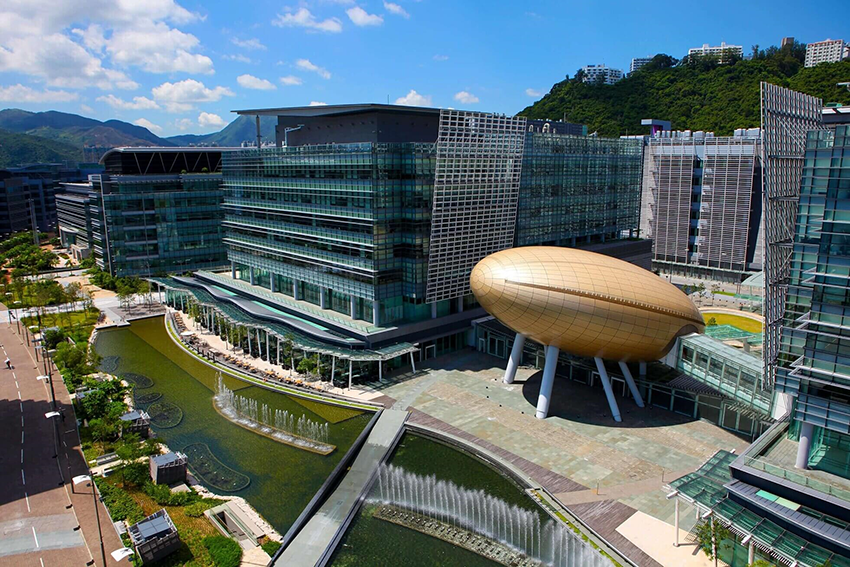
For Hong Kong companies that buy AI infrastructure, build data centers, or trade semiconductors, the summit’s outcome affects legal procurement routes. If H200 trade is fully enabled, legitimate channels for deploying NVIDIA compute in Hong Kong could reopen. If the stalemate persists, alternatives such as AMD’s MI325X or local Chinese chips would remain the only viable path, even though Bernstein and other analysts report that domestic products still lag H200 in performance and ecosystem support through 2025 and into 2026.
Huang’s wager
For Jensen Huang the Beijing visit carried symbolic weight as much as immediate commercial prospects. CNBC reported that the U.S. granted purchase authorizations to ten additional Chinese firms just before the summit, a timing industry observers said signaled careful political calibration.
Analysts remain cautious. Bernstein and other firms say that even if negotiations produce approvals, large scale H200 deliveries will be slow to materialize, because China’s policy push for domestic compute capacity cannot be reversed at a single summit.
Huang summed up the business risk plainly: NVIDIA went from about 95 percent market share in China to almost zero on certain product lines, and “I cannot imagine any policymaker thinking that is a good outcome,” he said at the Milken Institute conference. Boarding Air Force One at the last minute, in some measure, signaled he had not given up on reopening a path back to the market.