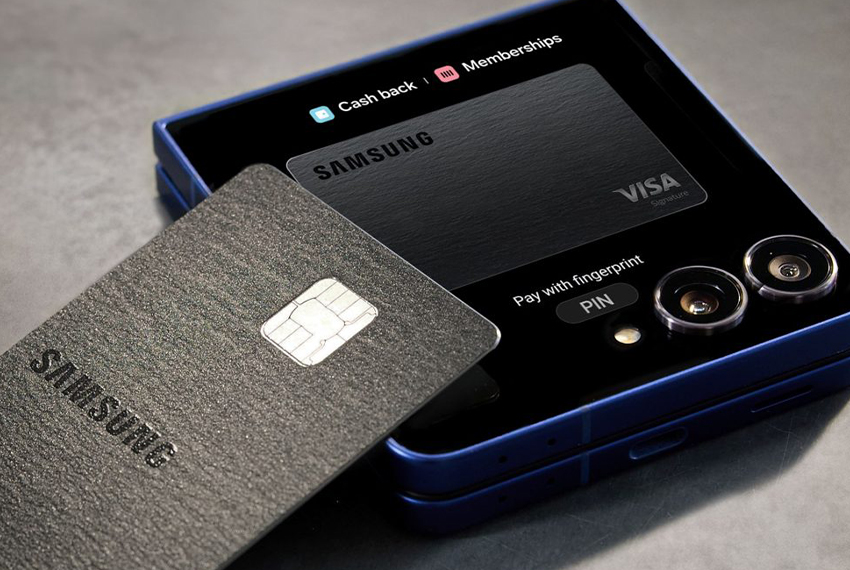
Samsung Galaxy Card launched in the United States with up to 5 percent cashback, and its fate will likely hinge less on the reward rate than on whether the issuing bank can absorb credit losses, handle disputes and maintain strong customer service.
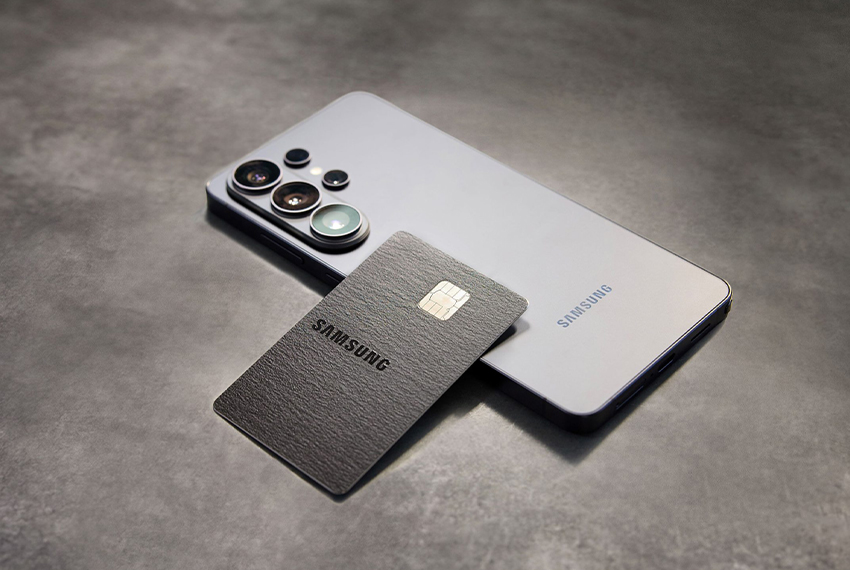
Samsung Galaxy Card: how the 5 percent cashback works
The Samsung Galaxy Card is issued by Barclays US Consumer Bank and runs on the Visa network. Cardholders get 5 percent cash back on qualifying purchases made directly from Samsung, 3 percent when paying with Samsung Wallet, 2 percent on streaming services and 1 percent on other purchases.
New accounts that spend $2,000 in the first 90 days qualify for a $200 welcome bonus. Samsung is also offering Samsung VIP Advantage discounts for members. The structure clearly targets new-device, appliance and accessory purchases through official Samsung channels rather than everyday spending.

Lessons from the Apple Card partnership
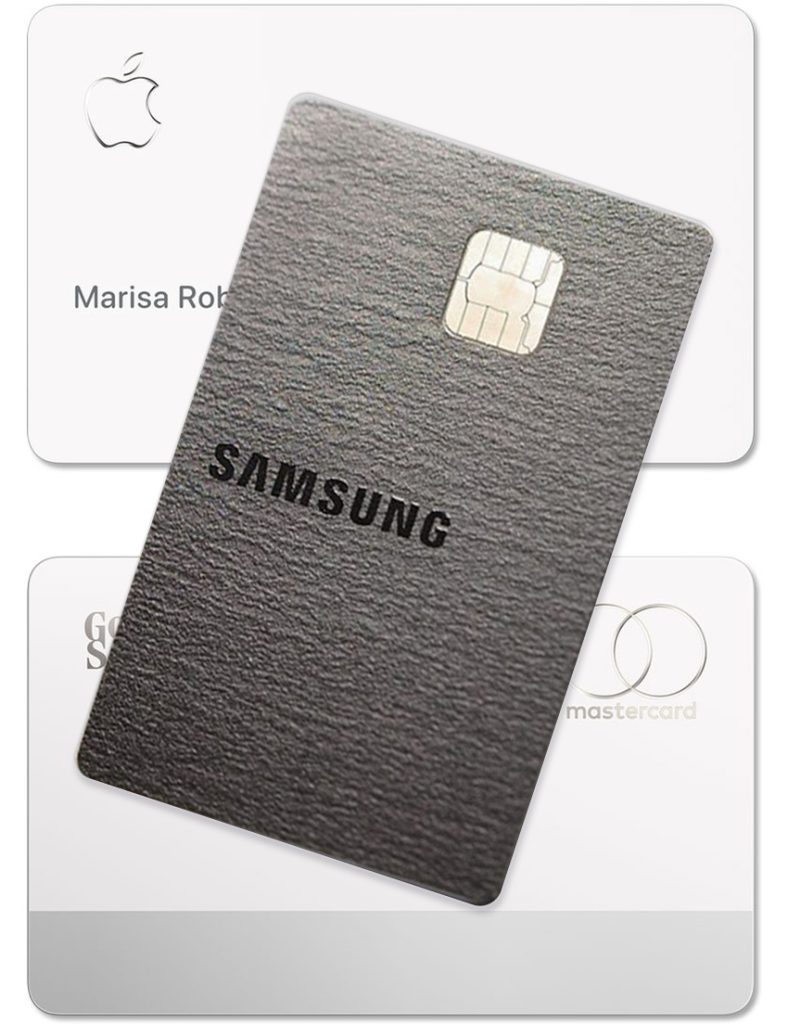
Apple Card provides a useful comparison for the Samsung Galaxy Card because it exposed how a branded card can strain a partner bank that lacks scale in traditional card servicing. A Reuters report in 2023 said Goldman Sachs carried the loan loss reserves but lacked large scale experience in servicing a mass retail credit card portfolio, which increased pressure as the card attracted lower credit score applicants.
Apple built its card around fee waivers and features such as no annual fee, no foreign transaction fees, no late fees and interest free installment offers. That model reduced some conventional fee revenue for the issuing bank. Apple also does not sell cardholder data for advertising, which further narrows revenue sources available to a bank partner.
The Consumer Financial Protection Bureau, or CFPB, found in 2024 that Apple and Goldman Sachs harmed some consumers through dispute handling and the promotion of interest free instalment programs. The firms were ordered to pay more than $89 million in fines and restitution, and Goldman was restricted from launching new credit cards until it presented a credible compliance plan. Those actions show that a smooth wallet experience does not replace robust customer service, dispute resolution and credit underwriting.
Samsung focuses rewards on its own products
Unlike Apple Card, which spread its Everyday rewards more broadly across Apple Pay transactions, the Samsung Galaxy Card concentrates top rewards on purchases made through Samsung. That makes the card a direct tool for retail retention and preorder incentives rather than a general purpose cashback card.
Samsung has chosen Barclays US Consumer Bank to issue the Samsung Galaxy Card rather than operating the credit line itself. That arrangement can limit Samsung’s exposure to direct lending risk, but it does not automatically mean the product avoids the operational challenges Apple faced.
Details on fees, credit risk sharing, dispute resolution and customer service for the Samsung Galaxy Card remain incomplete. Android Authority reported the card will not carry an annual fee, while Tom’s Guide said the full fee schedule depends on final terms. For the Galaxy Card to outperform Apple Card, Barclays must show that expected revenue will cover the cost of rewards and bad debt, and that it can provide reliable servicing and transparent instalment terms.
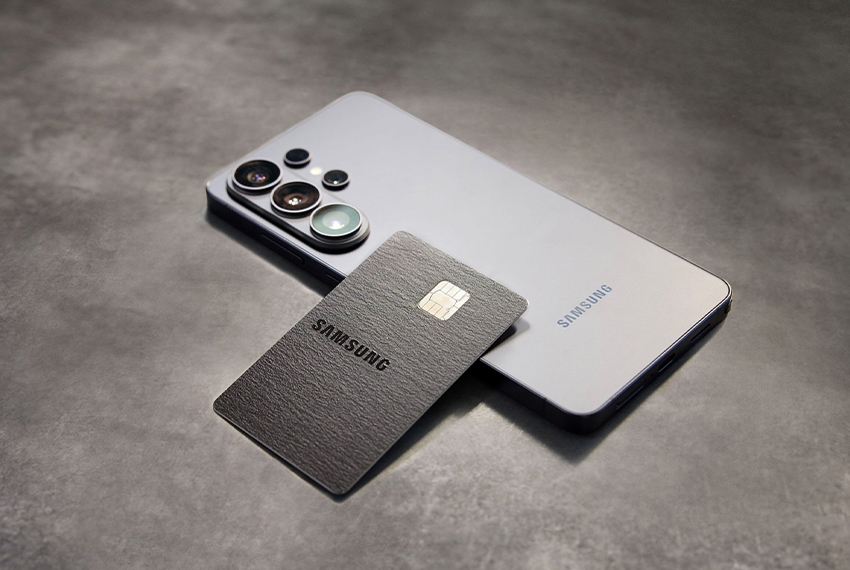
The Samsung Galaxy Card is not automatically superior to Apple Card, it is a more narrowly focused loyalty and retention vehicle. The 5 percent reward will make preorders and purchases of Galaxy devices more attractive in the short term, but long term success depends on how bank, brand and cardholder share costs and responsibilities.