



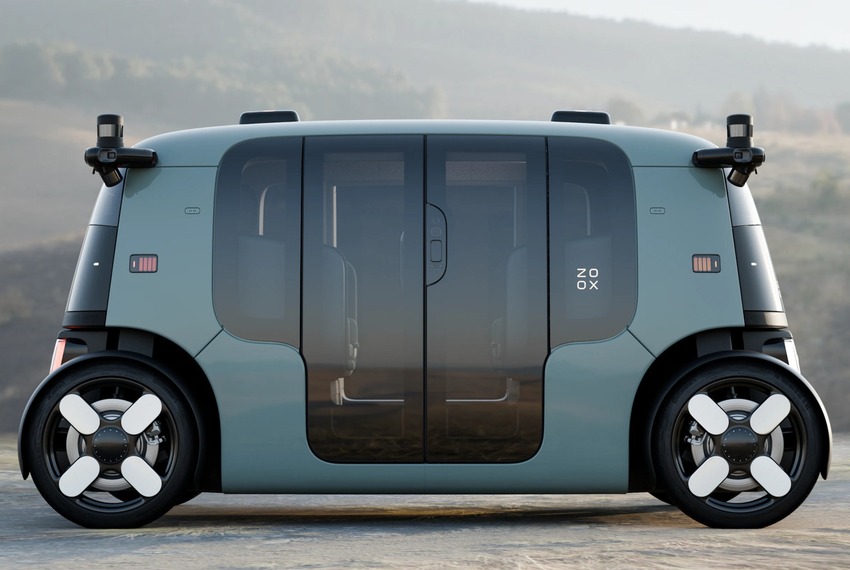
Zoox Robotaxi recall began when Amazon-owned autonomous vehicle company Zoox announced a recall of 105 Robotaxis after some vehicles braked and became unresponsive when they drove into heavy smoke near fire scenes, the company and a federal safety filing show.
The incident happened on June 20, according to a report from the U.S. National Highway Traffic Safety Administration (NHTSA). The NHTSA filing says a Zoox vehicle stopped suddenly as smoke obscured its sensors and needed a remote operator to manually back it out so emergency crews could place traffic cones and secure the lane.
Zoox Robotaxi recall, stopping at a disaster does not mean safety
At first glance, braking when visibility is poor looks like the cautious default for an autonomous system. But near an active fire, that same safety response can block emergency access and endanger people on scene.
The NHTSA report notes that thick smoke can sharply reduce camera contrast and also interfere with LiDAR and other range sensors, leaving the vehicle without the reliable inputs it needs to choose a safe path. In that moment, the system can lose its ability to make nuanced decisions about where to move so it does not impede rescue operations.
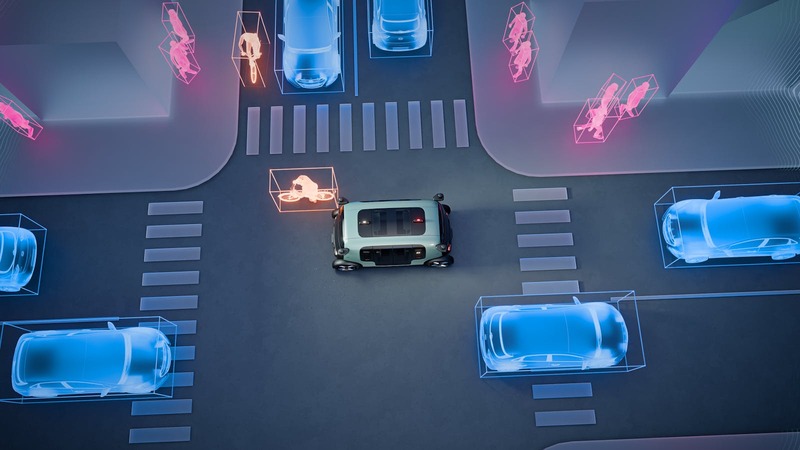
Fire scenes are highly dynamic, non standard environments. Traffic lights may be out, painted lane markings may no longer guide movement, and ad hoc elements such as fire engines cutting across lanes, temporary barriers, and officers directing traffic replace routine rules.
When a vehicle cannot recognize these temporary rules and simply stops in the center of the road, it can immediately obstruct emergency crews who need clear access. That is why the Zoox Robotaxi recall centers on behavior in these rare but dangerous edge cases, not on routine driving faults.
When to hand control back to a person
Traditional recalls often fix worn hardware, but for software defined Robotaxis, recalls patch algorithm blind spots exposed by real world anomalies. Zoox said it addressed the smoke braking problem with an over the air software update and that this report is the only known smoke related incident to date.
But writing more code cannot anticipate every possible disaster scenario. The larger human machine collaboration question is whether the system can detect early that it is out of its depth and request rapid intervention from a remote control center before it creates an obstacle for first responders.
Zoox treated the event as a systemic risk and issued the software recall for its 105 Robotaxis, a step the company says will reduce the chance of repeat incidents. The episode underscores that even lavish sensor stacks cannot automatically translate temporary, ad hoc rules at a disaster scene into safe action.
Learning to recognize operational limits and to decisively hand back control to human operators, or to request guided remote intervention, may be the most important routine a Robotaxi developer writes next. The Zoox Robotaxi recall makes that requirement plain.