



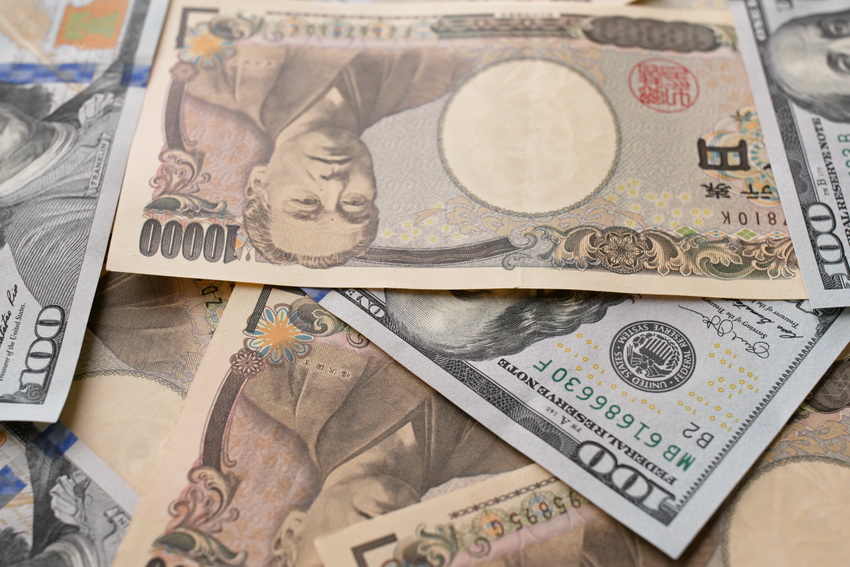
Dollar yen outlook tightened as the dollar pushed the yen below 162, the weakest level since 1986, and traders shifted their focus to the 163 to 165 range, a technical and psychological zone that could prompt further market moves.
Despite repeated Japanese government intervention in recent months and the Bank of Japan lifting its policy rate to 1 percent, currency players say the yen remains vulnerable while the interest-rate gap between the United States and Japan stays wide.
State Street Global Advisors senior fixed-income strategist Masahiko Loo said the break below 162 reflected momentum-driven strength in the dollar, and that the next important technical and psychological threshold is now the 163 to 165 area.
Dollar yen outlook: technical levels and market positioning
Loo said as the exchange rate approaches that band, market positioning will grow more cautious, and investors will closely weigh whether Tokyo will intervene again and how incoming U.S. economic data will affect the dollar.
T. Rowe Price co-portfolio manager of multi-asset income strategies Zhong Xiaoyang (鍾曉陽) said he expects unilateral intervention to have limited, short-term impact if the dollar’s overall strength persists.
“If U.S. short-term Treasury yields fall and markets scale back expectations for further Fed tightening, that would help the yen,” Zhong said. “But if U.S. growth accelerates later this year, U.S. rates could rise again and the yen would remain under pressure.”
Policy options: intervention, BOJ moves, and the interest-rate gap
Market participants point to the widening U.S.-Japan interest-rate gap as the root cause of the yen’s weakness. The Bank of Japan has raised policy rate to 1 percent, but that still leaves a significant differential versus U.S. rates, keeping carry trades attractive.
Mizuho Bank strategists said the market is reassessing the old assumption that rising Japanese government bond yields automatically support the yen. Even as Japanese yields have climbed, the yen has stayed weak, suggesting a change in how the market prices the currency.
HSBC’s foreign-exchange strategy team said Tokyo’s threshold for intervention may have risen slightly, but authorities will act to prevent disorderly, rapid falls. HSBC now forecasts the dollar could reach 162 by the end of 2026 and 164 by mid-2027, both higher than its prior outlook.
Recent interventions and their limits
Japan’s finance ministry reported that between April 28 and May 27, authorities spent about 11.7 trillion yen buying yen and selling dollars, a single-month intervention record. That sum is roughly about $76 billion (11.7 trillion JPY), according to market estimates, and it exceeded market expectations.
Market analysts generally say large-scale intervention can slow the yen’s slide for a time, but cannot by itself reverse the trend while the interest-rate gap remains wide.
Franklin Templeton research strategist Christy Tan said Tokyo needs to send clearer and more consistent signals about policy normalization to convince markets that the rate gap will narrow. Otherwise, investors will keep borrowing yen to fund dollar asset purchases.
How coordinated action and BOJ timing matter
T. Rowe Price and other strategists noted that coordinated action with other major central banks often has a stronger and more sustained effect than Japan acting alone.
Market commentary has also raised the possibility that if intervention costs keep rising, Japan will need the Bank of Japan to accelerate rate normalization to provide a more durable defense for the yen. Some economists say the BOJ could move sooner than markets originally priced, with the next rate step penciled in for November or December, though action as early as October cannot be ruled out.
Former BOJ policy board member Sayuri Shirai (白井早由里) told international media that if the Federal Reserve hikes again this year, the dollar could reach 165. Market participants treat 165 as a symbolic level that would return the yen to exchange-rate territory last seen in the late 1980s.
Outlook: scenarios that would change the dollar yen outlook
Analysts say the dollar yen outlook will hinge on three factors: the path of U.S. interest rates, how quickly the BOJ normalizes policy, and whether authorities in Tokyo choose to intervene again and on what scale.
If U.S. rate expectations ease and the BOJ advances policy normalization, the yen could stabilize. Conversely, if U.S. yields rise or remain elevated and Tokyo cannot close the rate gap, the yen could continue to test the 163 to 165 area and beyond.
For now, traders say they are watching incoming U.S. economic data, central-bank communications, and any signs of renewed speculative positioning that could trigger further intervention.
Reporting for this article included statements and forecasts from State Street Global Advisors, T. Rowe Price, Mizuho Bank, HSBC, and Franklin Templeton, and comments from former BOJ policymaker Sayuri Shirai. Market estimates used for currency conversions are from industry analysts and are approximate.