



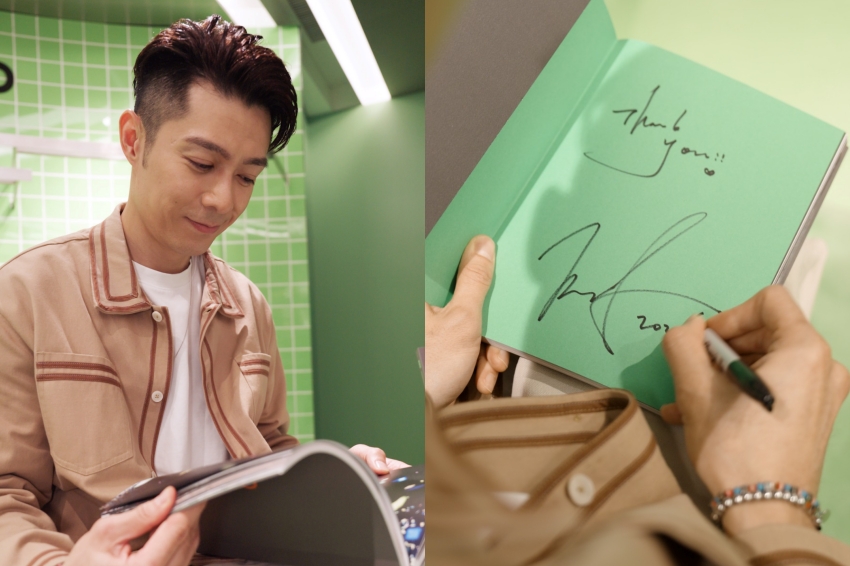
Zau Paak hou interview opens with a line he often repeats: “A lot of things we keep saying, ‘Next year,’ and before you know it, ten years have passed.”
At a certain point in life, time begins to feel heavier.
When we are young, the future seems full of possibility. Trips can wait until next year, projects can start next year, and long held plans feel destined for a day that has not yet arrived. But as work, family, and responsibility fill a life, time often shrinks. Looking back, many things we thought we had time for have quietly slipped away.
For Zau Paak hou (周拍豪), turning 40 did not change him because of the number, but because he began to feel time passing in a new way. In recent years he has shifted between roles and reassessed his relationships with family, the stage, and his own future. While many treat age 40 as a turning point, he prefers to treat it as a moment to move forward rather than stop and look back.
Life’s happiest stage
When asked about his life today, Zau Paak hou does not lead with career milestones.
There are no concert box office numbers, no chart positions, and no singular career trophy that he cites first. Instead, the people around him come to mind.
His parents remain healthy and present, his wife and children are growing alongside him, and friends, collaborators, and fans still stand by him. Those ordinary facts have become his most treasured assets.
“This stage of life is definitely the happiest for me. My parents are here and healthy, my wife and children are with me, and I have brothers, sisters, a team, fans, friends, and the media, and everyone cares about me,” he said.
For many people, happiness comes from acquiring. After a certain age, people learn that what matters most is what they still have.
That contentment is not a fleeting thrill, but a sense of completeness born of everyday life. As earlier ambitions stabilize, he says, people begin to appreciate what they once overlooked.
Still, that satisfaction has not made him stop.
“I still have dreams and I still want to do everything I can,” he said, speaking about creativity, music, and life itself.
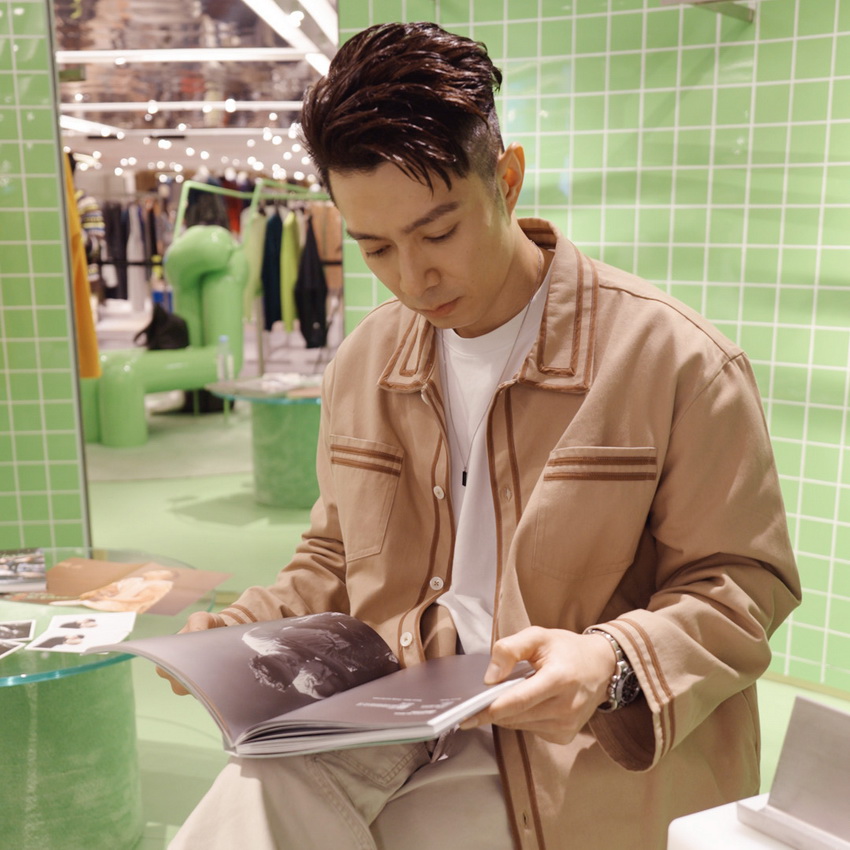
From getting through a show to making memories
The stage has been where Zau Paak hou learned to grow fastest.
Early in his career every performance felt like an exam. He focused on not making mistakes, and being onstage was more about finishing the task than enjoying the moment.
“I used to be so nervous I could not enjoy the stage. I would rush through and treat it like getting past a test,” he said.
That is a stage many newcomers experience. When someone is hungry to prove themselves, there is little room to feel the process. Delivering a performance and earning recognition occupy all thought.
After years of touring different cities and singing for different audiences, he realized that audiences often do not remember whether a high note was perfect. What lingers are the emotions and memories created in the moment.
“Doing a good show is now basic. What matters more is creating memories with the audience,” he said.
Blooming is not about age
In recent years he often uses one word: Blooming.
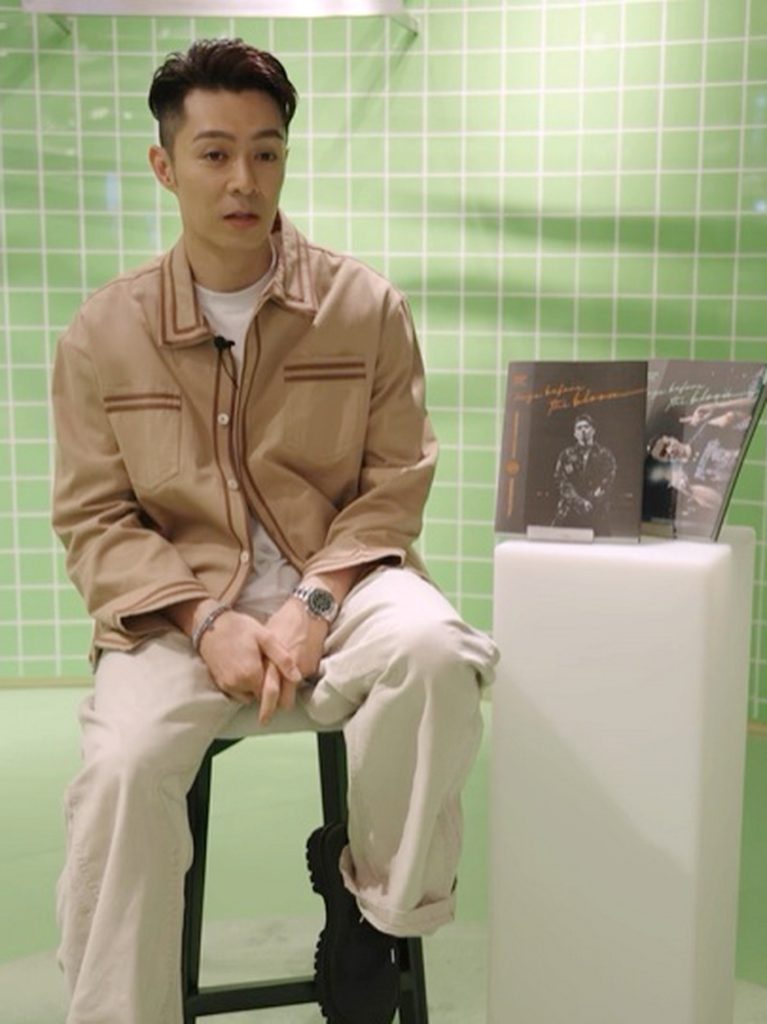
The idea informed his album Days Before The Bloom and what he calls the Blooming Chapter. For him, Blooming has never been about age; it is about choice.
People like to say a man at 41 is “a flower,” but Zau Paak hou is not attached to that image.
“Whether a man at 40 is a flower is up to each person,” he said. He said he cares less about how 40 should look and more about the attitude a person chooses for life.
“I choose to walk life with a Blooming attitude,” he said. For him, blooming means accepting change, allowing life to enter different phases, and keeping the courage to keep exploring.
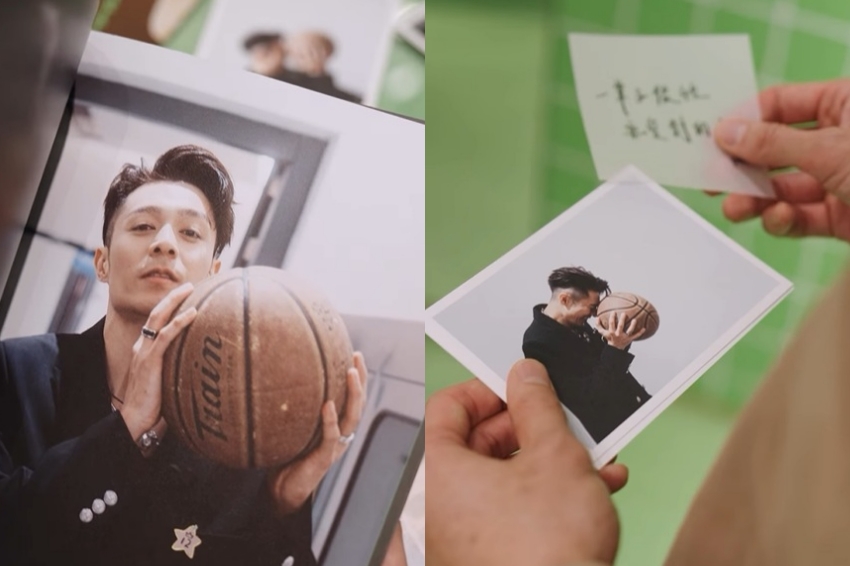
Time begins to gain weight
If turning 40 brought any change, Zau Paak hou says it was a different sense of time.
When young many things can wait. Travel can wait until next year, plans can start next year, and dreams seem to have many openings. But as life moves into another stage and you gain family and responsibility, time feels heavier.
He says the most striking feeling in recent years has been that sentiment: “A lot of things we keep saying, ‘Next year.’ Next year becomes ten years.”
That observation resonates because it is not only his feeling, but a reality many adults face. As work and family occupy more of life, people have fewer opportunities to reflect on what they truly want. Time once taken for granted grows precious.
He treats the realization not as pessimism, but as a reminder: do not leave everything for the future, and value what you can still hold now.
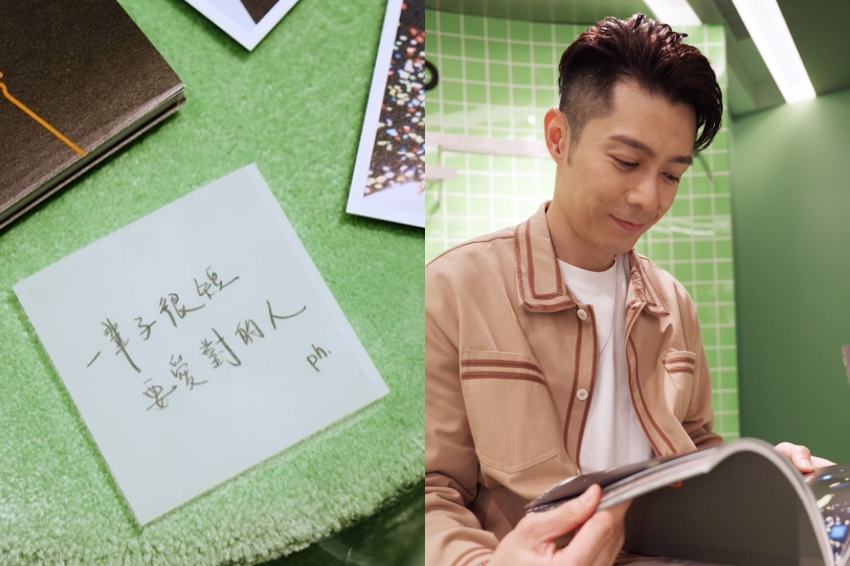
Being present means growing together
Becoming a father changed how he understands the word “presence.”
Many equate presence with being physically there. For him, presence is participation in the moments that cannot be replayed.
“Being near them is not the same as being present,” he said. He prefers to say he grows with his children rather than only watching them grow.
That distinction may seem small, but it reflects a mature understanding: children learn to grow, and parents grow with them. Family is not a one way gift, but a mutual journey of influence and development.
When he describes time with his children, it is mundane moments he values: playing together, sliding, and simple silly games. “For kids those are the most important memories,” he said.
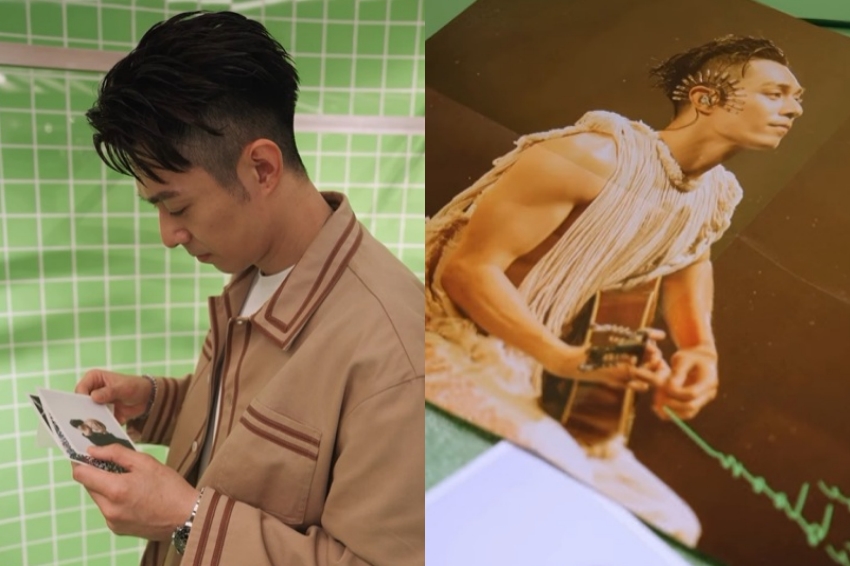
Trust built by time is the most precious reward
Nearly 20 years in the industry, he says, have shown him different stages and the evolution of Hong Kong’s music scene.
If he names his most precious gain, it is not awards or milestones but the fans who have stood by him.
“Supporting the same artist for 20 years is not easy,” he said. In an age of constant new choices, some people spend a decade or two following an artist, and some have never met him in person but still accompany his music and life.
He says that kind of loyalty is not something money can buy. It accumulates over time through mutual response and trust.
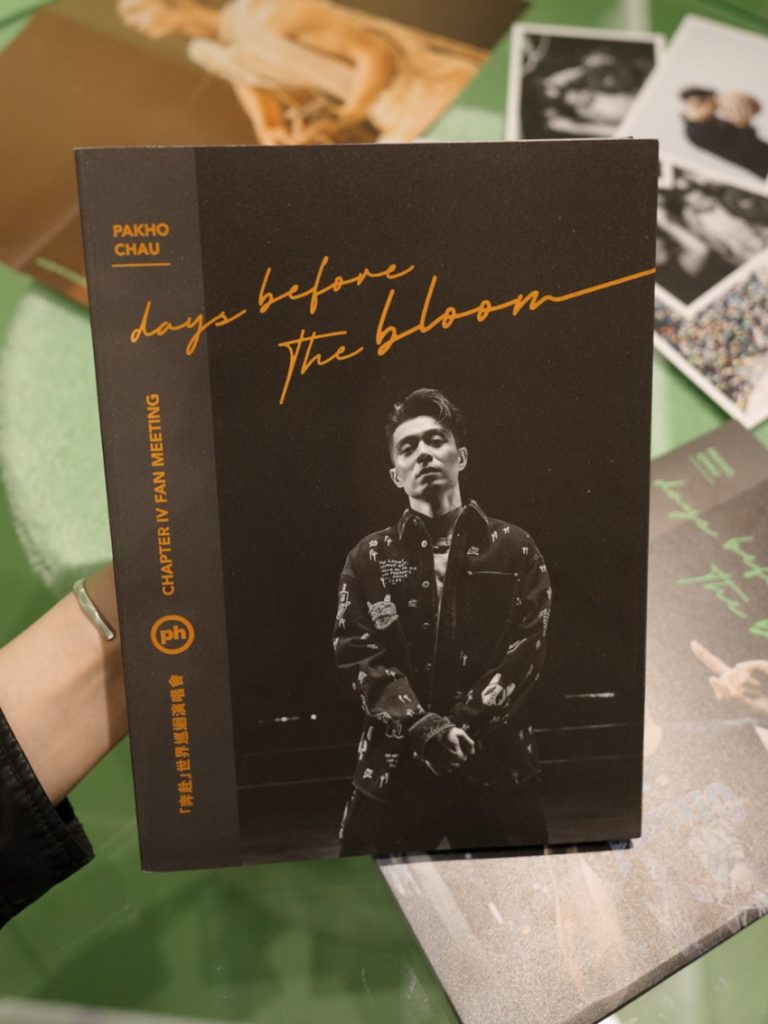
His Blooming Chapter
Reading through the interview, Zau Paak hou is not only talking about turning 40, or about family, stage, or career.
He keeps returning to the same theme: time. Time has taught him to cherish family, to reframe the stage, to value presence, and to recognize those who remain by his side.
At this stage of life he is no longer desperate to arrive or to prove anything. More than reaching an end point, he cares about how he walks the next steps.
As he put it, there is no fixed timetable for life and no single right answer. Age does not define the moment. What matters is the attitude you choose toward the future.
For Zau Paak hou the Blooming Chapter, he believes, may only now be beginning.