



Hong Kong menswear exhibition: ÆNRMOÚS and Domenico Orefice in conversation
Hong Kong menswear exhibition brings Hong Kong and Italian designers together for a show organized by the Hong Kong Design Centre and the Camera Nazionale della Moda Italiana, featuring Hong Kong label ÆNRMOÚS and Italian designer Domenico Orefice.
ÆNRMOÚS: “Clothing itself is a character, an environment, and an emotion”
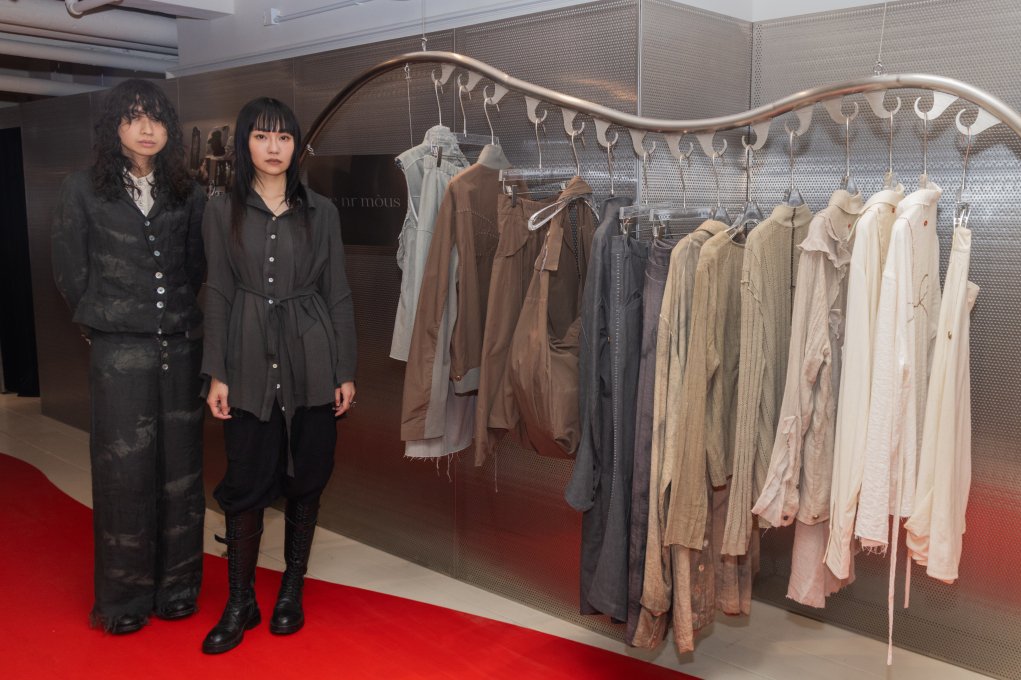
ÆNRMOÚS was founded in 2022 by designers K Cheang and Uia Kwok. The brand name reworks the word Enormous by altering its spelling and letterforms, reflecting a practice of deconstruction and reconstruction that informs their design approach.
Sources of inspiration
“Our inspiration usually comes from history, film, architecture, nature, religious imagery, traditional dress, and vanishing handcrafts,” K Cheang said. “We pay attention to traces that time leaves on objects, such as fabric fading, metal oxidation, peeling paint, and the creases and wear that come from long use.”
They said they do not copy a historical era or a cultural symbol directly, but first study the background, then deconstruct silhouette, structure, or spirit, and rework those elements using contemporary tailoring and materials.
From scene to garment
When conceiving a new collection, the designers said the first images that appear in their minds are rarely finished garments, but scenes, moods, or a character state. “It could be a space, a quality of light, a movement, a sound, even a temperature,” Uia Kwok said. “We ask, what world does this person inhabit, what have they experienced, and why would they wear these clothes? Once the world is clear, silhouettes, colors, materials, and functions naturally follow.”
Keeping drama out of costume
Both designers said film influences their work not by providing literal costume references, but by teaching methods for building atmosphere, time, and character through light, rhythm, composition, and performance. “Costume serves a role in a story, fashion must relate to real people and daily life,” Cheang said. “Even when a collection is strongly narrative, we always return to the body, to proportion, weight, mobility, and comfort.”
They added that runway shows and imagery can present a complete world, but each piece must still stand alone and work in a real wardrobe.
Slow craft and material memory
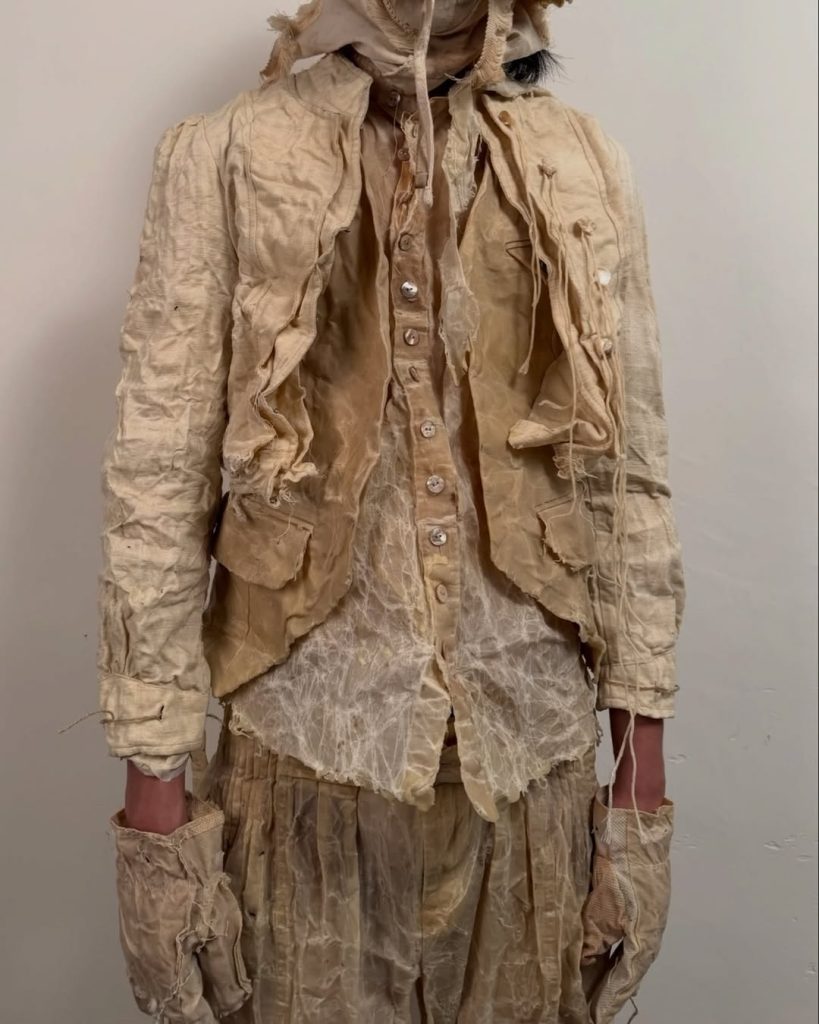
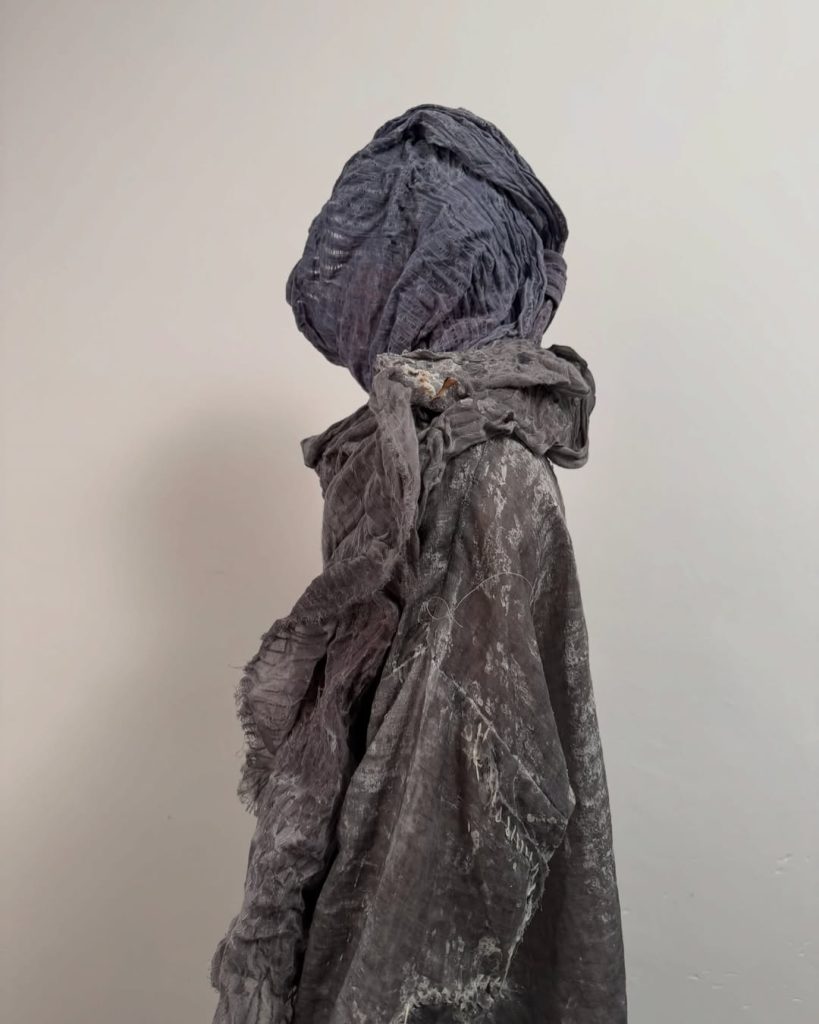
ÆNRMOÚS often uses natural dyeing and experimental material treatments, the designers said, arguing that slow craft is as much a way of looking at material and time as it is a production method. Natural dyes and hand treatments generate irregular results, they said, and the variations, marks, and surface changes record the garment’s making and past interactions.
“We value the unique state garments develop after time, hands, and environment have shaped them. Failures or accidents in the process can produce important details; craft is not an add-on, it is part of design and narrative,” Kwok said.
SS2027: wounds and regrowth
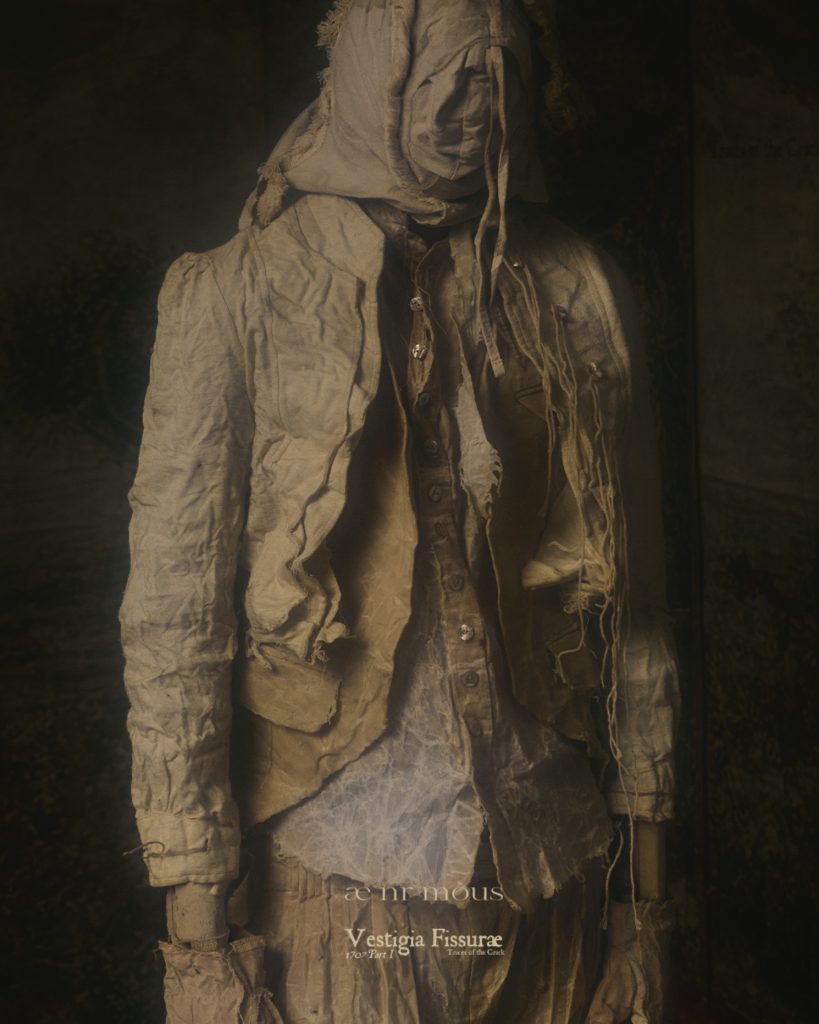
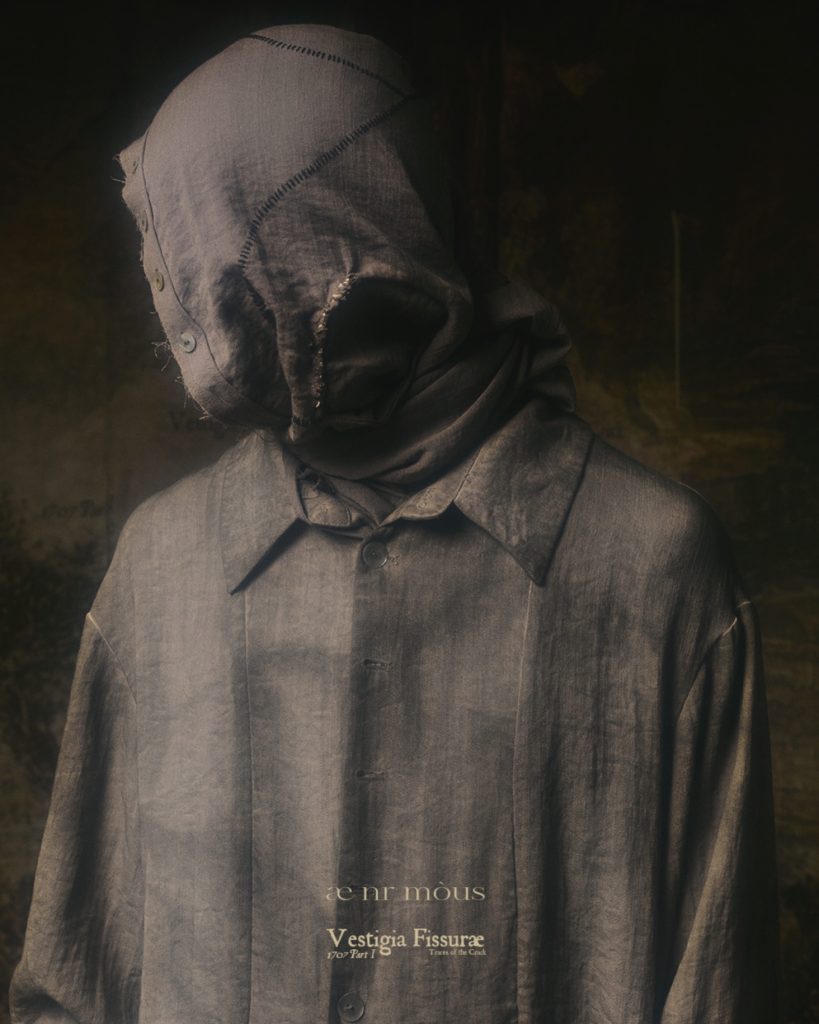
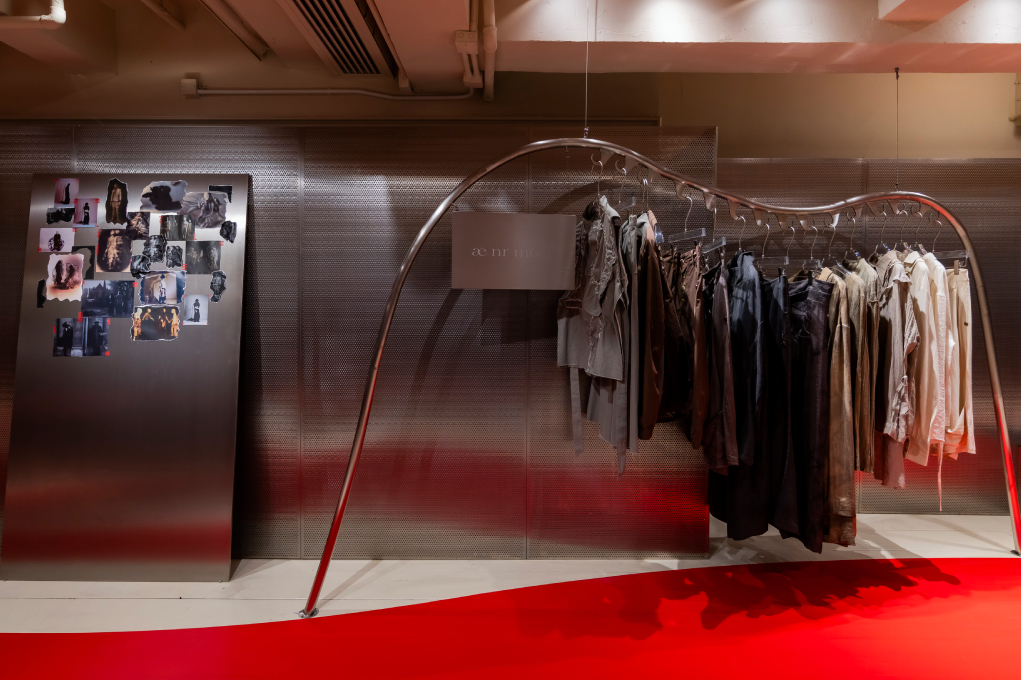
The ÆNRMOÚS SS2027 collection continues their exploration of body, nature, and time. The designers described it as a study of how the body feels after destruction, loss, and reconstruction, like plants growing through cracks and forming a new order while carrying scars.
Silhouettes balance protection and release, and material treatments are meant to make garments look as if they have experienced time and change. One highlight is a cut inspired by the letters ae, which the brand uses to carry visual identity and story while making the shapes wearable in everyday life.
Collaborative workflow
The pair described a shared creative process in which concept, garment, and imagery constantly influence one another. “One of us focuses more on tailoring, patterns, materials, and construction, the other leads brand worldbuilding, visuals, imagery, and creative direction,” Cheang said. “We make major decisions together. When opinions differ, we return to the collection’s core and test which option serves the concept and brand language better.”
They said they often produce two samples and compare them on the body or in a shoot to let the garment decide.
DOMENICO OREFICE: “The wearer is always part of the creative process”
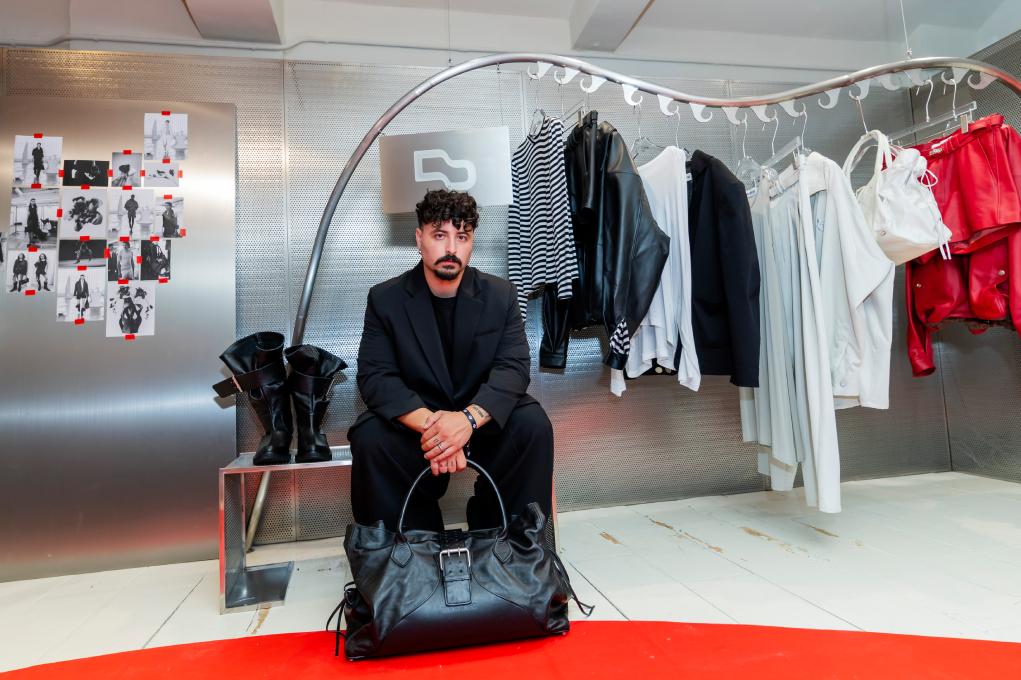
Domenico Orefice grew up in Naples and studied fashion in Florence before founding the eponymous label DOMENICO OREFICE. The brand blends tailoring with sportswear and uses a genderless approach to broaden what menswear can be.
Two cities, one voice
Orefice said Naples and Florence shaped his work in different ways. Naples gave him intuition, personality, warmth, and a way of observing people and daily life that emphasizes strong contrasts, chaos, and humor. Florence taught rigor, craft, structure, and tailoring, and helped him translate intuition into a disciplined design language. “My brand lives in the dialogue between Naples emotional spontaneity and Florence technical precision,” he said.
The wearer as collaborator
Asked how he would describe the person who wears DOMENICO OREFICE, Orefice said attitude unites them more than age, gender, or background. “They are curious, independent, and comfortable mixing worlds. They might pair precise tailoring with sportswear, or structured pieces with intimate, personal garments. I want people to feel the clothes belong to them, not the other way around. The wearer is always part of the creative process.”
Genderless design
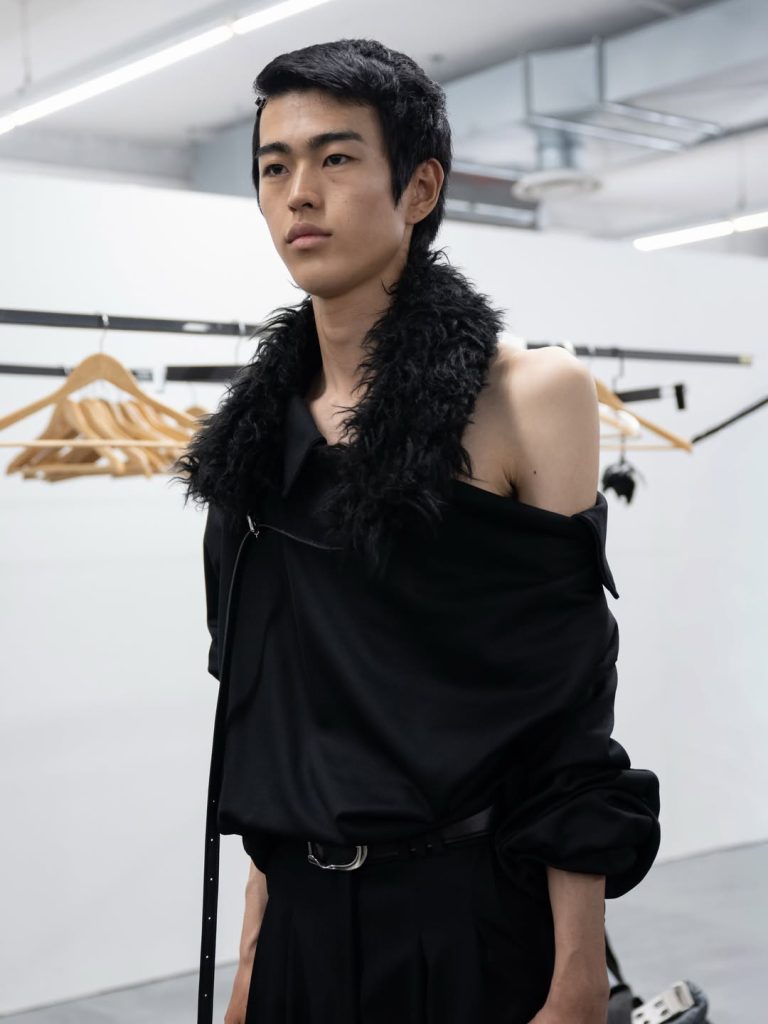
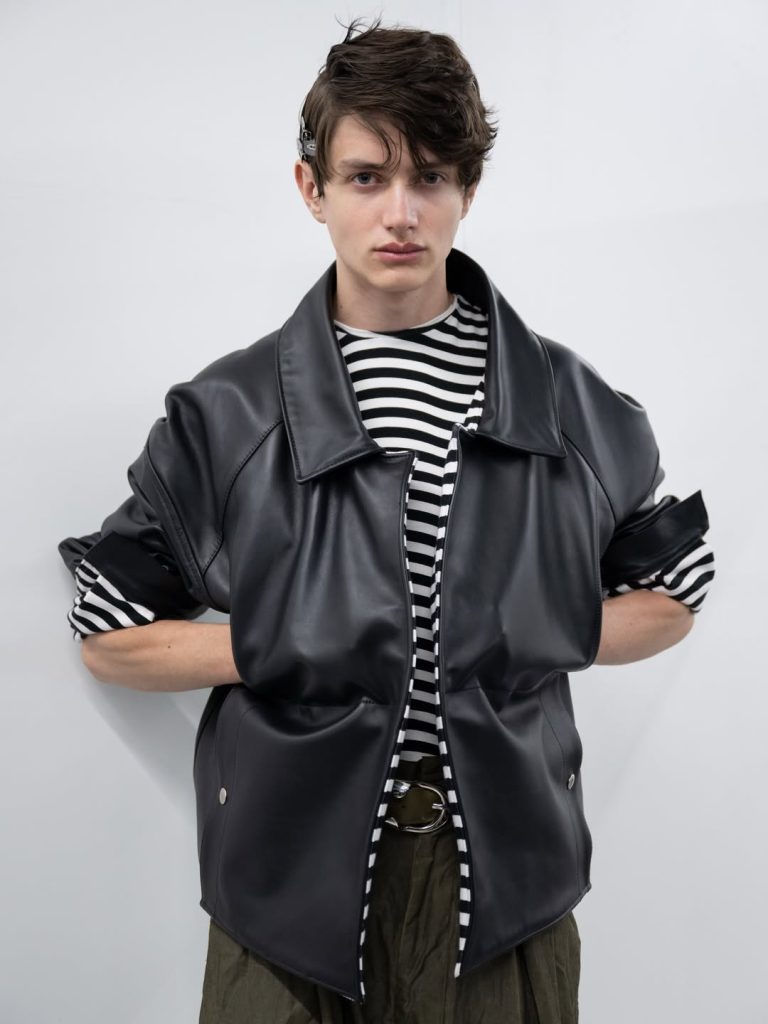
Orefice said genderless design is about freedom, not erasing identity. He aims for clothes that allow wearers to decide how to inhabit them, rather than forcing neutrality. “Proportion, movement, and attitude can belong to anyone, and that is more interesting than merely putting different genders in the same garment,” he said.
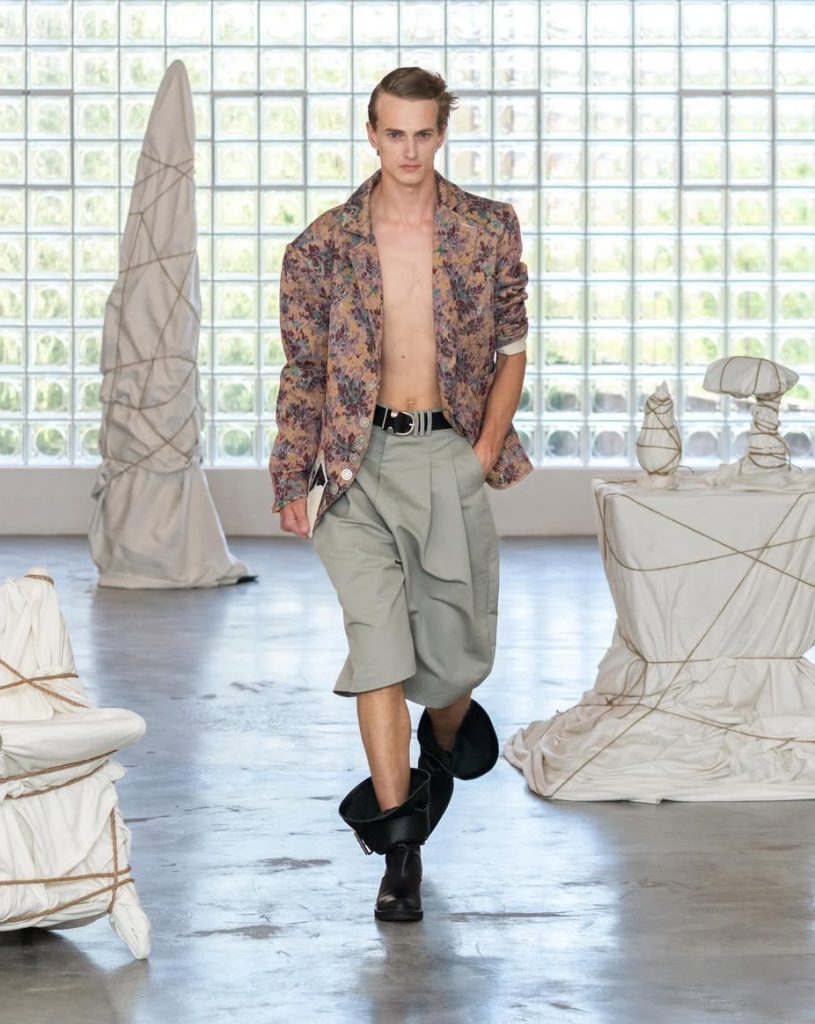
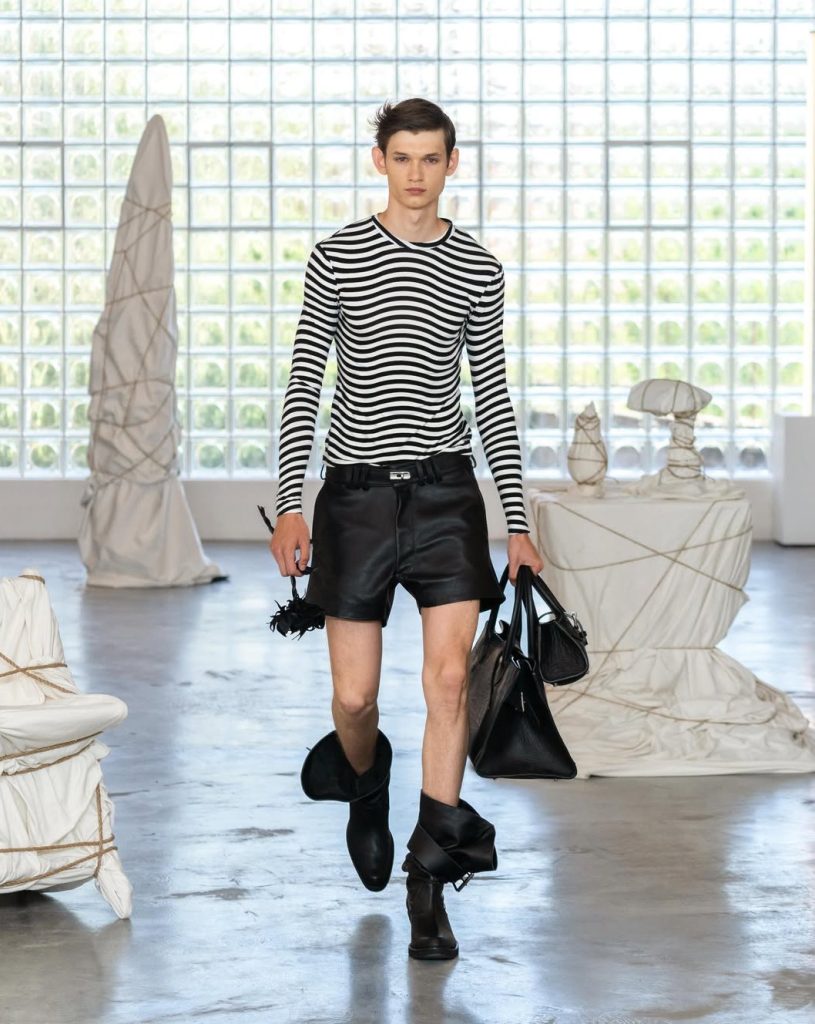
SS2027: HABITAT and the idea of home
The SS2027 collection, titled HABITAT, explores ideas of home and belonging. Orefice drew on childhood memories of Naples, including furniture, textiles, objects, habits, and the feeling of being at home. The collection shifts toward more fluid silhouettes while maintaining tailoring and sportswear elements, and it uses materials and treatments that echo household objects and textures. “Clothes should feel like a home you can inhabit, not only objects to look at,” he said.
Exhibition expectations
Both brands said what they most look forward to is dialogue. They hope the Hong Kong menswear exhibition will create meaningful exchanges by placing designers from Hong Kong and Italy side by side, and by inviting audiences to read similarities and differences across cultures and creative rhythms.
“For us, the show is more than exposure, it is a starting point for international conversation,” Cheang said. Orefice added that the event is an opportunity to reveal the personal side of a brand, the childhood memories and emotions that give a collection its meaning.
Both designers said they hope that after visiting the show, audiences remember not only a single garment, but the emotions and stories behind the clothes, and that the experience prompts viewers to rethink the relationship between clothing and the person who wears it.