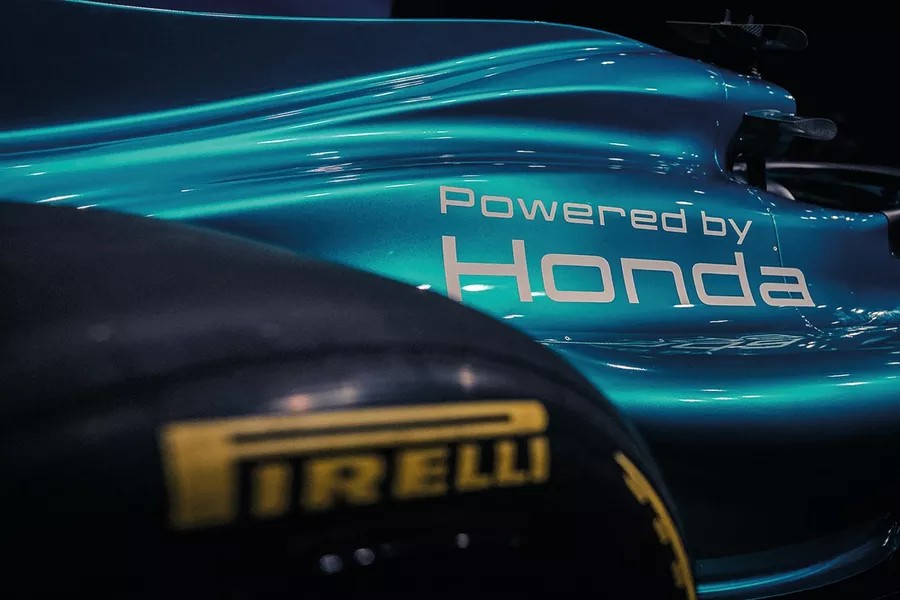
Honda Aston Martin F1 entered the 2026 season behind where the team had expected to be, Hondatrack director and chief engineer Shintaro Orihara said, after the manufacturer confirmed in January that its new power unit package was not yet at the level required to fight at the front.
Early development fell short of expectations
Orihara told reporters that before the new rules took effect, Honda believed the overall development direction was on track and that some performance gains were showing. The team only confirmed in January, however, that the current package would not produce the competitiveness the program had targeted.
Honda engineers found a growing trade-off between higher power output and reliability as laboratory work moved into system-level testing. Some configurations produced lap-time gains but increased system stresses, prompting a reset of several design choices.
Testing revealed speed and battery shortfalls
During winter testing in Barcelona, Honda said its power unit lagged rivals both in outright speed and in consistency, and battery-system problems limited progress on the test program. Team engineers described the battery issues as a key constraint on validating higher-output settings.
Those testing setbacks fed directly into the Aston Martin program, since the power unit is only one element of a competitive package. Even with a new technical base and a top design team, Aston Martin must re-tune chassis, aerodynamics and energy deployment to work with the revised Honda unit.
Rule changes reshaped engine priorities
Honda said the primary challenge comes from the scale of the 2026 technical changes, which shifted power priorities toward electrical output. MGU-K power has risen from about 120 kilowatts to 350 kilowatts, Orihara noted, and fuel-flow regulations have also changed, forcing a fresh approach to internal-combustion design.
The removal of the MGU-H (the motor generator unit tied to the turbo exhaust) has added another engineering headache. Honda engineers said losing the MGU-H means they must find new ways to preserve turbo stability and give drivers a more natural, predictable power delivery.
Zandvoort upgrade aims to close the gap
Honda is focusing resources on improving the power unit, and the package planned for Zandvoort, the Dutch Grand Prix circuit, will target the shortfall in performance. The upgrade, Honda said, is meant to reduce the gap to rivals progressively through the season.
For Aston Martin and Honda, the objective for 2026 goes beyond short-term results, Orihara said. The priority now is to use racing mileage and test data to build a more competitive base for future races and seasons.
Asked about timing, Honda declined to give a precise window for closing the deficit, but said the manufacturer expects incremental gains as the season progresses and as the Zandvoort upgrade is introduced and evaluated on track.